

Managing type 2 diabetes well means knowing all treatment options. For those who find oral meds hard, injectable metformin is a big step up. It offers better absorption and helps patients stick to their treatment.
Your diabetes care needs a full plan. Reliable glycemic control is key, and injectable metformin can be a big help. This guide will show you how to use metformin injection. You’ll learn its benefits and how to use it right.
Key Takeaways
- Understanding the benefits of injectable metformin for type 2 diabetes management
- Learning the proper administration steps for metformin injection
- Recognizing the advantages of injectable metformin for patients with gastrointestinal issues
- Improving glycemic control with reliable and consistent absorption
- Enhancing patient adherence to treatment plans
Understanding Metformin Injectable Therapy for Type 2 Diabetes
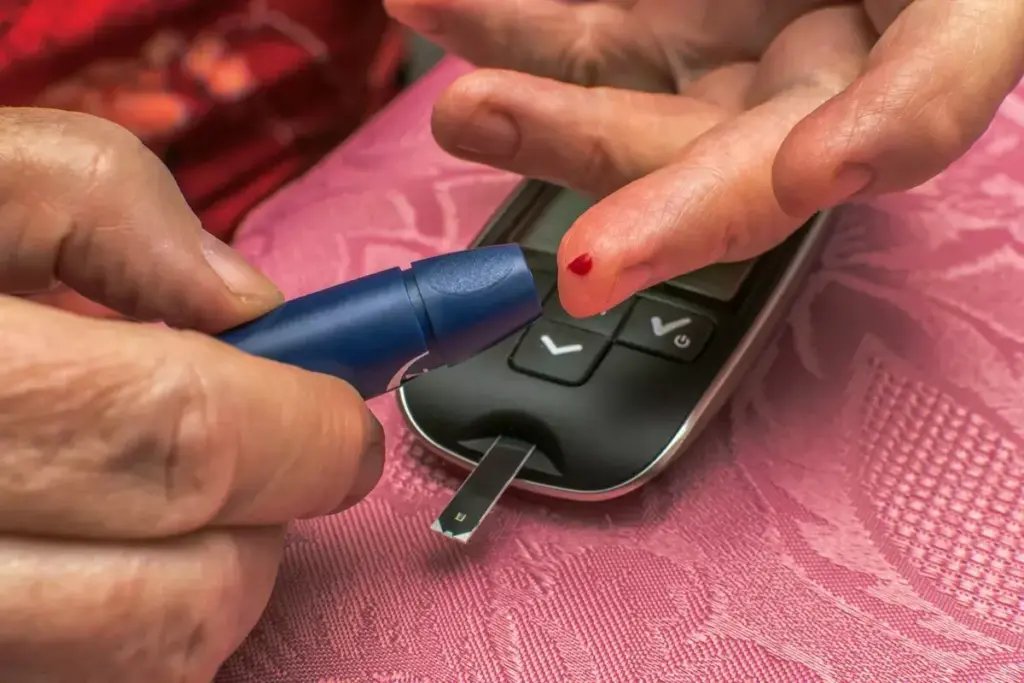
Injectable metformin is a new way to manage type 2 diabetes. It’s good for those who can’t take oral metformin because of stomach problems. This treatment helps control blood sugar levels better and is easier to take.
Why Injectable Metformin Is Prescribed
Doctors give injectable metformin to patients with stomach issues from oral metformin. It goes straight into the blood, avoiding stomach problems. This makes it a better choice for many, as it works well and is easy to stick to.
Who Benefits Most from Injectable Metformin
Those who can’t handle oral metformin because of stomach problems benefit most. Also, people who often forget to take their medicine might find this option helpful. Injectable metformin makes managing diabetes easier and more comfortable for patients.
Combination Therapy Options with Other Diabetes Medications
Injectable metformin can be used with other diabetes drugs for better blood sugar control. This lets doctors create a treatment plan that fits each patient’s needs. Combining it with other treatments can lead to better blood sugar control and fewer diabetes problems.
Injectable metformin is a key part of modern diabetes care. It offers a flexible and effective way to manage type 2 diabetes.
Preparing for Your Metformin Injection

Before starting your metformin injection, it’s important to prepare well. This ensures a smooth and effective treatment. With the right steps, you can confidently give your metformin injection.
Consulting Your Healthcare Provider
First, talk to your healthcare provider about your metformin injection. They will explain your treatment plan, including dosage and frequency. They will also help you understand any side effects and what to expect.
Ask questions during this talk. Find out how to store your medication, how to give the injection, and what symptoms to watch for. Your healthcare provider is your best resource for ensuring that you’re prepared for your metformin injection therapy.
Gathering Required Supplies and Equipment
Next, gather all the supplies and equipment you need. You’ll need the metformin injection, syringes, needles, and alcohol swabs. Also, have a sharps container ready to safely dispose of used needles.
Here’s a list of the supplies you’ll need:
- Metformin injection medication
- Syringes and needles
- Alcohol swabs
- Sharps container
Proper Storage and Handling of Injectable Metformin
It’s important to store and handle your injectable metformin correctly. Keep it in the refrigerator, away from light and moisture. Don’t freeze it, as this can reduce its effectiveness.
Always check the expiration date and look for any visible particles or discoloration. If you see anything unusual, don’t use it. Contact your healthcare provider or pharmacist for advice.
Selecting and Rotating Injection Sites
Choosing and rotating your injection sites is key to avoid discomfort and side effects. Use the abdomen, thighs, and upper arms for injections. Rotate sites within these areas to avoid repeated use.
Here’s a table to help you understand the rotation pattern:
| Injection Site | Area | Rotation Tip |
| Abdomen | Avoid the 2-inch area around the navel | Rotate clockwise or counterclockwise |
| Thighs | Use the front and outer areas | Alternate between left and right thighs |
| Upper Arms | Use the outer areas | Alternate between left and right arms |
By following these steps and guidelines, you’ll be well-prepared for your metformin injection therapy. Remember, proper preparation is key to effective diabetes management.
How to Administer Metformin Injection Step-by-Step
Administering metformin injection is a key part of managing diabetes. It involves several steps to ensure safe and effective treatment. By mastering these steps, you can confidently give your injection. This helps keep your blood sugar levels in check and supports your health.
Step 1: Wash Your Hands and Prepare Your Workspace
First, wash your hands well with soap and water. This step prevents infection and keeps your workspace clean. Also, clear a flat area and gather all needed supplies, like the metformin injection and syringe.
Step 2: Inspect and Prepare the Metformin Solution
Look at the metformin solution for any particles or color changes. If it looks off, don’t use it and talk to your doctor or pharmacist. If it’s clear and not past its expiration date, follow the instructions to prepare it.
Step 3: Clean and Prepare the Injection Site
Choose a site like the abdomen or thigh for the injection. Clean it with an alcohol swab and let it dry. Switching sites helps avoid skin problems and ensures the medicine is absorbed well.
Step 4: Draw the Correct Dosage into the Syringe
Use the syringe to draw the right amount of medicine. Make sure to follow the instructions to avoid air bubbles and get the right dose.
| Step | Description | Key Considerations |
| 1 | Wash Hands and Prepare Workspace | Use soap and water, clear a flat surface |
| 2 | Inspect and Prepare Metformin Solution | Check for particles, discoloration, and expiration date |
| 3 | Clean and Prepare Injection Site | Use alcohol swab, rotate injection sites |
| 4 | Draw Correct Dosage into Syringe | Follow manufacturer’s guidelines, avoid air bubbles |
By following these steps and talking to your healthcare provider, you can give your metformin injection safely. This ensures the medicine works right, helping you manage your diabetes and stay healthy.
Conclusion
Learning how to use metformin injection is key to managing type 2 diabetes. This guide helps you understand how to give yourself the injection. It ensures you get the most out of your treatment and keep your blood sugar levels in check.
Metformin injection is a great way to manage type 2 diabetes. It’s easy to use and works well. By following the guide and tips, you can make your treatment better and improve your health.
Using metformin injection can help you control your blood sugar better. It also lowers the chance of serious health problems. By adding this to your diabetes care, you can live a healthier life.
FAQ
What is metformin injection used for?
Metformin injection is used to help manage blood sugar in patients who cannot take oral metformin.
How does injectable metformin differ from oral metformin?
It bypasses the digestive system, providing direct absorption and reducing gastrointestinal side effects.
Who is a good candidate for metformin injection therapy?
Patients with type 2 diabetes who cannot tolerate oral metformin or have absorption issues.
Can metformin injection be used in combination with other diabetes medications?
Yes, it can be combined with other glucose-lowering medications under medical supervision.
How should I store my metformin injection medication?
Store it in a cool, dry place, typically refrigerated, and avoid freezing or direct sunlight.
What are the benefits of rotating injection sites?
Rotating sites prevents tissue damage, reduces irritation, and improves absorption.
How do I prepare the injection site for metformin administration?
Clean the area with an alcohol swab and choose a site with minimal irritation or scarring.
What should I do if I experience side effects from metformin injection?
Contact your healthcare provider promptly to adjust dosage or manage side effects safely.
References
Identify the approved and off-label indications for metformin use, such as type 2 diabetes, prediabetes, gestational diabetes, antipsychotic-induced weight https://www.ncbi.nlm.nih.gov/books/NBK518983/



 Departments
 Related Videos
 Our Doctors
 News
News