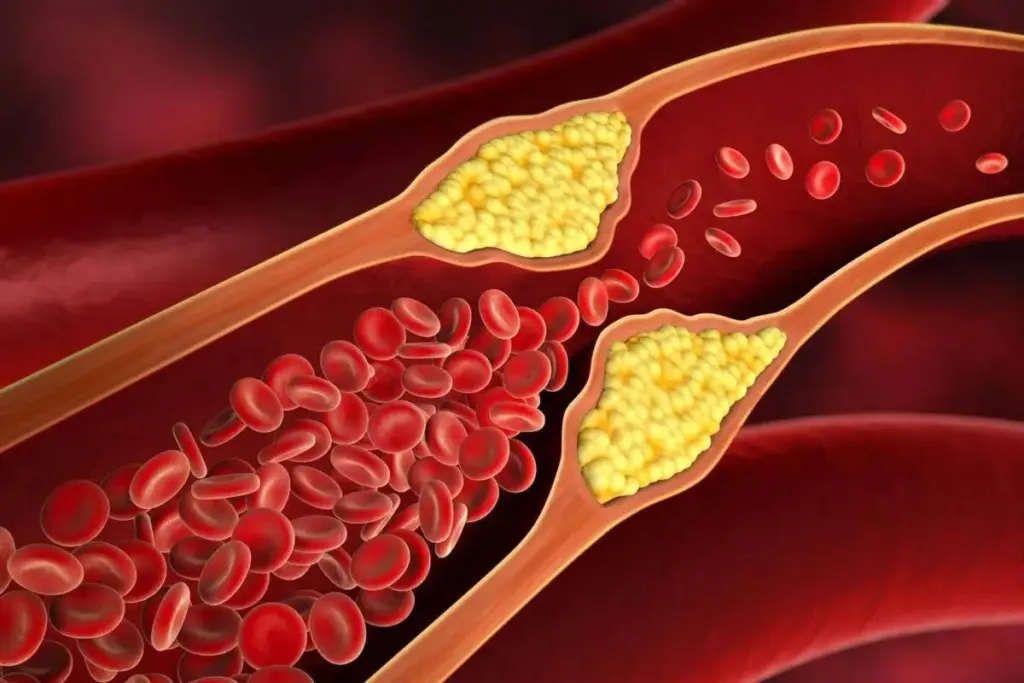
Too many lipids in your blood can be a big health worry. Hyperlipidemia, also known as dyslipidemia or high cholesterol, affects millions globally.
This condition happens when your blood has too much of certain fats. If not treated, it can cause serious health problems. Knowing how hyperlipidemia and high cholesterol are linked is key to managing it well.
Key Takeaways
- Hyperlipidemia is another term for high cholesterol or dyslipidemia.
- The condition involves having too many lipids in the blood.
- It can lead to serious health issues if not managed properly.
- Understanding the condition is key to effective management.
- Lifestyle changes and treatment can help control hyperlipidemia.
Understanding Lipids and Their Role in the Body
Lipids are key to our health, acting as a main energy source and aiding in many body functions. They include cholesterol, triglycerides, and phospholipids, each with its own role.
Types of Lipids in the Human Body
The human body has different types of lipids. Cholesterol is essential for cell membranes and hormone creation. Triglycerides store energy in fat cells. Phospholipids are important for cell membranes and cell function.
Normal Lipid Levels and Their Importance
Keeping lipid levels in check is vital for heart health. High levels can cause hyperlipidemia. Cholesterol and triglyceride levels change with age, sex, and health. Checking lipid profiles early can help manage lipid disorders.
How Lipids Are Transported in the Bloodstream
Lipids move through the blood as lipoproteins. These include LDL, VLDL, and HDL. LDL and VLDL are seen as “bad” cholesterol because they can clog arteries. HDL, or “good” cholesterol, helps clear cholesterol from the blood.
Defining Hyperlipidemia: More Than Just Cholesterol
To understand hyperlipidemia, we must know about different lipids and their health effects. It’s a condition where one or more lipids in the blood are too high. These include cholesterol, triglycerides, and lipoproteins.
What is Hyperlipidemia?
Hyperlipidemia is a wide range of lipid disorders that raise heart disease risk. It’s not just about high cholesterol. It’s about an imbalance of various lipids in the body. This can be due to genetics or lifestyle choices.
Classification of Hyperlipidemia
Hyperlipidemia is divided by the type of lipid that’s too high. The main types are:
- Hypercholesterolemia: Too much cholesterol.
- Hypertriglyceridemia: Too many triglycerides.
- Mixed hyperlipidemia: High levels of both cholesterol and triglycerides.
Knowing these types is key to diagnosing and treating it right.
Prevalence in the United States
In the U.S., hyperlipidemia is a big health issue, affecting many people. About 93 million adults over 20 have too much cholesterol. This shows we need to be aware and manage lipid disorders to avoid heart problems.
Early detection and treatment can greatly lower heart disease risk from hyperlipidemia. So, it’s important for doctors and everyone to understand hyperlipidemia, its types, and how common it is.
High Cholesterol vs. Hyperlipidemia: Key Differences
High cholesterol is a common term, but hyperlipidemia covers more. Knowing the difference is key to managing lipid health.
Cholesterol as a Component of Lipid Profile
Cholesterol is a big part of your lipid profile. It shows your risk for heart disease. It’s carried in the blood by lipoproteins like LDL and HDL.
LDL cholesterol is called “bad” because too much can clog arteries. On the other hand, HDL cholesterol is “good” because it helps clear out other cholesterol.
How Hyperlipidemia Encompasses More Than Cholesterol
Hyperlipidemia means having too much of different fats in your blood. It’s not just about cholesterol, but also triglycerides. It’s marked by high LDL, high triglycerides, and low HDL.
This condition raises your risk for heart disease. It can cause plaque to build up in arteries, leading to heart attacks and strokes.
Overlapping Terminology in Medical Practice
In medicine, high cholesterol and hyperlipidemia are sometimes mixed up. But they’re not the same. High cholesterol means just that: too much cholesterol in your blood. Hyperlipidemia, though, includes high cholesterol, high triglycerides, and other lipid issues.
Understanding these differences helps doctors give better treatments. They can target specific lipid problems more effectively.
Dyslipidemia: A Related but Distinct Condition
It’s important to understand dyslipidemia to grasp the full range of lipid disorders. Dyslipidemia is when there are odd levels of lipids in the blood. This can include changes in cholesterol and triglycerides.
Defining Dyslipidemia
Dyslipidemia covers a wide range of lipid issues. This includes high LDL cholesterol, low HDL cholesterol, and high triglycerides. It can greatly affect heart health.
Comparing Dyslipidemia and Hyperlipidemia
Dyslipidemia and hyperlipidemia are related but not the same. Hyperlipidemia means having too much lipid in the blood. Dyslipidemia is broader, focusing on both the amount and type of lipids.
Key differences include:
- The scope of lipid abnormalities considered
- The focus on both the quantity and quality of lipids
- The implications for cardiovascular risk assessment
Clinical Significance of the Distinction
Knowing the difference between dyslipidemia and hyperlipidemia is key. It affects how we diagnose and treat lipid disorders. It helps us manage lipid disorders better, lowering heart risk.
In summary, dyslipidemia is a complex issue that needs careful handling. Its difference from hyperlipidemia shows the need for detailed lipid tests and tailored treatments.
Types of Hyperlipidemia and Their Characteristics
Hyperlipidemia is not just one condition. It’s a group of lipid disorders with different causes. Knowing the type helps us understand the condition better and how to treat it.
Primary Hyperlipidemia
Primary hyperlipidemia often comes from genetics. It’s caused by inherited disorders that affect lipid processing. For example, familial hypercholesterolemia is a genetic defect that leads to very high LDL cholesterol levels.
Secondary Hyperlipidemia
Secondary hyperlipidemia is caused by other health issues or lifestyle choices. Diabetes, obesity, and some medicines can lead to it. Treating the root cause is key to managing this type.
Mixed Hyperlipidemia Explained
Mixed hyperlipidemia, or combined hyperlipidemia, affects both cholesterol and triglycerides. It’s caused by genetics and lifestyle. This condition is a big risk for heart disease, making it important to manage well.
It’s not always easy to tell the difference between these types. But knowing the cause helps us choose the right treatment. This could be through lifestyle changes, medicine, or both.
What Causes High Cholesterol and Hyperlipidemia
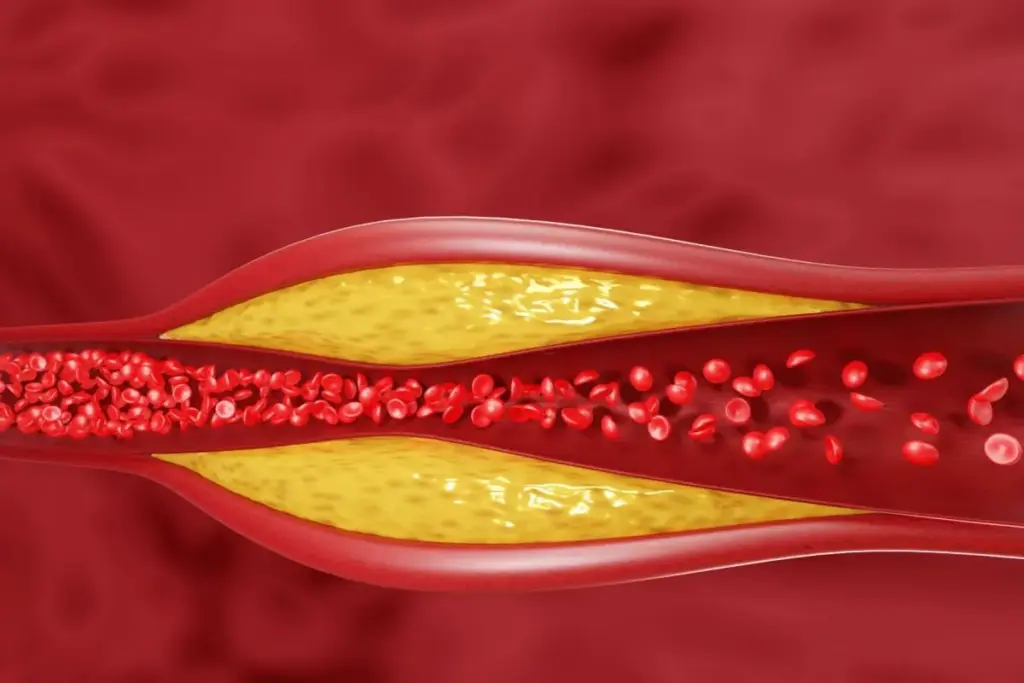
High cholesterol and hyperlipidemia come from genetics, lifestyle, and health issues. Knowing what causes them is key to managing and possibly fixing these problems.
Genetic Factors
Genetics are a big part of high cholesterol and hyperlipidemia. For example, familial hypercholesterolemia is passed down and can cause very high cholesterol. Genetics can also affect how we process fats, making some more likely to get these conditions.
Lifestyle Contributors
Lifestyle choices also play a big role. These include:
- Eating too much saturated fat and cholesterol
- Not being active enough
- Smoking
- Drinking too much alcohol
Medical Conditions That Elevate Lipid Levels
Some health issues can also raise lipid levels. These include:
- Diabetes
- Hypothyroidism
- Kidney disease
Medications That Affect Lipid Metabolism
Some medicines can change how our body handles fats, leading to hyperlipidemia. These include:
- Corticosteroids
- Certain beta-blockers
- Some diuretics
Understanding these causes is the first step to managing high cholesterol and hyperlipidemia. By tackling genetic, lifestyle, and health factors, people can improve their lipid health.
Recognizing Symptoms of High Cholesterol
High cholesterol is often called a “silent killer.” It doesn’t show symptoms until serious problems start. This condition, with too much cholesterol in the blood, can cause severe heart diseases if not treated.
The Silent Nature of Lipid Disorders
Lipid disorders, like high cholesterol, usually don’t show symptoms until they get worse. This is why regular health checks are key to catch and manage high cholesterol early.
Physical Signs That May Indicate Hyperlipidemia
High cholesterol itself doesn’t show symptoms, but some signs can hint at it. These include xanthomas (fatty spots under the skin), xanthelasma (yellow patches around the eyes), and corneal arcus (a white or gray ring around the cornea).
When to Seek Medical Attention
If you notice unusual symptoms or have risk factors for high cholesterol, see a doctor. This includes a family history, obesity, or eating too much saturated fat. Early detection through a lipid panel can help manage cholesterol and prevent problems.
Diagnosis of Lipid Disorders
Healthcare providers use a detailed lipid panel to diagnose lipid disorders. This test measures different lipids in the blood. It’s key for spotting risks and setting treatment plans.
Comprehensive Lipid Panel Testing
A blood test called a lipid panel checks levels of total cholesterol, LDL, HDL, and triglycerides. It gives a full picture of your lipid profile. This helps doctors see your risk for heart disease.
Lipid Profile Components:
- Total Cholesterol
- LDL Cholesterol
- HDL Cholesterol
- Triglycerides
Interpreting Your Lipid Profile Results
Understanding lipid profile results is important. Knowing normal ranges helps doctors see your heart health risk. High LDL cholesterol is bad, but high HDL is good.
Additional Diagnostic Tests
More tests might be needed to check heart risk or diagnose lipid disorders. These include tests for apolipoproteins and lipoprotein(a).
Frequency of Screening Recommendations
Lipid screening frequency depends on your risk factors and health guidelines. Adults usually get checked every 5 years. But, those with risk factors might need more tests.
Screening Frequency:
- Every 5 years for adults with normal risk factors
- More frequently for those with identified risk factors or previous lipid disorders
Health Risks Associated with Untreated Hyperlipidemia

Hyperlipidemia, if not treated, can cause serious health problems, like heart disease. It’s when there’s too much fat in the blood. Knowing these risks helps manage the condition better.
Cardiovascular Complications
Not treating hyperlipidemia raises the risk of heart problems. The main worries are:
- Heart Attacks: High LDL cholesterol can block arteries, leading to heart attacks.
- Strokes: Strokes can happen because of blood clots in the brain.
- Peripheral Artery Disease: Narrow arteries can cause pain and limit movement.
Non-Cardiac Health Consequences
Hyperlipidemia also affects other parts of the body. These include:
- Pancreatitis: Very high triglycerides can inflame the pancreas.
- Xanthomas: Fatty deposits under the skin can appear as yellow patches or nodules.
Long-term Prognosis Without Treatment
The outlook for untreated hyperlipidemia is not good. Without treatment, heart problems become more likely. Regular checks and treatment are key to avoiding these risks.
Knowing the risks of untreated hyperlipidemia helps people take action. They can manage their condition and lower the chance of serious problems.
Familial Hypercholesterolemia: A Critical Genetic Variant
Familial hypercholesterolemia is a hereditary condition with very high LDL cholesterol levels. It makes it hard for the body to remove LDL cholesterol. This can lead to heart disease early on if not treated.
Identifying Familial Hypercholesterolemia
To spot familial hypercholesterolemia, look at your and your family’s cholesterol and heart disease history. Physical signs like xanthomas (cholesterol deposits under the skin) can also hint at it.
Inheritance Patterns and Genetic Testing
Familial hypercholesterolemia follows an autosomal dominant pattern. This means just one gene mutation can cause the condition. Genetic testing looks for mutations in the LDLR, APOB, or PCSK9 genes, which are linked to it.
Special Treatment Considerations
Treating familial hypercholesterolemia needs a stronger approach than usual high cholesterol. This might include high statin doses, extra meds like ezetimibe, and sometimes LDL apheresis to cut LDL levels.
Importance of Early Detection
Early detection is key to managing familial hypercholesterolemia well. Starting treatment early in life can greatly lower heart disease risks. Kids with a family history should get screened early for timely treatment.
Knowing about familial hypercholesterolemia helps people manage their condition. It’s a step towards lowering heart disease risks.
Treatment Approaches for Hyperlipidemia
Hyperlipidemia treatment involves lifestyle changes, medications, and new therapies. The aim is to control lipid levels and lower heart disease risk.
Lifestyle Modifications as First-Line Treatment
First, we focus on lifestyle changes. This means eating healthy, being active, staying at a good weight, and not smoking. Dietary changes cut down on bad fats and cholesterol. Instead, we increase fiber.
The DASH diet and Mediterranean diet are good for the heart. They help keep cholesterol levels in check.
Exercise is key. Activities like walking, cycling, or swimming boost good cholesterol. The American Heart Association suggests 150 minutes of moderate exercise weekly.
Medication Options and Their Mechanisms
Medications are used when lifestyle changes aren’t enough. Statins, bile acid sequestrants, and others are common. Statins block cholesterol production in the liver.
PCSK9 inhibitors are newer. They lower LDL cholesterol by targeting PCSK9. They’re for those with high cholesterol or at high heart disease risk.
Novel Therapies in Development
New treatments for hyperlipidemia are being researched. This includes therapies for genetic high cholesterol. RNA-based therapies are one area of focus.
Treatment Goals and Monitoring
The main goal is to prevent heart disease. Treatment plans are based on risk factors. Regular lipid profile checks are key to adjusting treatments.
The key to successful hyperlipidemia management is a tailored approach that considers the individual’s overall cardiovascular risk, lifestyle, and preferences.
Combining lifestyle changes, medications, and new therapies helps manage hyperlipidemia. This approach significantly lowers heart disease risk.
Dietary Strategies to Manage Lipid Levels
Following a heart-healthy diet is key to managing lipid levels and cutting down on heart disease risk. A good diet can lower bad cholesterol and triglycerides. It can also keep or boost good cholesterol levels.
Heart-Healthy Eating Patterns
A heart-healthy diet focuses on fruits, vegetables, whole grains, and lean proteins. These foods are full of nutrients, fiber, and healthy fats. They help keep your heart healthy. The Mediterranean diet is a great example of such a diet, known for improving lipid levels.
Foods to Emphasize and Limit
To effectively manage lipid levels, knowing which foods to eat more of and which to limit is important.
- Emphasize: Fruits, vegetables, whole grains, lean proteins, and healthy fats like those in nuts, seeds, and avocados.
- Limit: Saturated and trans fats in red meat, full-fat dairy, and processed snacks.
Supplements That May Help
While changing your diet is essential, some supplements can also help manage lipids. Omega-3 fatty acids, plant sterols, and soluble fiber supplements are beneficial. But, always talk to a healthcare provider before starting any supplements.
Working with a Dietitian
A registered dietitian can offer personalized advice on a heart-healthy diet. They can create a meal plan that fits your nutritional needs, lifestyle, and health goals.
Exercise and Physical Activity for Lipid Management
Exercise is key to bettering lipid profiles and heart health. Regular activity boosts HDL cholesterol and cuts down triglycerides. This helps manage lipids effectively.
Types of Exercise That Improve Lipid Profiles
Many exercises can help lipid levels. Aerobic exercises like brisk walking, cycling, and swimming are great. They raise HDL and lower triglycerides. Adding resistance training to your routine can also be beneficial.
- Brisk walking
- Cycling
- Swimming
- Resistance training
Creating an Effective Exercise Routine
To see real changes in lipid profiles, stick to a routine. Aim for 150 minutes of moderate-intensity aerobic exercise or 75 minutes of vigorous-intensity aerobic exercise weekly. Simple changes like taking stairs or a lunchtime walk can add up.
Monitoring Progress Through Regular Testing
Keep an eye on your lipid levels with regular tests. Work with your doctor to set up check-ups and tweak your workout plan as needed.
Combining Exercise with Other Interventions
For the best lipid management, mix exercise with a heart-healthy diet and weight management. This all-around approach can lead to bigger improvements in lipid profiles.
Conclusion
It’s important to know the difference between hyperlipidemia and high cholesterol. This knowledge helps in managing lipids effectively. It also lowers the risk of heart problems.
Managing lipids means making lifestyle changes and eating right. Sometimes, medication is needed too. A healthy lifestyle can greatly improve your lipid levels and overall health.
Keeping an eye on your lipid levels and adjusting treatments is key. Working with your doctor helps create a plan that’s right for you. This leads to a healthier life in the long run.
FAQ
What is hyperlipidemia?
Hyperlipidemia is when your blood has too much of certain fats. This includes cholesterol and triglycerides. It’s a term for different lipid disorders.
Is hyperlipidemia the same as high cholesterol?
No, they are not the same. High cholesterol is part of hyperlipidemia. But hyperlipidemia also deals with other fats, like triglycerides.
What are the symptoms of high cholesterol or hyperlipidemia?
High cholesterol and hyperlipidemia usually don’t show symptoms. But sometimes, you might see fatty deposits under your skin.
What causes hyperlipidemia?
Many things can cause hyperlipidemia. This includes your genes, lifestyle, and health. Diet, lack of exercise, being overweight, and some medicines are examples.
How is hyperlipidemia diagnosed?
Doctors use a lipid panel test to find hyperlipidemia. This test checks your total cholesterol, LDL, HDL, and triglycerides.
What is the difference between dyslipidemia and hyperlipidemia?
Dyslipidemia means your blood has abnormal fats. Hyperlipidemia means your blood has too much fat. They’re related but not the same.
Can hyperlipidemia be treated?
Yes, you can treat hyperlipidemia. Changing your diet and being more active helps. You can also take medicines and other treatments.
What is familial hypercholesterolemia?
Familial hypercholesterolemia is a genetic disorder. It causes very high LDL cholesterol. This can lead to heart disease early on.
How can I manage my lipid levels through diet?
Eating a heart-healthy diet is key. Focus on fruits, veggies, whole grains, lean proteins, and healthy fats. Try to avoid saturated and trans fats.
What role does exercise play in managing lipid levels?
Exercise is very important. It can raise your HDL cholesterol and lower your triglycerides and LDL. Do aerobic and strength training exercises regularly.
What are the health risks associated with untreated hyperlipidemia?
Untreated hyperlipidemia can cause serious heart problems. This includes atherosclerosis, heart disease, and stroke. It can also lead to other health issues.
Reference
National Center for Biotechnology Information. Evidence-Based Medical Insight. Retrieved from https://pubmed.ncbi.nlm.nih.gov/30586767/