It’s important to know the difference between hypothyroidism and hyperthyroidism if you’re feeling tired, gaining or losing weight, or feeling mood swings. These thyroid issues affect millions and can change how you feel and function. We’ll look at how these two conditions affect your energy and metabolism in different ways.
Getting a correct diagnosis is key to better health. At Hartford Healthcare, we stress the need for quick medical care and making informed choices.
Key Takeaways
- Thyroid disorders are common endocrine conditions affecting millions worldwide.
- Hypothyroidism and hyperthyroidism impact metabolism and energy in opposite ways.
- Accurate diagnosis is key for effective treatment and better health outcomes.
- Knowing the differences helps make better choices.
- Quick medical care can greatly improve life quality for those affected.
Understanding Thyroid Disorders and Their Impact
It’s important to know about thyroid disorders to stay healthy. These conditions affect our well-being a lot. The thyroid gland controls many body functions, and problems with it can cause big issues.
What Is the Thyroid Gland and Its Function?
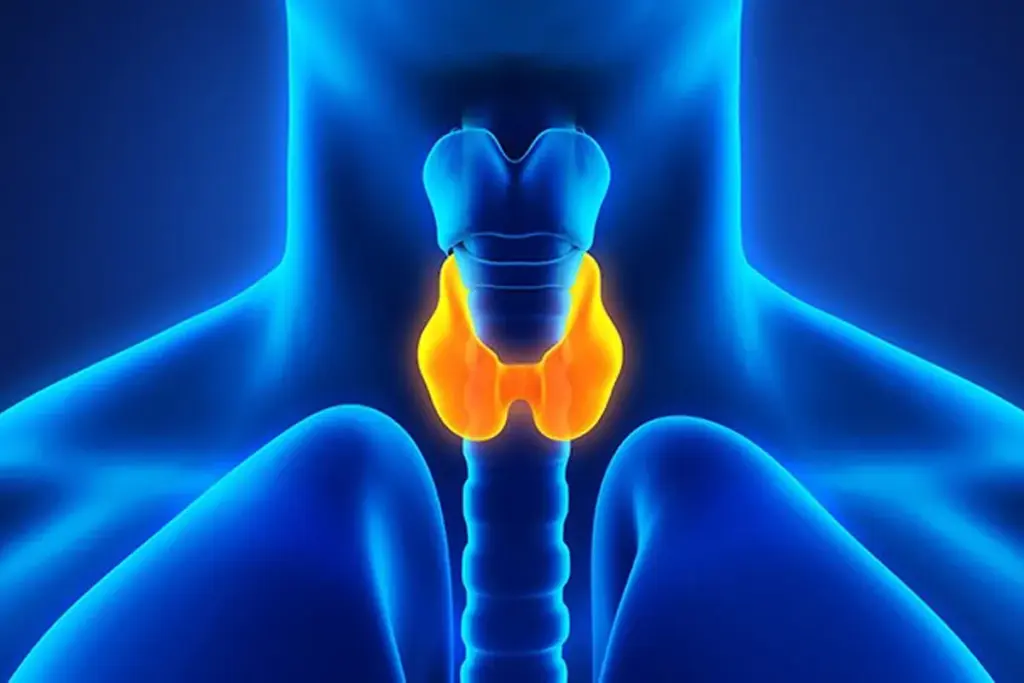
The thyroid gland is shaped like a butterfly and is in our neck. It makes hormones like triiodothyronine (T3) and thyroxine (T4). These hormones help our metabolism, energy levels, and other body functions. It’s key to our endocrine system and keeping our body balanced.
Prevalence of Thyroid Disorders in the United States
In the United States, thyroid problems like hypothyroidism and hyperthyroidism are common. Studies show they hit women more and get worse with age. Knowing who gets these problems helps us catch them early.
How These Conditions Affect Overall Health
Thyroid issues can really hurt our health. Hypothyroidism makes us tired, gain weight, and feel cold. Hyperthyroidism makes us lose weight, have a fast heart, and feel hot. Knowing these symptoms is key to getting the right treatment.
Hypothyroidism vs Hyperthyroidism: 7 Key Differences

Hypothyroidism and hyperthyroidism are two thyroid conditions with different needs. It’s important for patients and doctors to understand these differences. This helps in managing thyroid health better.
1. Hormone Production and Metabolic Rate
Hypothyroidism and hyperthyroidism differ in hormone production and metabolic rate. Hypothyroidism means the thyroid doesn’t make enough hormones, slowing down the metabolism. On the other hand, hyperthyroidism means too many hormones, speeding up the metabolism.
This difference affects the body in different ways. Hypothyroidism can cause weight gain because of a slower metabolism. Hyperthyroidism can lead to weight loss due to a faster metabolism.
2. Energy Levels and Fatigue Patterns
Energy levels and fatigue patterns differ between the two conditions. Hypothyroidism causes fatigue, weakness, and feeling drained. Hyperthyroidism can make you feel more energetic, restless, and anxious.
3. Temperature Sensitivity and Regulation
Temperature sensitivity is another key difference. People with hypothyroidism feel cold even in mild temperatures. Those with hyperthyroidism may feel too warm or sweaty.
4. Heart Rate and Cardiovascular Effects
The heart rate and cardiovascular effects also vary. Hypothyroidism can cause a slow heart rate, leading to poor circulation. Hyperthyroidism can cause a fast heart rate, leading to heart palpitations or more serious heart problems.
| Characteristics | Hypothyroidism | Hyperthyroidism |
| Hormone Production | Underproduction | Overproduction |
| Metabolic Rate | Decreased | Increased |
| Energy Levels | Fatigue, weakness | Increased energy, restlessness |
| Temperature Sensitivity | Cold intolerance | Heat intolerance |
| Heart Rate | Bradycardia (decreased heart rate) | Tachycardia (increased heart rate) |
Conclusion: Recognizing and Managing Thyroid Disorders
It’s key to know the difference between hypothyroidism and hyperthyroidism for good treatment. We’ve looked at how they affect hormone levels, metabolism, energy, and heart health.
Getting a correct diagnosis is the first step. Thyroid function tests help figure out if you have hypothyroidism or hyperthyroidism. Treatment plans vary, and talking to a doctor is vital for the right care.
Knowing the signs and understanding the differences helps people get the right medical help. We stress the need for accurate diagnosis and treatment to better manage these conditions and improve life quality.
Managing hyper v hypo thyroid conditions well needs a full approach. This includes making lifestyle changes and taking medication. We urge people to team up with their doctors to create a treatment plan that fits their needs.
FAQ
What is the main difference between hypothyroidism and hyperthyroidism?
Hypothyroidism means your thyroid doesn’t make enough hormones. Hyperthyroidism means it makes too much. This is the main difference.
How do hypothyroidism and hyperthyroidism affect energy levels?
Hypothyroidism makes you feel tired and weak. Hyperthyroidism makes you feel restless and energetic.
What are the cardiovascular effects of hypothyroidism and hyperthyroidism?
Hypothyroidism can slow your heart rate. Hyperthyroidism can make it race. Both can affect blood pressure and heart health.
How do temperature sensitivity and regulation differ between hypothyroidism and hyperthyroidism?
People with hypothyroidism feel cold. Those with hyperthyroidism feel hot and sweat a lot.
What are the symptoms of hypothyroidism and hyperthyroidism?
Hypothyroidism symptoms include feeling tired, gaining weight, and dry skin. Hyperthyroidism symptoms are losing weight, feeling anxious, and sweating a lot.
How are hypothyroidism and hyperthyroidism diagnosed?
Doctors use blood tests to check thyroid hormone levels. They look at TSH, T3, and T4.
What treatment options are available for hypothyroidism and hyperthyroidism?
Hypothyroidism is treated with hormone replacement. For hyperthyroidism, doctors might use medication, radioactive iodine, or surgery.
Can hypothyroidism and hyperthyroidism be managed effectively?
Yes, with the right treatment, both conditions can be managed well. This improves your quality of life and reduces risks.
What is the importance of understanding the differences between hypothyroidism and hyperthyroidism?
Knowing the differences helps you get the right care. It lets you make informed health choices and manage your condition well.
How do hypothyroidism and hyperthyroidism impact overall health?
Both conditions affect your metabolism, energy, and heart health. They can impact many areas of your health.
Are thyroid disorders more common in certain populations?
Yes, women and older people are more likely to have thyroid disorders. It’s important to be aware and get checked if you’re in these groups.
References:
National Center for Biotechnology Information. Evidence-Based Medical Guidance. Retrieved from https://pmc.ncbi.nlm.nih.gov/articles/PMC6619426/[7