

Addressing the concern, i can smell myself through my pants, and explaining common causes like sweat, bacteria, and fungal issues. Many women worry about bad vaginal smell, which can affect their daily life and confidence. A lot of women deal with unusual vaginal discharge or odor at some point, which can be really upsetting.
Talking about vaginal health might feel awkward, but it’s important to discuss it. Things like diet, how clean you are, and health issues can cause strong female odor. Sometimes, a vagina smells like poop because of bad bacteria or infections.
Knowing why your vagina smells is the first step to fixing it. We’ll look into why my crotch smells and give tips on keeping your vagina healthy.
Key Takeaways
- Unusual vaginal odor can be a sign of an underlying health issue.
- Diet and hygiene practices play a significant role in vaginal health.
- Bacterial imbalances can cause unpleasant vaginal odor.
- Good hygiene practices can help prevent unusual vaginal discharge.
- Understanding the causes is key to addressing vaginal odor effectively.
Understanding Body Odor: Causes and Factors
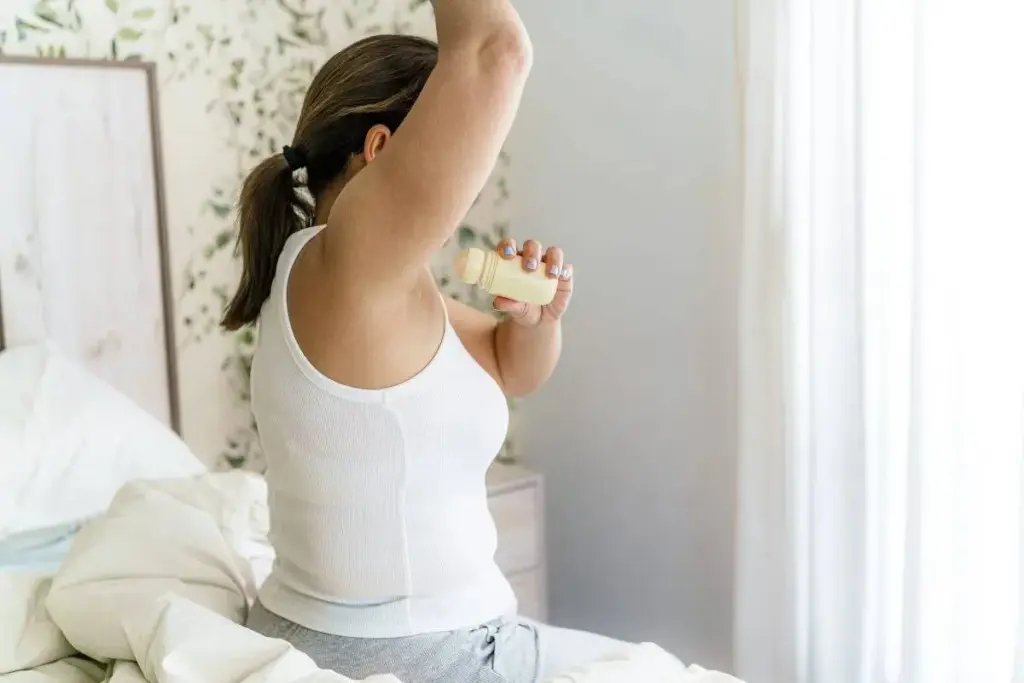
Body odor comes from many things, like what we eat and how we clean ourselves. It’s a complex issue. Knowing what affects it is key.
Common Contributors to Body Odor
Sweat is a big reason for body odor. Bacteria love sweat and make it smell. Stress, health issues, and genes also play a part.
“The relationship between sweat, bacteria, and body odor is complex. Knowing this helps manage it better.”
A Dermatologist
- Hormonal changes
- Medical conditions like hyperhidrosis
- Genetic factors
Role of Diet and Hydration
What we eat and drink affects our sweat smell. Spicy foods and caffeine can make it worse. But, drinking water helps dilute sweat and lessen its smell.
|
Food/Drink |
Effect on Body Odor |
|---|---|
|
Spicy Foods |
Can intensify body odor |
|
Caffeine |
Can increase sweat production |
|
Water |
Helps dilute sweat, reducing odor |
Impact of Hygiene Practices
Good hygiene is important for body odor. Showering or bathing often reduces bacteria. Using antiperspirants and deodorants helps control sweat and kill bacteria.
- Shower or bathe regularly
- Use antiperspirants or deodorants
- Wear clean clothes made of breathable fabrics
By knowing what causes body odor, we can take steps to manage it. This improves our daily lives.
Why Does Smell Intensify in Certain Situations?
[PLACE THE IMAGE HERE]
Body odor can change a lot based on different factors. Activities and environments can make our smell better or worse.
Physical Activity and Sweating
Working out makes our body odor worse. When we exercise, our body gets hotter and sweats more. Sweat itself doesn’t smell, but bacteria on our skin can make it stinky.
Wearing clothes that breathe and staying clean are key. Showering after working out and using antiperspirant or deodorant can help. This keeps sweat and bacteria down.
Some exercises, like intense workouts, make our sweat glands work harder. This sweat is perfect for bacteria to grow. Knowing this helps us find ways to fight odor.
Clothing Material and Fit
What we wear and how it fits affects our smell. Tight clothes trap sweat and bacteria, making smells worse. But, loose, breathable fabrics like cotton help keep us dry and reduce bacteria.
Synthetic fabrics can make us sweat more and irritate our skin. Natural fibers are better for controlling odor. Also, wearing clean clothes often helps prevent smells.
Environmental Influences
Heat and humidity can make our body odor worse. In hot, humid places, we sweat more, giving bacteria a perfect spot to grow. Drinking water and using products against sweat and odor can help.
Knowing how our environment affects us helps us fight odor. For example, using a clinical-strength antiperspirant in hot weather or during sweaty activities can help keep us smelling fresh.
The Science Behind Body Odor
Exploring the science of body odor shows us how complex it is. It’s not just about being dirty; it involves bacteria, sweat, and body functions.
Bacteria and Skin Interaction
The skin hosts many types of bacteria. When sweat meets these bacteria, it breaks down into smells. Apocrine glands in the armpits and genital area produce sweat rich in protein. This is perfect food for bacteria.
The mix of bacteria and sweat is key to understanding body odor. People have different bacteria on their skin, leading to different smells. For example, some women might notice a strong female odor due to hormones or skin bacteria.
Role of Apocrine Glands
Apocrine glands are important in making body odor. They produce a protein-rich sweat that bacteria love. When these glands are active, like during stress or hormonal shifts, they release more sweat. This can make body odor stronger.
Effects of Hormones
Hormones can change body odor a lot. Changes during puberty, menstruation, or menopause can make sweat better for bacteria. Hormonal imbalances can cause odd smells, like when the vagina smells like poop. This can be upsetting and might need medical help.
Knowing how body odor works can help us manage it better. By understanding what affects it, we can take steps to lessen its impact.
When Is It Normal to Smell?
It’s important to know that our body smell can change for many reasons. These include our genes, how clean we are, what we eat, and hormonal shifts. Knowing what’s normal helps us stay clean and feel good about ourselves.
Understanding Personal Odor Variability
Everyone’s body smell is different. This is because of our genes, what we eat, and how we take care of ourselves. For example, eating foods like garlic can make our smell change.
Also, changes in hormones, like during our period, can make our vaginal smell stronger. Some women might worry if they can smell their period through their clothes.
Natural Changes Across Different Life Stages
Our body smell can change a lot as we grow up. For example, when we hit puberty, our smell gets stronger because of new glands. And when we go through menopause, our smell can change again, sometimes making us feel like our vagina smells bad.
|
Life Stage |
Hormonal Changes |
Impact on Body Odor |
|---|---|---|
|
Puberty |
Increase in androgens |
Stronger body odor due to apocrine gland activation |
|
Menstruation |
Fluctuations in estrogen and progesterone |
Possible increase in vaginal odor |
|
Menopause |
Decrease in estrogen |
Changes in vaginal odor, potentially leading to dryness |
Knowing how our body smell changes as we grow up can help us manage it better. By understanding what’s normal and what’s not, we can stay healthy and feel confident.
Identifying Unusual Odors: When to Worry
Unusual or strong body odors can be more than just embarrassing. They can be a sign of an underlying condition that needs medical evaluation. While it’s normal to experience some body odor, certain types of smells can be indicative of health issues that need to be addressed.
Potential Health Issues Signaled by Odor
Certain health issues can manifest through changes in body odor. For instance, a strong, sweet odor might be associated with diabetes. A fishy smell could indicate a condition like trimethylaminuria. Understanding these connections is key for knowing when to visit a healthcare professional.
|
Condition |
Associated Odor |
Possible Cause |
|---|---|---|
|
Diabetes |
Sweet or fruity |
High blood sugar levels |
|
Trimethylaminuria |
Fishy |
Buildup of trimethylamine |
|
Kidney Disease |
Ammonia-like |
Buildup of waste products |
Understanding Infections and Conditions
If you’re experiencing persistent or unusual body odor, it’s essential to consider the possibility of underlying infections or medical conditions. For example, bacterial vaginosis can cause a fishy odor in women. Infections like urinary tract infections can result in strong-smelling urine. If you’re concerned about your body odor and its causes, consulting a healthcare professional can provide clarity and appropriate treatment.
We understand that discussing body odor can be sensitive. But it’s a critical aspect of maintaining your overall health. If you find that you’re experiencing unusual odors and are wondering “why do I stink” even after practicing good hygiene, it may be worth exploring possible underlying causes.
Clothing Choices and Their Impact on Odor
What we wear can either make body odor worse or better. The link between clothes and body odor is complex. It involves fabric type, fit, and hygiene.
Breathable Fabrics for Comfort and Freshness
Choosing the right fabric is key to managing body odor. Natural fibers like cotton, linen, and bamboo are highly breathable. They allow for better airflow and moisture wicking, keeping the skin dry and reducing bacteria.
Synthetic fibers like polyester and nylon trap sweat and heat. This creates a perfect environment for bacteria to grow.
A study found that wearing natural fibers can cut body odor by up to 20%. “The type of fabric you wear can significantly influence your body temperature and sweat evaporation, affecting how you smell,” says A dermatologist.
The Importance of Fit in Reducing Odor
The fit of our clothes is also vital in managing body odor. Tight-fitting clothes restrict airflow, leading to more sweat and heat retention. This promotes bacterial growth and worsens body odor.
Loose-fitting clothes, on the other hand, allow for better ventilation. They help keep the skin cooler and drier.
- Opt for loose-fitting clothes made from breathable materials to reduce sweat accumulation.
- Avoid tight clothing that can chafe and irritate the skin, potentially increasing sweat production.
- Consider layering clothing to adjust to changing temperatures and activities.
By choosing clothes wisely, we can greatly reduce body odor. It’s about finding a balance between style, comfort, and hygiene. The right fabric and fit are key to staying fresh all day.
Hygiene Practices to Reduce Odor
Good hygiene is key to avoiding unwanted body odor. Simple habits in your daily routine can greatly reduce bad smells.
Daily Cleansing Techniques
Showering or bathing daily is essential for body odor control. Focus on sweaty spots like armpits and groin. Warm water and mild soap remove bacteria and microorganisms that cause odor.
Exfoliating these areas gently removes dead skin cells that bacteria can hide in.
Tips for Effective Cleansing:
- Use an antibacterial soap to remove odor-causing bacteria.
- Dry yourself well, paying extra attention to skin folds where moisture can stay.
- Don’t forget the groin area, as it tends to hold moisture.
Use of Antiperspirants and Deodorants
Antiperspirants and deodorants are key in fighting body odor. Antiperspirants cut down sweat, reducing moisture for bacteria. Deodorants kill bacteria and hide any remaining smell.
Choosing the Right Product: Pick an antiperspirant or deodorant based on your skin and activity level. For example, active people might need a stronger antiperspirant. Those with sensitive skin should choose hypoallergenic or fragrance-free options.
Combining daily cleaning with the right antiperspirants and deodorants helps manage body odor. You’ll feel fresher all day.
How to Choose the Right Products
Finding the right personal care products can change your life if you struggle with body odor. With so many choices, picking the best one can feel like a big task.
For body odor, look for products that work well and are gentle. Choose items labeled as “hypoallergenic” or “fragrance-free.” These are less likely to upset your skin.
Personal Care Products That Work
There are many personal care items that can help with body odor. Antiperspirants and deodorants are top choices. Antiperspirants cut down sweat, and deodorants kill bacteria that cause smells.
- Clinical-strength antiperspirants for excessive sweating
- Natural deodorants for those who prefer fewer chemicals
- Antibacterial soaps to reduce bacteria on the skin
It’s key to think about what’s in these products. Some ingredients can make body odor worse by irritating your skin.
Avoiding Irritating Ingredients
Always check the ingredient labels when picking personal care items. Some ingredients can irritate your skin and make body odor worse. Common culprits include:
- Alcohol: Can dry out the skin, potentially causing irritation.
- Artificial fragrances: May cause allergic reactions or skin irritation.
- Parabens: Some individuals may be sensitive to parabens, which are used as preservatives.
Choosing products with natural ingredients or those safe for sensitive skin can help avoid irritation.
|
Product Type |
Key Ingredients to Look For |
Benefits |
|---|---|---|
|
Antiperspirants |
Aluminum chloride, zinc oxide |
Reduces sweat, antibacterial properties |
|
Deodorants |
Tea tree oil, lavender oil |
Natural antibacterial properties, soothing |
|
Soaps/Cleansers |
Charcoal, aloe vera |
Detoxifying, soothing and moisturizing |
By picking the right products and watching out for ingredients, you can manage body odor better. This can make you feel more confident every day.
Addressing Stigma Around Body Odor
Body odor is a normal part of being human. Yet, it’s often shrouded in shame and secrecy. We must tackle this stigma to foster a supportive space for talking about personal hygiene.
Cultural Perceptions
Views on body odor differ greatly across cultures. In some places, body odor is seen as natural, while others find it distasteful. Grasping these cultural views can help us understand our own feelings better.
In some cultures, using fragrances is common to hide body odor. This shows a preference for scented bodies. On the other hand, other cultures value natural scents, embracing body odor more.
|
Culture |
Attitude Towards Body Odor |
Common Practices |
|---|---|---|
|
Western Cultures |
Generally negative, associating body odor with poor hygiene |
Frequent use of deodorants, antiperspirants, and perfumes |
|
Some African Cultures |
More accepting, viewing certain body odors as natural |
Use of natural remedies and traditional practices to manage body odor |
|
Asian Cultures |
Varies, with some cultures being very sensitive to smells |
Use of advanced personal hygiene products and traditional herbal remedies |
Open Conversations About Personal Hygiene
Talking openly about personal hygiene can help reduce body odor stigma. By sharing our experiences and worries, we build a supportive community.
It’s key to have these talks with empathy and without judgment. Body odor affects everyone, so educating ourselves and others is vital.
By encouraging openness and understanding, we can eliminate body odor stigma. This makes it simpler for people to talk about their issues and get help when needed.
Conclusion: Embracing Personal Care
Keeping yourself clean is key for your health and happiness. Knowing why you smell can help you fix the problem. If you smell even after washing, look at your daily habits and what you use.
Effective Self-Care Routines
Having a regular self-care routine helps a lot. This means staying clean, wearing clothes that breathe, and choosing the right products. If you smell even after washing, you might need to change how you clean or what you use.
Strategies for Long-Term Freshness
To stay fresh all day, drink water, wear loose clothes, and use deodorants. These habits help avoid bad smells and boost your confidence. So, if you wonder why you smell, check your care routine and make some easy changes for lasting freshness.
FAQ
Why does my body smell when I open my legs?
Body odor in the genital area can come from many things. These include poor hygiene, certain foods, dehydration, and bacteria. We’ll dive into these reasons to help you understand and tackle the problem.
How does diet affect body odor?
Some foods can make sweat smell worse. For example, eating spicy or strong-smelling foods can make body odor stronger. Also, a diet lacking essential nutrients can affect how you smell.
Why do my balls smell?
The genital area is often sweaty and moist. This creates a perfect spot for bacteria to grow, leading to bad smells. Poor hygiene, tight clothes, and some health issues can also play a part.
Can dehydration affect body odor?
Yes, dehydration can make sweat smell worse. Drinking enough water helps your body regulate its temperature and reduce sweat concentration.
How can I prevent body odor when I exercise?
Keeping clean, wearing breathable clothes, and using antiperspirants or deodorants can help. These steps can reduce body odor during workouts.
Why does my vagina smell like poop?
Unusual vaginal odors can be due to infections, poor hygiene, or health issues. If you’re worried about a strong or bad smell, see a healthcare professional for advice.
How do hormonal changes affect body odor?
Hormonal shifts during life stages, like menstruation or menopause, can change how you smell. Knowing these changes can help you manage your body odor better.
What clothing choices can help reduce body odor?
Wearing breathable fabrics like cotton and loose clothes can help. Avoiding tight or synthetic clothes also helps reduce sweat and odor.
How can I choose the right personal care products for body odor?
Pick products that fit your skin type and needs. Look for “antiperspirant” or “deodorant” labels. Be careful of ingredients that might irritate your skin.
Why does my crotch smell even after washing?
If your genital area smells after washing, it might be from not rinsing well, using the wrong soap, or a health issue. Good hygiene and seeing a healthcare professional if it doesn’t get better can help.
Can certain medical conditions cause unusual body odor?
Yes, some infections or health conditions can lead to unusual or strong smells. If you’re worried about your body odor, it’s important to talk to a healthcare professional to check for any health problems.
How can I reduce strong female odor?
Good hygiene, breathable clothes, and the right personal care products can help. Understanding why you smell and taking steps to prevent it can make a big difference.
Is it normal to smell my period through my pants?
Menstrual odor is common. Using sanitary products, practicing good hygiene, and changing them often can help. If you’re concerned, talking to a healthcare professional for advice is a good idea.
Why do my testicles smell?
The genital area is often sweaty, and bacteria can cause bad smells. Good hygiene, breathable clothes, and the right personal care products can help.
How can I prevent smelly testicles?
Good hygiene, wearing loose clothes, and using antiperspirants or deodorants can help. Understanding and addressing the causes of body odor can make a big difference.
References
National Center for Biotechnology Information. Evidence-Based Medical Insight. Retrieved from https://pubmed.ncbi.nlm.nih.gov/21964208/



 Departments
 Related Videos
 Our Doctors
 News
News