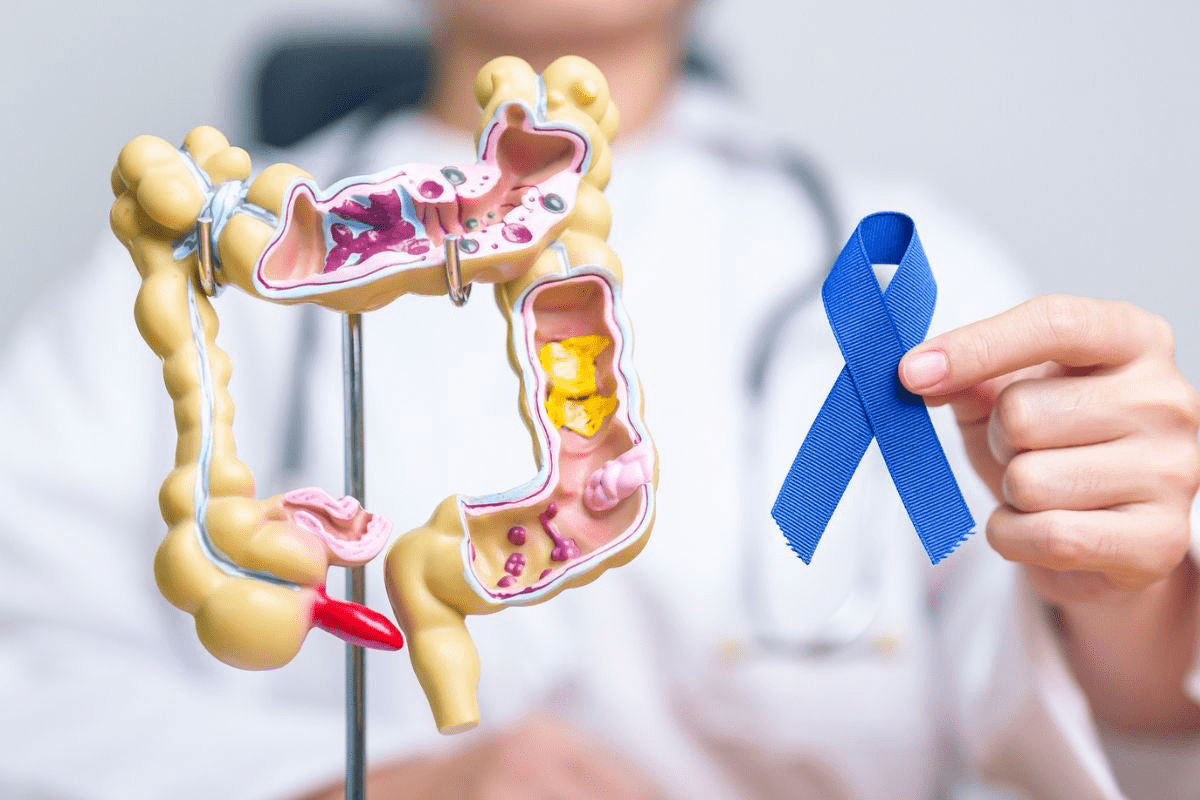
Irritable Bowel Syndrome (IBS) is a common problem in the world. At the Gastro, Liver & Endoscopy Center, Medical Expert. They often ask if a colonoscopy can confirm IBS. Will an IBS colonoscopy find IBS? This guide gives the surprising facts. Learn what a colonoscopy can find and how IBS is diagnosed.
IBS doesn’t show up as a problem in the colon. Colonoscopies are great for finding structural issues, cancer, and inflammation. But they’re not the best for diagnosing IBS.
It’s important to know what a colonoscopy can and can’t do for IBS. We’ll look at what it can show and what it can’t. This helps both patients and doctors understand its role in diagnosing IBS.
Key Takeaways
- IBS is a functional gastrointestinal disorder without visible structural abnormalities.
- Colonoscopy is not a definitive diagnostic tool for IBS.
- Expert gastroenterologists can guide patients through the diagnostic process.
- A colonoscopy can help rule out other gastrointestinal conditions.
- Understanding the limitations of colonoscopy is key for accurate diagnosis.
Understanding Irritable Bowel Syndrome (IBS)
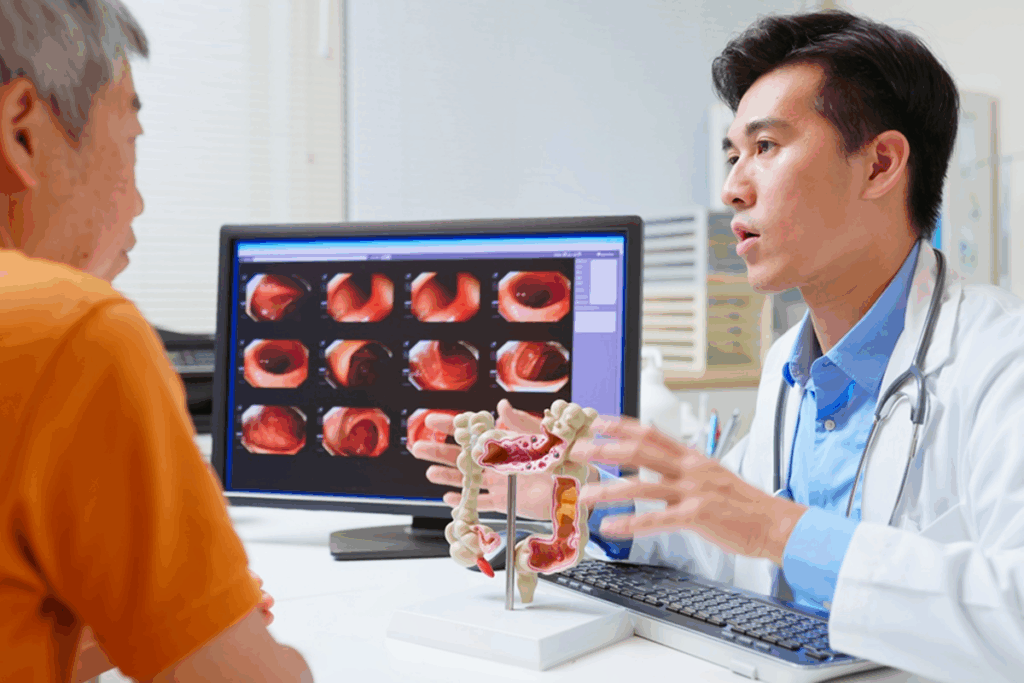
To understand IBS, we need to know its definition, how common it is, and its symptoms. IBS is a condition that affects how the gut works. It doesn’t cause structural damage or visible inflammation.
What is IBS?
Irritable Bowel Syndrome (IBS) is a condition with symptoms like abdominal pain, bloating, and changes in bowel movements. It’s a long-term condition that needs ongoing management.
Key characteristics of IBS include:
- Recurring abdominal pain
- Bloating and gas
- Altered bowel habits (constipation, diarrhea, or both)
- A feeling of incomplete bowel evacuation
Prevalence and Global Impact
IBS is a big health issue worldwide, affecting many people. The number of people with IBS varies by place, depending on how it’s diagnosed.
The global impact of IBS is significant. It affects healthcare, work, and quality of life. About 10% to 15% of adults in developed countries have IBS.
Region | Estimated Prevalence |
North America | 10-15% |
Europe | 7-12% |
Asia | 5-10% |
Common Symptoms and Warning Signs
IBS symptoms can differ from person to person. Common ones include abdominal cramping, bloating, gas, and changes in bowel habits. Warning signs that might mean you need to see a doctor include:
- Severe abdominal pain
- Blood in the stool
- Unexplained weight loss
- Symptoms that get worse over time
Knowing these symptoms and their meanings is key to managing IBS well. By understanding IBS’s complexity and its effects, doctors can give better care.
How IBS Differs from Other Digestive Conditions

It’s important to know how IBS is different from other stomach problems. IBS and other digestive issues share some symptoms. But, IBS has its own causes and signs.
IBS vs. Inflammatory Bowel Disease (IBD)
When diagnosing IBS, it’s key to tell it apart from Inflammatory Bowel Disease (IBD). IBS doesn’t cause visible inflammation or damage to the digestive tract.
IBD, on the other hand, causes chronic inflammation and damage. This leads to severe diarrhea, pain, and weight loss. IBS, being a functional disorder, doesn’t have these structural issues.
IBS vs. Celiac Disease
Celiac Disease is often mixed up with IBS. It’s an autoimmune disorder that reacts to gluten. Celiac Disease is diagnosed with blood tests and intestinal biopsy, showing damage to the small intestine.
IBS, without a specific test, is diagnosed by symptoms and ruling out other conditions. Celiac Disease needs a gluten-free diet. IBS management includes diet changes, stress control, and more.
IBS vs. Colorectal Cancer
Colorectal Cancer is a worry for those with bowel changes or pain. Unlike IBS, Colorectal Cancer involves malignant tumors in the colon or rectum. IBS can be uncomfortable but doesn’t lead to cancer.
Functional vs. Structural Disorders
Knowing the difference between functional and structural disorders helps understand IBS. IBS is a functional disorder. It affects gut function without visible changes.
Condition | Type | Characteristics |
IBS | Functional Disorder | No visible structural changes, symptoms based on gut function |
IBD (Crohn’s, Ulcerative Colitis) | Structural Disorder | Visible inflammation, structural damage to the GI tract |
Celiac Disease | Autoimmune Disorder | Immune reaction to gluten, damage to the small intestine |
Colorectal Cancer | Malignant Tumor | Growth of cancerous tumors in the colon or rectum |
The IBS Colonoscopy Relationship: Can It Detect IBS?
Many people wonder if a colonoscopy can find irritable bowel syndrome (IBS). IBS is a condition that causes chronic pain and changes in bowel habits. But, it doesn’t show up on a colonoscopy because there are no visible changes in the gut.
What Colonoscopies Can and Cannot Detect
A colonoscopy is great for finding things like cancer and inflammatory diseases. But, IBS doesn’t cause visible changes in the intestinal tissue. So, it can’t be found with this test.
During a colonoscopy, doctors can see:
- Polyps and tumors
- Inflammation and ulcers
- Bleeding sites
- Diverticula
But, it can’t find functional disorders like IBS because they don’t show up as abnormalities.
Why IBS Doesn’t Show Up During a Colonoscopy
IBS is a syndrome, not a disease. It’s identified by symptoms, not a specific cause. It’s thought to involve muscle issues, sensitivity, and changes in gut bacteria.
Because IBS doesn’t change the colon or rectum, a colonoscopy won’t find it. A doctor explained, “A colonoscopy is not for diagnosing IBS. It’s to rule out other conditions that might cause similar symptoms.”
“The diagnosis of IBS is based on symptoms and the exclusion of other disorders. A colonoscopy can help rule out other conditions, but it won’t show IBS.”
Expert Opinion
What Normal Tissue Looks Like in IBS Patients
In IBS patients, the colon and rectum look normal during a colonoscopy. There’s no inflammation, ulcers, or other signs of disease.
The normal look of the gut lining in IBS patients shows why other tests are needed. The Rome Criteria focus on symptoms like pain and bowel changes.
It’s important to know that a normal colonoscopy doesn’t mean IBS isn’t there. A full diagnosis needs to look at the whole picture of the patient’s health.
The Diagnostic Process for IBS
To understand IBS diagnosis, we need to look at several key factors. Diagnosing Irritable Bowel Syndrome (IBS) is a detailed process. It includes checking various criteria and assessments.
Rome Criteria Explained
The Rome IV criteria are a key standard for diagnosing IBS. These criteria look for recurrent abdominal pain. This pain must happen at least one day a week for three months.
It should also be linked to two or more of the following:
- related to defecation
- associated with a change in frequency of stool
- associated with a change in form (appearance) of stool
The Rome IV criteria help doctors diagnose IBS based on symptoms.
Medical History and Symptom Assessment
A detailed medical history is key in diagnosing IBS. Doctors look at the patient’s symptoms. This includes the type and duration of abdominal pain and changes in bowel habits.
Symptom assessment helps understand how severe IBS is and its impact on the patient’s life.
Physical Examination
A physical exam is done to rule out other conditions that might cause similar symptoms. This exam may include checking the abdomen for tenderness.
Exclusion-Based Diagnosis Approach
Diagnosing IBS often means ruling out other gastrointestinal disorders. This includes tests like blood work, stool tests, and sometimes a colonoscopy.
This approach makes sure other serious conditions, like inflammatory bowel disease or colorectal cancer, are not missed.
By using the Rome criteria, a detailed medical history, symptom assessment, and physical exam, doctors can accurately diagnose IBS. They can then create a treatment plan.
When Doctors Recommend Colonoscopies for Suspected IBS Patients
Doctors look at colonoscopies for certain reasons when checking patients with suspected IBS. A colonoscopy lets doctors see inside the colon for any problems. It’s not for IBS itself, but to check for other issues that might cause similar symptoms.
Age-Related Considerations
Age plays a big role in deciding if a colonoscopy is needed for IBS patients. For those over 45 years old, a colonoscopy is often suggested to check for colorectal cancer. Medical Expert 45 should get a colonoscopy because they’re at a higher risk for colorectal cancer.
Red Flag Symptoms That Warrant Investigation
Some symptoms, called “red flags,” make doctors think about a colonoscopy. These include unexplained weight loss, rectal bleeding, severe abdominal pain, and changes in bowel habits. If someone with suspected IBS has these symptoms, a colonoscopy can find problems like inflammatory bowel disease (IBD) or colorectal cancer.
Family History Factors
A family history of colon cancer or IBD is also important. If a patient has a first-degree relative (parent, sibling, or child) with these conditions, they might need a colonoscopy. This is because they’re at higher risk and can catch problems early.
Recent Changes in Bowel Habits
Changes in bowel habits, like persistent diarrhea or constipation, can also lead to a colonoscopy. These symptoms are common in IBS but can also mean other issues. A colonoscopy can help find what’s causing these changes.
Conditions a Colonoscopy Can Rule Out
A colonoscopy is a key tool for diagnosing several serious conditions. It can’t diagnose IBS directly, but it’s vital for finding other causes of stomach problems.
Inflammatory Bowel Disease (Crohn’s and Ulcerative Colitis)
Colonoscopies are great for spotting Inflammatory Bowel Disease (IBD), which includes Crohn’s and ulcerative colitis. IBD causes long-term inflammation in the gut, leading to pain, diarrhea, and weight loss. Doctors can see inflammation, ulcers, and other signs of IBD during a colonoscopy.
“The ability to directly visualize the mucosa of the colon and rectum makes colonoscopy an invaluable tool in diagnosing IBD,” says Medical Expert, a gastroenterologist. They can also take biopsies to confirm the diagnosis.
Colorectal Cancer and Polyps
Colonoscopies are also key in finding colorectal cancer. This cancer often starts from polyps in the colon or rectum. Not all polyps are cancerous, but some, like adenomatous polyps, can become cancerous. A colonoscopy can spot and remove these polyps before they turn into cancer.
The American Cancer Society stresses the need for colorectal cancer screening. They say,
“Regular screening can prevent colorectal cancer by finding and removing polyps before they become cancerous.”
Diverticular Disease
Diverticular disease can also be diagnosed with a colonoscopy. It happens when small pouches (diverticula) form in the digestive tract. Diverticula can cause pain, changes in bowel habits, and bleeding. A colonoscopy can spot diverticula and check their severity.
Microscopic Colitis
Microscopic colitis is a type of colon inflammation that needs a microscope to diagnose. A colonoscopy might not show obvious signs, but biopsies can confirm it. This condition causes chronic watery diarrhea, mostly in older adults.
In summary, a colonoscopy can’t diagnose IBS but is essential for ruling out other serious conditions. It helps patients and doctors make better decisions about treatment by identifying what it can detect.
What to Expect During an IBS Colonoscopy Procedure
Knowing what to expect during a colonoscopy can help reduce anxiety for IBS patients. We’ll walk you through the prep, the procedure, and recovery. This way, you’ll be informed every step of the way.
Preparation Process and Dietary Restrictions
Preparation is key before a colonoscopy. You’ll need to change your diet and cleanse your bowel. For a few days before, eat low-fiber foods to clear your colon. The day before, you’ll drink a liquid solution to clean your bowel.
Dietary Restrictions | Recommended Foods | Foods to Avoid |
3 days before colonoscopy | Low-fiber foods like white bread, pasta, and cooked vegetables | High-fiber foods like nuts, seeds, and raw vegetables |
1 day before colonoscopy | Clear liquids like broth, clear juice, and plain water | Solid foods, dairy products, and colored liquids |
The Procedure Experience and Sedation
During the colonoscopy, you’ll get sedation to relax and reduce discomfort. You’ll be in a calm state but can respond to commands. The whole procedure usually takes 30-60 minutes.
Recovery and Follow-up Care
After the procedure, you’ll go to a recovery area for monitoring. Sedation effects last a few hours, so have someone drive you home. You might feel bloated or gassy, but these symptoms go away quickly.
Potential Complications and Risks
Colonoscopy is usually safe, but there are risks. These include bleeding, colon perforation, and sedation reactions. Though rare, knowing these risks is important.
Alternative Diagnostic Tests for IBS
Colonoscopy is just one part of diagnosing IBS. Other tests also play a key role. IBS diagnosis often combines clinical evaluation with various tests.
Blood Tests and Biomarkers
Blood tests help rule out other conditions that might cause IBS-like symptoms. They check for inflammation in the body. Even though there’s no specific biomarker for IBS, these tests can spot other possible causes.
Healthcare providers might also test for lactose intolerance or fructose malabsorption. These conditions can cause similar symptoms to IBS.
Stool Tests and Calprotectin
Stool tests check for infections, inflammation, or other issues in the gut. Calprotectin in stool indicates bowel inflammation. High levels suggest conditions like IBD, not IBS.
Stool tests can also find gastrointestinal infections or malabsorption problems. These might be causing symptoms.
Breath Tests for SIBO and Carbohydrate Malabsorption
Breath tests diagnose conditions like SIBO or carbohydrate malabsorption. These tests measure gases in the breath from gut bacteria.
SIBO happens when bacteria grow too much in the small intestine. It causes bloating, pain, and bowel changes. Breath tests can find this and guide treatment.
Imaging Studies and Their Limitations
Imaging studies like CT scans or MRI aren’t used for IBS diagnosis. But they can rule out other conditions. These tests find structural problems, inflammation, or other issues in the gut.
Imaging studies have limits in diagnosing IBS. Yet, they’re useful in excluding other causes. This helps doctors make a more accurate diagnosis.
Current Medical Guidelines on IBS Diagnosis
Medical guidelines are key in diagnosing Irritable Bowel Syndrome (IBS) accurately. These guidelines are based on the latest research and clinical evidence. They help healthcare professionals diagnose and manage IBS well.
NICE Guidelines and Recommendations
The National Institute for Health and Care Excellence (NICE) has detailed guidelines for IBS diagnosis and management. NICE says diagnosing IBS involves assessing symptoms and ruling out other conditions. NICE suggests diagnosing IBS based on clinical evaluation, not just excluding other diseases.
NICE guidelines highlight the need for a detailed clinical history and symptom assessment. They also mention alarm features that might point to other conditions needing further check-ups.
American College of Gastroenterology Approach
The American College of Gastroenterology (ACG) has its own guidelines for IBS diagnosis and management. The ACG uses the Rome criteria for diagnosing IBS, focusing on abdominal pain and bowel movement changes. The Rome criteria are widely accepted and used in clinical practice to standardize the diagnosis of IBS.
The ACG guidelines also talk about the role of diagnostic tests in excluding other conditions that might mimic IBS symptoms. They suggest using diagnostic tests wisely, based on clinical judgment and patient presentation.
International Consensus on Diagnostic Approaches
There’s a global agreement on diagnosing IBS, focusing on symptom-based diagnosis supported by clinical evaluation. The use of symptom-based criteria, like the Rome criteria, is accepted worldwide. International guidelines also emphasize a patient-centered approach, considering how IBS affects the patient’s quality of life.
When to Seek a Second Opinion
While primary care physicians can handle initial diagnosis and management, there are times when a specialist’s opinion is needed. If the diagnosis is unclear, or if symptoms don’t improve with initial treatment, getting a second opinion from a gastroenterologist can offer more guidance and management strategies.
Also, patients with alarm symptoms or a family history of gastrointestinal diseases might benefit from a specialist’s evaluation. This helps rule out other serious conditions.
Common Misconceptions About IBS and Colonoscopies
Many people have wrong ideas about IBS and colonoscopies. These myths can cause confusion and worry. We want to clear up these misunderstandings to help those dealing with these topics.
Myth: IBS Can Be Seen During a Colonoscopy
One big myth is that a colonoscopy can show IBS. But IBS is a problem with how the bowel works, not something you can see. Colonoscopies are for finding things like polyps or cancer, not for diagnosing IBS.
Myth: All Digestive Issues Require a Colonoscopy
Not every stomach problem needs a colonoscopy. While they’re great for some issues, they’re not the first step for all symptoms. For example, IBS symptoms like pain and changes in bowel habits are checked first, not with a colonoscopy.
Myth: Normal Colonoscopy Means No Digestive Problems
A normal colonoscopy doesn’t mean you’re okay. Many problems, like IBS, don’t show up on a colonoscopy. Doctors diagnose IBS based on symptoms and medical history, not just a colonoscopy.
Myth: IBS Is Just Stress or Anxiety
Stress and anxiety can make IBS worse, but they’re not the main cause. IBS is a complex issue with many factors, like how the gut works and the brain-gut connection. It’s a real condition that needs a full treatment plan, not just stress relief.
By tackling these myths, we can better understand IBS and colonoscopies. This will help improve care and results for patients.
Conclusion: Navigating IBS Diagnosis and Treatment Options
Understanding Irritable Bowel Syndrome (IBS) is key to managing it well. We’ve seen how IBS is different from other digestive issues. A colonoscopy is important for ruling out other conditions that might cause similar symptoms.
Diagnosing IBS involves looking at your medical history and symptoms. The Rome criteria are used to make a diagnosis. Treatment focuses on managing symptoms through diet, lifestyle changes, and medication.
It’s important for patients to know about IBS diagnosis and treatment. Working with your healthcare provider is essential. This way, you can create a treatment plan that works for you. Treating IBS effectively means addressing both physical and emotional aspects of the condition.
FAQ
Can a colonoscopy detect irritable bowel syndrome (IBS)?
No, a colonoscopy can’t find IBS. IBS is a condition without visible changes, so it won’t show up on a colonoscopy. But, it can help rule out other conditions that might cause similar symptoms.
What is the purpose of a colonoscopy in IBS diagnosis?
A colonoscopy helps to check for other conditions that might cause symptoms like IBS. This includes diseases like inflammatory bowel disease or colorectal cancer.
What are the Rome criteria, and how are they used in IBS diagnosis?
The Rome criteria are used to diagnose functional gastrointestinal disorders, like IBS. They look at symptoms such as abdominal pain, changes in bowel habits, and other gastrointestinal issues.
Can IBS be diagnosed with a colonoscopy?
No, a colonoscopy can’t diagnose IBS. IBS is diagnosed by looking at medical history, symptoms, physical exams, and ruling out other conditions.
What alternative diagnostic tests are used for IBS?
Tests for IBS include blood tests, stool tests, and breath tests for SIBO and malabsorption. Imaging studies are also used. These tests help find other conditions and identify what might be causing symptoms.
When is a colonoscopy recommended for patients with suspected IBS?
A colonoscopy is suggested for suspected IBS if there are red flag symptoms, a family history of GI diseases, or recent changes in bowel habits. This is more common in older patients.
Can a colonoscopy detect inflammatory bowel disease (IBD)?
Yes, a colonoscopy can find IBD, like Crohn’s disease and ulcerative colitis. It looks for inflammation and structural changes in the colon.
What does normal tissue look like in IBS patients during a colonoscopy?
In IBS patients, the colon and rectum look normal during a colonoscopy. There are no signs of inflammation, ulcers, or other structural problems.
Are there any possible complications or risks with a colonoscopy?
Yes, risks with a colonoscopy include bleeding, perforation, and reactions to sedation. But, these are rare when done by experienced professionals.
How can I prepare for a colonoscopy?
To get ready for a colonoscopy, follow your doctor’s diet and prep instructions. This usually means a clear liquid diet and bowel cleansing meds.
What are the current medical guidelines for IBS diagnosis?
Current guidelines for IBS diagnosis include the NICE guidelines and the American College of Gastroenterology approach. They focus on a detailed diagnostic process and ruling out other conditions.
References:
National Center for Biotechnology Information. Evidence-Based Medical Guidance. Retrieved from https://pmc.ncbi.nlm.nih.gov/articles/PMC11309822