

Accurate diagnosis is key for eye care professionals. Proper coding for glaucoma suspects helps in giving the best care. The ICD-10-CM Official Guidelines for Coding and Reporting FY 2026 say to use H40.0 for glaucoma suspect cases.
This guide will cover ICD-10 codes for glaucoma suspects. We’ll look at the main code and its subcategories. Knowing these codes is vital for treating patients at risk of glaucoma but not yet diagnosed.
Key Takeaways
- ICD-10 code H40.0 is used for glaucoma suspect cases.
- Accurate coding ensures optimal patient care and medical record accuracy.
- Proper classification is key for patients at risk of glaucoma.
- Understanding subcategories of the primary code is essential for treatment.
- ICD-10 codes provide essential classification for patients without a definitive glaucoma diagnosis.
Understanding Glaucoma Suspect Classification and the H40.0 Code System
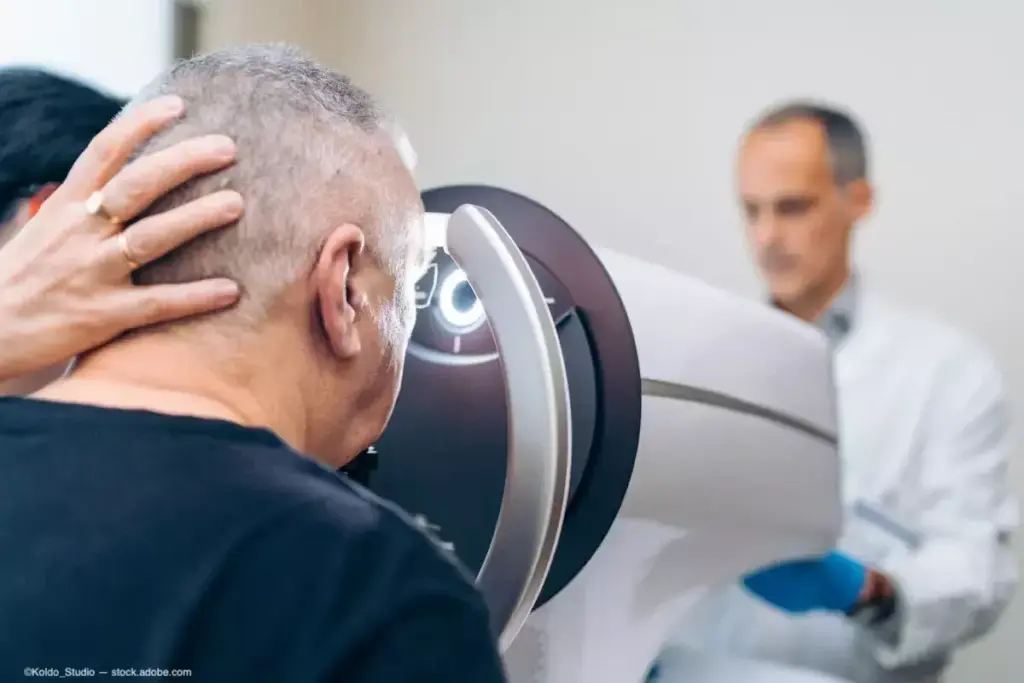
The H40.0 code system is key in classifying glaucoma suspect conditions. It’s vital for diagnosing and managing patients at risk of glaucoma.
Defining Glaucoma Suspect in Medical Coding
A glaucoma suspect shows signs or risk factors for glaucoma but hasn’t been officially diagnosed. The ICD-10-CM code H40.0 covers glaucoma suspect conditions. It has subcategories that need more detail.
“Accurate coding for glaucoma suspect is not just about assigning a code; it’s about understanding the nuances of the condition and the patient’s specific situation,” as emphasized by medical coding experts.
Risk Factors and Clinical Indicators
Several risk factors and clinical indicators are considered when coding for glaucoma suspect. These include:
- Elevated intraocular pressure (IOP)
- Ocular hypertension
- Anatomical narrow angle
- Family history of glaucoma
- Borderline findings on diagnostic tests
Knowing these risk factors is key for accurate coding and patient care. For example, elevated IOP is a big risk factor. It can be coded using the ICD-10-CM code for ocular hypertension.
Importance of Laterality Specification in Coding
Laterality specification is very important in glaucoma suspect coding. The H40.0 code needs to specify if the condition is in the right eye, left eye, or both. This detail is important for treatment and getting paid.
As we deal with glaucoma suspect classification, it’s clear that accurate laterality specification is not just a coding rule. It’s a key part of caring for patients.
Complete Breakdown of Glaucoma Suspect ICD 10 Codes with Laterality Designations
Using ICD-10 codes for glaucoma suspects is key. It helps patients get the right care and ensures doctors get paid right. The ICD-10 system has detailed codes for glaucoma suspects, including which eye is affected.
H40.00 – Preglaucoma Unspecified
The code H40.00 is for preglaucoma cases without eye specification. It’s for people at risk of glaucoma but don’t show signs yet.
It’s important to specify which eye is affected. The ICD-10 system makes this easy:
- H40.00X0 – Preglaucoma, unspecified, right eye
- H40.00X1 – Preglaucoma, unspecified, left eye
- H40.00X2 – Preglaucoma, unspecified, bilateral
H40.01 – Open Angle with Borderline Findings, Low Risk
For those with open-angle glaucoma suspect status and borderline findings, H40.01 is used. This code also needs to specify which eye is affected.
The subcodes for laterality under H40.01 are:
- H40.01X0 – Open angle with borderline findings, low risk, right eye
- H40.01X1 – Open angle with borderline findings, low risk, left eye
- H40.01X2 – Open angle with borderline findings, low risk, bilateral
H40.02 – Open Angle with Borderline Findings, High Risk
Patients at high risk for glaucoma with open-angle suspect status are coded H40.02.
Laterality is specified as follows:
- H40.02X0 – Open angle with borderline findings, high risk, right eye
- H40.02X1 – Open angle with borderline findings, high risk, left eye
- H40.02X2 – Open angle with borderline findings, high risk, bilateral
H40.03 – Anatomical Narrow Angle
H40.03 is for patients with anatomically narrow angles, a risk for angle-closure glaucoma.
Laterality specifications for H40.03 include:
- H40.03X0 – Anatomical narrow angle, right eye
- H40.03X1 – Anatomical narrow angle, left eye
- H40.03X2 – Anatomical narrow angle, bilateral
Here’s a table showing how these codes are used:
| ICD-10 Code | Description | Laterality |
| H40.00X0 | Preglaucoma, unspecified | Right Eye |
| H40.01X1 | Open angle with borderline findings, low risk | Left Eye |
| H40.02X2 | Open angle with borderline findings, high risk | Bilateral |
| H40.03X0 | Anatomical narrow angle | Right Eye |
Using these ICD-10 codes correctly is vital. It ensures patients get the right care and doctors get paid right. Healthcare professionals must keep up with coding guidelines to provide the best care.
Conclusion
It’s key to know the ICD-10 codes for glaucoma suspect for accurate treatment. The code H40.0 is for glaucoma suspect. You need to add more details for the side affected.
Using these codes right is important for patient care and billing. Our guide helps healthcare pros code glaucoma suspect correctly. This ensures patients get the right treatment.
Correctly coding glaucoma suspect is critical for spotting at-risk patients. It helps in giving them the right care. This includes knowing about ocular hypertension icd 10.
We’ve given a detailed look at the glaucoma suspect icd 10 codes. This helps healthcare providers make better decisions. It ensures they give top-notch care to their patients.
FAQ
What is the primary ICD-10 code for glaucoma suspect?
The main code is H40.0, which is used when a patient is suspected of having glaucoma but has not been formally diagnosed.
What are the subcategories under the H40.0 code for glaucoma suspect?
H40.0 has subcategories that specify which eye is affected. These include codes for the right eye, left eye, both eyes, or an unspecified eye.
Why is specifying laterality important in coding for glaucoma suspect?
Specifying laterality ensures accurate medical records, billing, and tracking of which eye is involved.
What is the ICD-10 code for ocular hypertension?
Ocular hypertension has its own code within the H40.0 series and is used for patients with elevated eye pressure without a glaucoma diagnosis.
How do I code for glaucoma suspect in both eyes?
When both eyes are suspected of having glaucoma, the code for bilateral involvement is used to reflect this in documentation.
What is the difference between H40.01 and H40.02 codes?
H40.01 is used for a glaucoma suspect in the right eye, while H40.02 is used for the left eye.
Can I use the H40.0 code for patients with elevated intraocular pressure?
No, elevated eye pressure without suspicion of glaucoma should be coded as ocular hypertension rather than a glaucoma suspect.
What is the ICD-10 code for anatomical narrow angle?
Anatomical narrow angle is coded with a specific H40.0 series code that reflects the condition and the affected eye.
References
https://pmc.ncbi.nlm.nih.gov/articles/PMC11486599/