
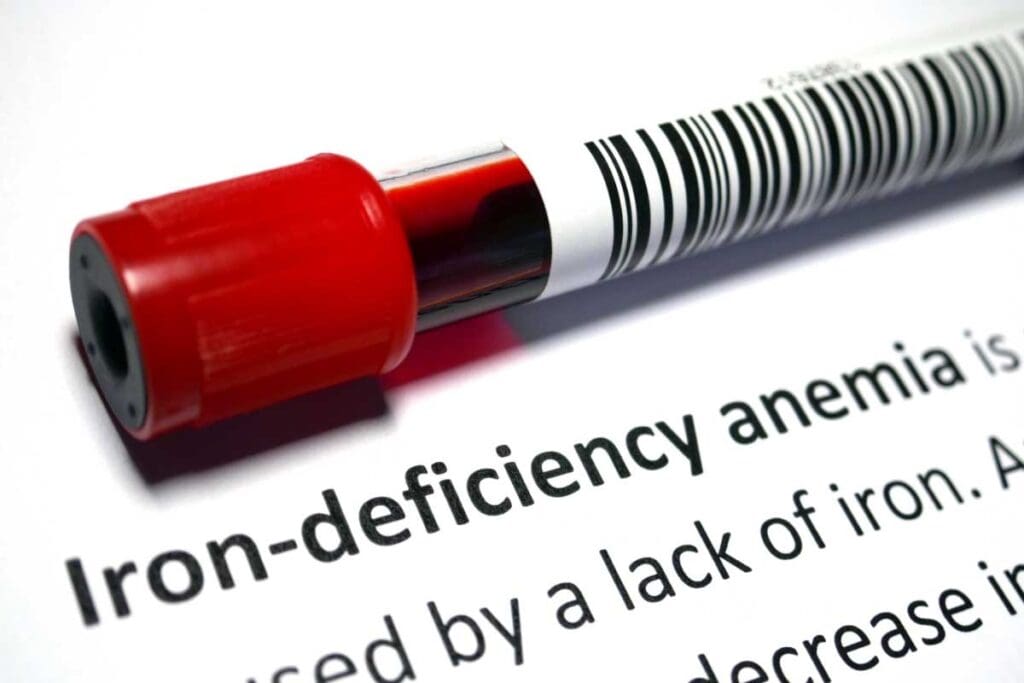
Iron Deficiency Anemia (IDA) happens when the body doesn’t have enough iron, which is essential to make hemoglobin, a key protein in red blood cells responsible for carrying oxygen. Understanding ida medical diagnosis and treatment is vital because IDA affects millions, mostly women of childbearing age. Medical diagnosis involves a combination of a physical exam, medical history, and blood tests such as a complete blood count (CBC) to measure hemoglobin, hematocrit, and red blood cell size. Ferritin levels are also checked to assess iron stores. Treatment typically includes oral iron supplements to replenish iron levels and addressing the underlying causes like menstrual bleeding or gastrointestinal issues. In some cases, intravenous iron or specialist care may be required. Early diagnosis and proper treatment are crucial to prevent symptoms like fatigue, weakness, and more serious complications.
It’s important to know about this medical condition and its effects. IDA can cause serious health problems if not treated. Knowing about IDA helps people take care of their health and stop it from getting worse.
Key Takeaways
- IDA stands for Iron Deficiency Anemia, a condition characterized by insufficient iron for hemoglobin production.
- It is a prevalent health issue worldwide, especially among women of reproductive age.
- Understanding IDA is key to early detection and treatment to avoid health issues.
- IDA can be caused by many factors, like not getting enough iron in food, chronic blood loss, and needing more iron.
- Knowing the symptoms and causes of IDA is the first step to managing and treating it effectively.
Understanding IDA in Medical Terminology
Exploring medical terminology, we find IDA is key. Medical acronyms are everywhere in healthcare. They stand for complex conditions, procedures, and ideas. IDA is a term often seen, but its meaning can vary.
Medical terms are full of acronyms. Knowing them is vital for clear talk among doctors, patients, and families. Acronyms like IDA make records quicker, help in making fast decisions, and improve care.
Common Medical Acronyms and Their Importance
Medical acronyms are more than just short forms. They are a special language in healthcare. Common medical acronyms like IDA are used in many ways, from diagnosis to treatment plans. They are very important because they:
- Help doctors and patients talk clearly
- Lower the chance of misreading medical info
- Make keeping and analyzing medical records better
Knowing these acronyms is key for anyone in healthcare. It makes sure the info is shared correctly and patients get the right care.
Multiple Meanings of IDA in Healthcare
IDA is often linked to Iron Deficiency Anemia, but it can mean other things, too. In healthcare, being clear is very important. Knowing what IDA means in a specific case is essential.
Here are some of the different meanings of IDA:
- Iron Deficiency Anemia, a condition where there’s not enough iron for hemoglobin.
- Infant Developmental Assessment, a tool for checking how well babies are developing.
- Intravenous Drug Administration, though this is less common and depends on the situation.
Knowing IDA can mean different things shows the need for clear talk and understanding in healthcare.
IDA as Iron Deficiency Anemia: The Primary Definition
Iron Deficiency Anemia (IDA) is a common condition that affects millions. It’s caused by a lack of iron, which is key to making hemoglobin. Hemoglobin carries oxygen in red blood cells to the body’s parts.
How Iron Deficiency Anemia Develops
IDA happens when you don’t get enough iron or can’t absorb it well. This leads to less hemoglobin. Several things can cause this, including:
- Inadequate Diet: Not eating enough iron-rich foods can lead to IDA.
- Chronic Blood Loss: Heavy menstrual periods, ulcers, or cancer can cause ongoing blood loss, reducing iron.
- Malabsorption Issues: Conditions like celiac disease or Crohn’s disease can make it hard to absorb iron from food.
Knowing these causes is key to preventing and treating IDA. For example, people who don’t eat enough iron or have conditions that cause blood loss are at risk.
Prevalence and Global Impact
IDA is a big health problem worldwide. It affects different groups in different ways. The World Health Organization (WHO) says IDA is a common nutritional deficiency, hitting women and children in poor countries hard.
The number of people with IDA varies around the world. Places with less access to iron and healthcare have higher rates. For example:
- Women of childbearing age are hit hard because of menstrual blood loss and iron needs during pregnancy.
- Children and teens are also at risk because iron is vital for growing and developing.
- People with chronic diseases or on strict diets are more likely to get IDA.
Fixing IDA needs a big effort. This includes changing diets, taking supplements, and managing underlying issues. By understanding IDA, we can fight this global health problem better.
Causes and Risk Factors of Iron Deficiency Anemia
Iron Deficiency Anemia (IDA) comes from several sources. These include not getting enough iron in your diet, losing too much blood, and not being able to absorb iron well. Knowing these causes helps in preventing and treating the condition.
Dietary Insufficiency
Dietary insufficiency is a big reason for IDA, mainly in areas where iron-rich foods are scarce. Inadequate iron intake happens when you don’t eat enough iron-rich foods like red meat, poultry, fish, and fortified cereals. People who don’t eat meat or animal products face a higher risk because plant-based iron is harder to absorb.
Eating a balanced diet with lots of iron-rich foods is key to avoiding IDA. If you’re at risk, iron supplementation might be needed. Always talk to a healthcare provider before starting any supplements.
Blood Loss
Blood loss is another major cause of IDA. Losing blood over time can use up your body’s iron stores. Heavy menstrual bleeding and bleeding in the gut due to ulcers, cancer, or other issues are common causes.
- Heavy menstrual bleeding: Women with menorrhagia are at increased risk of developing IDA.
- Gastrointestinal bleeding: Conditions such as ulcers, cancer, or inflammatory bowel disease can cause chronic blood loss.
Malabsorption Issues
Malabsorption problems can also lead to IDA by making it hard for the body to absorb iron. Conditions like celiac disease, gastrointestinal surgery, and some medications can affect iron absorption.
Signs and Symptoms of IDA
IDA shows many signs and symptoms. These can affect how you feel, think, and even your mood. It’s important to spot these early to improve your life.
Common Physical Symptoms
The physical signs of IDA can really slow you down. Here are some common ones:
- Fatigue and Weakness: Your body can’t get enough oxygen to your tissues.
- Pale Skin: Not enough red blood cells make your skin look pale.
- Shortness of Breath: You might get winded even when you’re not doing much.
- Dizziness and Headaches: Not enough oxygen to your brain can cause dizziness and headaches.
Cognitive and Psychological Effects
IDA also affects how you think and feel. Here are some ways:
- Decreased Concentration: You might find it hard to focus or stay on task.
- Memory Issues: You could have trouble remembering things or recalling information.
- Mood Changes: IDA can make you feel irritable, depressed, or anxious.
If you notice these symptoms, see a doctor. They can help figure out if you have IDA.
| Symptom Category | Common Symptoms |
| Physical Symptoms | Fatigue, weakness, pale skin, shortness of breath, dizziness, headaches |
| Cognitive and Psychological Effects | Decreased concentration, memory issues, mood changes (irritability, depression, anxiety) |
Diagnosing IDA: Medical Tests and Procedures
To diagnose Iron Deficiency Anemia (IDA), doctors use a mix of clinical checks and lab tests. These include a complete blood count (CBC) and ferritin levels. These methods help us spot IDA and tell it apart from other anemias.
Diagnosing IDA is a detailed process. It involves various blood tests and lab values to confirm anemia and its cause. Getting the diagnosis right is key to proper treatment.
Blood Tests and Laboratory Values
Blood tests are key in diagnosing IDA. The main tests are:
- Complete Blood Count (CBC): Shows hemoglobin, hematocrit, and red blood cell counts, which hint at anemia.
- Ferritin Levels: Shows the body’s iron stores; low levels mean iron deficiency.
- Serum Iron and Total Iron-Binding Capacity (TIBC): Checks iron availability and binding ability.
These tests give vital iinformationon anemia severity and iron levels. For example, a Journal of Clinical Hematology study found ferritin levels are best for spotting IDA. It said, “Ferritin directly shows the body’s iron stores.”
Additional Diagnostic Procedures
Sometimes, more tests are needed to find IDA’s cause or rule out other issues. These might include:
- Gastrointestinal Evaluation: Looks for blood loss or poor iron absorption.
- Endoscopy: Views the gut to find ulcers, tumors, or other problems.
- Colonoscopy: Checks for colorectal cancer or bleeding in adults.
A clinical expert said, “A detailed check is vital to find IDA’s cause, even if it’s not clear at first.”
By combining clinical checks with these tests, we can accurately diagnose IDA. Then, we can create a treatment plan that fits the person’s needs.
Treatment Approaches for Iron Deficiency Anemia
Managing Iron Deficiency Anemia well means knowing the different treatments. This includes oral and intravenous iron therapies. We’ll look at these options, their good points, and possible downsides.
Oral Iron Supplements
Oral iron supplements are often the first choice for IDA. They can be bought over-the-counter or on prescription. Common types are ferrous sulfate, ferrous gluconate, and ferrous fumarate. The right supplement depends on how well the patient can take it and how bad their condition is.
- Benefits: Oral iron is usually effective, easy to take, and affordable.
- Potential Side Effects: It can cause stomach problems like constipation, nausea, and pain.
Intravenous Iron Therapy
Intravenous iron is for those who can’t take oral iron, have severe IDA, or haven’t gotten better with oral supplements. This method puts iron straight into the blood, skipping the stomach.
- Benefits: It quickly fills up iron stores and is better for those with stomach issues.
- Potential Risks: It can cause allergic reactions, infections, and too much iron if not watched closely.
Addressing Underlying Causes
Fixing IDA also means finding and treating the main causes. This might include:
- Heavy Menstrual Bleeding: Hormones or procedures to cut down on bleeding.
- Gastrointestinal Bleeding: Tests and treatments to find and fix the bleeding source.
- Dietary Adjustments: Advice on eating more iron and vitamin C to help absorb iron better.
By tackling the main issues and using the right iron supplements, we can manage IDA well. This helps patients get better.
IDA Medical Complications and Long-term Effects
Not treating IDA can cause serious health problems. It can harm your heart and affect how you grow and develop. These issues can greatly reduce your quality of life.
Cardiovascular Implications
Untreated IDA can hurt your heart health. Your body tries to make up for less oxygen in your blood by working your heart harder. This can put a lot of strain on your heart and cause damage over time.
“Chronic anemia can lead to an increase in cardiac workload, potentially resulting in left ventricular hypertrophy and heart failure if not adequately addressed.”
Nizankowska-Mogilnicka et al., 2017
Some heart problems caused by IDA include:
- Increased heart rate
- Enhanced cardiac output
- Potential for cardiac hypertrophy
- Risks of heart failure in severe cases
| Cardiovascular Parameter | Normal Condition | IDA Condition |
| Heart Rate | 60-100 bpm | Often elevated |
| Cardiac Output | 4-8 L/min | Typically increased |
| Left Ventricular Size | Normal | May be hypertrophied |
Developmental Issues in Children
IDA can affect children’s growth and learning. Iron is important for brain and body development. Without enough iron, children can suffer from permanent brain damage.
Children with IDA may face:
- Cognitive developmental delays
- Reduced academic performance
- Behavioral problems
- Physical growth delays
It’s important to catch and treat IDA early in children. Regular iron checks are key, even more so in high-risk groups.
Special Populations and IDA
Special groups like pregnant women, kids, and the elderly face a higher risk of IDA. Their bodies have special needs or conditions that make them more likely to get iron deficiency anemia. It’s important to know how these groups are affected to help them better.
Pregnant Women and IDA
Pregnant women need more iron because of the growing fetus and placenta. IDA during pregnancy can cause problems for both mom and baby, like preterm labor and low birth weight. We should check for IDA often during prenatal care and give iron supplements when needed.
Pregnancy brings changes like more blood volume, making IDA riskier. Eating iron-rich foods and taking prenatal vitamins with iron helps prevent deficiency.
IDA in Children and Adolescents
Children and teens are also at risk of IDA because of their fast growth. Not getting enough iron from food or eating foods low in iron,adds to this risk. Girls, in particular, may get IDA because of menstrual blood loss.
Finding and treating IDA early in kids and teens is key to avavoidingasting harm to their minds and bodies. Dietary counseling and iron supplements are important for managing it.
Elderly Patients with IDA
Older people can get IDA for many reasons, like chronic diseases, bleeding in the gut, and poor iron absorption. Chronic inflammation from aging can also cause anemia.
Diagnosing IDA in the elderly needs a detailed look at their health and possible causes. Treatment might include iron supplements, fixing underlying issues, and nutrition support.
In summary, IDA in special groups needs a customized approach for diagnosis, treatment, and prevention. Knowing the specific challenges of pregnant women, kids, teens, and the elderly helps us give them better care and improve their health outcomes.
Prevention Strategies for Iron Deficiency Anemia
To prevent Iron Deficiency Anemia (IDA), we need to make dietary changes and sometimes take supplements. Knowing about iron-rich foods and how to better absorb them can lower the risk of IDA.
Dietary Recommendations
Eating a diet full of iron is key to avoiding IDA. There are two kinds of iron: heme iron in animal products like meat, poultry, and fish, and non-heme iron in plants like beans and fortified cereals. Heme iron is easier for the body to absorb, but non-heme iron works well too if eaten in large amounts and with vitamin C.
Eating foods high in vitamin C, like citrus fruits and tomatoes, can help your body absorb iron better. But it’s best to avoid drinking tea, coffee, and eating foods high in calcium when you’re eating iron-rich foods.
Supplementation Guidelines
People at high risk of IDA, like pregnant women, might need supplements. Oral iron supplements are often used and can help prevent IDA if taken correctly. Always talk to a doctor to find out how much to take and to check your iron levels.
How much iron you need depends on your health and situation. Pregnant women, for example, might need more iron to support their growing baby. It’s important to get regular blood tests to make sure the iron levels are right and to avoid any side effects.
- Consult a healthcare provider before starting any iron supplementation.
- Follow the recommended dosage to avoid side effects.
- Monitor iron levels regularly through blood tests.
Other Medical Meanings of IDA
IDA is more than just Iron Deficiency Anemia. It has many other important meanings in medicine. It’s key for doctors and patients to know these different uses.
Infant Developmental Assessment
Infant Developmental Assessment is a big part of IDA. It checks how well an infant is growing physically, thinking, and feeling. Doctors use special tools to see if a baby is on track or if they need help.
This check is very important. It helps find any problems early. Doctors look at how the baby moves, talks, and acts with others.
Interventional Device Approval
IDA also means Interventional Device Approval. This is about making sure medical devices are safe and work well. Groups like the FDA in the U.S. make sure these devices are okay to use.
Devices go through a lot of testing before they’re approved. This includes clinical trials. It’s all to keep patients safe and make sure doctors have the best tools.
Intelligent Data Analysis in Healthcare
Another important IDA is Intelligent Data Analysis in healthcare. It uses smart computer methods to look at lots of health data. The goal is to make care better and more personal.
This smart analysis can spot patterns and predict health issues. It helps doctors tailor treatments to each patient. It’s a big step in making healthcare better with technology.
| Meaning of IDA | Description | Significance in Healthcare |
| Infant Developmental Assessment | Evaluation of infant development | Early detection of developmental issues |
| Interventional Device Approval | Regulation of medical devices | Ensures safety and efficacy of devices |
| Intelligent Data Analysis | Advanced data analysis in healthcare | Improves patient outcomes and healthcare delivery |
IDA in Clinical Research and Medical Literature
Clinical research on IDA has made big strides. It has given us new insights into diagnosing and treating it. We’re learning more about how IDA affects different people and why we need to tailor treatments.
Current Research Trends
Today, research on IDA is all about making diagnosis better and treatments more effective. Scientists are looking into new biomarkers for diagnosing IDA, even in people with other health issues.
Emerging areas of research include studying genes that affect iron levels and creating personalized treatments for IDA. There’s also a focus on how IDA affects the brain and overall well-being. This is driving the need for more complete care plans.
Future Directions in IDA Management
The future of IDA management looks bright, thanks to advances in intravenous iron therapy and other new treatments. Clinical trials are testing new iron products and how much to use, which could give patients more options.
Also, digital health technologies will likely play a big part in improving patient care. As we learn more about IDA, we expect to see more treatments that focus on the individual patient’s needs.
Conclusion
Understanding IDA, or Iron Deficiency Anemia, is key to tackling this common health problem. We’ve looked at its causes, symptoms, diagnosis, and treatment. IDA is a big health issue that affects people all over the world. It needs awareness and proper care to avoid serious problems and help patients get better.
Knowing the signs of IDA helps people get medical help early. This leads to quick diagnosis and treatment. Managing IDA well means more than just iron supplements. It also means fixing the root causes, like not enough iron in the diet, blood loss, or trouble absorbing iron.
Our talk shows how vital ongoing research and awareness about IDA are. This ensures healthcare teams and patients can handle this condition well. In short, IDA is something we can prevent and treat. By teaming up, we can lower its numbers and make life better for those dealing with it.
FAQ
What does IDA stand for in medical terms?
IDA stands for Iron Deficiency Anemia. It’s when the body lacks enough iron to make enough hemoglobin.
What are the common causes of Iron Deficiency Anemia?
IDA can be caused by not getting enough iron in your diet. It can also be due to heavy menstrual bleeding or issues with absorbing iron, like celiac disease.
What are the symptoms of IDA?
Symptoms include feeling very tired, weak, and pale. You might also have trouble concentrating and remembering things. These symptoms can really affect your life.
How is IDA diagnosed?
Doctors use blood tests to find IDA. They check your Complete Blood Count (CBC) and ferritin levels. They also look for other possible causes of anemia.
What are the treatment options for IDA?
Treatment includes taking iron supplements or getting iron through an IV. Doctors also try to fix the cause, like heavy bleeding or digestive problems.
Can IDA be prevented?
Yes, you can prevent IDA by eating foods rich in iron. Vitamin C helps your body absorb iron better. Avoid things that block iron absorption too.
Are there any long-term effects of untreated IDA?
If IDA is not treated, it can harm your heart. It can also slow down growth and development in kids. This includes both physical and mental growth.
How does IDA affect different populations?
IDA affects people differently. Pregnant women need more iron, and kids might not grow properly if they don’t get enough. It’s important to manage IDA well.
What are the current research trends in IDA management?
Researchers are working on new treatments for IDA. They’re studying how IDA affects different groups and finding better ways to manage it.
Are there other meanings of IDA in medical contexts?
Yes, IDA can also mean Infant Developmental Assessment, Interventional Device Approval, and Intelligent Data Analysis in healthcare. It’s important for doctors to know what IDA means in each case.
Why is awareness of IDA important?
Knowing about IDA helps doctors catch it early. This means better treatment and fewer problems. It improves health and quality of life for patients.
References:
- Kalmbach, R. D., et al. (2015). Megaloblastic anemia due to folate deficiency: Diagnosis and management. American Journal of Blood Research, 5(4), 106-113. https://www.ncbi.nlm.nih.gov/pmc/articles/PMC4689355/



 Departments
 Related Videos
 Our Doctors
 News
News