Clinical Immunology focuses on the immune system’s health. Learn about the diagnosis and treatment of allergies, autoimmune diseases, and immunodeficiencies.
We're Here to Help. Get in Touch.
Send us all your questions or requests, and our expert team will assist you.
Lupus: Overview and Definition
Lupus is a long-term autoimmune disease that can affect nearly any part of the body. Normally, the immune system makes antibodies to fight off viruses and bacteria. In lupus, the immune system cannot tell the difference between foreign invaders and the body’s own healthy cells. As a result, it makes autoantibodies that attack healthy tissue, leading to inflammation, pain, and damage in different organs. People with lupus often go through cycles of illness, called flares, and periods when they feel better, called remission. Knowing the type and extent of lupus is important for managing the disease well.
The Autoimmune Mechanism
Systemic Dysregulation
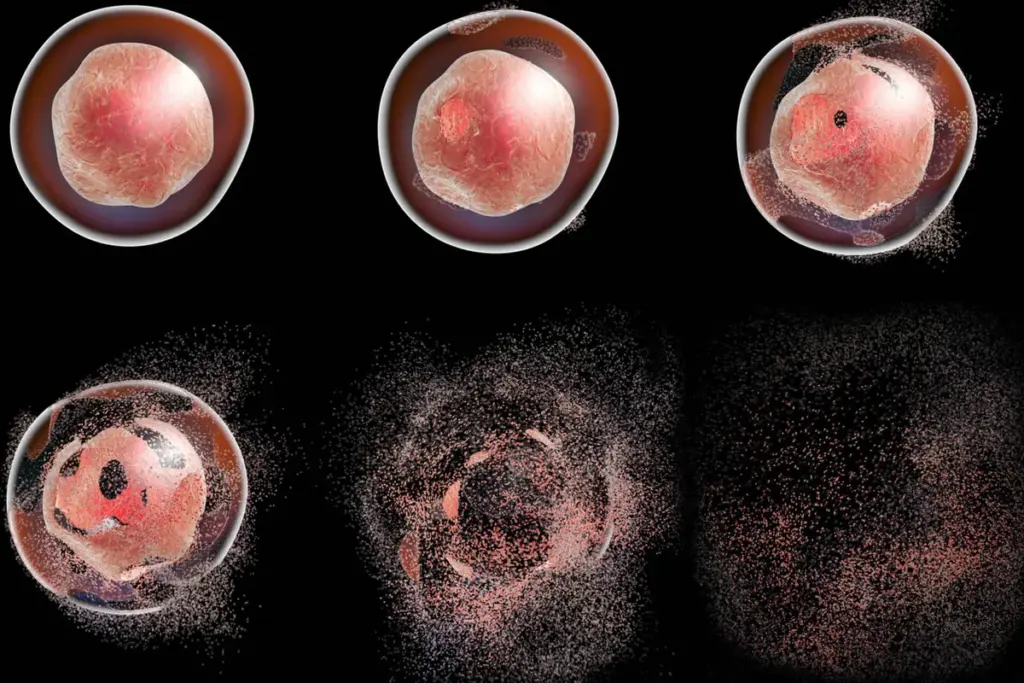
The fundamental pathology of lupus involves a breakdown in immunological tolerance. The body’s defense system turns against itself, targeting nuclei within cells.
Pathophysiology
Autoantibody Production: The immune system generates antinuclear antibodies (ANA) that target the cell nucleus.
Immune Complexes: These antibodies bind to antigens to form immune complexes that deposit in tissues.
Inflammation: The deposition of these complexes triggers a robust inflammatory response, recruiting white blood cells that release damaging enzymes.
Tissue Damage: Chronic inflammation leads to irreversible damage in organs such as the kidneys, heart, lungs, and skin.
Systemic Lupus Erythematosus (SLE)
Systemic Lupus Erythematosus (SLE) is the most common and severe form of the disease. It is what most people refer to simply as “lupus.”
Scope: It can affect joints, skin, kidneys, lungs, heart, nervous system, and blood vessels.
Severity: The impact ranges from mild (affecting only skin and joints) to life-threatening (causing kidney failure or stroke).
Demographics: It disproportionately affects women of childbearing age, though men and children can also develop the condition.
Course: The disease typically follows a relapsing-remitting course, requiring lifelong monitoring.
Cutaneous Lupus Erythematosus
This form of lupus primarily affects the skin. While some patients with cutaneous lupus may later develop SLE, many do not.
Discoid Lupus: Causes thick, red, scaly patches on the skin that can lead to scarring and hair loss.
Subacute Cutaneous Lupus: Presents as red, ring-shaped sores that occur on parts of the body exposed to the sun but usually do not scar.
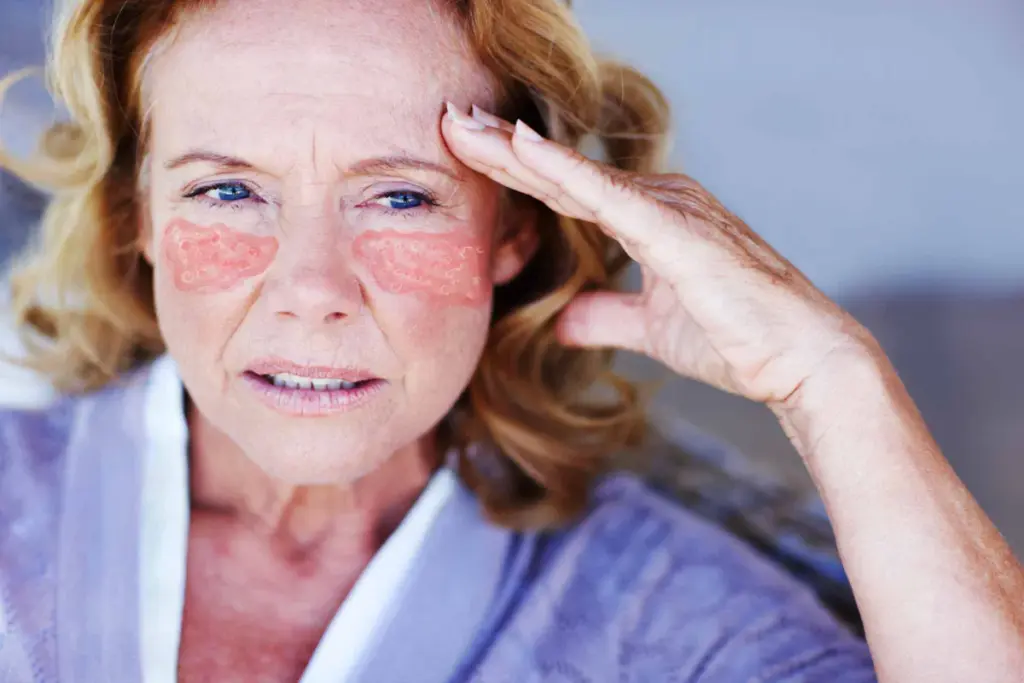
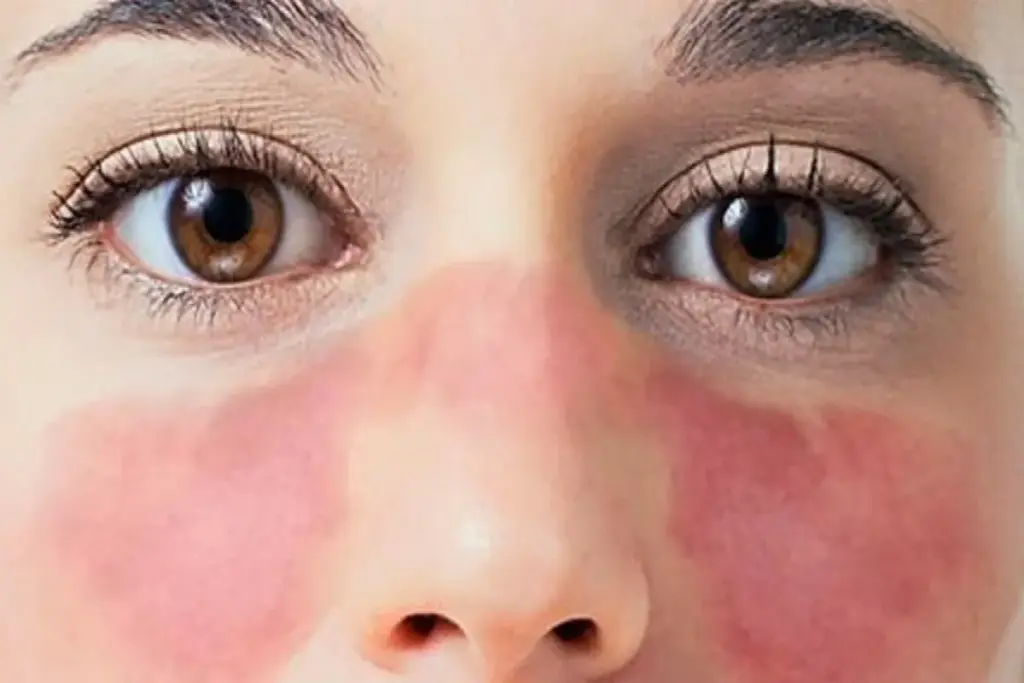
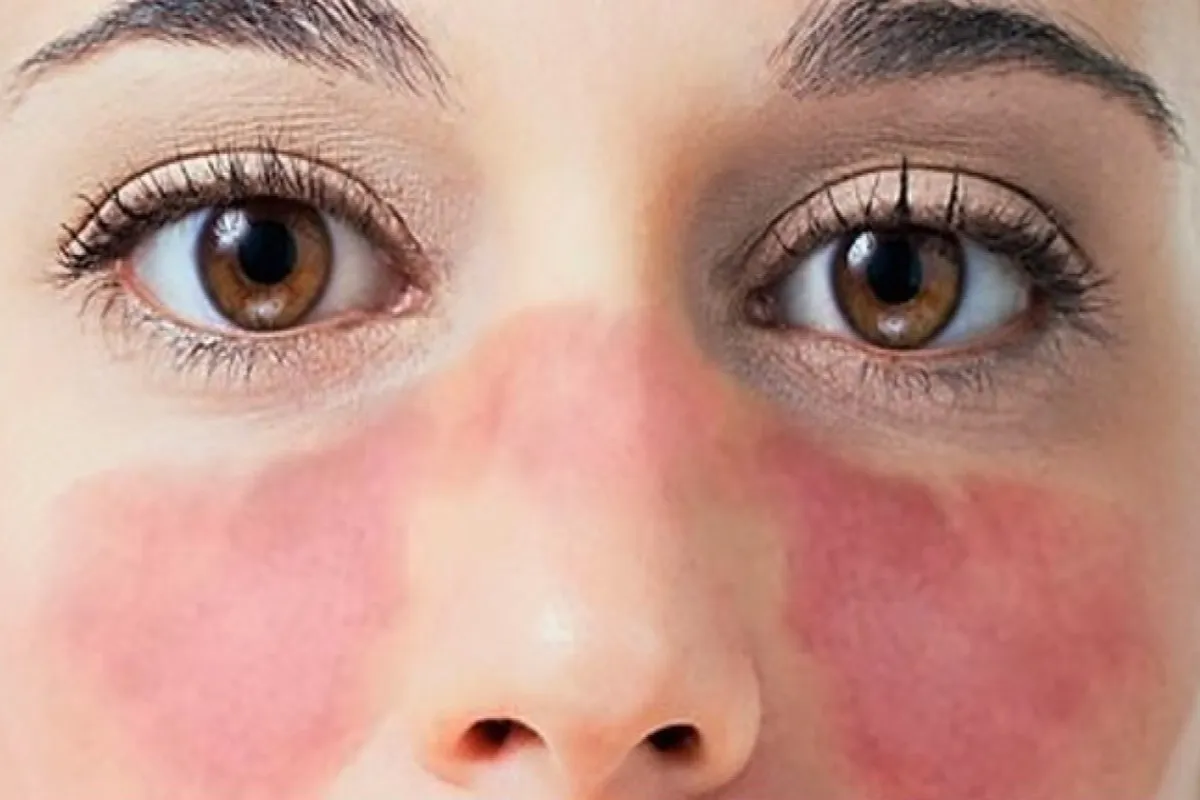
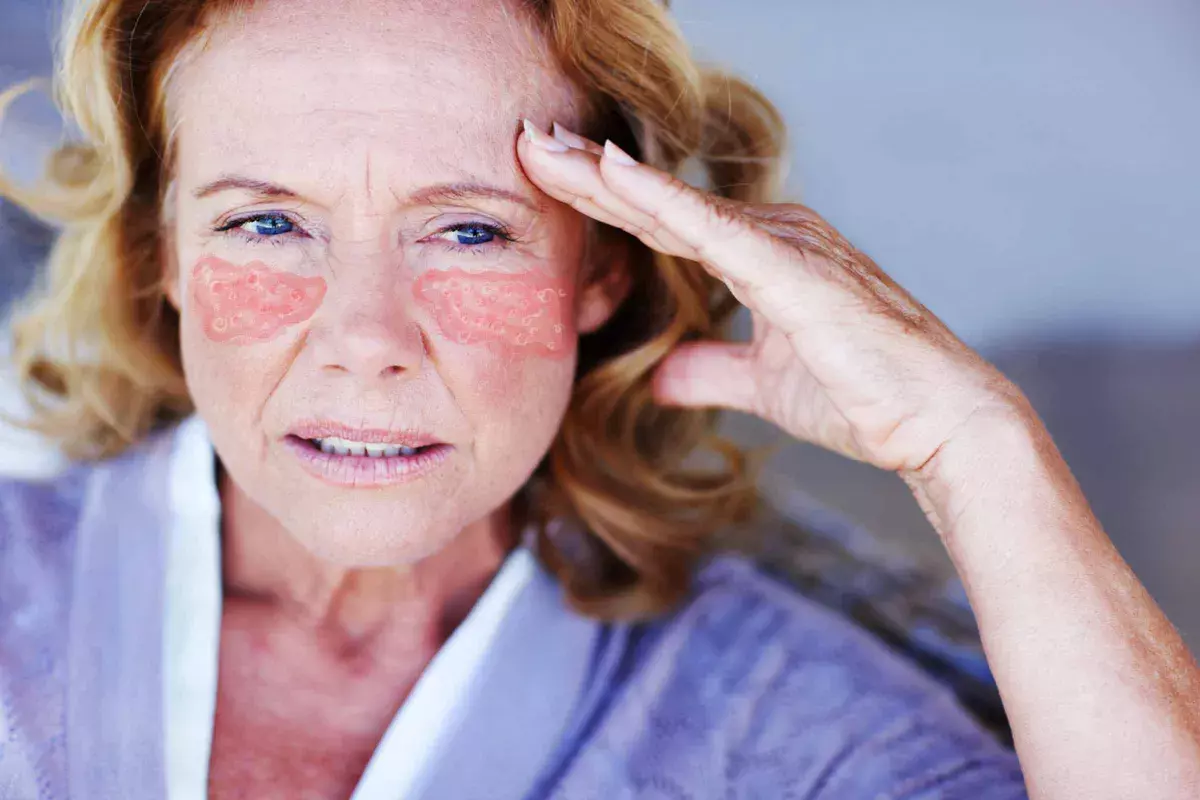
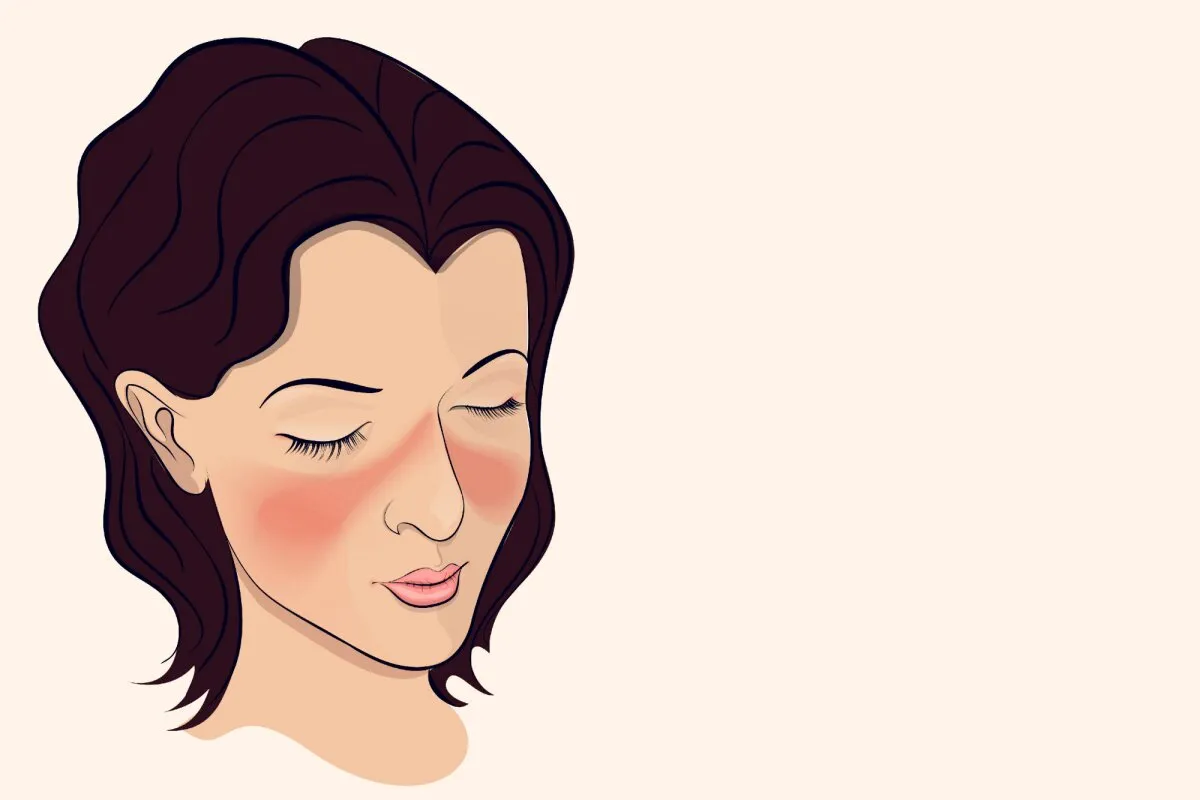
Acute Cutaneous Lupus: Often manifests as the classic “butterfly rash” across the cheeks and nose, strongly associated with active SLE.
Triggers: Symptoms are almost always exacerbated by exposure to ultraviolet (UV) light.
Drug-Induced Lupus
Certain prescription medications can trigger an autoimmune response that mimics SLE. This form of lupus is unique because it is generally temporary.
Causative Agents: Drugs such as hydralazine (for high blood pressure), procainamide (for heart arrhythmia), and isoniazid (for tuberculosis).
Presentation: Symptoms are similar to SLE, including joint pain, muscle pain, and fever, but central organ involvement is rare.
Reversibility: Symptoms typically disappear within months of stopping the medication.
Distinction: Unlike SLE, drug-induced lupus rarely affects the kidneys or central nervous system.
Neonatal Lupus
Neonatal lupus is a rare condition that affects infants born to women who have lupus or Sjögren’s syndrome. It is not true lupus, but a reaction to antibodies.
Transmission: Caused by the passage of specific maternal antibodies (Anti-Ro/SSA and Anti-La/SSB) through the placenta to the fetus.
Symptoms: Babies may be born with a skin rash, liver problems, or low blood cell counts.
Congenital Heart Block: A serious but rare complication where the baby’s heart beats abnormally slowly.
Prognosis: Most symptoms resolve within a few months as the mother’s antibodies disappear from the baby’s system.
Epidemiology and Demographics
Understanding who is at risk for lupus helps with early identification and public health planning. The disease shows clear patterns regarding gender and ethnicity.
Gender Prevalence: About 90 percent of adults with lupus are female.
Age of Onset: Symptoms usually appear between the ages of 15 and 45.
Ethnic Disparities: Lupus is more prevalent and often more severe in African American, Hispanic, Asian, and Native American populations.
Genetics: While it runs in families, most people with lupus do not have a close relative with the disease, suggesting a complex genetic interplay.
The Great Imitator
Lupus is frequently referred to as “The Great Imitator” because its symptoms often mimic those of other conditions, leading to diagnostic delays.
Vague Symptoms: Fatigue, fever, and weight loss are non-specific and common in many illnesses.
Overlap Syndromes: Patients may have features of other autoimmune diseases, like rheumatoid arthritis or myositis, simultaneously.
Variability: No two cases of lupus are exactly alike; one patient may have only skin issues, while another may require dialysis.
Evolution: The clinical picture can change over time, with new symptoms appearing years after diagnosis.
Why Choose Liv Hospital
At Liv Hospital, we understand that an autoimmune diagnosis can be overwhelming. Our Rheumatology Department is dedicated to unraveling the complexities of lupus with a precision medicine approach. We do not just treat the symptoms; we aim to modulate the immune system to preserve organ function and quality of life. Our multidisciplinary team, comprising rheumatologists, nephrologists, dermatologists, and cardiologists, collaborates seamlessly to ensure that every aspect of this systemic condition is addressed under one roof. We combine advanced diagnostic capabilities with compassionate, patient-centered care to guide you toward remission.
30 Years of Excellence
Trusted Worldwide
With patients from across the globe, we bring over three decades of medical
Send us all your questions or requests, and our expert team will assist you.
FREQUENTLY ASKED QUESTIONS
Is lupus a form of cancer?
No, lupus is not cancer. It is an autoimmune disease where the immune system attacks healthy tissue, whereas cancer involves the uncontrolled growth of abnormal cells.
Is lupus contagious?
Lupus is not contagious. You cannot catch it from someone else, nor can you spread it to others through physical contact.
Can men get lupus?
Yes, although it is much more common in women, men can develop lupus. Men with lupus may sometimes experience more severe organ involvement.
Is there a cure for lupus?
Currently, there is no cure for lupus, but treatments have improved significantly. Most people with lupus can lead whole lives with proper medical management.
What is a “flare”?
A flare is a period when symptoms worsen or new symptoms appear. Flares can range from mild to severe and require adjustments in treatment.
Learn to identify the early symptoms of lupus in women, from persistent fatigue to light sensitivity. Prompt diagnosis is key for managing this autoimmune disease.
What Is Drug-Induced Lupus and How Does It Differ from SLE?
Drug-induced lupus is a sle like syndrome affecting 15,000-30,000 Americans yearly. Learn about the causes, symptoms, and how it differs from systemic lupus erythematosus.
3 Common Immune System Diseases: Causes & Symptoms
Explore 3 common immune system diseases – autoimmune disorders, immunodeficiency conditions, and allergic diseases. Learn about causes, symptoms, and treatments.