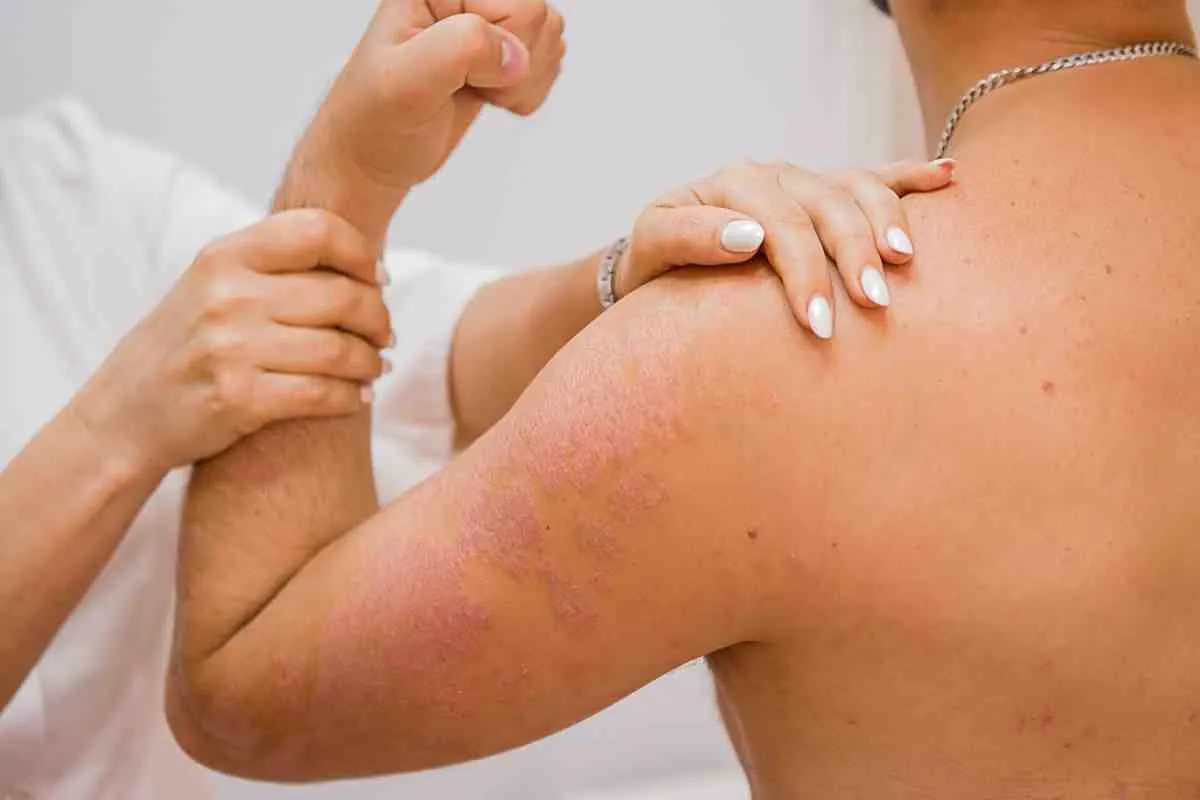
Clinical Immunology focuses on the immune system’s health. Learn about the diagnosis and treatment of allergies, autoimmune diseases, and immunodeficiencies.
We're Here to Help. Get in Touch.
Send us all your questions or requests, and our expert team will assist you.
Care and Prevention
While psoriasis cannot be strictly prevented due to its genetic nature, the frequency and severity of flare-ups can be significantly managed through proactive care and lifestyle modifications. Prevention in the context of psoriasis focuses on avoiding triggers that activate the immune system. Comprehensive care involves a daily routine that prioritizes skin barrier integrity, mental well-being, and overall physical health. This holistic approach helps extend periods of remission and reduces the intensity of symptoms when they do occur.
Skin Care Routine
Daily Moisturization
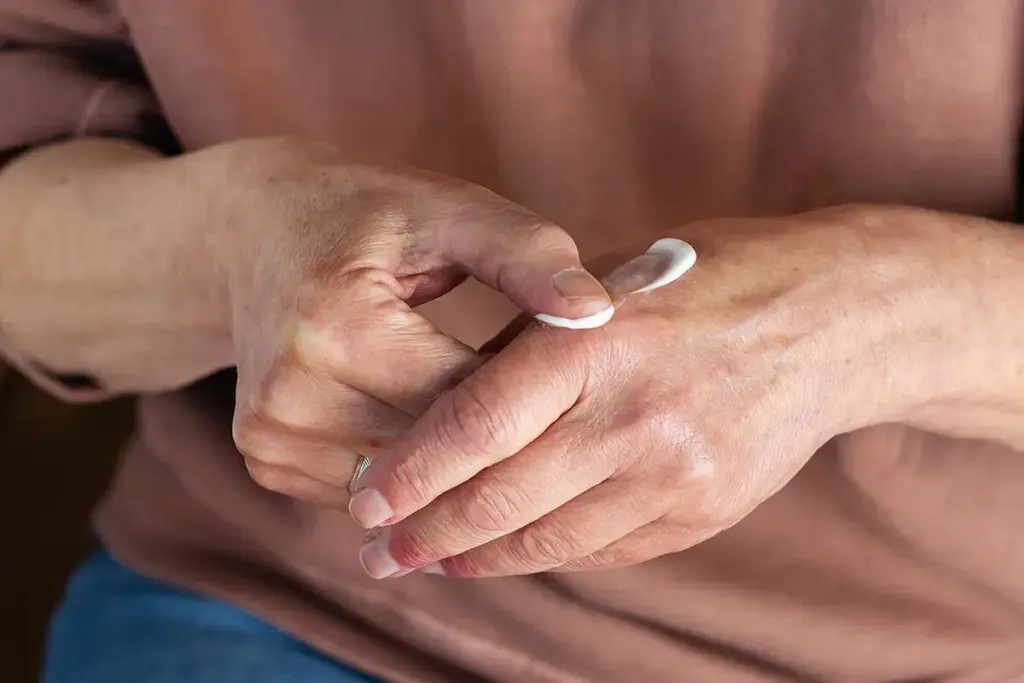
Keeping the skin lubricated is the first line of defense. Thick, fragrance-free creams or ointments lock in water better than lotions. Applying them immediately after bathing is most effective.
Gentle Cleansing
Harsh soaps and hot water can strip the skin of natural oils. Care involves using lukewarm water and mild, soap-free cleansers to avoid irritation and dryness.
Trigger Avoidance Strategies
Injury Prevention
Since trauma to the skin can trigger new plaques (Koebner phenomenon), care must be taken to avoid cuts, bug bites, and sunburn.
Infection Control
Infections like strep throat are known triggers. Prompt treatment of any disease is a form of preventative care for psoriasis flares.
Dietary Considerations
Anti-inflammatory Diet
Many patients find relief by adopting a diet rich in anti-inflammatory foods. This includes omega-3 fatty acids found in fish, antioxidants in fruits and vegetables, and healthy fats.
Alcohol and Smoking
Alcohol consumption and smoking are significant triggers. They can lower the effectiveness of treatments and increase the severity of flares. Cessation is a key part of preventative care.
Stress Management
The Stress-Flare Cycle
Stress is one of the most common triggers. The body’s reaction to stress increases inflammation.
Relaxation Techniques
Incorporating yoga, meditation, or deep-breathing exercises into the daily routine can help modulate the stress response, thereby preventing stress-induced flares.
Clothing and Fabric Choices
Breathable Fabrics
Wearing soft, natural fibers like cotton prevents irritation. Wool and synthetic fabrics can trap heat and scratch the skin, worsening itching.
Loose Fitting
Tight clothing can cause friction. Loose-fitting garments reduce rubbing against sensitive plaques and allow the skin to breathe.
Climate and Weather Management
Cold Weather Care
Cold, dry air can aggravate symptoms. Using a humidifier in the home during winter helps maintain skin moisture.
Sun Exposure
Moderate exposure to sunlight can be beneficial, but sunburn must be avoided. Using a broad-spectrum sunscreen on unaffected skin is essential.
Weight Management
Metabolic Impact
Fat cells release inflammatory proteins. Maintaining a healthy weight can reduce the systemic inflammation load on the body.
Efficacy of Treatment
Studies show that weight loss can improve the effectiveness of medical treatments for psoriasis and may even reduce the severity of the disease itself.
Why Choose Liv Hospital?
Living with psoriasis requires a partner who understands that the condition is more than just skin deep. At Liv Hospital, we offer a multidisciplinary approach that integrates advanced dermatology with rheumatology and psychological support. Our access to the latest biologic therapies, state-of-the-art phototherapy units, and personalized lifestyle coaching ensures that your treatment plan is as unique as your genetic makeup. We don’t just treat the lesions; we treat the person, aiming for long-term remission and an improved quality of life. Choose Liv Hospital for a care pathway that combines cutting-edge medical science with compassionate, patient-centered support.
30 Years of Excellence
Trusted Worldwide
With patients from across the globe, we bring over three decades of medical
Send us all your questions or requests, and our expert team will assist you.
FREQUENTLY ASKED QUESTIONS
Can I prevent psoriasis if it runs in my family?
You cannot change your genetics, but you can reduce your risk by maintaining a healthy lifestyle, avoiding smoking, and managing stress, which may delay or minimize the onset.
What fabrics should I avoid?
It is best to avoid wool and synthetic fabrics like polyester, which can irritate the skin and trap heat. Cotton and bamboo are gentler options.
Does weight loss help psoriasis?
Yes, maintaining a healthy weight reduces systemic inflammation in the body and can make psoriasis treatments work more effectively.
Why is winter worse for psoriasis?
Winter air is cold and dry, and there is less sunlight. These factors dry out the skin and reduce the natural benefit of UV light, leading to more frequent flares.
How does alcohol affect psoriasis?
Alcohol dilates blood vessels, which can increase redness and itching. It also dehydrates the body and can interact negatively with certain psoriasis medications like methotrexate.
15 Autoimmune Skin Disorders: Complete Guide to Conditions
Explore the 15+ autoimmune disorders of skin, from common conditions like psoriasis to rare diseases like pemphigus. Our comprehensive guide covers causes, symptoms, and treatment