
Thinking about dental implants might seem scary, but they’re a trusted way to replace teeth. With a success rate of 96.9 percent, about 3 million Americans have chosen them. This shows they’re a reliable option.implant tooth procedureHow to Prepare for a Bone Graft for Tooth Implant: Step-by-Step Guide
Dental implants are safe if done by experts and cared for properly. The failure rate is only 3.1 percent, proving they work well most of the time. We’ll look into how safe dental implants are and why it’s key to know about their safety.
Key Takeaways
- Dental implants have a high global success rate of 96.9 percent.
- Approximately 3 million Americans have benefited from dental implants.
- The global failure rate for dental implants is just 3.1 percent.
- Dental implants are considered safe when performed by qualified professionals.
- Proper care and management are key for dental implants to succeed.
Understanding Dental Implants
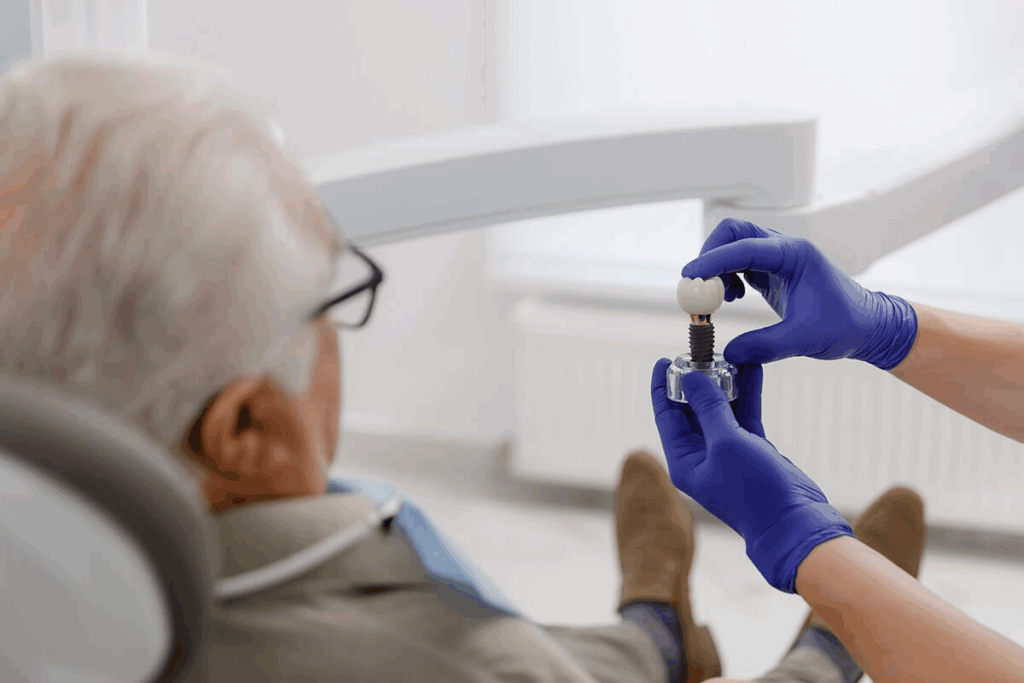
Learning about dental implants is key if you’re looking into tooth replacement. They are a top choice for missing teeth, giving a natural look and feel. This can greatly enhance your life quality.
What Are Dental Implants?
Dental implants are artificial tooth roots made from materials like titanium or zirconia. They are surgically placed in the jawbone to hold a replacement tooth or teeth. To define dental implant simply, it’s a medical device that replaces a missing tooth, restoring function and beauty.
The process of how dental implants work involves a phenomenon called osseointegration. This is when the implant fuses with the bone tissue, creating a strong base for the prosthetic tooth. This integration makes dental implants a stable and long-lasting option.
How They Compare to Other Tooth Replacement Options
When comparing dental implants to other options like dentures or bridges, several key differences stand out. Here are some main advantages:
- Dental implants are more durable and can last for decades with proper care.
- They help preserve the jawbone, preventing bone loss that can happen with missing teeth.
- Implants don’t need to alter adjacent teeth, unlike dental bridges.
- They offer better chewing function and speech clarity than removable dentures.
To understand how do teeth implants work compared to other options, it’s vital to see these benefits. Dental implants provide a more natural feel and function, making them a popular choice for many.
The Complete Implant Tooth Procedure Explained

Learning about the implant tooth procedure is key for those wanting to fix their smile. It includes many steps, from the first meeting to when the final tooth is placed.
Initial Consultation and Planning
The first step is a detailed consultation. We check your teeth and talk about what you want. This is important to figure out the best treatment for you.
We also use special imaging to plan where the implants will go. This careful planning helps get the best results and avoids problems.
The Surgical Process
Putting in dental implants is a precise and skilled surgery. We use the latest technology to place the implants correctly. This considers your jaw’s unique shape.
The surgery involves a small cut in the gum to reach the bone. Then, the implant is placed carefully. After that, the gum is closed, and healing starts.
Healing and Osseointegration
After the surgery, the implant starts to heal. This healing process, called osseointegration, is key. It makes the implant strong by fusing it with the bone.
This healing can take months. We watch it closely to make sure everything goes well.
Final Restoration Placement
When the implant is fully healed, we move to the final step. We attach an abutment and then a custom crown that looks like your natural teeth.
The end result is a tooth that looks and works like your own. It improves your smile and oral health.
Materials Used in Modern Dental Implants
Science has made dental implants stronger and more body-friendly. The right material is key for a successful implant.
Titanium and Titanium Alloys
Titanium and its alloys are top choices for implants, making up 93% of the market. They’re strong, resistant to corrosion, and safe for the body. Titanium’s ability to bond with bone is perfect for implants.
“Titanium has been the top choice for implants for years,” says a dental expert. “It’s reliable and safe for human tissue.”
Zirconia Alternatives
Zirconia is a new option for those worried about metal or looking for a natural look. Zirconia implants are close to tooth color, making them look more natural. But, how well they bond with bone is being studied.
- High aesthetic value due to tooth-like color
- Hypoallergenic properties
- Potential for improved osseointegration with surface modifications
Biocompatibility with Human Tissue
How well implants fit with the body is critical. Titanium and zirconia are both safe, with few bad reactions. Their surface details help them bond with bone and tissue.
Medical Expert, a dental researcher, says, “The surface of implants affects how well they fit with the body.”
The Science Behind Osseointegration
Understanding osseointegration is key to knowing how dental implants work. It’s the process where implants fuse with the jawbone, creating a stable base. Bone tissue grows around the implant, holding it firmly in place.
How Implants Fuse with Jawbone
The process of implants fusing with the jawbone is amazing. It starts when the implant is placed surgically. The bone then heals, and bone cells interact with the implant.
Over time, bone grows around the implant, making it part of the jawbone. This makes dental implants strong and stable.
Several factors affect this process: the implant material, its surface, and the patient’s health. Titanium implants are popular because they’re good for bone integration.
Timeline for Complete Integration
The time it takes for implants to fully integrate varies. It usually takes 3 to 6 months. The patient’s bone density, health, and implant location can change this time.
Regular dental check-ups are important to track healing progress.
Factors That Enhance Bone Bonding
Several things can help bone bonding succeed. These include:
- Using high-quality, biocompatible implant materials.
- A smooth, careful surgery to protect the bone.
- Enough bone density and volume at the site.
- Good oral hygiene and overall health.
By focusing on these factors, dentists can boost implant success rates. This shows how far dental tech and our understanding of biology have come.
Understanding the Importance of Accurate Diagnosis
Dental implant treatment starts with a detailed diagnosis. This step checks the patient’s oral health and creates a custom treatment plan. Accurate diagnosis is key to find the right candidates for dental implants and where to place them.
An accurate diagnosis looks at the patient’s overall health. It checks the jawbone, oral diseases, and medical history. Advanced tools like 3D imaging and digital radiography help dentists make smart choices.
Accurate diagnosis is very important. It makes sure patients get the right care for their needs. This reduces risks and boosts the chance of a good result. It also lets dentists spot problems early and adjust the plan if needed.
- Comprehensive evaluation of oral and overall health
- Use of advanced diagnostic tools such as 3D imaging
- Personalized treatment planning based on diagnostic findings
- Early identification of possible complications
By focusing on accurate diagnosis, dental implant treatment becomes safer and more effective. This approach improves patient results and helps the treatment succeed.
Success Rates and Statistics
Dental implant success rates are key to knowing how well this tooth replacement works. As dental implant tech gets better, it’s important for dentists and patients to know these numbers.
Global Success Rate
The world’s dental implant success rate is about 96.9%. This shows how far dental implant tech has come and how skilled dentists are everywhere.
U.S. Success Rate
In the U.S., dental implant success is around 94%. It’s a bit lower than the global average, but it’s very successful.
Factors That Influence Success
Many things can affect how well dental implants work. These include:
- Patient Health: Being healthy and not having conditions like diabetes helps a lot.
- Bone Density: You need enough bone for the implant to stick well.
- Dental Professional’s Skill: A dentist’s experience and skill really matter.
- Implant Material: The quality of the implant material also plays a big role.
| Factor | Impact on Success Rate |
|---|---|
| Patient Health | Being healthy means a better chance of success |
| Bone Density | Enough bone is key for the implant to work well |
| Dental Professional’s Skill | More skilled dentists have better success rates |
| Implant Material | Using top-quality materials helps a lot |
Knowing these factors and stats helps patients decide if dental implants are right for them. It also helps them know what to expect.
Dental Implant Market in the United States
In the U.S., about 3 million people have dental implants. This shows how popular implants are becoming. They are seen as a reliable way to replace missing teeth.
Current Adoption
Dental implants are more popular in the U.S. thanks to better technology and more people knowing their benefits. Approximately 3 million Americans have chosen implants. This shows a strong market.
Market Growth Projections
The U.S. dental implant market is expected to grow a lot from 2023 to 2032. This growth is due to several reasons:
- More people are learning about and choosing dental implants.
- New technologies in implant design and materials are improving.
- There’s a bigger need for cosmetic dentistry and better-looking teeth.
- The aging population needs more tooth replacement solutions.
Experts think the demand for dental implants will keep growing steadily.
Factors Driving Increased Adoption
Several factors are making dental implants more popular in the U.S.:
- Technological Advancements: New materials and techniques make implants more successful and easier to recover from.
- Increasing Awareness: More people and dentists are understanding the benefits of implants, leading to more use.
- Aging Population: The aging baby boomer generation is choosing implants to replace missing teeth, helping the market grow.
- Cosmetic Dentistry Trends: The trend towards better-looking teeth and cosmetic dentistry is also increasing demand for implants.
As these trends keep going, we can look forward to the dental implant market in the U.S. growing even more. This will give more Americans the chance to enjoy this advanced dental care option.
Who Is a Good Candidate for Dental Implants?
To be a good candidate for dental implants, you need good oral health and enough bone density. We check several things to see if you’re a good fit for this advanced tooth replacement.
Health Requirements
Good candidates have healthy gums and no periodontal disease. Good oral hygiene is key for implant success. We also look at your overall health to make sure it’s safe for the procedure.
Health issues like uncontrolled diabetes or heart disease can slow healing. So, we help manage these conditions before starting the implant process.
Bone Density Considerations
Enough bone density is vital for dental implants. Adequate bone structure helps the implant bond with the jawbone, making it stable.
If bone density is low, we might suggest bone grafting. This step is important for the implant’s long-term success.
Age Factors
There’s no age limit for dental implants, but younger patients need their jaw to stop growing. This usually happens in the late teens or early twenties.
For older adults, implants can greatly improve life quality. They offer a stable and natural solution.
Medical Contraindications
Some medical conditions or treatments might not allow dental implant surgery. For example, those getting radiation in the head or neck should wait.
We do detailed medical checks to find any issues. Then, we create plans that work around these problems.
We look at health, bone density, age, and medical conditions to see if implants are right for you.
Potential Risks and Complications
Dental implants are a great way to replace missing teeth. But, it’s important to know about possible risks and complications. Understanding these can help you prepare for your dental implant journey.
Short-term Surgical Risks
The surgery for dental implants, like any surgery, has risks. These can include:
- Infection at the implant site
- Nerve damage, which can cause numbness or tingling
- Bleeding or hematoma
- Reaction to anesthesia
We do everything we can to reduce these risks. This includes careful patient screening and using the latest surgical techniques.
Long-term Complications
Even though dental implants work well, there are long-term risks to consider:
| Complication | Description | Prevention/ Management |
|---|---|---|
| Implant Failure | Failure of the implant to integrate with the bone | Proper oral hygiene, regular check-ups |
| Peri-implantitis | Inflammation of the tissue surrounding the implant | Regular professional cleanings, good oral hygiene |
| Nerve Damage | Persistent numbness or tingling due to nerve damage during surgery | Careful surgical planning, experienced surgeon |
Warning Signs to Watch For
Knowing the warning signs for complications is key:
- Severe pain or swelling that doesn’t subside
- Persistent bleeding or discharge
- Numbness or tingling that persists
- Loosening of the implant
How Complications Are Addressed
If a complication happens, we act fast to fix it. This might include:
- Antibiotic treatment for infections
- Additional surgery to repair or replace the implant
- Guided bone regeneration to address bone loss
We stress the importance of preventive care and regular check-ups. Good oral hygiene is also key for the success of your dental implants.
Advancements in Implant Technology
Dental implant technology has changed a lot, making tooth replacement better. Now, we have more precise and reliable ways to replace teeth. These changes have made dental implants more successful, safer, and more satisfying for patients.
Computer-Guided Placement
Computer-guided placement is a big step forward in dental implants. It uses advanced imaging and software to plan and place implants. This method reduces the chance of mistakes, making sure the implant fits perfectly for the best results.
Surface Technology Improvements
Improvements in surface technology have also helped dental implants a lot. Modern implants have special surfaces that help them bond better with bone. This makes implants more stable and long-lasting.
How Modern Techniques Enhance Safety
Modern dental implant technology makes the procedure safer. Using computer-guided placement and advanced surfaces reduces risks. This leads to a smoother recovery for patients. Here are some key advancements and their benefits:
| Advancement | Benefit |
|---|---|
| Computer-Guided Placement | Improved accuracy, reduced risk of human error |
| Surface Technology Improvements | Enhanced osseointegration, stronger bone-implant bond |
| 3D Imaging and Planning | Better visualization, more precise implant placement |
By using these advancements, we keep making dental implants better. This means safer, more reliable, and more effective options for patients.
Caring for Your Dental Implants
Caring for dental implants means daily upkeep and professional visits. It’s key for their long life and success.
Daily Maintenance Requirements
Keeping your implants clean is vital. Brush your teeth at least twice a day with a soft toothbrush and fluoride toothpaste. Daily flossing helps remove food and plaque from around the implants.
- Use an interdental brush for hard-to-reach areas around your implants.
- Rinse with an antibacterial mouthwash to fight infection.
- Avoid abrasive materials that can harm the implant surface.
Professional Care Schedule
Regular dental visits are key to your implants’ health. Schedule dental check-ups every six months or as your dentist advises.
- Your dentist will check your implants’ condition.
- They’ll clean your implants to remove plaque and tartar.
- They’ll give you tips on caring for your implants.
Products Designed for Implant Care
Choosing the right products is important for your implants. Look for ones made for implant care.
To keep your implants healthy, avoid smoking and too much alcohol. Maintain good oral hygiene and see your dentist regularly.
- Avoid chewing on hard objects or using your teeth as tools.
- Wear a mouthguard in sports or if you grind your teeth at night.
- Follow your dentist’s advice for your specific implant type.
Conclusion
Dental implants are a safe and effective way to replace missing teeth. This is true when done by skilled professionals. The success of dental implants depends on proper care and the dentist’s expertise.
Research shows dental implants are safe, with a success rate of 96.9% worldwide. Knowing about the materials and how implants integrate with bone helps patients make smart choices. This knowledge is key to understanding dental implant safety.
The skill of the dentist is critical for safe and effective implants. Patients should look for experienced dentists. They should use the latest techniques and materials for the best results.
In summary, dental implants are proven to be safe and effective. Choosing a qualified dental team and following care instructions leads to a lasting solution. This makes dental implants a great option for those missing teeth.
FAQ
Are dental implants safe?
Yes, dental implants are safe when done by a skilled professional. They have a high success rate. This is because they are made from materials like titanium and zirconia that are safe for the body.
What are dental implants made of?
Dental implants are usually made from titanium or zirconia. Titanium is most common, making up about 93% of the market. It’s strong, durable, and safe for the body.
How do dental implants work?
Dental implants work by attaching to the jawbone. This process is called osseointegration. It makes the implant stable, allowing for natural chewing and speaking.
What is osseointegration?
Osseointegration is when dental implants attach to the bone. This is key for their stability and success. It takes several months to happen.
Who is a good candidate for dental implants?
People with enough bone, good health, and clean teeth are good candidates. Age, health conditions, and smoking can affect if you’re a good candidate.
What are the possible risks and complications of dental implants?
Risks include short-term problems like infection or bleeding. Long-term issues like implant failure or peri-implantitis can also happen. Regular check-ups and care can help avoid these.
How do I care for my dental implants?
To care for dental implants, brush and floss daily. Also, get regular cleanings. Using special products for implants can help keep them healthy for a long time.
Can anyone perform dental implant surgery?
No, only a trained dental professional should do dental implant surgery. This ensures the procedure is done right, reducing risks and improving success chances.
How long do dental implants last?
With proper care, dental implants can last for decades. Their lifespan depends on oral hygiene, bone health, and the implant’s quality.
Are there different types of dental implants?
Yes, there are different types, including titanium and zirconia implants. The choice depends on the patient’s needs and preferences.
What is the success rate of dental implants in the U.S.?
In the U.S., dental implants have a success rate of about 94%. Success can vary based on health, dentist skill, and post-surgery care.
How have advancements in technology improved dental implant safety?
New technologies like computer-guided placement and surface improvements have made implants safer and more successful. These advancements allow for more precise and effective implant placement.
Reference
National Center for Biotechnology Information. Evidence-Based Medical Guidance. Retrieved from https://pubmed.ncbi.nlm.nih.gov/22931254/