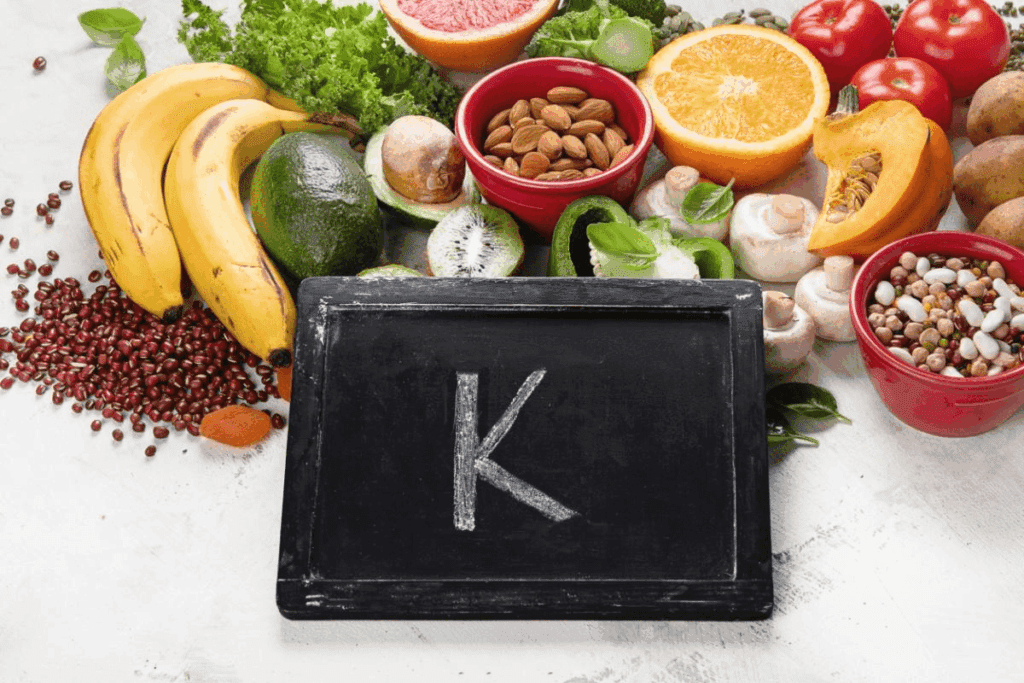
Knowing the basics of a healthy diet is key to staying well and avoiding long-term health issues. At Liv Hospital, we think that when patients are well-informed, they make better health choices.important food groupsFood to Eat to Combat Osteoporosis
The five main nutrition categories – vegetables, fruits, protein foods, grains, and dairy – are packed with nutrients and vitamins we need every day. Following the USDA MyPlate guidelines helps people make smart food choices and live a healthy life.
Learning about these nutrition categories is a big step towards reaching your health goals. We’re dedicated to giving our patients reliable nutrition advice to help them make healthy decisions.
Key Takeaways
- Understanding the five basic nutrition categories is essential for maintaining optimal health.
- The USDA MyPlate guidelines provide a framework for healthy eating.
- A balanced diet includes a variety of vegetables, fruits, protein foods, grains, and dairy.
- Making informed choices about your diet can help prevent chronic diseases.
- Liv Hospital is committed to providing clear, trustworthy nutrition guidance.
The Fundamentals of Nutritional Categories

Food is grouped into different categories for our health. Knowing these groups helps us see why a balanced diet is important.
Why Food Classification Matters for Health
Food groups tell us about their nutritional value. They help us see the nutrients like vitamins, minerals, proteins, and fats they offer. This lets us choose foods wisely for a balanced diet.
Balanced nutrition is vital for health. It means eating the right amounts of various foods. This keeps our body working well, supports growth, and boosts our health.
Preventing Chronic Diseases Through Balanced Nutrition
A balanced diet is key to avoiding chronic diseases. Eating foods from different groups lowers the risk of heart disease, diabetes, and some cancers. For example, eating fruits and veggies helps keep our hearts healthy and fights cancer.
Knowing about nutritional categories also helps with dietary needs. People with gluten intolerance can find gluten-free foods in the grain group. Vegetarians can find plant-based proteins.
By using nutritional categories and balanced nutrition, we can improve our health. This reduces the risk of chronic diseases and makes life better.
The 5 Important Food Groups and Their Nutritional Value
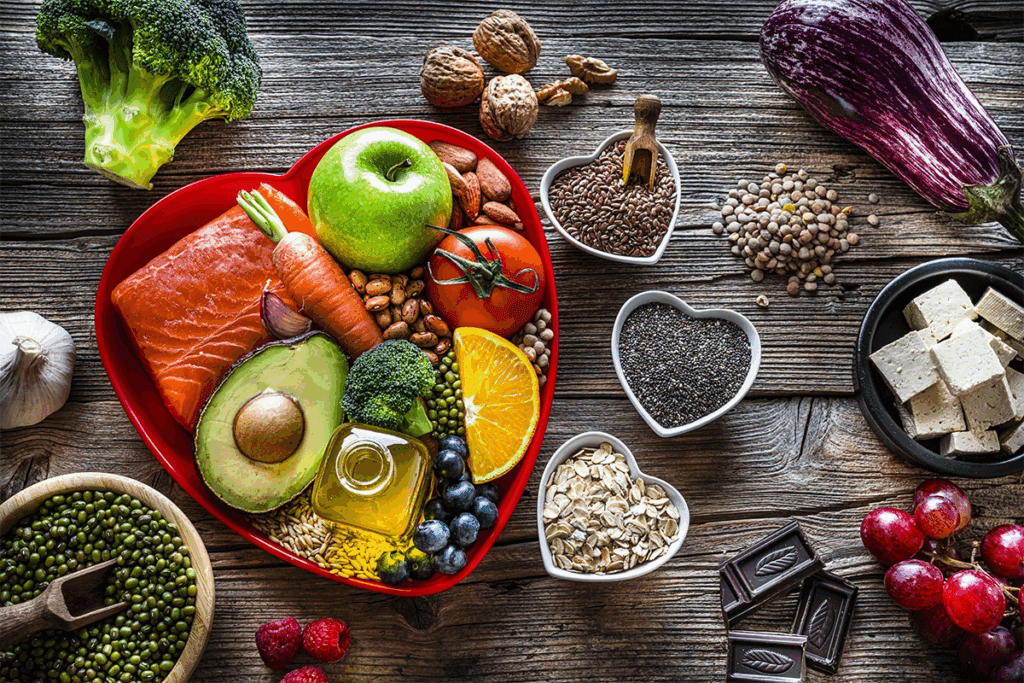
Knowing the nutritional value of the 5 important food groups is key to a balanced diet. We’ll see how these groups help our health and well-being.
USDA MyPlate Guidelines Overview
The USDA MyPlate guidelines make it easy to know how much of each food group we need. MyPlate is a simple guide for healthy eating.
It divides foods into five groups: vegetables, fruits, protein foods, grains, and dairy. This way, we get a mix of nutrients.
How Each Food Group Contributes to Overall Health
Each food group has special nutritional benefits. For instance, vegetables are full of vitamins and minerals. Fruits give us antioxidants and fiber.
- Vegetables: Full of vitamins A, C, and K, and minerals like potassium and magnesium.
- Fruits: Rich in vitamins C and A, potassium, and dietary fiber.
- Protein Foods: Important for muscle and tissue repair.
- Grains: Give us complex carbs, fiber, and B vitamins.
- Dairy: Good for bones with calcium, vitamin D, and protein.
Daily Recommended Servings by Category
Knowing how much of each food group to eat is important. The USDA MyPlate guidelines suggest the following daily servings:
Food Group | Daily Recommended Servings |
Vegetables | 2-3 cups |
Fruits | 1.5-2 cups |
Protein Foods | 5-6 ounces |
Grains | 6-8 ounces |
Dairy | 3 cups |
By following these guidelines, we can eat a balanced diet that meets our nutritional needs.
Vegetables: Colors, Varieties, and Nutritional Benefits
Vegetables come in many colors and types, each with its own nutritional perks. They are key to a healthy diet, packed with vitamins, minerals, and fiber.
Dark-Green Vegetables and Their Unique Benefits
Dark-green veggies like broccoli, spinach, and kale are full of vitamins A, C, and K. They also have minerals like calcium and iron. These foods are great for your eyes and can help prevent heart disease and diabetes.
Nutritional Highlights:
- High in vitamins A, C, and K
- Rich in minerals like calcium and iron
- Supports eye health
- May reduce the risk of chronic diseases
Red and Orange Vegetables: Antioxidant Powerhouses
Red and orange veggies, like bell peppers, carrots, and sweet potatoes, are full of antioxidants. These include beta-carotene and lycopene. These antioxidants protect cells and can lower the risk of cancer and heart disease.
The bright colors of these veggies are not just pretty; they show they’re full of antioxidants.
Key Benefits:
- Rich in antioxidants
- May reduce the risk of certain cancers
- Supports heart health
Beans, Peas, and Other Legumes: Protein-Rich Foods
Legumes, such as beans, lentils, and peas, are not just high in protein. They’re also full of fiber, vitamins, and minerals. They’re a great choice for vegetarians and vegans, and can be used in many dishes.
Nutritional Value:
- High in protein
- Rich in fiber, vitamins, and minerals
- Supports heart health
- Versatile in cooking
Fruits: Essential Vitamins and Natural Sweetness
Fruits are a key part of a healthy diet. They are packed with essential vitamins and minerals. Eating fruits daily can boost your health and happiness.
Whole Fruits vs. Fruit Juices: Nutritional Differences
Eating whole fruits is better than drinking fruit juices. Whole fruits have fiber, which is good for your digestion and keeps you full. Fruit juices, on the other hand, often have no fiber and may have added sugars.
Whole fruits have more nutrients than fruit juices. They have antioxidants, vitamins, and minerals that are lost when juiced. For example, oranges are full of vitamin C and fiber, but orange juice doesn’t have as much fiber.
Seasonal Fruits and Their Nutritional Profiles: Variety is Key
Eating seasonal fruits gives you a variety of nutrients all year. Seasonal fruits are fresher and taste better. Berries are full of antioxidants and are in season in the summer. Oranges and grapefruits are available in the winter.
Try different seasonal fruits to get more nutrients. Each season offers unique fruits with different vitamins and minerals. Apples, for example, are in season in the fall and are a good source of fiber and antioxidants.
Incorporating Fruits Into Daily Meals: Healthy Snacking
It’s easy to add fruits to your meals. You can put sliced fruits in your cereal or yogurt, blend them into smoothies, or just enjoy them as a snack. Make fruits a regular part of your diet by planning your meals around them.
Snacking on fruits can be both tasty and healthy. Try pairing fruits with nuts or cheese for a satisfying snack. For instance, apples with almond butter are a delicious and filling choice.
Protein Foods: Complete Sources for Body Function
Protein foods are key for our bodies to work right. Knowing the different types is important for a healthy diet. Protein helps fix muscles, grow them, and keep them strong.
Meat, Poultry, and Seafood Options
Animal-based proteins are varied and full of good stuff. Meat, poultry, and seafood are top choices for protein. They have all the amino acids our bodies need.
Meat like beef, pork, and lamb is packed with protein, iron, and zinc. Poultry, like chicken and turkey, is leaner with less fat. Seafood, including fish and shellfish, is high in protein and omega-3s, which are good for the heart.
Plant-Based Proteins
For those eating plants, there are many protein options. Beans, nuts, and seeds are great for protein and can be added to meals easily.
Legumes like lentils, chickpeas, and black beans are full of protein and fiber. Nuts and seeds, like almonds, chia seeds, and hemp seeds, offer protein and healthy fats. Mixing different plant proteins ensures you get all the amino acids your body needs.
“The key to a balanced diet is variety, and when it comes to protein, mixing different sources can provide all the necessary nutrients.”
Combining Protein Sources for Complete Nutrition
Mixing different proteins is key to getting all amino acids. This is very important for those eating plants.
For example, pairing whole grains with legumes or nuts with seeds gives a complete protein mix. Even for those eating animal proteins, changing up sources helps get a wide range of nutrients.
- Include a variety of protein sources in your diet.
- Mix animal-based and plant-based proteins for a balanced intake.
- Pay attention to the overall nutritional profile of your protein sources.
By knowing the different proteins and how to mix them, you can get all the nutrients your body needs. This supports your overall health.
Grains: Complex Carbohydrates for Energy
Grains are a key source of energy for our bodies. They provide the complex carbs we need to work well. There are two main types: whole grains and refined grains, each with its own nutritional benefits.
Fiber Content and Nutritional Benefits
Whole grains are packed with fiber, vitamins, and minerals. Foods like brown rice, quinoa, and whole-wheat bread fall into this category. The fiber in whole grains helps with digestion and keeps you feeling full longer, which can help with weight management.
Key benefits of whole grains include:
- High fiber content
- Rich in vitamins and minerals
- Supports healthy digestion
Understanding Refined Grains
Refined grains, like white bread and white rice, have been processed to remove the bran and germ. This process takes away most of their nutritional value, leaving mainly carbs. While they do provide energy, they lack the fiber and nutrients of whole grains.
It’s okay to have some refined grains, but it’s important to do so in moderation. Moderation is key when it comes to refined grains.
Alternatives for Those with Dietary Restrictions
For those with gluten intolerance or celiac disease, gluten-free grain options are a must. Grains like rice, corn, and gluten-free oats are good choices. It’s important to pick gluten-free products that are made in facilities that don’t handle gluten-containing grains.
Here are some gluten-free grains and how to use them:
Gluten-Free Grain | Use in Cooking |
Rice | Side dishes, sushi |
Corn | Grilled, boiled, or made into flour |
Gluten-Free Oats | Oatmeal, baking |
Dairy: Essential Nutrients for Bone Health
The dairy group is packed with nutrients like calcium, potassium, and vitamin D. These are key for keeping bones strong. Dairy has been a mainstay in many diets, bringing vital nutrients for health.
Milk, Cheese, and Yogurt Benefits
Milk, cheese, and yogurt are full of nutrients for bones. Calcium is famous for building strong bones and teeth. Potassium helps keep body fluids balanced and blood pressure healthy. Vitamin D, often added to dairy, is key for calcium use and bone health.
- Milk is a top source of calcium and vitamin D.
- Cheese is packed with calcium and protein.
- Yogurt has probiotics for gut health, plus calcium and protein.
Plant-Based Dairy Alternatives
Plant-based dairy options are great for those with dietary needs. Made from almonds, soybeans, and oats, they’re fortified with calcium, vitamin D, and vitamin B12. This makes them similar to dairy in nutrition.
Calcium, Potassium, and Vitamin D Requirements
Knowing your calcium, potassium, and vitamin D needs is important for bones. Adults need about 1,000 mg of calcium, 4,700 mg of potassium, and 600-800 IU of vitamin D daily.
- Calcium is vital for bone strength.
- Potassium keeps blood pressure in check.
- Vitamin D helps with calcium absorption.
Eating dairy or plant-based alternatives can help meet these needs. This supports bone health.
Hydration: Water and Its Role in Nutrition
Drinking enough water is key for our bodies to work right. It makes up about 60% of our weight. Water helps keep our body temperature stable and our organs working well.
Is Water a Food Group? Understanding Hydration
Many people wonder if water should be a food group. Even though it’s not officially one, it’s very important for our health. Drinking water and eating foods with water are both important for staying hydrated.
Understanding hydration means knowing how water helps our bodies. It’s needed for digestion and getting nutrients from food. It also helps keep our blood pressure healthy.
Hydration Requirements and Food Sources of Water
How much water do we need? It depends on our age, sex, weight, and how active we are. Most doctors say we should drink at least eight glasses a day. But, this can change for each person.
We can also get water from food. Fruits, vegetables, and soups are good sources. They help us stay hydrated without just drinking water.
- Fruits like watermelon and cucumbers have high water content.
- Vegetables such as celery and lettuce contribute to our hydration needs.
- Beverages like milk and juice also contain water.
Eating a variety of hydrating foods is important. It’s not just about drinking water. It’s about eating a balanced diet that includes foods with water.
Meal Planning Using the 5 Food Categories
To eat healthily, it’s key to plan meals with all 5 food categories. This mix offers a balanced diet. Understanding the nutritional value of each group is important for good health.
Breakfast Combinations for Optimal Nutrition
Starting with a nutritious breakfast is vital. Combining foods from different categories is a good way to get optimal nutrition. For example, whole-grain toast (Grains), scrambled eggs (Protein), and fresh berries (Fruits) provide a balanced mix.
Another great breakfast is oatmeal with milk (Dairy), nuts (Protein), and banana slices (Fruits). This mix gives you energy and is rich in fiber, protein, and potassium.
Lunch and Dinner Balanced Plate Examples
For lunch and dinner, aim for a balanced plate with foods from the 5 categories. A good plate might have grilled chicken (Protein), roasted veggies (Vegetables), quinoa (Grains), and a side salad.
Dinner could be baked salmon (Protein), steamed broccoli (Vegetables), brown rice (Grains), and low-fat milk (Dairy). This meal balances protein, healthy fats, carbs, and vitamins.
Healthy Snacks from Different Food Groups
Snacking is a chance to add more nutrients. Healthy snacks come from various groups. Carrot sticks (Vegetables) with hummus (Protein) or fresh fruit (Fruits) or nuts (Protein) are good choices.
Apple slices (Fruits) with almond butter (Protein) or Greek yogurt (Dairy) with berries (Fruits) are also nutritious. They offer vitamins, minerals, and protein.
Special Dietary Considerations and Food Group Adaptations
Special diets need a careful look at food groups to keep nutrition balanced. People with certain dietary needs or restrictions need plans made just for them.
Vegetarian and Vegan Food Group Substitutions
For those on vegetarian or vegan diets, finding good substitutes in the five food groups is key. Vegetarians can eat dairy and eggs, giving them more protein options. Vegans, on the other hand, must stick to plant-based foods for all their needs.
Some important swaps include:
- Beans, lentils, and tofu for meat and poultry.
- Nuts and seeds for healthy fats instead of dairy.
- Fortified plant milk for calcium and vitamin D.
Food Allergies and Alternative Sources
Dealing with food allergies means finding new sources of important nutrients. Common allergens are nuts, shellfish, dairy, and gluten. People with these allergies need foods that offer the same nutrients but are safe for them.
For example:
Allergen | Alternative Sources |
Dairy | Almond milk, soy milk, coconut milk |
Gluten | Gluten-free grains like rice, quinoa, and corn |
Age-Specific Nutritional Needs Across Food Groups
Nutritional needs change as we age, so food group intake must adjust. For example, older adults need more calcium and vitamin D for bones. Children need enough protein for growing.
Knowing these age-specific needs is key for:
- Ensuring enough nutrition during important growth times.
- Helping manage health issues with diet changes.
By tailoring food groups to meet individual needs, we can ensure good nutrition at every age.
Conclusion: Building Lifelong Healthy Eating Habits
Knowing the 5 important food groups is key to lasting healthy eating habits. By understanding their nutritional value, we can make better diet choices. This helps us keep a healthy lifestyle.
The 5 food groups – vegetables, fruits, protein foods, grains, and dairy – are essential for health. Eating a variety of foods from these groups gives us the nutrients we need. This supports energy, growth, and overall well-being.
To build lasting healthy eating habits, we must use what we’ve learned about the 5 food groups. This helps prevent chronic diseases and keeps our weight healthy. It also supports our overall health. With this knowledge, we can make choices that keep our diet balanced and support lifelong nutrition.
FAQ
What are the 5 basic food groups?
The 5 basic food groups are vegetables, fruits, protein foods, grains, and dairy. These groups give us the nutrients and vitamins we need every day.
What food group are sweet potatoes in?
Sweet potatoes are in the vegetable group, more precisely as starchy vegetables. They are full of nutrients and offer many health benefits.
What is the importance of understanding the different food groups?
Knowing the different food groups is key to a balanced diet and avoiding chronic diseases. It helps us make smart food choices.
How many food groups are there?
There are 5 main food groups: vegetables, fruits, protein foods, grains, and dairy. These groups are the base of a healthy diet.
What food group is peanut butter in?
Peanut butter is a protein food, rich in protein. It’s also a healthy fat when eaten in moderation.
Is water considered a food group?
No, water is not a food group. But, it’s vital for staying hydrated and is part of good nutrition.
What are the daily recommended servings for each food group?
Daily servings vary by age, sex, and activity level. The USDA MyPlate guidelines offer a general guide for servings.
How can I incorporate fruits into my daily meals?
You can add fruits to your meals in many ways. Try a fruit salad for breakfast, snack on fresh fruits, or mix fruits into oatmeal or yogurt.
What are some examples of protein-rich foods?
Protein-rich foods include meat, poultry, seafood, beans, nuts, and seeds. They give us the amino acids our bodies need.
What are the nutritional benefits of whole grains?
Whole grains are packed with fiber, vitamins, and minerals. They help lower the risk of heart disease and diabetes.
How can I manage food allergies and dietary restrictions?
To manage food allergies and dietary restrictions, plan carefully and read food labels. Find substitutes with similar nutritional values.
What are the nutritional requirements for calcium, potassium, and vitamin D?
Calcium, potassium, and vitamin D are vital for strong bones and health. The amount needed varies by age and other factors.
References
National Center for Biotechnology Information. Evidence-Based Medical Guidance. Retrieved from https://pmc.ncbi.nlm.nih.gov/articles/PMC7071223/