Salmonella is a foodborne infection causing diarrhea and fever. Liv Hospital provides fast diagnosis and treatment.
Send us all your questions or requests, and our expert team will assist you.
Overview and Definition of Salmonella Infection
The overview and definition of Salmonella infection provides essential insight for patients and caregivers seeking clear, medically‑accurate information. Salmonella bacteria are a leading cause of food‑borne illness worldwide, affecting millions each year. This page delivers a thorough explanation of what the infection entails, who is most at risk, and how it is managed in a modern, JCI‑accredited hospital setting. Whether you are an international traveler, a patient planning treatment, or a family member looking for guidance, the information below equips you with the knowledge needed to recognize, diagnose, and address this common infectious disease.
Understanding the overview and definition of Salmonella infection is the first step toward effective prevention and timely care. In the following sections we explore the bacteria’s biology, clinical presentation, diagnostic methods, therapeutic options, and strategies to reduce exposure. By the end of this guide, you will have a clear picture of the condition and the resources available at Liv Hospital for comprehensive, patient‑centered treatment.

What Is Salmonella Infection?

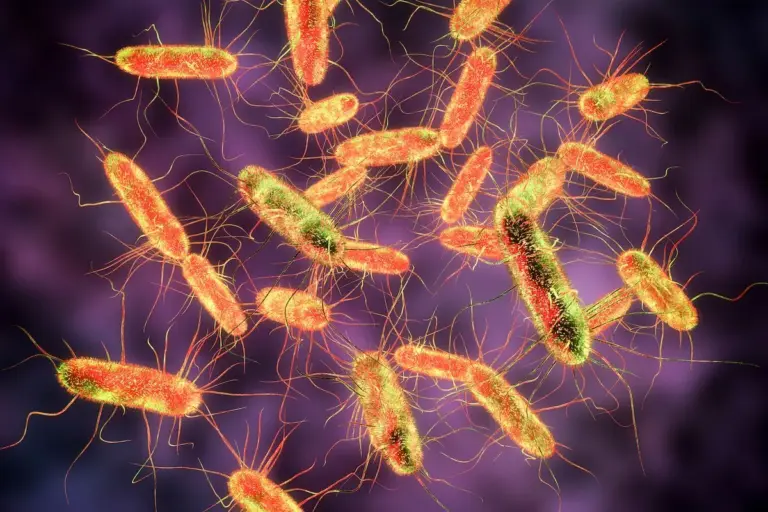
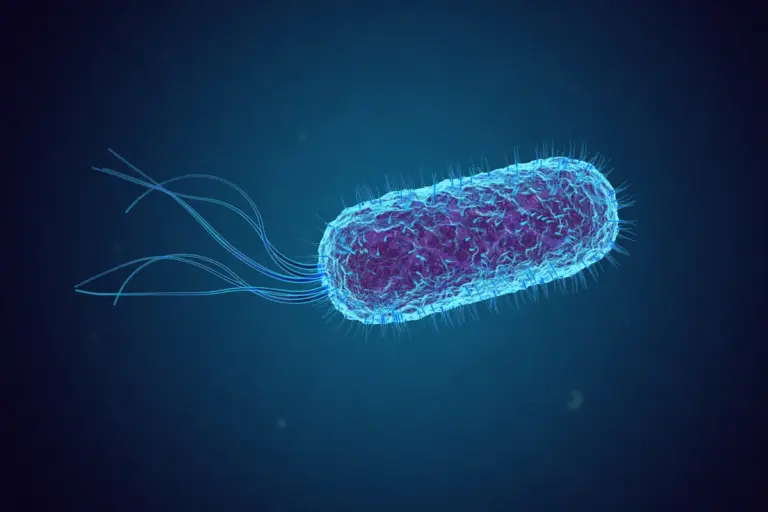
Salmonella infection, also known as salmonellosis, is an intestinal disease caused by the Gram‑negative bacteria of the genus Salmonella. These organisms are typically transmitted through contaminated food or water, and they can also spread via direct contact with infected animals. The infection primarily affects the gastrointestinal tract, leading to inflammation and a range of systemic symptoms.
There are more than 2,500 identified serotypes of Salmonella, but only a handful are responsible for the majority of human disease. The most common serotypes include Salmonella enterica serovar Typhimurium and serovar Enteritidis. These strains are prevalent in poultry, eggs, dairy products, and produce that has been mishandled.
Key characteristics of Salmonella infection include:
Below is a concise table summarizing the most frequent transmission routes and typical sources:
Transmission Route | Typical Source
|
|---|---|
Foodborne | Undercooked poultry, eggs, raw milk |
Waterborne | Contaminated drinking water, ice |
Animal Contact | Reptiles, amphibians, livestock |
Cross‑contamination | Improper kitchen hygiene, shared utensils |
Understanding the overview and definition of this infection helps patients recognize risk factors and seek appropriate care promptly.

Symptoms and Clinical Presentation

The clinical picture of Salmonella infection varies from mild, self‑limiting gastroenteritis to severe, life‑threatening sepsis. Most patients experience symptoms within a day of exposure, and the disease course typically lasts 4‑7 days, though some cases may persist longer.
Common symptoms include:
In certain high‑risk groups—such as infants, the elderly, and individuals with weakened immune systems—the infection can progress to bacteremia, meningitis, or osteomyelitis. Recognizing these warning signs early is crucial for preventing complications.
Below is a timeline chart that outlines typical symptom progression:
Time After Exposure | Typical Symptoms |
|---|---|
0‑24 hours | Incubation; usually asymptomatic |
24‑72 hours | Fever, abdominal cramps, diarrhea |
3‑5 days | Peak of symptoms; possible dehydration |
5‑7 days | Gradual resolution in most patients |
Providing an accurate overview and definition of the symptomatology enables patients to differentiate Salmonella infection from other gastrointestinal illnesses and seek timely medical evaluation.
Diagnosis and Laboratory Testing
Accurate diagnosis of Salmonella infection relies on a combination of clinical assessment and targeted laboratory investigations. While the presence of characteristic symptoms raises suspicion, definitive confirmation requires microbiological evidence.
Key diagnostic steps include:
The table below compares common diagnostic modalities:
Test | Specimen | Sensitivity | Turn‑around Time
|
|---|---|---|---|
Stool Culture | Feces | 70‑90% | 48‑72 hrs |
Blood Culture | Blood | 30‑50% (invasive cases) | 24‑48 hrs |
PCR | Stool or Blood | >95% | 6‑12 hrs |
Serology | Blood | Variable | 1‑2 weeks |
At Liv Hospital, samples are processed in a state‑of‑the‑art microbiology laboratory, ensuring rapid and reliable results that guide effective treatment. A clear overview and definition of diagnostic pathways assists patients in understanding the steps involved in confirming the infection.

Treatment Options and Management Strategies
Management of Salmonella infection focuses on supportive care, hydration, and, when indicated, targeted antimicrobial therapy. Most healthy adults recover without antibiotics, but certain populations benefit from pharmacologic intervention.
Core components of treatment include:
Below is a concise treatment algorithm:
Patient Category | Recommended Therapy | Duration
|
|---|---|---|
Healthy adult, mild disease | Supportive care only | Symptom‑guided |
Infants < 12 months | Ceftriaxone IV | 7‑10 days |
Immunocompromised | Ciprofloxacin oral or IV | 10‑14 days |
Severe bacteremia | Broad‑spectrum IV antibiotics, then de‑escalate | 14‑21 days |
Liv Hospital’s multidisciplinary team tailors therapy to each patient’s clinical status, underlying conditions, and antimicrobial susceptibility patterns. Providing a comprehensive overview and definition of treatment options helps patients set realistic expectations and understand the rationale behind each intervention.
Prevention, Food Safety, and Travel Advice
Prevention remains the most effective strategy against Salmonella infection. Simple, evidence‑based practices can dramatically reduce the risk of exposure, especially for travelers and individuals handling food.
Key preventive measures include:
The following checklist is designed for international patients preparing for travel:
Pre‑Travel Action | Why It Matters
|
|---|---|
Vaccination review | Ensures immunity against related pathogens (e.g., typhoid) |
Pack oral rehydration salts | Ready treatment for possible mild diarrhea |
Research local food safety standards | Identifies high‑risk dishes and establishments |
Carry a medical travel insurance plan | Facilitates access to care at facilities like Liv Hospital |
By integrating these practices, patients can enjoy safer travel experiences while minimizing the chance of acquiring a Salmonella infection. This preventive overview and definition equips readers with actionable steps to protect themselves and their families.
Potential Complications and Prognosis
While many cases of Salmonella infection resolve without lasting effects, certain complications can arise, particularly in vulnerable populations.
Common complications include:
Prognosis depends on age, immune status, and timeliness of treatment. Healthy adults typically recover fully within a week, whereas infants, the elderly, and immunocompromised patients face higher morbidity and mortality rates. Early detection and appropriate management at a facility like Liv Hospital significantly improve outcomes.
An overview and definition of the disease’s potential sequelae help patients recognize when to seek urgent care, thereby reducing the risk of severe complications.
Why Choose Liv Hospital ?
Liv Hospital offers a JCI‑accredited, patient‑focused environment designed for international patients dealing with infectious diseases such as Salmonella infection. Our multidisciplinary teams combine expertise in gastroenterology, infectious disease, and critical care to deliver personalized treatment plans. Comprehensive services include 24‑hour interpreter support, coordinated transportation, and assistance with accommodation, ensuring a seamless experience from admission to discharge.
Choosing Liv Hospital means accessing world‑class medical care backed by advanced diagnostics, evidence‑based therapies, and a commitment to safety and comfort for patients traveling from abroad.
Ready to take control of your health? Contact Liv Hospital today to schedule a consultation with our infectious disease specialists. Our dedicated international patient team will guide you through every step, from pre‑travel advice to post‑treatment follow‑up.

Send us all your questions or requests, and our expert team will assist you.
Salmonella bacteria are Gram‑negative organisms found in the intestines of humans and animals. The most common routes of transmission are consumption of undercooked poultry, eggs, raw milk, and contaminated produce. Waterborne outbreaks can occur when drinking water is polluted, and animal contact—especially with reptiles, amphibians, or livestock—can also spread the bacteria. Over 2,500 serotypes exist, but a few, such as Salmonella Typhimurium and Enteritidis, are responsible for the majority of human disease.
After an incubation period of 6‑72 hours, most patients develop acute gastrointestinal symptoms. Fever often ranges from 38°C to 40°C, accompanied by abdominal pain and watery or bloody diarrhea. Nausea and occasional vomiting are also frequent. In high‑risk groups—infants, the elderly, and immunocompromised individuals—the infection can progress to bacteremia, meningitis, or osteomyelitis, making early recognition crucial.
While clinical presentation raises suspicion, laboratory confirmation is essential. Stool culture remains the gold standard, isolating Salmonella in 70‑90% of acute cases. Blood cultures are indicated for patients with systemic signs or immunosuppression. Serological tests can identify antibodies for retrospective diagnosis, and PCR offers rapid detection with >95% sensitivity, delivering results within 6‑12 hours. At Liv Hospital, samples are processed in a modern microbiology lab to ensure accurate and timely results.
In healthy adults with mild gastroenteritis, supportive care without antibiotics is preferred to avoid promoting resistance. Antibiotic therapy is recommended for infants, the elderly, immunocompromised patients, or those with bacteremia, meningitis, or osteomyelitis. First‑line agents include fluoroquinolones such as ciprofloxacin and third‑generation cephalosporins like ceftriaxone, chosen based on susceptibility patterns and clinical severity.
Travelers should ensure poultry, eggs, and meat reach an internal temperature of at least 74°C (165°F) and avoid raw or undercooked eggs. Fruits and vegetables must be washed under running water, and hand washing with soap for at least 20 seconds is essential after handling raw foods, animals, or using the restroom. Storing perishables at ≤4°C (40°F) and reheating leftovers to steaming hot reduces risk. Choosing reputable restaurants and being cautious with street food further lowers exposure.

 Infectious Diseases
 Infectious Diseases
 Infectious Diseases
 Infectious Diseases
 Infectious Diseases
 Infectious Diseases
Your Comparison List (you must select at least 2 packages)