

Infiltration occurs when IV fluids or medicines leak from a vein into the surrounding tissues. This can cause minor swelling or serious injuries. At Liv Hospital, we focus on this issue to keep patients safe and provide top-notch care.
Every year, about 34 million patients in the U.S. face infiltration. This shows how important it is to know about it and take steps to prevent it. We aim to give our patients the best care possible, reducing the chance of such problems.
Key Takeaways
- Infiltration is a common complication in healthcare settings, affecting millions of patients annually.
- It occurs when IV fluids or medications leak into surrounding tissues, potentially causing a range of complications.
- Understanding infiltration is key for patient safety and hospital excellence.
- Preventive measures and awareness are vital to lower the risk of infiltration.
- Liv Hospital is committed to delivering world-class healthcare and preventing complications like infiltration.
Understanding Infiltration in Medical Context
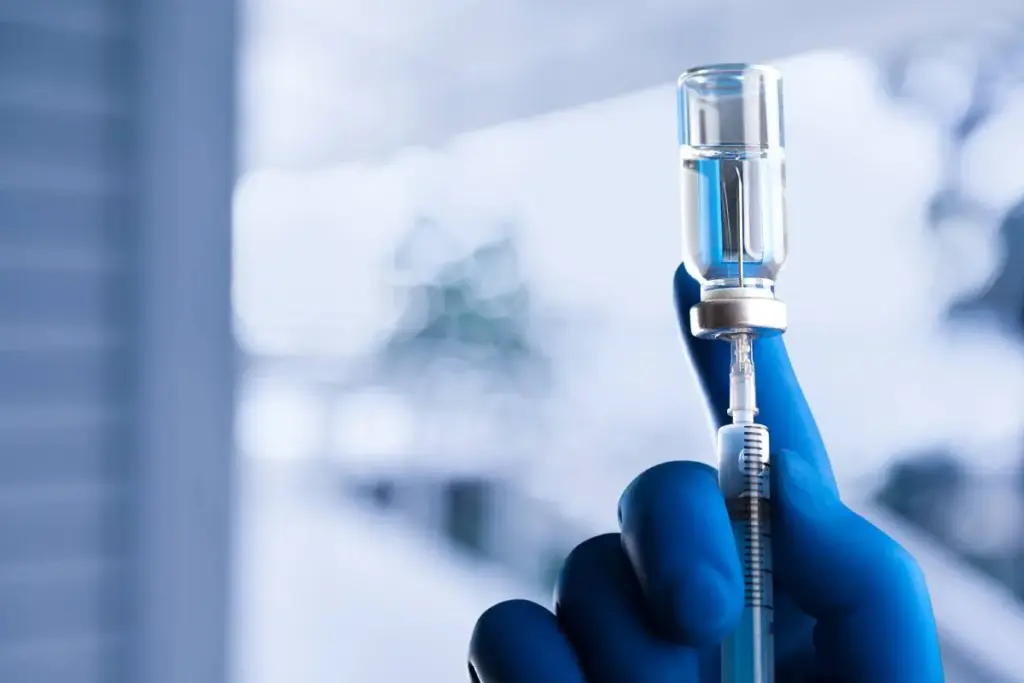
It’s key to know about infiltration to handle IV therapy well. Infiltration happens when IV fluids or meds leak into the tissue around the vein. This can cause anything from mild pain to serious tissue harm.
Definition of Infiltration in IV Therapy
In IV therapy, infiltration means IV fluids or meds leak into the tissue. This can be due to bad catheter placement, it getting moved, or too much pressure in the vein. Studies show 35% to 50% of IV catheters fail, with 20-23% due to infiltration. This is a big issue in healthcare, as seen in.
|
Causes of Infiltration |
Consequences |
|---|---|
|
Improper catheter placement |
Tissue damage |
|
Dislodgment of catheter |
Swelling and pain |
|
Increased venous pressure |
Inflammation |
How Infiltration Differs from Extravasation
Infiltration and extravasation are often mixed up, but they’re not the same in IV therapy. Infiltration is when non-harmful fluids leak into tissue. Extravasation is when harmful fluids leak, causing more damage. Knowing the difference helps healthcare workers prevent and manage problems better.
By spotting the signs of infiltration and knowing its differences with extravasation, healthcare pros can act fast. This helps keep patients safe and improves their care.
The Mechanism of Infiltration in the Body
Infiltration happens when IV fluids leak into the tissues around the IV site. This can cause both small and big problems. It can happen for many reasons, like the IV not being placed right, the IV catheter moving, or too much pressure on the IV site.
How IV Fluids Leak into Surrounding Tissues
When an IV catheter isn’t put in right or comes out, fluids can leak into the tissues. This can get worse if the patient moves a lot or if there’s too much pressure on the IV site. This can make the area swell, hurt, and get inflamed.
Studies have found that infiltration can cause serious problems. It can even lead to tissue necrosis needing surgery.
Physiological Response to Infiltrated Substances
The body reacts differently to substances that leak into it. It can get inflamed, swell, and even get damaged. How bad the reaction is depends on the type of fluid and how much leaks in.
Knowing how the body reacts helps us find better ways to stop and treat infiltration. This can make patients better faster and save money on healthcare costs.
Common Types of Infiltration in Healthcare Settings
Knowing the different types of infiltration is key for good patient care. Infiltration can happen through many medical actions. Being aware of these types helps healthcare workers spot and handle risks.
Peripheral IV Infiltration
Peripheral IV infiltration is a common issue in healthcare. It happens when IV fluids or meds leak into the tissue instead of the vein. This can be due to wrong catheter placement, it getting dislodged, or vein damage. Patients with peripheral IVs need close watching to catch any signs of infiltration early.
Critically ill or intubated patients face a higher risk. They can’t easily tell us when something’s wrong. A study found that “the incidence of IV infiltration in critically ill patients can be as high as 27.5%”
. This shows we must watch them closely and take steps to prevent it.
|
Risk Factors |
Description |
|---|---|
|
Improper Catheter Placement |
Incorrect positioning of the IV catheter |
|
Vein Damage |
Damage to the vein during or after IV insertion |
|
Dislodgment |
IV catheter becomes dislodged from the vein |
Central Line Infiltration
Central line infiltration is less common but more dangerous. It happens when the central line, in a major vein, gets infiltrated. This can cause serious problems like mediastinitis or cardiac tamponade. Central lines are often used in critical care for administering high-volume or vasoactive medications, making the risk of infiltration a big worry.
Managing central line infiltration means using careful insertion techniques, regular checks, and securement devices to stop the catheter from moving. Healthcare workers must know the signs of infiltration, like swelling or discomfort around the catheter site, and act fast.
By knowing the types of infiltration and their risks, healthcare providers can use better infiltration prevention and infiltration mitigation strategies. This helps make patient care safer.
Prevalence and Statistics of Infiltration
It’s key to know the stats on infiltration to fight it well. Infiltration is a big deal in healthcare, harming patient safety and results.
Recent studies have shown how common infiltration is in healthcare. We’ll look at the numbers in U.S. hospitals and worldwide. This will help us see how big of a problem it is.
Infiltration Rates in U.S. Hospitals
In the U.S., infiltration is a big issue with IV therapy. Studies say it happens in a lot of patients getting IVs.
- About 4.4% of infiltration cases are very serious. This shows we need to watch patients closely and act fast.
- Infiltration rates change in different hospitals. Some patients are more at risk than others.
Global Perspective on Infiltration Incidents
Worldwide, infiltration is a big worry. Healthcare systems around the world see different rates of infiltration. This depends on how they manage IVs and train staff.
- A global survey found infiltration is a top issue with IVs.
- It’s vital to have strong infiltration protection to lower the risk. This keeps patients safe.
Knowing these stats helps us see why we must tackle infiltration. We need better practices and tech to fight it.
Risk Factors for Developing Infiltration
Understanding the risk factors for infiltration is key to preventing it. Healthcare professionals can take steps to keep IV therapy safe for patients. This includes knowing what increases the risk.
Patient-Related Risk Factors
Patient factors greatly affect the risk of infiltration. Age is a big factor, as young and old are more at risk. Their skin and blood vessels are more fragile.
Patients with chronic conditions like diabetes face higher risks. So do those who are malnourished. A patient’s overall health, including hydration and edema, also matters.
Other factors include venous fragility and a history of infiltration. Patients who can’t communicate well or move easily are also at higher risk. This is because it’s harder to check and keep their IV sites safe.
Procedure and Equipment-Related Risk Factors
The way IV therapy is done and the tools used matter a lot. Infiltration techniques and infiltration methods must be done right. Wrong placement or too big IV catheters can cause problems.
The type of fluid and how fast it’s given also matter. Some fluids can irritate more or need more careful delivery. The skill and training of the staff putting in IVs are also key. Inadequate training can lead to more infiltration.
Regular checks and use of the right equipment and tech, like electronic monitors, help reduce risks. This makes IV therapy safer for everyone.
Recognizing Signs and Symptoms of Infiltration
Spotting infiltration early is key to better patient care. It happens when IV fluids leak into the tissue around them. This can lead to swelling, pain, and other issues. We’ll cover the signs and symptoms, from the first hints to the more serious ones.
Early Warning Signs
It’s vital to catch infiltration early. Look out for swelling, cool skin, and pain around the IV site. Patients might also feel tightness or tenderness where the IV is.
Healthcare teams need to watch for these signs closely. Catching them early can stop small problems from getting worse. This is a big part of infiltration detection and infiltration prevention.
Advanced Symptoms of Severe Infiltration
As infiltration gets worse, symptoms get more serious. Look for big swelling, severe pain, and a stiff limb. These are signs of severe infiltration.
In the worst cases, skin damage or nerve problems can happen. It’s critical for healthcare providers to act fast. This helps avoid lasting harm.
Diagnosing Infiltration in Clinical Settings
Diagnosing infiltration involves several methods, from simple checks to advanced tools. It’s key to catch it early to avoid problems.
Visual Assessment Techniques
Visual checks are the first step in spotting infiltration. Doctors look for swelling, redness, and cool skin around the IV site. They judge how bad it is by how much these signs show up.
Key visual indicators include:
- Swelling or edema around the IV site
- Redness or inflammation
- Pallor or blanching
- Coldness to the touch
Advanced Diagnostic Methods
For some cases, we use more detailed tests to confirm and measure infiltration. These include ultrasound and other imaging to see how much fluid has leaked into tissues.
|
Diagnostic Method |
Description |
Advantages |
|---|---|---|
|
Ultrasound |
Uses sound waves to detect fluid leakage |
Non-invasive, quick results |
|
Infrared Thermography |
Detects temperature changes around the IV site |
Early detection of infiltration |
By mixing simple checks with detailed tests, we can spot infiltration right and take the right steps. This might mean moving the IV or using special treatments to stop it.
Grading Systems for Infiltration Severity
Grading systems help standardize how we assess and treat patients with infiltration. These systems let healthcare professionals know how severe the infiltration is. This way, we can make sure our patients get the best care.
The Infiltration Scale
The infiltration scale is a common way to measure how bad infiltration is. It goes from 0 to 4, with 0 meaning no problem and 4 meaning it’s very bad. We look at symptoms like pain, swelling, and coolness or blanching around the IV site to decide the grade.
|
Grade |
Clinical Symptoms |
|---|---|
|
0 |
No symptoms |
|
1 |
Pain or discomfort at the IV site |
|
2 |
Pain, swelling, and/or redness |
|
3 |
Pain, swelling, redness, and/or blanching |
|
4 |
Severe pain, swelling, and/or skin ulceration |
Clinical Implications of Different Grades
The grade of infiltration matters a lot. For grades 0-1, we might just watch and adjust the IV site. But for grades 2-4, we need to act fast. This could mean stopping the IV, using warm or cold compresses, or even surgery for the worst cases.
Knowing how to grade infiltration is key for infiltration protection and care. By accurately checking how bad the infiltration is, we can give the right care. This helps avoid problems and makes patients better faster.
Complications and Consequences of Infiltration
Infiltration can cause many problems, making it key to prevent and manage it well. It’s a common issue in IV therapy that affects patient care and outcomes. Knowing these complications helps healthcare providers give better care.
Minor Complications
Minor issues from infiltration include cellulitis and blistering. These can be uncomfortable and might get worse if not treated right. For example, cellulitis needs antibiotics. Good wound care and watching for signs are key to stop these problems from getting worse.
- Localized swelling and redness
- Pain at the IV site
- Skin irritation or blistering
It’s important for healthcare providers to spot these issues early. Teaching patients to recognize symptoms and report them is also critical.
Severe Adverse Events and Long-term Consequences
Infiltration can also cause serious problems with long-term effects. Severe cases can lead to compartment syndrome, which can damage tissues. It might also cause long-term nerve damage or chronic pain.
“Prompt recognition and management of infiltration are critical to preventing severe complications and ensuring optimal patient outcomes.” – Expert in IV Therapy
Dealing with severe infiltration needs quick action, like stopping the IV line and possibly surgery for compartment syndrome. Long-term effects can include scarring, ongoing pain, and mobility issues. This shows why it’s important to act early to avoid these problems.
- Immediate discontinuation of the IV line
- Assessment for possible complications
- Proper wound care and management
Understanding the risks of infiltration helps healthcare providers manage and prevent these issues. This improves patient care and safety.
Treatment Approaches for Infiltration
Infiltration treatment combines quick fixes and long-term plans. It’s key to manage infiltration well to avoid problems and help patients get better. We’ll cover the main ways to treat infiltration, focusing on both quick actions and ongoing care.
Immediate Interventions
When infiltration is spotted, acting fast is vital. The first thing to do is stop the infusion and take out the IV catheter if it’s safe. We check how bad the infiltration is to decide what to do next.
For minor cases, just raising the affected limb and using warm or cold packs might help. But for serious cases, we might need to use medicine to control pain and prevent more issues.
|
Severity |
Immediate Intervention |
|---|---|
|
Mild |
Elevate limb, apply warm/cold compress |
|
Moderate |
Stop infusion, consider pharmacological intervention |
|
Severe |
Stop infusion, remove IV catheter, possible surgical intervention |
Long-term Management Strategies
Managing infiltration long-term means watching the area for any signs of trouble and helping it heal. We teach patients how to take care of the area and watch for any signs of problems. Sometimes, treatments like physical therapy are needed to get the limb working right again.
Regular check-ups are important to see how the area is healing and adjust the treatment plan if needed. This way, we can lessen the impact of infiltration and help patients recover fully.
Prevention Strategies for Reducing Infiltration Risk
Infiltration prevention is about using the best methods for IV insertion and care. It also involves training and educating staff well. These steps help healthcare workers keep patients safe during IV treatments.
Best Practices in IV Insertion and Maintenance
Good IV insertion and care are key to avoiding infiltration. This means picking the right catheter size and type. It also means making sure the IV line is secure and watching the site for signs of trouble.
We suggest following for these steps. This helps lower the risk of infiltration.
Keeping the area clean during IV insertion and using sterile tools is also important. Checking the IV site often and removing the catheter when needed is vital.
Staff Training and Education Programs
Training and education for staff are critical in preventing infiltration. Healthcare workers need to learn about IV insertion, care, and spotting early signs of infiltration. We stress the need for ongoing learning to stay current with IV therapy advancements.
Investing in staff training improves patient care and lowers infiltration risks. This approach boosts patient safety and fosters a culture of excellence in healthcare.
Special Considerations for High-Risk Patient Populations
High-risk patient groups face a higher risk of infiltration. This calls for special care strategies. Healthcare providers must know the unique challenges and create tailored plans to prevent and manage infiltration.
Pediatric Patients
Pediatric patients are more at risk due to smaller veins and harder IV access. Careful selection of IV site and device is key. We must watch for early signs of infiltration closely.
It’s also important to remember that kids can’t always tell us when they’re in pain. So, we need to watch them very closely.
Elderly Patients
Elderly patients are also at high risk. This is because of fragile skin, less mobility, and possible cognitive issues. Infiltration can cause serious problems like skin breakdown and slow healing.
So, we need to use gentle techniques when inserting IVs. We also need to check the IV site often.
Critically Ill and Intubated Patients
Critically ill and intubated patients are at a big risk for infiltration. They might not be able to tell us about symptoms or might not be aware of their surroundings. Close monitoring by healthcare staff is essential. We also use advanced tech for early detection of infiltration.
Some important strategies include:
- Regular visual inspection of the IV site
- Use of infiltration detection devices
- Frequent assessment of patient comfort and vital signs
By understanding these special needs, we can give better care to high-risk patients. This helps reduce the risk of infiltration and its complications.
Technological Advancements in Infiltration Detection
Technology has greatly improved how we find infiltration in healthcare. Electronic monitoring systems are a big step forward.
Electronic Monitoring Systems
Electronic monitoring systems watch IV sites all the time for signs of infiltration. They use sensors to spot changes in temperature, pressure, or other signs that might mean infiltration is happening.
The good things about these systems are:
- They find infiltration early, which lowers the chance of serious problems
- They keep watching, so nurses can act fast
- They cut down on the need for manual checks, making nursing work better
Future Innovations in Early Detection
New ideas in finding infiltration might include better sensors and using artificial intelligence (AI) to stop it before it starts.
|
Innovation |
Description |
Potential Benefits |
|---|---|---|
|
Advanced Sensor Technologies |
More sensitive and specific sensors for detecting infiltration |
Earlier detection, reduced false positives |
|
Artificial Intelligence (AI) Integration |
Using AI to analyze data from sensors and predict infiltration risk |
Proactive prevention, personalized care plans |
Liv Hospital’s Approach to Infiltration Prevention and Management
At Liv Hospital, we put patient safety first. We have a detailed plan for preventing and managing infiltration. Our goal is to give our patients the best care possible.
Mission and Vision in Patient Safety
We aim to provide top-quality medical care. We focus on keeping our patients safe and happy. Our team gets regular training and uses the latest technology to spot problems early.
Values-Driven Protocols for IV Therapy
Our IV therapy protocols are all about keeping patients safe. We follow our values of care, compassion, and excellence. We use state-of-the-art electronic monitoring systems to catch infiltration issues fast.
Our team is ready to act quickly if an issue arises. This helps keep our patients comfortable and safe.
Conclusion
To stop infiltration, we need a plan that uses many methods. We talked about how infiltration happens because of different reasons. These include things that patients do, the procedures they go through, and the equipment used.
Healthcare workers can lower the risk of infiltration by knowing how it works. They should follow the best ways to put in IVs and keep them safe. Also, using new tech like electronic monitoring can help catch problems early.
Studies show that knowing about immune cells in the body is key. For example, in sepsis, the body’s immune cells act differently than in healthy people. This is shown in research on.
By using a wide range of methods to prevent and manage infiltration, we can give better care to patients. This way, we can also reduce the dangers linked to infiltration techniques.
FAQ
What is infiltration in the context of IV therapy?
Infiltration happens when IV fluids or medicines leak into the tissues around a vein. This can cause minor to serious problems.
How does infiltration differ from extravasation?
Both terms mean substances leak from a vein. But, infiltration usually involves non-harmful fluids. Extravasation is when harmful medicines leak, causing more damage.
What are the risk factors for developing infiltration?
Several factors increase the risk of infiltration. These include the patient’s age and vein health. Also, how the IV is inserted and maintained is important.
What are the signs and symptoms of infiltration?
Early signs include swelling, redness, and discomfort at the IV site. More serious symptoms are large swelling, pain, and trouble moving.
How is infiltration diagnosed in clinical settings?
Doctors use visual checks and look for swelling or redness. They also use electronic systems for more detailed checks.
What are the possible complications of infiltration?
Complications range from mild discomfort to serious tissue damage. They can also lead to long-term health issues.
How is infiltration treated?
Treatment starts with stopping the IV and elevating the limb. It also includes wound care and managing pain over time.
What prevention strategies can reduce the risk of infiltration?
Using best practices in IV care and training staff can lower the risk. These steps help prevent infiltration.
Are there any special considerations for high-risk patient populations?
Yes, patients like children, the elderly, and those in critical care need extra care. Their unique needs and risks must be considered.
How can technology aid in infiltration detection?
Technology, like electronic monitoring, can help catch infiltration early. It also helps in preventing it.
What is Liv Hospital’s approach to infiltration prevention and management?
Liv Hospital focuses on top-notch healthcare. They support international patients with safe IV therapy protocols.
What are the benefits of effective infiltration prevention and management?
Good prevention and management reduce risks. This leads to better patient care and fewer complications.
How can healthcare professionals stay up-to-date with the latest infiltration prevention and management strategies?
Healthcare workers can keep learning through ongoing education. They should also know about new technologies in detecting infiltration.
References
- J. P. González-Sirgo. (n.d.). How many IV infiltration injuries occur in the U.S. every year? Retrieved from https://www.jpgonzalez-sirgo.com/blog/how-many-iv-infiltration-injuries-occur-in-the-u-s-every-year-.cfm
- Addressing the hidden costs of IV infiltration and extravasation in health care. (n.d.). Medical Economics. Retrieved from https://www.medicaleconomics.com/view/addressing-the-hidden-costs-of-iv-infiltration-and-extravasation-in-health-care
- Duggan, J. L., et al. (2024). Characteristics of intravenous fluid infiltration and factors associated with adverse events. PMC. Retrieved from https://pmc.ncbi.nlm.nih.gov/articles/PMC11638929/ PMC
- Intravenous catheter infiltration reduction initiative: Enhancing patient safety in the operating [session summary]. (n.d.). Nexus IPE Summit 2025. Retrieved from https://summit2025.nexusipe.org/sessions/intravenous-catheter-infiltration-reduction-initiative-enhancing-patient-safety-operating
- Wang, S. (2025). The relationship between immune cell infiltration and necroptosis gene expression in sepsis: an analysis using single-cell transcriptomic data. Frontiers in Cellular and Infection Microbiology, eCollection 2025. https://doi.org/10.3389/fcimb.2025.1618438 PubMed