
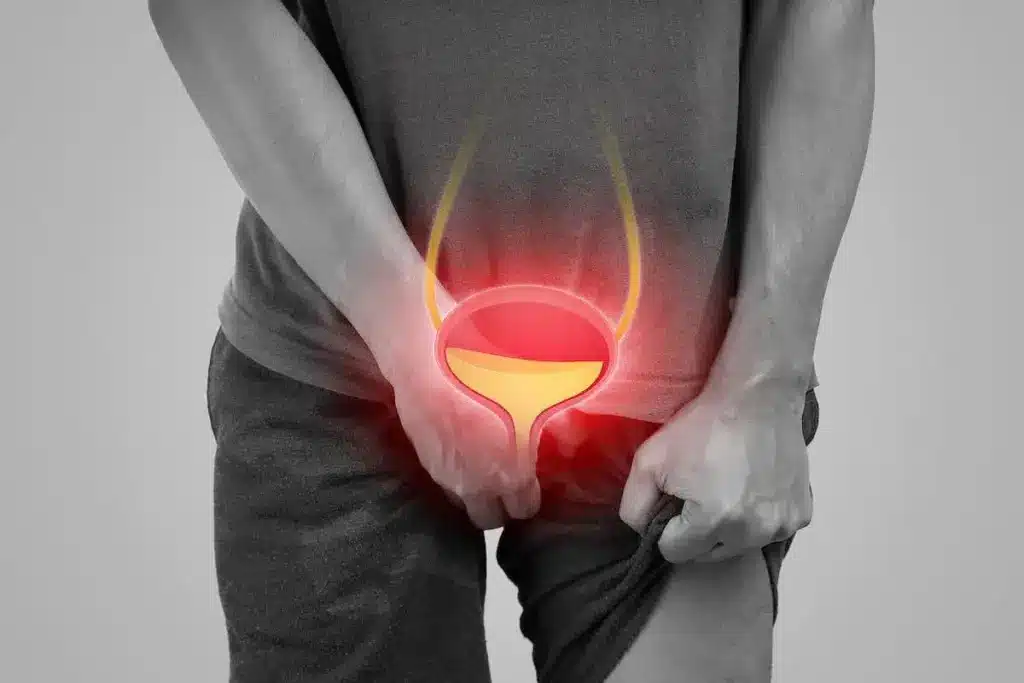
Urinary tract issues affect millions worldwide. Urinary tract infections (UTIs) are a big concern. Urethritis, or inflammation of the urethra, is common and can cause discomfort and health problems if not treated.inflammation of urethraTreatment For Stricture In Urethra: 5 Effective Procedure
We focus on treating urological conditions like urethra inflammation and urethral infection male patients. Urologists are key in diagnosing and treating these issues. They help those affected find relief and care.
Key Takeaways
- Understanding urological conditions is key for effective treatment.
- Urethritis is a common issue that can lead to complications if not treated.
- Urologists specialize in treating urinary tract issues, including urethra inflammation.
- Early diagnosis is vital to prevent long-term damage.
- Proper care and treatment can greatly improve patient outcomes.
What is Urethritis?

Urethritis is when the urethra gets inflamed. This tube carries urine from the bladder out of the body. In men, it also carries semen. This inflammation can cause uncomfortable symptoms and serious problems if not treated.
Definition and Overview
Urethritis is when the urethra gets inflamed. This can happen due to infections, like bacterial or viral ones. Symptoms include painful urination, discharge, and genital discomfort. Knowing the causes and types of urethritis is key to treating it.
Types of Urethritis
Urethritis is mainly divided into two types: gonococcal and non-gonococcal urethritis.
- Gonococcal Urethritis: This is caused by Neisseria gonorrhoeae, a sexually transmitted infection (STI).
- Non-Gonococcal Urethritis (NGU): NGU is caused by other bacteria, like Chlamydia trachomatis. Other pathogens, such as Mycoplasma genitalium and Trichomonas vaginalis, can also cause NGU.
Causes and Risk Factors
Urethritis is mainly caused by infections. The risk factors include:
- Unprotected sex, which raises the risk of STIs.
- Having many sexual partners, which increases STI risk.
- Poor genital hygiene.
- Using harsh soaps or products that irritate the urethra.
Knowing these risk factors can help prevent urethritis.
Common Symptoms of Urethritis

Knowing the signs of urethritis can help in getting the right treatment. Urethritis is when the urethra gets inflamed. It shows through symptoms that can really upset your day.
Painful Urination
Painful urination, or dysuria, is a key sign. It can feel like a mild burn or a sharp pain. This happens because the urethra’s lining gets inflamed and becomes sensitive.
Discharge and Odor
Seeing discharge from the urethra is another sign. The color can be clear, yellow, or green, depending on the cause. An odd smell can also come with it, making things worse.
Associated Symptoms
Other symptoms can show up too. You might feel itching or irritation at the urethra, need to urinate more often, or see blood in your urine or semen. How bad these symptoms are can differ from person to person.
Here’s a quick guide to the symptoms of urethritis and what they mean:
|
Symptom |
Description |
Characteristics |
|---|---|---|
|
Painful Urination |
Discomfort or pain while urinating |
Ranges from mild burning to severe pain |
|
Discharge |
Abnormal discharge from the urethra |
Varies in color (clear, yellow, green); may have an unpleasant odor |
|
Associated Symptoms |
Additional symptoms that may occur |
Includes itching, frequent urination, blood in urine or semen |
Recognizing these symptoms is crucial for obtaining prompt medical assistance. If you’re feeling any of these, see a doctor right away. They can help figure out what’s wrong and how to fix it.
Causes of Inflammation of Urethra
Urethral inflammation can come from many sources. It’s important to know these causes for proper treatment.
Bacterial Infections
Bacterial infections often cause urethritis. Neisseria gonorrhoeae and Chlamydia trachomatis are common culprits. They spread through sexual contact, making STIs a big risk.
Other bacteria, like Escherichia coli, can also cause it. This is more common in people with urinary issues or certain sexual behaviors.
Viral Infections
Viral infections are less common but can also cause urethritis. The herpes simplex virus (HSV) is a notable example. It causes painful inflammation and lesions in the urethra.
Non-infectious Causes
Not all urethritis is caused by infections. Other causes include trauma, chemical irritants, and conditions like urethral stricture or reactive arthritis.
|
Cause |
Description |
Common Symptoms |
|---|---|---|
|
Bacterial Infections |
Infections caused by bacteria such as Neisseria gonorrhoeae and Chlamydia trachomatis. |
Painful urination, discharge, and odor. |
|
Viral Infections |
Infections caused by viruses like herpes simplex virus. |
Painful urination, lesions. |
|
Non-infectious Causes |
Trauma, chemical irritants, and certain medical conditions. |
Varying symptoms depending on the cause. |
Finding out why urethritis happens is key to the right treatment. We’ll look at treatment options next.
Diagnosing Urethritis
To diagnose urethritis, we use a mix of lab tests and physical exams. Getting the right diagnosis is key for good treatment and care.
Urinalysis and Culturing
Urinalysis is a big part of diagnosing urethritis. It checks a urine sample for infection signs like white blood cells or bacteria. Culturing helps find the exact cause of the infection, helping us choose the right treatment.
Key components of urinalysis include:
- Microscopic examination for white blood cells and bacteria
- Culture to identify the causative organism
- Sensitivity testing to determine antibiotic effectiveness
Physical Examination
A detailed physical exam is also important. A healthcare provider looks for urethral discharge, irritation, or other signs. This, along with lab results, helps make a correct diagnosis.
The physical examination may involve:
- Inspecting the genital area for signs of infection or inflammation
- Checking for urethral discharge
- Assessing for tenderness or pain in the urethral area
Additional Diagnostic Tests
Sometimes, more tests are needed to confirm the diagnosis or find underlying causes. These might include NAATs for STIs or other specific tests.
|
Diagnostic Test |
Purpose |
|---|---|
|
Urinalysis |
Detects signs of infection in the urine |
|
Culturing |
Identifies the causative organism |
|
NAATs |
Diagnoses STIs such as chlamydia and gonorrhea |
By using these tests together, we can accurately diagnose urethritis. Then, we can create a treatment plan that fits the patient’s needs.
Treatment Options for Urethritis
Treating urethritis involves many steps. This includes both medicines and changes in daily life. The right treatment depends on why the urethra is inflamed. We’ll look at the different ways to treat it, like medicines and lifestyle changes.
Antibiotics and Antivirals
For bacterial urethritis, antibiotics are the main treatment. Azithromycin and doxycycline are common choices. “It’s important to finish all the antibiotics to stop the infection from coming back,” doctors say.
For viral urethritis, like herpes, antiviral drugs are used. These include acyclovir or valacyclovir. They help control symptoms and lessen outbreaks.
Home Remedies and Lifestyle Changes
Medical treatment is not the only way to help. Home remedies and lifestyle changes can also help. Drinking lots of water, avoiding harsh soaps, and wearing soft clothes can help. Some people find that eating less spicy food helps too.
- Stay hydrated to help flush out bacteria
- Avoid irritants such as scented soaps and bubble baths
- Wear loose, cotton clothing to reduce irritation
Preventative Measures
To prevent urethritis, it’s important to practice safe sex and keep your genital area clean. Regular visits to the urologist can catch problems early. “Preventing urethritis is key to avoiding its complications,” experts say.
Knowing how to treat urethritis and preventing it can help manage it well. It’s important to work with a healthcare provider to find the best treatment.
Common Infections Found by Urologists
Urologists often see many infections that need quick diagnosis and treatment. These infections can really hurt a patient’s health and life quality. It’s important to know about these infections to manage them well.
Urinary Tract Infections (UTIs)
Urinary Tract Infections (UTIs) are very common for urologists. UTIs happen when bacteria get into the urinary tract, causing infection and inflammation. Most UTIs are caused by Escherichia coli (E. coli), which is behind about 80% of simple UTIs. UTIs can hit any part of the urinary system, like the kidneys, bladder, and urethra.
Symptoms of UTIs include painful urination, needing to pee a lot, and belly pain. If not treated, UTIs can cause serious problems, like kidney damage. Quick treatment with antibiotics usually fixes UTIs.
Sexually Transmitted Infections (STIs)
Sexually Transmitted Infections (STIs) are also common for urologists. STIs spread through sex and can be caused by bacteria, viruses, or parasites. Common STIs are chlamydia, gonorrhea, and syphilis. They can cause symptoms like genital discharge, pain when peeing, and genital ulcers.
STIs can lead to big problems if not treated, like infertility and higher HIV risk. Urologists are key in diagnosing and treating STIs. They use physical exams, lab tests, and patient history to help.
Fungal Infections
Fungal infections, like candidiasis, can also hit the urinary tract. These infections are more common in people with weak immune systems, like those with diabetes or on immunosuppressive meds. Fungal infections can cause symptoms like UTIs, including painful urination and genital discomfort.
Antifungal meds usually treat fungal infections. Urologists might also suggest lifestyle changes, like better hygiene and diet, to help manage symptoms and stop them from coming back.
In summary, urologists deal with many infections, like UTIs, STIs, and fungal infections. Knowing about these infections is key for good diagnosis and treatment. Quick and right care from urologists is vital for managing these infections and helping patients get better.
Complications of Untreated Urethritis
Urethritis can cause serious problems if not treated. It can harm not just the urethra but also other parts of the urinary and reproductive systems. It’s vital to get medical help quickly to avoid serious issues.
Spread of Infection
Untreated urethritis can spread to other parts of the urinary tract. This might lead to cystitis (bladder inflammation) or pyelonephritis (kidney infection). These can cause severe symptoms and need stronger treatments.
The infection can also spread to the reproductive system. This might cause epididymitis (epididymis inflammation) or orchitis (testes inflammation) in men. Women might get pelvic inflammatory disease (PID). PID can lead to infertility and chronic pain if not treated fast.
Impact on Reproductive Health
Urethritis can harm reproductive health. In women, it can cause PID, leading to scarring and damage to the fallopian tubes. This might result in infertility or ectopic pregnancy. In men, it can cause epididymitis, affecting fertility.
Chronic Pain Conditions
Untreated urethritis can also lead to chronic pain. This can cause chronic pelvic pain syndrome, affecting daily life. Treating chronic pain often needs a team effort, including pain specialists and physical therapists.
|
Complication |
Description |
Potential Consequences |
|---|---|---|
|
Spread of Infection |
Infection spreads to other parts of the urinary or reproductive system. |
Cystitis, Pyelonephritis, Epididymitis, Orchitis, PID |
|
Impact on Reproductive Health |
Infection affects reproductive organs. |
Infertility, Ectopic Pregnancy, Chronic Pelvic Pain |
|
Chronic Pain Conditions |
Chronic inflammation leads to persistent pain. |
Chronic Pelvic Pain Syndrome, Decreased Quality of Life |
Knowing these risks shows why treating urethritis quickly is so important. Early treatment can stop these problems and help patients recover better.
When to See a Urologist
Knowing when to see a urologist is key to good urological health. Urethritis and similar issues need quick medical help. This helps avoid serious problems and ensures the right treatment.
Symptoms That Warrant Medical Attention
Signs like painful urination, discharge, or bad smell mean you should see a doctor. These signs often point to urethritis or other urological problems that need a doctor’s check.
- Painful urination or burning sensation while urinating
- Unusual discharge or odor from the urethra
- Frequent or urgent need to urinate
- Blood in the urine or semen
Don’t ignore these symptoms. Ignoring them can lead to serious issues if not treated.
Regular Check-ups and Screenings
Regular visits to a urologist are important for your health. This is true if you’re sexually active or have had urological problems before.
Screenings can catch conditions like urethritis, UTIs, and STIs early. This makes treatment easier and more effective.
|
Screening Type |
Frequency |
Benefit |
|---|---|---|
|
Urinalysis |
Annually |
Detects infections and abnormalities |
|
STI Screening |
As recommended by a healthcare provider |
Identifies sexually transmitted infections |
Specialized Treatments Available
Urologists have treatments for many urological issues, like urethritis, UTIs, and STIs. They create treatment plans that fit each person’s needs. This helps manage symptoms well and prevents future problems.
Some treatments include:
- Antibiotics and antivirals for infections
- Lifestyle changes to stop problems from coming back
- Advanced treatments for long-term conditions
By getting medical help when needed and going for regular check-ups, you can keep your urological health in top shape.
Conclusion: Managing Urethral Health
Keeping your urethral health in check is key to feeling good. We’ve looked into urethritis, its causes, signs, how to diagnose it, and treatments. Catching it early is important to avoid problems and help those with urological issues.
Proactive Measures for Urethral Health
Simple steps can help lower the chance of getting urethritis. Safe sex, clean habits, and drinking enough water are musts. Also, don’t forget to get regular health checks and screenings.
Support for Patients
We offer help for those dealing with urethritis. Our team aims to give top-notch care and support. Together, we can help you manage your urethral health well.
FAQ
What is urethritis?
Urethritis is when the urethra gets inflamed. This can happen due to infections or other reasons.
What are the common symptoms of urethritis?
Symptoms include painful urination and discharge. You might also notice an odor. Itching or burning can also occur.
How is urethritis diagnosed?
Doctors use urinalysis and culturing to diagnose it. They also do physical exams and more tests to find the cause.
Can a urologist test for STDs?
Yes, urologists can test for STIs. These infections can cause urethritis.
What are the treatment options for urethritis?
Treatment includes antibiotics and antivirals. Home remedies and lifestyle changes can also help manage symptoms and prevent future issues.
Can sperm cause a urinary tract infection?
Sperm itself doesn’t cause UTIs. But, sex can introduce bacteria into the urinary tract. This increases the risk of infection.
What are the complications of untreated urethritis?
Untreated urethritis can spread the infection. It can also harm reproductive health and lead to chronic pain.
How can I prevent urethritis?
To prevent it, practice safe sex and keep good hygiene. Regular check-ups and screenings are also important.
When should I see a urologist?
See a urologist if you have symptoms like painful urination or discharge. Or if you’re worried about your urological health.
What is the role of a urologist in treating urethritis?
Urologists are key in diagnosing and treating urethritis. They also guide on prevention and managing complications.
National Center for Biotechnology Information. Evidence-Based Medical Insight. Retrieved from https://www.ncbi.nlm.nih.gov/books/NBK537282/