
Over 1 in 5 Canadians will get cancer, says the Canadian Cancer Society. This shows how key accurate diagnosis is. But can a surgeon reliably determine if a tumor is cancerous just by looking at it?
Diagnosing cancer starts with a visual check. But, this method has its limits. A surgeon might guess cancer from a tumor’s look. Yet, more tests are needed to be sure of the diagnosis.
Answering whether a surgeon can visually tell if a tumor is cancerous (no, only a biopsy can definitively diagnosed).
Key Takeaways
- Cancer diagnosis often begins with a visual examination.
- A surgeon’s visual assessment is not always conclusive.
- Further testing is typically required to confirm a cancer diagnosis.
- Blood work can be used to detect certain types of cancer.
- A definitive diagnosis is key for effective treatment.
Understanding Tumors: Benign vs. Malignant
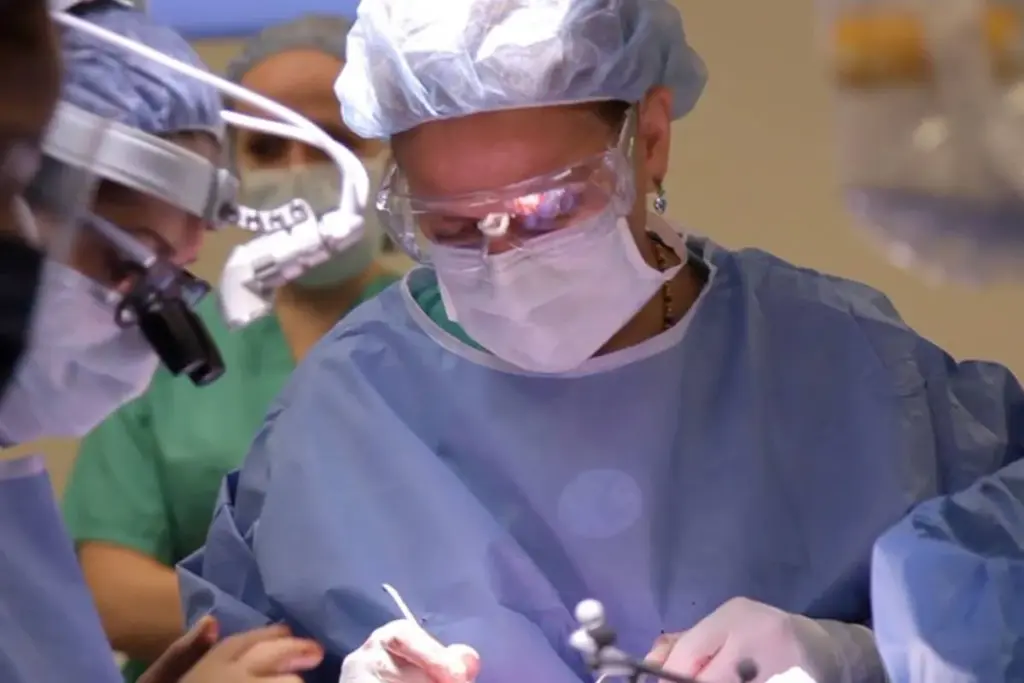
Knowing the difference between benign and malignant tumors is key to choosing the right treatment. Tumors are abnormal growths of tissue found in different parts of the body.
What defines a tumor?
A tumor grows from abnormal cells. These can be either benign or malignant. Benign tumors are not cancerous and don’t spread or invade nearby tissues.
Key differences between benign and malignant tumors
Malignant tumors, or cancer, can spread and invade tissues. The main differences are in how they grow and affect the body. Lab tests and diagnostic tests help tell them apart.
- Benign tumors grow slowly and are usually encapsulated.
- Malignant tumors grow more rapidly and can invade surrounding tissues.
Common locations and appearances
Tumors can show up in many places, like the skin, breast, prostate, and colon. Their look can change based on where they are and if they’re benign or malignant. For example, benign tumors might look like smooth, rounded masses. Malignant tumors can have odd shapes and boundaries.
The Limitations of Visual Diagnosis
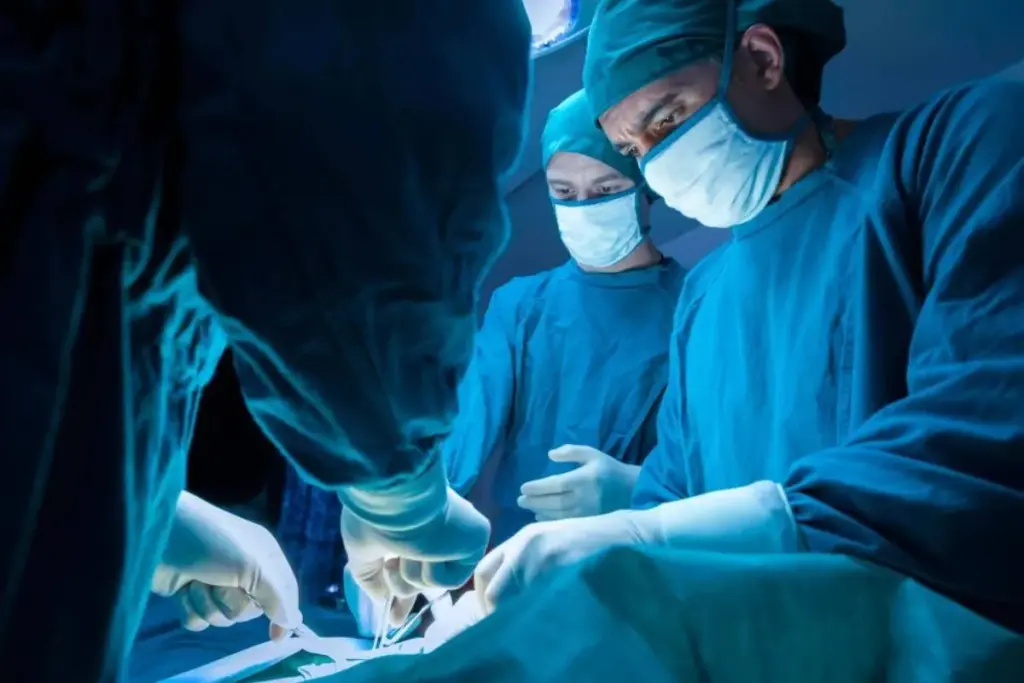
Visual inspection can give clues, but it’s not enough to know if a tumor is cancerous. Doctors use many tools to make sure of a diagnosis.
Why Appearance Alone Isn’t Sufficient
The look of a tumor can trick you. Benign tumors can look like they’re cancer, and cancerous ones might seem harmless. This makes it hard to tell just by looking.
Visual Characteristics That May Suggest Malignancy
Some signs might point to cancer, like irregular shapes, odd colors, or fast growth. But, these signs aren’t sure signs and need more tests like biopsies.
Cases of Misleading Appearances
Some tumors look harmless but are cancerous, and some that look bad might not be. For example, some benign tumors grow fast, like cancer. On the other hand, some cancers grow slow, looking like they’re not a big deal.
As a famous oncologist once said,
“The diagnosis of cancer is not just about looking at a tumor; it’s about understanding its biology.”
This shows how complex cancer diagnosis is. It needs a full approach to be sure.
How Tumors Are Properly Diagnosed
Diagnosing tumors involves several key steps. Getting an accurate diagnosis is vital. It helps doctors choose the right treatment and improve patient care.
The Diagnostic Pathway
The journey to diagnose cancer starts with a medical history and physical check-up. If a tumor is thought to be present, imaging tests like X-rays, CT scans, or MRI scans are used. These tests help see the tumor.
Biopsy is a key step. It means taking a tissue sample from the tumor for more tests.”Diagnosing cancer is complex. It needs a team effort from radiologists, pathologists, and oncologists. They work together for accurate diagnosis and treatment.”
The Critical Role of Biopsy
Biopsy is very important in finding out if a tumor is cancer. There are different biopsies, like needle and surgical biopsies. The choice depends on the tumor’s location and size.
|
Biopsy Type |
Description |
Use Case |
|---|---|---|
|
Needle Biopsy |
Uses a needle to collect tissue samples |
Suitable for tumors close to the surface |
|
Surgical Biopsy |
Involves surgically removing a tumor sample |
Used for deeper or larger tumors |
Multidisciplinary Approach to Diagnosis
Getting a correct diagnosis needs teamwork. Radiologists, pathologists, surgeons, and oncologists work together. They make sure all parts of the patient’s condition are looked at.
Knowing how tumors are diagnosed helps everyone involved. While blood tests are useful, they can’t always confirm cancer. A biopsy is the most reliable way to know if a tumor is cancerous.
Diagnostic Imaging Techniques
Advanced diagnostic imaging is key for finding and diagnosing cancer. These techniques let doctors see inside the body. They help spot tumors and learn about their size and type.
X-rays and CT scans
X-rays and CT scans are often used. X-rays use radiation to show what’s inside. CT scans give detailed pictures from different angles. They help find tumors and see how big they are.
MRI and ultrasound
MRI and ultrasound are also important tools. MRI shows soft tissues in detail. Ultrasound uses sound waves to picture organs inside. Both help in finding and understanding cancer.
PET scans for cancer detection
How PET scans work
PET scans use a special tracer that goes into the body. It lights up where cancer is because it’s active. The scanner picks up this light, showing where cancer might be.
Accuracy and limitations
PET scans are very good at finding cancer. But, they can sometimes show false positives. This means they might show something that’s not cancer. So, doctors usually look at PET scan results with other tests too.
Cancer experts say, “Imaging is vital in cancer diagnosis and care. It gives doctors the info they need to plan treatment.” Using different imaging methods helps doctors get a clear picture of cancer. This leads to better care for patients.
The Role of Blood Tests in Cancer Detection
Blood tests are important in finding cancer. They can show signs that might mean cancer is present. This helps doctors decide what tests to do next.
Can cancer be determined by blood test?
Blood tests can show problems that might mean cancer. But, they can’t say for sure if you have cancer. A test like the Complete Blood Count (CBC) might show something odd.
What CBC blood tests indicate about cancer
A CBC checks different parts of your blood. If it finds something off, like too few red cells or too many white cells, it could mean cancer or another problem.
Tumor markers in blood
Tumor marker tests look for substances in your blood that cancer cells might make. These tests aren’t enough to say you have cancer. But, they can mean you need more tests.
Limitations of blood work for cancer diagnosis
Blood tests can’t say for sure if you have cancer. To really know, doctors need to look at images, take biopsies, and use their own judgment.
It’s key to know how blood tests help find cancer. If you’re wondering “how do you know if you have cancer” or “how do I know if I have cancer”, remember. Blood tests are a big part of finding out, but they’re not the only thing doctors use.
Biopsy: The Gold Standard for Diagnosis
A biopsy is the top choice for finding out if a tumor is cancer. It looks at tissue samples to give a clear diagnosis. This is key in cancer care, helping doctors know what to do next.
Types of Biopsies
There are many biopsies, each for different needs. Needle, surgical, and endoscopic biopsies are some examples. The right one depends on the tumor’s location and the patient’s health.
What Happens During a Biopsy Procedure
A biopsy takes a tissue sample for lab tests. It might use numbing or sedation to make you comfortable. Then, the sample is checked for cancer cells under a microscope.
How Samples Are Analyzed
Looking at biopsy samples involves a few steps.
Histopathological Examination
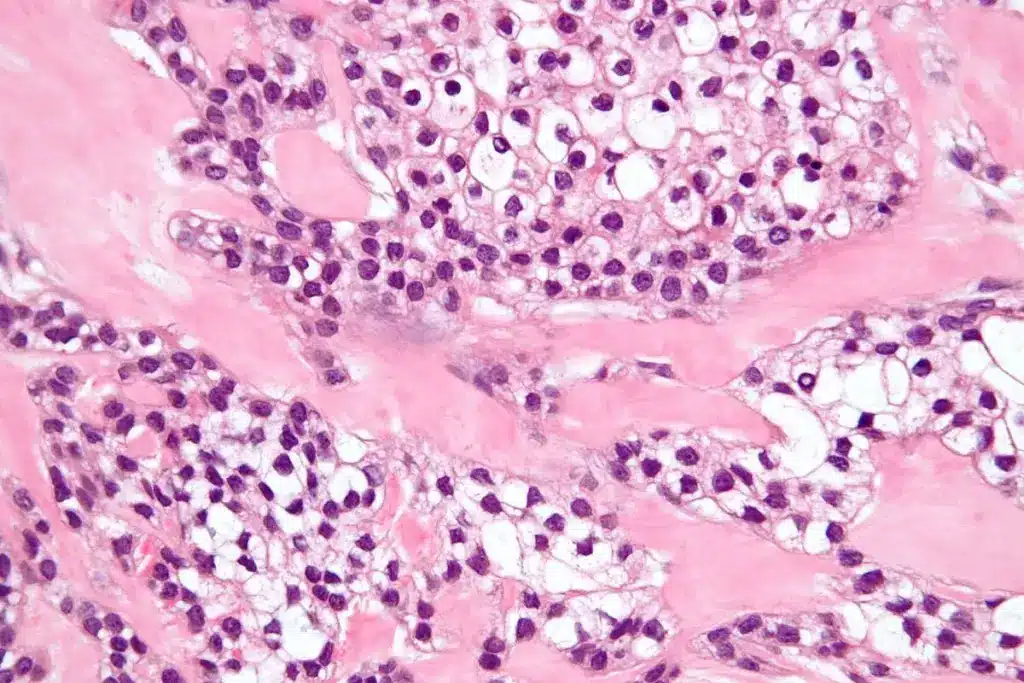
This step looks at tissue under a microscope for abnormal growth. It helps doctors figure out the cancer type and grade. This is vital for treatment planning.
Molecular and Genetic Testing
This step analyzes samples for genetic changes linked to cancer. It helps doctors find the cancer’s cause and plan treatments.
“Biopsy is the cornerstone of cancer diagnosis, providing critical information that guides treatment decisions.”
This quote highlights how important biopsies are in cancer care.
How Tumors Are Diagnosed During Surgery
Diagnosing tumors during surgery is key to choosing the right treatment. Surgeons and pathologists team up to figure out if a tumor is benign or malignant.
Frozen Section Analysis
Frozen section analysis is a test done during surgery. It freezes tissue samples and then slices them thin for a quick look under a microscope. This helps surgeons decide how much surgery is needed.
Rapid Cytology
Rapid cytology is another way to diagnose tumors during surgery. It looks at cells, not tissue sections. This method is great for checking if cancer cells are at the tumor’s edges.
Visual and Tactile Examination During Surgery
Surgeons also use their eyes and touch to check tumors. They can see and feel the tumor’s size, location, and other details.
Limitations of Intraoperative Assessment
Intraoperative tests are helpful but have limits. For example, frozen section analysis might not always give a clear answer. The quality of the sample can also affect how accurate the results are.
|
Diagnostic Method |
Description |
Advantages |
|---|---|---|
|
Frozen Section Analysis |
Examines frozen tissue samples |
Rapid diagnosis, guides surgical decisions |
|
Rapid Cytology |
Examines cells for cancer |
Useful for assessing tumor margins |
|
Visual and Tactile Examination |
Surgeon’s visual and manual assessment |
Provides immediate information on tumor characteristics |
A medical expert notes, “Using frozen section analysis and rapid cytology together improves accuracy. It helps make quick decisions during surgery.” This shows the value of a detailed approach to tumor diagnosis during surgery.
Advanced Technologies Aiding Surgical Diagnosis
New technologies are changing how surgeons diagnose and treat tumors. They now have tools that help them work better.
Fluorescence-Guided Surgery
Fluorescence-guided surgery uses special dyes to show cancer. This makes it easier for surgeons to find and remove tumors. It’s shown to improve surgery results.
Intraoperative Imaging
Technologies like MRI and CT scans let surgeons see tumors in real-time. This helps them remove tumors more accurately and safely.
AI and Computer-Assisted Diagnosis
Artificial intelligence (AI) and computer-assisted diagnosis are becoming key tools. They help analyze data to aid in making accurate diagnoses.
Future Directions in Tumor Identification
Technology will keep getting better for finding and diagnosing tumors. Combining lab tests with advanced imaging could make diagnoses even more accurate.
|
Technology |
Description |
Benefits |
|---|---|---|
|
Fluorescence-Guided Surgery |
Uses fluorescent dyes to highlight cancerous tissues |
Improved tumor visualization, more accurate removal |
|
Intraoperative Imaging |
Real-time imaging during surgery |
Enhanced accuracy, reduced complications |
|
AI-Assisted Diagnosis |
Analyzes data to aid in diagnosis |
Improved diagnostic accuracy, personalized treatment |
These new technologies are not a full replacement for old methods. But they are great helpers. They make diagnosing and treating tumors better. The question of detecting tumors by blood work is ongoing. But, using many methods together is the best way to diagnose.
When Certain Tumors Can Be Visually Identified
Some tumors can be seen with the naked eye, mainly certain skin cancers. This method is not always right, but it can give a first look at a tumor’s nature.
Distinctive Skin Cancers
Skin cancers like melanoma, basal cell carcinoma, and squamous cell carcinoma can be spotted by their looks. Melanomas, for example, often have uneven shapes and colors.
Characteristic Tumor Types
Some tumors have unique signs that help identify them. For example, lipomas are usually soft and can be moved under the skin.
Why Visual Identification is Not Enough
Even with these signs, a final diagnosis needs more tests, like a biopsy. Seeing a tumor is just the first step, not the last word. Remember, blood tests are also key. They check for cancer markers like CBC and tumor markers.
How Do You Know If You Have Cancer?
Figuring out if you have cancer often begins with spotting common signs and symptoms. Cancer can show up in different parts of the body. Its symptoms can vary a lot.
Common Warning Signs and Symptoms
Look out for unexplained weight loss, fatigue, pain, and skin changes. For example, a long-lasting cough might mean lung cancer. Changes in bowel habits could hint at colorectal cancer. It’s key to know these signs and see a doctor if they last.
When to Seek Medical Attention
If you notice unusual or lasting symptoms, get medical help right away. Catching cancer early can greatly help treatment. Don’t ignore lasting symptoms, as they might point to a serious issue needing a doctor’s check-up.
The Diagnostic Process from Symptoms to Confirmation
The first step is a detailed medical history and physical check-up. If cancer is thought of, tests like X-rays and CT scans might follow. A biopsy could also be needed to confirm the diagnosis.
Importance of Not Self-Diagnosing
It’s normal to worry about symptoms, but don’t try to diagnose yourself. Only a doctor can accurately say if you have cancer. A medical expert says, “A correct diagnosis is key for good treatment planning.”
In summary, knowing the common signs of cancer and getting medical help quickly can greatly help your treatment. If you’re worried about your symptoms, talk to a doctor for a proper check-up.
Why Pathological Confirmation Is Always Necessary
Pathological confirmation is key in cancer diagnosis. It affects patient care greatly. It’s vital for accurate diagnosis and planning treatment.
Risks of Misdiagnosis
Misdiagnosis can harm patients. For example, a benign tumor might be seen as malignant. This could lead to harmful treatments.
On the other hand, a malignant tumor might be seen as benign. This could delay or miss treatment.
Impact on Treatment Planning
Pathological confirmation helps plan treatments. It ensures patients get the right care. For instance, certain tumor markers might need targeted therapy.
A medical expert said, “The accuracy of pathological diagnosis is key for the best treatment.”
Legal and Ethical Considerations
Pathological confirmation has legal and ethical sides. Misdiagnosis can lead to legal issues. Ethically, healthcare providers must ensure accurate diagnoses.
Some question if blood tests can reliably find cancer. While they can show issues, they’re not enough. So, pathological confirmation is needed.
In summary, pathological confirmation is essential in cancer diagnosis. It affects treatment, prognosis, and patient outcomes. Healthcare providers rely on it for informed decisions.
Conclusion
Finding out if you have cancer is not just about looking at a tumor. Tumors can be harmless or dangerous. Their look alone doesn’t tell us if they’re cancerous.
To figure out if a tumor is cancer, doctors use many tools. They look at images, check blood, and take biopsies. These steps help doctors find out what’s wrong and how to fix it.
Wondering if you have cancer? Know the signs like changes in your body. If you notice anything odd, see a doctor right away.
Getting a clear diagnosis means looking at tissue samples. Doctors use a microscope to check for cancer. This step is key to knowing what you’re dealing with.
By using all these methods, doctors can give you a correct diagnosis. They then create a treatment plan just for you. This helps improve your health and chances of getting better.
FAQ
Can a surgeon tell if a tumor is cancerous by looking at it?
While surgeons can sometimes make an educated guess by visually examining a tumor, a definitive diagnosis always requires a biopsy. A biopsy is needed for a clear diagnosis.
Can cancer be identified with a blood test?
Blood tests can hint at cancer, like tumor marker tests. But, these tests aren’t always right. They’re used with other tools for a better look.
What does a CBC blood test indicate about cancer?
A CBC might show signs of cancer, like anemia or odd white blood cell counts. But, it’s not a surefire test for cancer.
Can a tumor be detected by blood work?
Some tumors can be found in blood tests, through substances they make. Yet, blood tests alone can’t find all tumors or cancers.
How do you know if you have cancer?
Finding out if you have cancer takes a few steps. It includes a physical check, imaging tests, and a biopsy. Look out for unusual lumps, pain, skin changes, and unexplained weight loss.
Does cancer show up in blood work?
Blood work might suggest cancer, but it’s not a sure sign. More tests, like a biopsy, are needed to confirm cancer.
What blood test shows cancer?
There’s no single blood test for all cancers. Tumor marker tests can hint at some cancers. But, they’re not perfect and need other tests too.
Will cancer show up in blood work?
Some cancers might show up in blood tests, but not all. Many things can affect the results. A clear diagnosis needs more tests.
How is cancer diagnosed?
Diagnosing cancer takes a team effort. It includes a physical check, imaging tests, and a biopsy. The steps vary based on the cancer type and where it is.
Why is pathological confirmation necessary for cancer diagnosis?
A biopsy is key for a cancer diagnosis. It helps plan treatment and avoid mistakes. It gives detailed info about the cancer.
References
World Health Organization. Evidence-Based Medical Insight. Retrieved from https://www.who.int/news-room/fact-sheets/detail/cancer