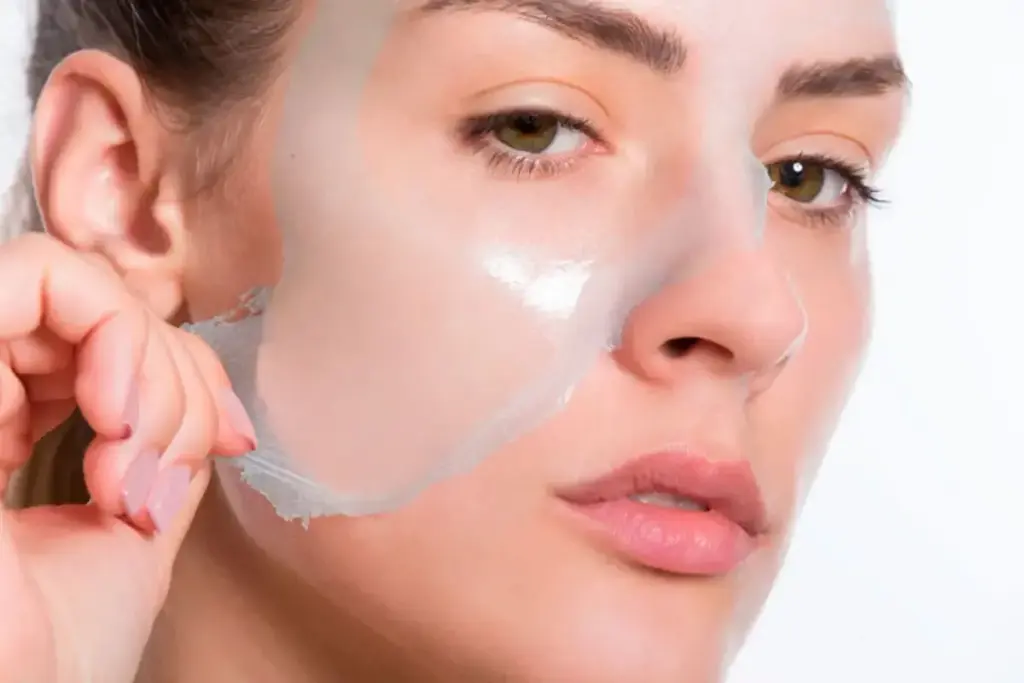
Did you know that nearly 70% of adults in the United States consider some form of skin rejuvenation treatment? They want to fix fine lines, wrinkles, and skin discoloration. With more people trying skincare procedures, they’re curious about mixing treatments for better results.
Many wonder if it’s safe to get laser treatments after a chemical peel. The answer depends on how these treatments work together to improve skin health.
Key Takeaways
- Combining laser and chemical peel treatments can offer enhanced skin rejuvenation.
- It’s important to understand the timing and sequence of these treatments.
- Getting advice from a professional in aesthetic dermatology is key.
- What works best depends on your skin type and concerns.
- Think about the risks and benefits before you decide.
Understanding Chemical Peels: Types and How They Work
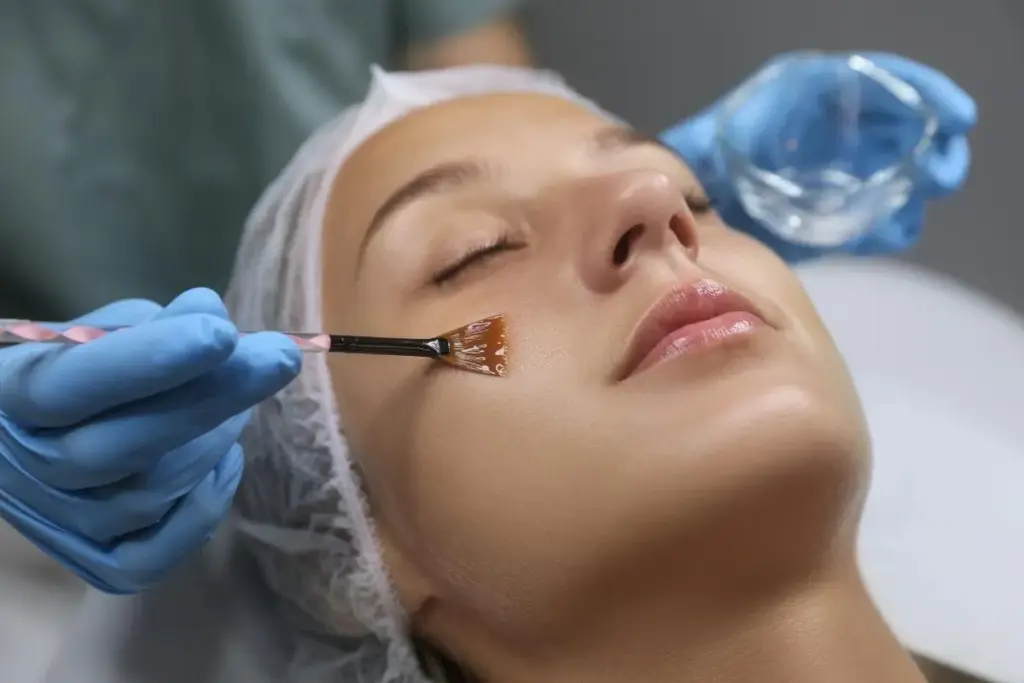
Chemical peels are a popular choice for many skincare needs. They are a non-surgical way to make the skin look younger. They help with fine lines, wrinkles, and skin color issues.
These peels work by applying a solution to the skin. This solution makes the skin peel off, revealing smoother skin. The type of peel depends on the skin issue being treated.
Light Chemical Peels
Light chemical peels use mild acids to gently remove the top layer of skin. They are great for minor issues like dull skin and dryness.
- Benefits: Minimal downtime, suitable for all skin types.
- Concerns addressed: Surface-level skin issues.
Medium Chemical Peels
Medium peels go deeper into the skin. They use stronger acids to tackle wrinkles and skin color problems.
- Benefits: More effective than light peels for deeper skin issues.
- Concerns addressed: Moderate wrinkles, skin discoloration.
Deep Chemical Peels
Deep peels are the strongest. They use phenol or high-concentration TCA to treat severe skin problems. This includes deep wrinkles and sun damage.
- Benefits: Highly effective for severe skin concerns.
- Concerns addressed: Deep wrinkles, significant sun damage.
- Risks: Longer recovery time, possible side effects.
Knowing about the different chemical peels is key. It helps choose the right one for your skin concerns and type.
Laser Skin Treatments: Technologies and Applications
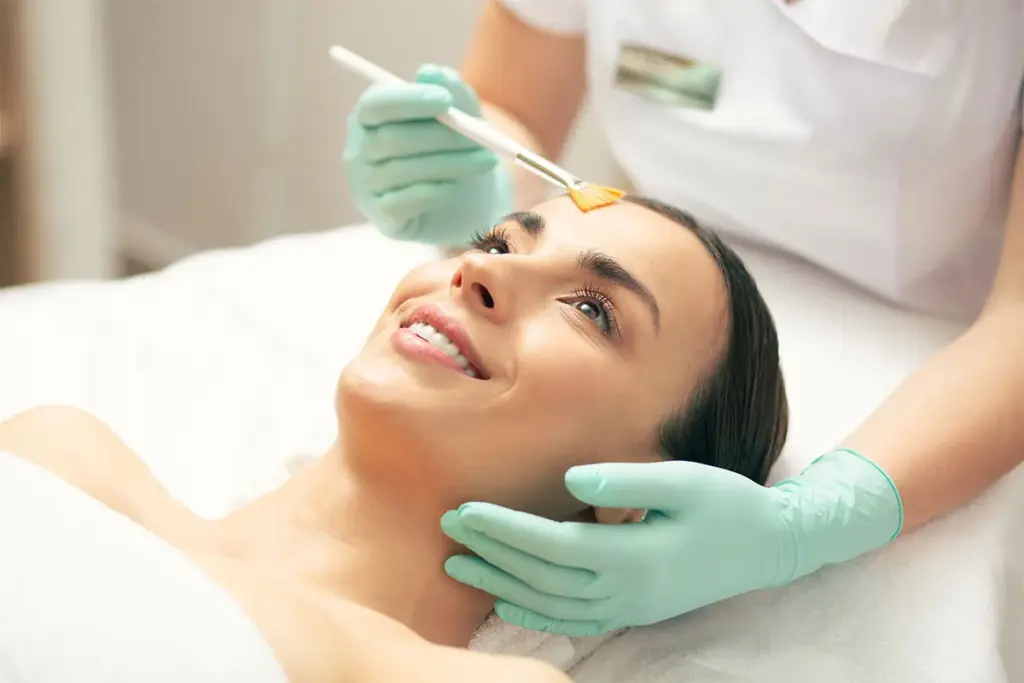
Laser technology has advanced a lot, leading to many skin treatments. These treatments help with different skin types and problems. They are key in aesthetic dermatology, solving many skin issues.
Ablative Laser Treatments
Ablative lasers remove the top skin layers. This helps produce collagen and rejuvenate the skin. They are great for deep wrinkles, scars, and sun damage.
Benefits of Ablative Laser Treatments:
- Significant skin rejuvenation
- Effective for deep wrinkles and scars
- Long-term results
Non-Ablative Laser Treatments
Non-ablative lasers boost collagen without harming the skin. They’re perfect for keeping skin healthy and tackling mild to moderate issues.
Advantages of Non-Ablative Laser Treatments:
- Less downtime compared to ablative treatments
- Suitable for maintaining skin health
- Ideal for mild to moderate skin concerns
Fractional Laser Treatments
Fractional lasers mix ablative and non-ablative laser benefits. They treat a part of the skin at a time. This leads to quicker healing and tackles many skin problems.
Key Benefits of Fractional Laser Treatments:
- Faster recovery time
- Effective for various skin concerns
- Customizable treatment options
The table below shows the main differences between ablative, non-ablative, and fractional lasers:
|
Laser Type |
Mechanism |
Downtime |
Effectiveness |
|---|---|---|---|
|
Ablative |
Removes top skin layers |
Significant |
High for deep concerns |
|
Non-Ablative |
Stimulates collagen without surface damage |
Minimal |
Moderate for mild concerns |
|
Fractional |
Treats a fraction of the skin |
Moderate |
High for various concerns |
The Science Behind Skin Rejuvenation Treatments
To understand how skin rejuvenation treatments work, we need to look at skin cell turnover and collagen production. Treatments like chemical peels and laser therapy aim to improve skin by using its natural renewal processes.
Skin Cell Turnover Process
The skin cell turnover process is how our skin gets rid of old cells and brings in new ones. This keeps our skin looking healthy and bright. But, as we get older, this process slows down, causing dead skin cells to pile up.
Stimulating skin cell turnover is key for many treatments. Chemical peels, for example, use a solution to remove the top skin layers. This speeds up cell turnover, making the skin look smoother and brighter.
Collagen Production and Remodeling
Collagen is a protein that keeps our skin firm and young-looking. As we age, we make less collagen, and what we have starts to break down. This leads to wrinkles and sagging skin. Collagen remodeling is when our body breaks down old collagen and makes new.
Laser treatments, like non-ablative or fractional ones, can boost collagen production. They create tiny injuries in the skin, which starts the healing process. This leads to the creation of new collagen.
|
Process |
Description |
Effect on Skin |
|---|---|---|
|
Skin Cell Turnover |
Natural process of replacing old skin cells with new ones |
Maintains healthy, vibrant skin |
|
Collagen Production |
Production of collagen, a protein that gives skin its structure |
Plump, youthful appearance |
|
Collagen Remodeling |
Breakdown of old collagen and production of new collagen |
Improves skin elasticity and reduces wrinkles |
Understanding the science behind skin rejuvenation treatments helps us make better choices for our skin. Both chemical peels and laser treatments have their own benefits. They target different parts of the skin’s natural renewal processes.
Can You Combine Laser and Chemical Peel Together?
People looking to tackle many skin issues at once might consider laser and chemical peel treatments together. This combo could provide a deeper level of skin renewal.
Potential Benefits of Combination Therapy
Using laser and chemical peels together can bring several benefits. It can make your skin smoother, reduce wrinkles, and even out your skin tone. This mix might give better results than using each treatment separately.
The laser can tackle deeper problems like scars and spots. At the same time, the chemical peel can remove the skin’s top layers, showing off smoother skin underneath.
Risks and Considerations
Even though combining laser and chemical peels can be good, there are risks to think about. These include more sensitivity, infection risk, and scarring.
It’s important to talk to a dermatologist or skincare expert before trying this combo. They can check your skin and decide if it’s right for you. They’ll make a plan that lowers risks and boosts benefits.
Knowing the risks and benefits helps you choose wisely about using laser and chemical peels together. This way, you can pick the best path for your skin care.
Timing Considerations: How Long to Wait Between Treatments
The order and timing of laser and chemical peel treatments are key. They affect how well and safely they work together. Knowing the best timing helps get the most out of these treatments while avoiding risks.
Practitioners need to think about several things. These include the type and strength of treatments, the person’s skin type and issues, and what they want to achieve. The time between treatments can greatly affect how well the skin recovers and how effective the treatments are together.
Chemical Peel First, Then Laser
Starting with a chemical peel is often the best choice. You should wait until your skin fully recovers before getting laser treatment. The wait time depends on the peel’s depth, ranging from a few days for light peels to weeks for deeper ones.
Superficial peels need a shorter wait, usually 3-7 days, as they cause little downtime. On the other hand, medium to deep peels may require a longer recovery, possibly up to 30 days or more, before laser treatment is safe.
Laser First, Then Chemical Peel
If laser treatment comes first, the wait for a chemical peel depends on the laser and how the skin reacts. For non-ablative lasers, a chemical peel can often be done a few days to a week after, once any initial redness or swelling has gone down.
For ablative lasers, which cause more damage, it’s best to wait longer, possibly 2-4 weeks. This ensures the skin has fully healed and reduces the risk of problems.
Skin Recovery Process After Chemical Peels
After a chemical peel, the skin needs careful care. Knowing the recovery stages helps in taking good care of your skin.
Immediate Post-Peel Phase
Right after a peel, the skin might look red and feel sensitive. It’s like a mild sunburn. Keeping the skin moist and protected from the sun is key. Proper post-peel care greatly affects healing and treatment results.
In the first days, the skin may peel or flake. This is normal as the top skin layers are being removed. It’s important not to pick or pull at the skin to avoid problems.
Short-Term Recovery
In the short term, usually within a week or two, the skin heals and regenerates. Use a gentle skincare routine and avoid harsh products. Soothing and hydrating products help the skin recover.
|
Days Post-Peel |
Skin Condition |
Care Recommendations |
|---|---|---|
|
1-3 |
Redness, sensitivity |
Moisturize, sun protection |
|
4-7 |
Peeling, flaking |
Gentle cleansing, avoid picking |
|
7-14 |
Regeneration, renewal |
Hydrating products, gentle exfoliation |
Long-Term Skin Healing
Long-term healing involves collagen production and better skin texture. With the right care, the skin can look more radiant and youthful. Regular treatments help keep the results.
To get the most from a chemical peel, a long-term skincare plan is essential. This includes sun protection, using the right products, and possibly maintenance peels. Consistency is key for lasting results.
Skin Recovery Process After Laser Treatments
The recovery after laser treatments has several phases. Each phase has its own needs for the best results. Knowing these phases helps the skin heal well.
Immediate Post-Laser Phase
Right after a laser treatment, the skin might look red and swollen, like a mild sunburn. This is normal and usually goes away in a few hours. To help, keep the skin cool and moisturized. Using a gentle, fragrance-free moisturizer can soothe it. Also, stay out of direct sunlight and use sunscreen with at least SPF 30.
Some people might feel a bit of pain after the laser. This can be eased with over-the-counter pain meds. Avoid hard activities and hot places like saunas or hot tubs to prevent irritation.
Short-Term Recovery
The short-term recovery phase can last from a few days to a week. The skin might start to peel or flake as it heals. Don’t pick or scratch the skin, as it can cause problems like infection or scarring. Keep the skin moisturized and protected from the sun. Use gentle skincare products without harsh chemicals.
Some laser treatments can change skin color, more so in darker skin tones. Using products with vitamin C or niacinamide can help manage these changes.
Long-Term Skin Healing
The long-term healing phase can take weeks to months. During this time, the skin gets better as collagen is remodeled. Keep up a consistent skincare routine with sun protection, moisturization, and gentle exfoliation. This supports the long-term effects of the laser treatment.
Regular check-ups with a dermatologist or aesthetic professional are key. They can track progress and offer personalized care for your skin type and concerns.
By knowing the recovery phases and following proper care, you can get the best results from your laser treatments. This way, you can enjoy the benefits of aesthetic dermatology.
Ideal Candidates for Combined Laser and Chemical Peel Treatments
Choosing the right patients for laser and chemical peel treatments is key. Understanding who is best suited helps ensure the best results and safety.
Skin Types and Concerns
Not everyone reacts the same to laser and chemical peel combos. People with fair to medium skin tones (Fitzpatrick skin types I-III) tend to do well. They face less risk of side effects like dark spots.
Many skin issues can be tackled with these treatments. This includes:
- Acne scars and textural issues
- Hyperpigmentation and sun damage
- Fine lines and wrinkles
Medical Considerations and Contraindications
Some health issues can make these treatments risky. These include:
|
Condition |
Description |
Implication for Treatment |
|---|---|---|
|
Active infections |
Presence of active bacterial, viral, or fungal infections |
Treatment should be postponed until the infection is resolved |
|
Pregnancy and breastfeeding |
Hormonal changes that may affect skin response |
Caution advised; some treatments may be contraindicated |
|
History of keloid or hypertrophic scarring |
Tendency to form raised scars |
Increased risk of scarring with certain treatments |
It’s vital for those interested to share their health history. This ensures treatments are both safe and effective.
Treatment Protocols for Different Skin Concerns
It’s important to tailor treatments for specific skin issues to get the best results. Each skin problem needs a unique approach. Knowing these differences is key to effective care.
Acne Scars and Textural Issues
For acne scars and texture problems, treatments often mix laser therapy and chemical peels. Fractional laser treatments help by boosting collagen and improving texture. Chemical peels, like those with salicylic or glycolic acid, exfoliate the skin and lessen scars.
A common treatment plan might include fractional laser sessions and a chemical peel. This combo aims to improve texture and reduce scarring. The number of sessions depends on the scar’s severity and the skin’s response.
Hyperpigmentation and Sun Damage
Hyperpigmentation and sun damage are best treated by focusing on melanin and skin renewal. Laser treatments, like Q-switched technology, are great for breaking down melanin. Chemical peels with vitamin C or licorice extract also help reduce dark spots.
A treatment plan for hyperpigmentation might start with laser treatments to target melanin. Then, chemical peels are used to brighten the skin and lessen dark spots.
Fine Lines and Wrinkles
For fine lines and wrinkles, treatments aim to boost collagen and improve elasticity. Ablative laser treatments are top-notch for this, as they significantly remodel collagen. Chemical peels also help by removing the skin’s top layers and revealing smoother skin.
|
Treatment |
Primary Benefit |
Secondary Benefit |
|---|---|---|
|
Ablative Laser |
Collagen Remodeling |
Skin Texture Improvement |
|
Chemical Peel |
Skin Exfoliation |
Improved Skin Brightness |
|
Fractional Laser |
Targeted Skin Renewal |
Reduced Scarring |
Combination Skin Concerns
For those with multiple skin concerns, like acne scars and hyperpigmentation, treatments must be diverse. A mix of laser treatments and chemical peels can tackle various issues at once.
A possible treatment plan could start with an ablative laser for wrinkles and texture. Then, a series of chemical peels would target hyperpigmentation and brighten the skin. The exact treatment sequence depends on the individual’s specific skin issues and needs.
Professional Recommendations from Dermatologists
Dermatologists give personalized advice on using laser and chemical peels together. They look at your skin type, concerns, and needs. This helps them suggest the best treatment plan for you.
When to Choose Sequential Treatments
For those with sensitive skin or who easily react to treatments, dermatologists suggest sequential treatments. This method lets your skin heal between sessions. It helps avoid any bad reactions.
- Sensitive Skin: People with sensitive skin might do better with treatments spaced out. It helps avoid irritation.
- Risk Management: Doing treatments one after another can help manage risks. This is true when using laser and chemical peels together.
- Optimal Results: Waiting between treatments can lead to better and longer-lasting results. It’s a smart way to get the most out of your treatments.
When to Choose Simultaneous Treatments
For those wanting a full skin makeover, dermatologists might suggest doing treatments at the same time. This is for people with several skin issues. They can be treated with both laser and chemical peels in one go.
- Combination Therapy: Doing treatments together can tackle many skin problems at once. This includes fine lines, dark spots, and skin texture issues in one session.
- Efficiency: This method can save time. You might need fewer visits to the dermatologist.
- Enhanced Results: Combining treatments can lead to more dramatic and immediate results.
Choosing between sequential and simultaneous treatments depends on what your dermatologist recommends. They consider your skin’s condition, your concerns, and what you want to achieve.
At-Home Care Between Professional Treatments
To get the most from your laser and chemical peel treatments, a good at-home skincare routine is key. It keeps the results looking great and makes your skin healthier and more beautiful.
Skincare Products to Use
Choosing the right skincare products at home is vital. Products with hyaluronic acid, vitamin C, and retinol are great. They keep your skin hydrated, reduce fine lines, and improve texture.
Start with a gentle cleanser, a toner to balance your skin, and a moisturizer that fits your skin type. Also, using exfoliants with alpha-hydroxy acids (AHAs) or beta-hydroxy acids (BHAs) helps keep your skin clear and pores open.
|
Product Type |
Key Ingredients |
Benefits |
|---|---|---|
|
Moisturizer |
Hyaluronic Acid, Glycerin |
Hydrates the skin, reduces fine lines |
|
Serum |
Vitamin C, Retinol |
Antioxidant properties, improves skin texture |
|
Exfoliant |
AHAs, BHAs |
Removes dead skin cells, unclogs pores |
Products to Avoid
Knowing which products to avoid is just as important. Stay away from harsh products with alcohol, artificial fragrances, or rough exfoliants. They can irritate your skin and ruin the effects of your treatments.
Be careful with products not made for your skin type. If you have sensitive skin, skip products labeled as “intensive” or “strong.” Always test new products on a small area first to avoid bad reactions.
Sun Protection Requirements
Sun protection is vital, even more so after treatments. Use a broad-spectrum sunscreen with at least SPF 30 every day, even on cloudy days, because UV rays can harm your skin.
Apply sunscreen every two hours or right after swimming or sweating. Wearing protective clothes and staying in the shade when the sun is strong also helps protect your skin.
By following these tips and sticking to a consistent skincare routine at home, you can enjoy the benefits of your professional treatments for longer.
Conclusion
Using both laser and chemical peel treatments can greatly improve your skin. Knowing about different chemical peels and laser options helps you choose the right care for your skin.
It’s important to think about when and how to use these treatments. Getting advice from a dermatologist is key to finding the best plan for your skin.
Keeping up with a good skincare routine at home is also vital. This includes protecting your skin from the sun and using products as suggested. Adding laser and chemical peels to your skincare plan can make your skin look smoother and brighter.
In the end, combining laser and chemical peels is a strong way to rejuvenate your skin. It can help with many issues, like wrinkles, dark spots, and uneven skin texture.
FAQ
What is the difference between a chemical peel and a laser treatment?
A chemical peel removes the top skin layers with a solution. A laser treatment uses light to target specific skin issues like wrinkles or dark spots.
Can I get a laser treatment immediately after a chemical peel?
No, it’s not safe to get a laser treatment right after a chemical peel. It can lead to infections, scarring, or a longer healing time.
How long should I wait between a chemical peel and a laser treatment?
The wait time between treatments varies. It depends on your skin type, the peel’s depth, and your skin concerns. It’s usually a few days to weeks.
What are the benefits of combining laser and chemical peel treatments?
Combining treatments can rejuvenate your skin more fully. It tackles many issues like wrinkles, dark spots, and skin texture. This can lead to better and longer-lasting results.
Are there any risks or side effects associated with combining laser and chemical peel treatments?
Yes, combining treatments can raise the risk of complications. This includes infections, scarring, or a longer healing time. You may need to take extra precautions like using sun protection and gentle skincare.
What skin concerns can be addressed with laser and chemical peel treatments?
Laser and chemical peel treatments can fix many skin problems. These include wrinkles, dark spots, acne scars, skin texture, and more.
How can I maintain the results of my laser and chemical peel treatments?
To keep your skin looking good, stick to a skincare routine at home. Use sun protection and avoid harsh products that can irritate your skin.
What is the ideal skin type for combined laser and chemical peel treatments?
The best skin types for these treatments are fair to medium. But, darker skin types can also be treated with the right lasers and peels.
Can I undergo laser and chemical peel treatments if I have sensitive skin?
Yes, but talk to a dermatologist or skincare expert first. They can suggest gentle treatments that are right for your sensitive skin.
How often should I undergo laser and chemical peel treatments for optimal results?
The treatment frequency varies based on your skin concerns and goals. It’s usually weeks to months between treatments.
References
National Center for Biotechnology Information. Evidence-Based Medical Insight. Retrieved from https://pmc.ncbi.nlm.nih.gov/articles/PMC2921757/