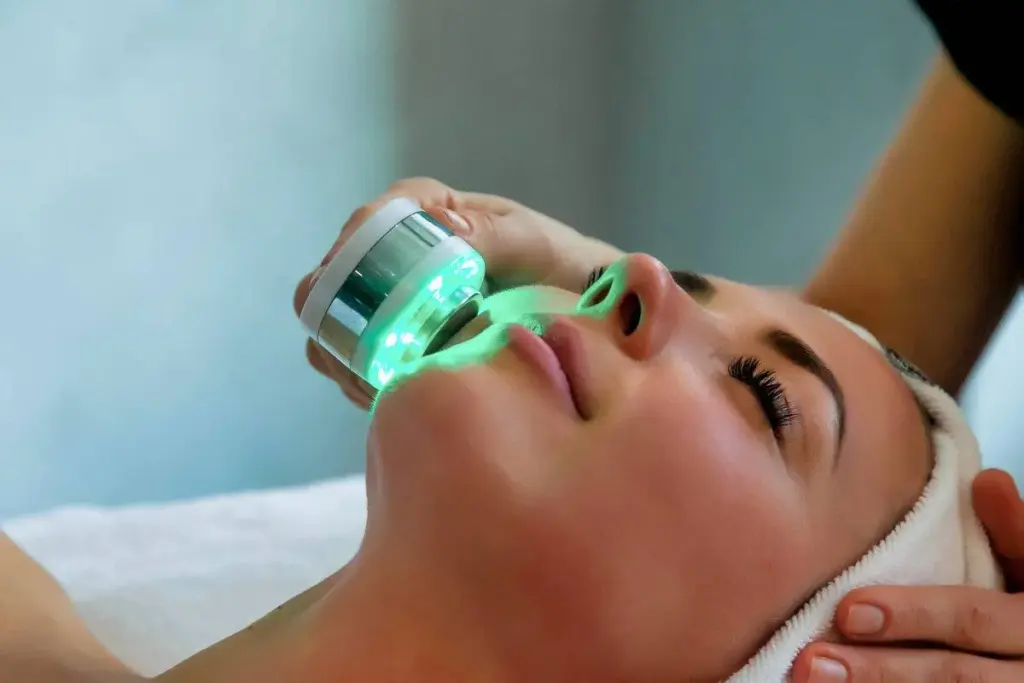
blue light phototherapy for acne
Acne is a big problem worldwide, causing stress and scars. Studies show that phototherapy can really help with acne. Blue light therapy is a key treatment that fights the bacteria causing acne.
Blue light phototherapy for acne is getting a lot of attention. It’s known for making acne less severe. Knowing how it works and its benefits helps people choose the right treatment for their acne.
Answering does phototherapy clear skin and explaining the mechanism of blue light phototherapy for acne treatment.
Key Takeaways
- Phototherapy is a promising treatment for acne.
- Blue light therapy targets acne-causing bacteria.
- Phototherapy can reduce acne severity.
- Understanding treatment options is key for managing acne.
- Blue light phototherapy is a non-invasive treatment.
What is Phototherapy for Skin Conditions?
Phototherapy is a new way to treat skin problems like acne. It uses light to help fix skin issues without surgery. This method targets specific wavelengths of light to reduce symptoms.
Definition and Basic Principles
Definition and Basic Principles
Phototherapy, or light therapy, is a medical treatment. It uses special light devices. Different lights can help the skin by reducing inflammation or killing bacteria.
Light interacts with skin cells, causing them to respond. Doctors choose the right light and intensity for each patient. This makes the treatment effective for different skin problems.
History and Development of Light Therapy
Using light for healing goes back to ancient times. People used sunlight to treat many ailments. But, modern phototherapy started in the late 1800s with UV light’s discovery.
Phototherapy has grown a lot over the years. New technology lets doctors control light better. Now, there’s blue light therapy for acne and red light therapy for healing.
Research has shown how light therapy works. It’s now a key treatment in dermatology. It offers a non-invasive option for many skin issues.
How Phototherapy Works on Skin
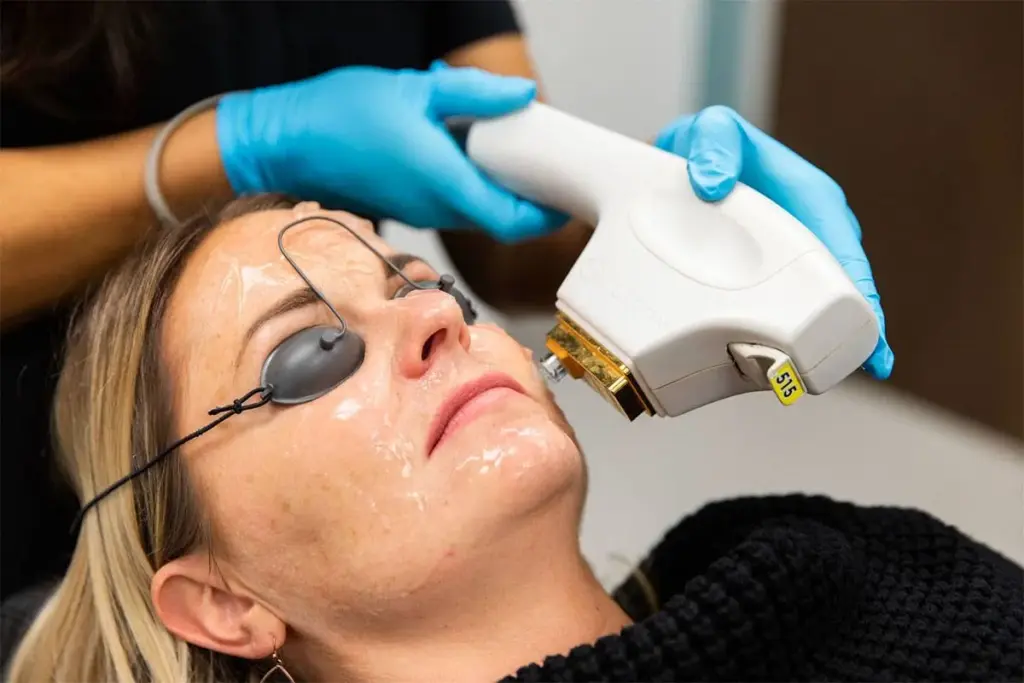
light therapy for acne
Understanding phototherapy’s effects on the skin is key to seeing its benefits in treating acne.
Phototherapy uses specific light wavelengths to address different skin issues. Its success comes from the science behind light and skin interaction.
The Science Behind Light Therapy
Light therapy emits specific wavelengths that reach the skin at different depths. This interaction triggers biological responses that help heal the skin.
For instance, some wavelengths can kill acne-causing bacteria, reduce swelling, or aid in healing.
The process of light interacting with skin is complex. When light is absorbed, it can start various skin responses. Phototherapy’s success hinges on its ability to target specific skin molecules.
Chromophores are molecules that absorb light, and different chromophores respond to different wavelengths.
Different Wavelengths and Their Effects
Different light wavelengths have unique effects on the skin.
|
Wavelength |
Color |
Effects on Skin |
|---|---|---|
|
405-450nm |
Blue Light |
Targets acne-causing bacteria, reduces inflammation |
|
630-700nm |
Red Light |
Promotes healing, reduces inflammation, improves skin texture |
|
590-630nm |
Amber/Yellow Light |
Can improve skin tone and reduce appearance of redness |
The table shows how different wavelengths address various skin issues. Blue light is mainly used for its antibacterial effects on acne. Red light is used for its healing and anti-inflammatory properties.
Types of Phototherapy for Skin Conditions
Edit
Full screen
Delete
types of phototherapy for skin conditions
There are many phototherapy treatments for different skin types and conditions. Phototherapy is a key tool in dermatology, with many options for treating skin issues.
UVA and UVB Therapy
UVA and UVB therapies have been used for decades to treat skin problems like psoriasis and eczema. UVA light goes deeper into the skin, making it good for conditions like scleroderma. UVB light is more superficial and is often used for psoriasis.
Key differences between UVA and UVB therapy:
|
Therapy Type |
Depth of Penetration |
Common Uses |
|---|---|---|
|
UVA Therapy |
Deeper penetration |
Scleroderma, certain cases of psoriasis |
|
UVB Therapy |
More superficial |
Psoriasis, eczema |
Blue Light Therapy
Blue light therapy is known for treating acne. It targets acne-causing bacteria, reducing inflammation and preventing future breakouts. The therapy uses a specific blue light wavelength, around 415 nm.
“Blue light therapy is a non-invasive, pain-free treatment that can significantly reduce acne lesions.” – Dermatology Expert
Red Light Therapy
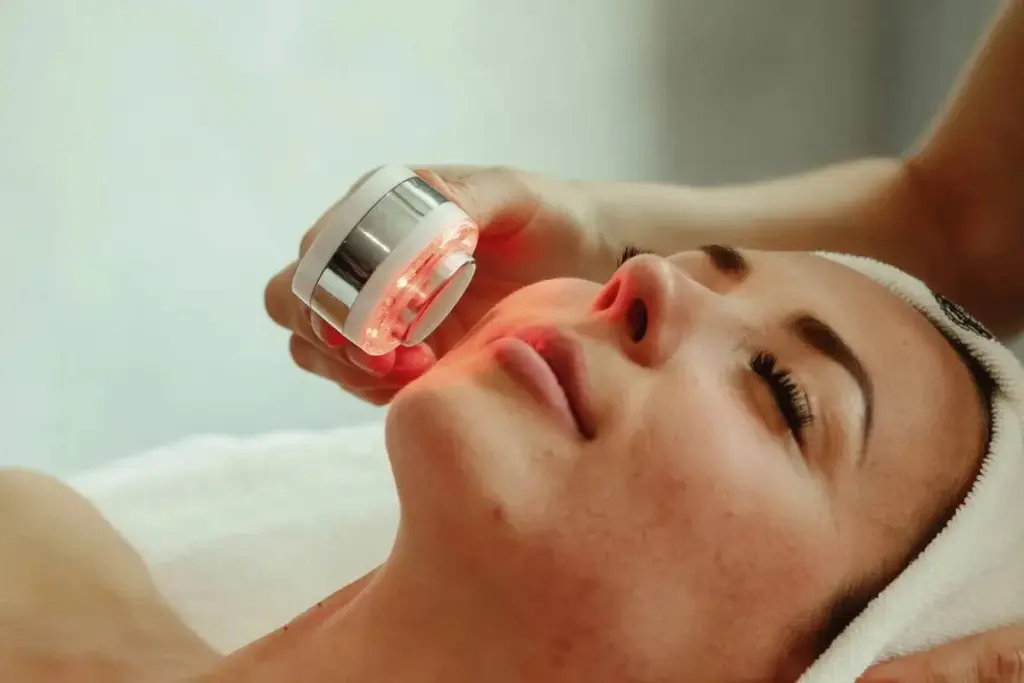
Red light therapy is often paired with blue light for extra skin benefits. It promotes healing, reduces inflammation, and improves skin texture. Red light goes deeper into the skin than blue light, boosting collagen production and skin rejuvenation.
Knowing about the different phototherapy types helps people choose the best treatment for their skin conditions.
Blue Light Phototherapy for Acne
Edit
Full screen
Delete
blue light phototherapy for acne treatment
Blue light therapy is becoming more popular for treating acne. It kills the bacteria that cause breakouts. This treatment is non-invasive and doesn’t use harsh chemicals or antibiotics.
Mechanism of Action
Blue light therapy works by using light to kill acne-causing bacteria. The light is absorbed by compounds in Propionibacterium acnes (P. acnes). This light, at a specific wavelength, activates these compounds.
When activated, they produce reactive oxygen species. These species kill the bacteria.
Key aspects of blue light therapy’s mechanism include:
- Targeting P. acnes bacteria
- Activation of porphyrins by blue light
- Production of reactive oxygen species to kill bacteria
Target Bacteria and Skin Processes
Blue light therapy targets P. acnes, reducing bacteria on the skin. This decrease in bacteria leads to less inflammation and acne lesions. It also helps prevent future breakouts.
The effects of blue light therapy on skin processes include:
|
Process |
Effect of Blue Light Therapy |
|---|---|
|
Bacterial Load |
Reduces P. acnes bacteria |
|
Inflammation |
Decreases inflammatory responses |
|
Acne Lesions |
Minimizes acne severity and occurrence |
Understanding how blue light therapy works helps in making informed skincare choices. It’s a valuable addition to any skincare routine.
Effectiveness of Blue Light Therapy for Acne
Edit
Full screen
Delete
blue light therapy effectiveness for acne
Blue light therapy is a new way to fight acne. It’s non-invasive and doesn’t use harsh chemicals. This makes it a popular choice for those looking for a gentle solution.
Clinical Studies and Evidence
Many studies have shown blue light therapy works well for acne. It targets Propionibacterium acnes (P. acnes), the bacteria that causes acne. A study in the Journal of Clinical and Aesthetic Dermatology found it reduces acne lesions.
Success Rates and Expectations
Blue light therapy can really help with acne. People see fewer inflammatory lesions and better skin. But, how well it works depends on treatment length, frequency, and skin type.
Studies show blue light can cut down acne lesions significantly. Some see improvements right away, but more treatments are usually needed for best results.
In summary, blue light therapy is a good option for acne treatment. While results can vary, the science backs its effectiveness as part of a complete acne plan.
Red Light Therapy for Acne: An Alternative Approach
Edit
Full screen
Delete
red light therapy for acne
Red light therapy is a new way to fight acne. It’s different from blue light because it goes deeper into the skin. This helps with healing and lessens inflammation.
How Red Light Differs from Blue Light
Red light therapy uses longer wavelengths, between 630-700 nanometers. This lets it reach deeper into the skin. It helps improve skin health by starting cellular processes.
Unlike blue light, which kills acne-causing bacteria, red light focuses on healing and reducing inflammation.
Key differences between red and blue light therapy include:
- Depth of penetration: Red light goes deeper into the skin than blue light.
- Targeted skin issues: Red light works on inflammation and healing, while blue light targets bacteria.
- Wavelength: Red light has a longer wavelength (630-700 nm) than blue light (405-450 nm).
Benefits for Inflammation and Healing
Red light therapy offers many benefits for the skin. It reduces inflammation and promotes healing. It also boosts collagen production, making skin look better.
|
Benefit |
Description |
|---|---|
|
Reduced Inflammation |
Red light therapy decreases inflammation by starting healing processes in the skin. |
|
Increased Collagen Production |
Red light stimulates cells, leading to more collagen. This improves skin elasticity. |
|
Improved Skin Texture |
Red light therapy makes skin texture better by healing and reducing inflammation. |
Red light therapy is a great alternative or addition to blue light therapy for acne. It focuses on deeper skin health, like inflammation and healing.
Combining Light Therapies for Enhanced Results
Using different light therapies together can help improve acne and skin issues. This method combines the strengths of various wavelengths. It might lead to better results than using one therapy alone.
Blue and Red Light Combination Therapy
Blue light fights acne-causing bacteria, while red light helps with healing and reduces swelling. Combining blue and red light therapies treats both the cause and symptoms of acne. This could lead to better outcomes.
A study on the National Center for Biotechnology Information shows combining light therapies works well. It says mixing different wavelengths can make treatments more effective.
|
Therapy Type |
Benefits |
Targeted Effects |
|---|---|---|
|
Blue Light Therapy |
Targets acne-causing bacteria |
Reduces acne severity |
|
Red Light Therapy |
Promotes healing, reduces inflammation |
Improves skin texture, reduces redness |
|
Combination Therapy |
Comprehensive approach to acne treatment |
Enhanced treatment outcomes, improved skin health |
Integrating with Other Treatments
Light therapy can be even more effective when combined with other acne treatments. For example, mixing it with topical creams or pills can tackle acne from different angles.
Personalized treatment plans that include light therapy can be tailored for your skin. This way, treatments can be more targeted and effective.
Knowing how to mix light therapies can help you choose the right acne treatment. Always talk to a healthcare professional or dermatologist to find the best plan for you.
Professional vs. At-Home Light Therapy Devices
Light therapy for acne has become popular, with both professional treatments and at-home devices available. It’s important to know the differences to make a good choice.
Clinical Treatment Options
Professional light therapy devices are used in clinics and are more powerful. They have been tested to work well. Professionals can adjust the treatment for your skin.
Benefits of Clinical Treatments:
- Higher intensity and customizable settings
- Administered by professionals
- Clinically tested and proven efficacy
Consumer Devices: Effectiveness and Limitations
At-home light therapy devices are for personal use and can be bought online or in stores. They are cheaper and easier to use but may not work as well for everyone.
Considerations for At-Home Devices:
- Lower cost over time
- Convenience of use at home
- Variable effectiveness based on device quality
Let’s look at the costs of professional and at-home light therapy devices:
|
Device Type |
Initial Cost |
Long-Term Cost |
Maintenance |
|---|---|---|---|
|
Professional Devices |
$0 (per session) |
$50-$100 per session |
None |
|
At-Home Devices |
$200-$500 |
$0 (after purchase) |
Replacement bulbs or maintenance |
Cost Comparison
Professional treatments might cost more at first, but at-home devices can vary in price. Their long-term results may also differ. Think about these points when choosing a treatment.
What to Expect During Phototherapy Treatment
Starting phototherapy can be exciting, but knowing what to expect makes it even better. Blue light therapy for acne is popular because it’s easy and works well.
Treatment Session Process
First, you’ll have a chat to figure out the right light and how long you’ll need. You’ll wear special glasses to protect your eyes. Then, the light therapy device shines light on your skin.
The treatment doesn’t hurt, but you might feel a bit warm. Each session lasts 15 to 30 minutes. This depends on how bad your acne is and the technology used.
Treatment Frequency and Duration
You’ll need more than one treatment to see the best results. How often you go back depends on your skin and how it reacts. For acne, you might go 2-3 times a week.
|
Treatment Frequency |
Condition |
Typical Duration |
|---|---|---|
|
2-3 times a week |
Mild to Moderate Acne |
15-30 minutes |
|
Once a week |
Maintenance |
15-30 minutes |
For more info on phototherapy for acne, check out WebMD’s article on Phototherapy for Acne.
Timeline for Visible Results
You might start seeing changes after a few treatments. The best results come after you’ve done the whole series. Remember to take care of your skin after treatment to keep the results.
Knowing what to expect from phototherapy helps you get ready. It can also make your treatment more effective.
Phototherapy for Different Skin Types and Conditions
Different skin types and conditions react differently to phototherapy. This means we need to tailor our approach. The success of phototherapy depends on the skin type, tone, and the condition being treated.
Effectiveness by Skin Type
Phototherapy works for many skin types, even sensitive skin. Blue light therapy is great for acne-prone skin. But, we might need to adjust the treatment based on your skin.
People with fair skin often see good results because light can penetrate deeper. But, those with darker skin might need special treatment plans. This is because melanin, which is higher in darker skin, can block light.
Beyond Acne: Other Treatable Conditions
Phototherapy isn’t just for acne. It’s also used for other skin issues. Red light therapy helps with inflammation and healing in psoriasis and eczema.
It’s also being looked at for treating SAD and jaundice in newborns. Light therapy is a non-invasive option for many dermatological conditions.
Using phototherapy for more than just acne shows its wide range of uses. It offers patients new ways to care for their skin.
Potential Side Effects and Safety Considerations
Phototherapy is a promising treatment for acne. But, it’s important to know its side effects and safety. Being informed helps make the best choices for your skin.
Common Side Effects
Most people do well with phototherapy, but some may have side effects. Common ones include redness, itching, or dry skin. These are usually mild and go away on their own or with simple care.
Redness is a common reaction to light therapy. It means your skin is responding. But, if it lasts or comes with other symptoms, see a doctor.
Who Should Avoid Light Therapy
Not everyone should try phototherapy. People with certain health issues or taking light-sensitive meds should talk to a doctor first. This includes those with porphyria.
- Pregnant or breastfeeding women should talk to their doctor about risks and benefits.
- Those with skin cancer or at high risk should be careful.
- People with epilepsy or other light-sensitive conditions should get medical advice.
Safety Guidelines and Precautions
To use phototherapy safely, follow some guidelines. Always use devices as directed and follow the manufacturer’s instructions or a healthcare professional’s advice.
Eye protection is key during sessions. Direct light can harm your eyes, so wear the right eyewear.
Stick to a regular treatment schedule and be patient. Results from phototherapy take time and may need several sessions.
By knowing the side effects, who should avoid it, and following safety tips, you can safely use this acne treatment.
Natural Light vs. Therapeutic Light: Does the Sun Help Spots?
Therapeutic light is known to help with acne, but sunlight’s effect is more mixed. It’s unclear if sunlight helps or hurts acne and blemishes.
Sunlight’s Effect on Acne and Blemishes
Sunlight can have both good and bad effects on acne. Some people find that sunlight dries out their pimples and makes their skin look better for a while. This is because sunlight kills bacteria on the skin, including those that cause acne.
But too much sunlight can also cause problems. UV rays can damage the skin, making it produce more oil. This can clog pores and make acne worse.
- Some benefits of sunlight on acne include:
- Reducing bacteria on the skin’s surface
- Drying out pimples temporarily
- But there are risks too:
- Increased inflammation
- Potential long-term worsening of acne
- Skin damage from UV rays
Risks of Sun Exposure for Skin Conditions
Sun exposure poses big risks for skin conditions. Prolonged exposure to UV radiation can cause premature aging, sunburn, and even skin cancer. For those with acne or other skin issues, it’s important to weigh the benefits of sunlight against these risks.
To avoid these risks, you can take a few steps:
- Use sunscreen with a high SPF regularly
- Wear protective clothing when outdoors
- Seek shade, mainly during peak sun hours
In summary, sunlight’s impact on acne and blemishes is complex. It can be both good and bad. Finding the right balance is key to managing skin conditions well.
Conclusion: Is Phototherapy Right for Your Skin?
Phototherapy is a promising treatment for many skin issues, including acne. It works by using different light wavelengths to interact with the skin. This helps people decide if it’s right for them.
Blue light therapy is great for fighting acne-causing bacteria. Red light therapy helps with inflammation and healing. The best choice depends on your skin’s specific needs.
Before trying phototherapy, think about your skin type and condition severity. Also, consider any possible side effects. Talking to a dermatologist can guide you to the best treatment.
In short, phototherapy is a good option for those with acne and other skin problems. Weighing its benefits and risks can help you decide if it’s right for you. This way, you can get healthier, clearer skin.
FAQ
What is blue light therapy good for?
Blue light therapy is mainly used to treat acne. It targets the bacteria that cause breakouts. It’s also being studied for other skin conditions.
Does blue light therapy really work for acne?
Yes, studies show blue light therapy can reduce acne by killing bacteria. But, results can differ. It’s often used with other treatments.
How does red light therapy differ from blue light therapy?
Red light therapy has a different wavelength than blue light. It focuses on reducing inflammation and promoting healing. It doesn’t directly target acne-causing bacteria.
Can I use red and blue light therapy together?
Yes, using both red and blue light therapy together can help. It targets bacteria and inflammation, leading to better results.
Are at-home light therapy devices as effective as professional treatments?
At-home devices can work, but their effectiveness varies. Professional devices used in clinics might be more potent. Always follow the manufacturer’s guidelines.
How often should I undergo light therapy for acne?
The number of sessions needed varies. Typically, you need multiple sessions. Maintenance treatments may be needed to keep results.
Is phototherapy suitable for all skin types?
Phototherapy can be adjusted for different skin types. But, it’s important to talk to a healthcare professional. They can determine the best treatment for you.
Can sunlight help or hinder acne and blemishes?
Sunlight’s effect on acne is mixed. Some UV exposure can dry out pimples. But, too much sun can damage skin and worsen some conditions. It’s not a safe or reliable treatment for acne.
What are the possible side effects of phototherapy?
Side effects include redness, irritation, or dry skin. Rare but severe reactions can happen if safety guidelines are not followed.
Who should avoid light therapy?
People with certain medical conditions, those on light-sensitive medications, and pregnant women should talk to a healthcare provider before trying light therapy.
References
JAMA Network. Evidence-Based Medical Insight. Retrieved from https://jamanetwork.com/journals/jamadermatology/article-abstract/2830694