
Melasma is a common skin condition characterized by patches of discoloration, typically on the face. While its exact cause is not fully understood, several factors contribute to its development, including hormonal changes, sun exposure, and genetics. Answering is melasma a liver problem (no direct link) and addressing common myths about the cause of melasma.
The question of whether melasma is related to liver problems is a topic of interest for many. Research suggests that while liver function may not be directly linked to melasma, certain underlying health conditions could play a role.
This comprehensive guide will explore the causes, symptoms, and treatment options for melasma, providing a thorough understanding of this condition.
Key Takeaways
- Understanding the causes of melasma is crucial for effective treatment.
- Hormonal changes and sun exposure are significant contributing factors.
- Liver function may not be directly linked to melasma, but overall health plays a role.
- Various treatment options are available, including topical creams and sun protection measures.
- A comprehensive approach is necessary for managing melasma effectively.
Understanding Melasma and Its Causes
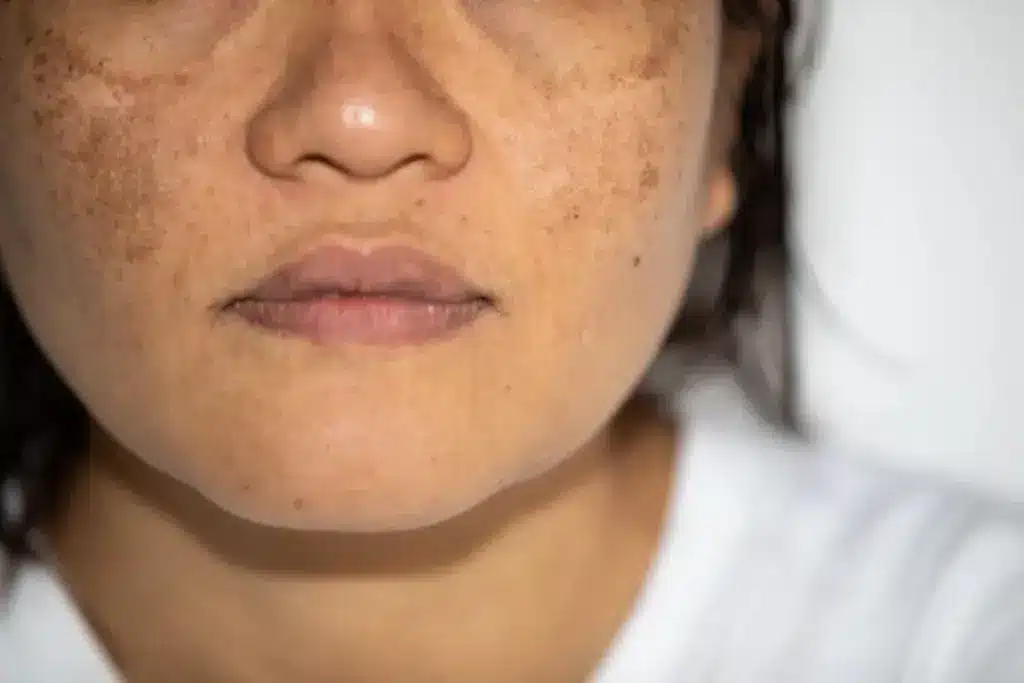
Melasma is a common skin condition characterized by the appearance of brown or gray patches, typically on the face. It is a condition that affects a significant number of individuals, particularly women, and can be a source of distress due to its impact on appearance.
What is Melasma?

Melasma is a form of hyperpigmentation that results from an increase in melanin, the pigment responsible for skin color. It manifests as flat, brown, or gray-brown patches, usually on sun-exposed areas of the face. The condition is more prevalent in women, especially during pregnancy, and in individuals with darker skin tones.
The Role of Hormones in Melasma Development
Hormonal fluctuations play a significant role in the development of melasma. Changes in hormone levels, such as those experienced during pregnancy or with the use of hormonal contraceptives, can trigger or exacerbate melasma. The condition is sometimes referred to as the “mask of pregnancy” due to its prevalence among pregnant women.
Environmental Factors Contributing to Melasma
Besides hormonal influences, environmental factors significantly contribute to the onset and severity of melasma. Sun exposure is a major trigger, as UV radiation stimulates melanin production, leading to the darkening of melasma patches. Other factors include pollution and certain skincare products that irritate the skin.
|
Trigger |
Description |
Impact on Melasma |
|---|---|---|
|
Hormonal Changes |
Fluctuations in hormone levels, such as during pregnancy or with hormonal contraceptives. |
Can trigger or worsen melasma. |
|
Sun Exposure |
UV radiation from the sun or tanning beds. |
Stimulates melanin production, darkening melasma patches. |
|
Pollution |
Exposure to pollutants in the air. |
Can irritate the skin and exacerbate melasma. |
Understanding the causes and contributing factors of melasma is crucial for its management and treatment. By recognizing the role of hormonal fluctuations and environmental factors, individuals can take proactive steps to prevent or mitigate the condition.
The Liver’s Function in Overall Health
The liver’s role in detoxification and metabolism directly impacts the health and appearance of our skin. As the body’s primary detoxifier, the liver processes toxins, medications, and waste products, ensuring that our skin and other organs remain healthy.
A healthy liver is essential for maintaining skin health. When the liver is functioning properly, it helps to regulate the body’s natural processes, including the removal of toxins that could otherwise lead to skin issues like melasma or brown patches on the skin.
How the Liver Affects Skin Health
The liver’s impact on skin health is multifaceted. It not only detoxifies the blood but also plays a role in the metabolism of nutrients that are vital for skin health. A diet rich in antioxidants and essential nutrients supports liver function, which in turn can help to improve skin conditions.
When liver function is impaired, it can lead to a buildup of toxins in the body, potentially causing skin problems. For instance, conditions like jaundice, characterized by a yellowing of the skin, can occur when the liver is not able to process bilirubin effectively.
Common Liver Conditions and Their Symptoms
Several liver conditions can impact overall health and skin health. Understanding these conditions and their symptoms is crucial for early detection and treatment.
- Hepatitis: Inflammation of the liver, often caused by viral infections, alcohol use, or toxins. Symptoms include jaundice, fatigue, and abdominal pain.
- Cirrhosis: Scarring of the liver, typically resulting from long-term liver damage. Symptoms may include fatigue, swelling in the legs, and jaundice.
- Liver Fatty Disease: Accumulation of fat in liver cells, often associated with obesity and diabetes. Symptoms can be minimal, but some people may experience fatigue and abdominal discomfort.
|
Liver Condition |
Common Symptoms |
|---|---|
|
Hepatitis |
Jaundice, fatigue, abdominal pain |
|
Cirrhosis |
Fatigue, swelling in legs, jaundice |
|
Liver Fatty Disease |
Fatigue, abdominal discomfort |
Maintaining liver health is crucial for preventing these conditions and ensuring overall well-being. By understanding the liver’s role in health and taking steps to support liver function, individuals can reduce their risk of developing liver-related issues and associated skin problems like melasma.
The Connection Between Liver Health and Skin Conditions
Liver health plays a crucial role in maintaining overall skin health, and its dysfunction can lead to various skin issues. The liver is responsible for detoxifying the body, metabolizing nutrients, and producing bile, all of which are essential for maintaining healthy skin.
Can Liver Problems Cause Skin Issues?
Liver problems can indeed cause skin issues, including conditions like melasma. When the liver is not functioning correctly, it can lead to a buildup of toxins in the body, which may manifest as skin problems. Common liver conditions that can affect skin health include hepatitis, cirrhosis, and fatty liver disease.
Some of the ways liver dysfunction can impact the skin include:
- Jaundice, characterized by a yellowing of the skin and eyes
- Itching and rashes due to the buildup of bile salts
- Easy bruising and bleeding due to decreased production of clotting factors
- Skin discoloration, including melasma, potentially due to hormonal imbalances and toxin buildup
Distinguishing Melasma from Other Skin Disorders
Melasma is often confused with other skin conditions, making accurate diagnosis crucial. Chloasma, another term for melasma, is often used interchangeably, although some differentiate it as being related to pregnancy. To distinguish melasma from other skin disorders, consider the following characteristics:
|
Condition |
Characteristics |
Common Locations |
|---|---|---|
|
Melasma |
Hyperpigmentation, often symmetrical |
Face, particularly cheeks, forehead, and upper lip |
|
Post-Inflammatory Hyperpigmentation (PIH) |
Dark spots following inflammation or injury |
Any area of the body that has experienced trauma |
|
Sun Damage |
Uneven skin tone, freckles, and age spots |
Sun-exposed areas like the face, hands, and arms |
Accurate diagnosis by a dermatologist is essential to determine the appropriate treatment plan. Understanding the underlying causes and distinguishing melasma from other skin conditions are critical steps in managing the condition effectively.
Melasma Diagnosis: What to Expect
If you’re experiencing dark spots in cheeks or other melasma symptoms, knowing the diagnosis process is crucial. Melasma diagnosis involves a thorough examination to determine the best course of treatment.
A diagnosis typically begins with a visual examination of the skin by a dermatologist. They will assess the appearance, size, and color of the patches to identify characteristics of melasma.
Common Procedures Used for Diagnosis
Several procedures may be used to diagnose melasma and rule out other skin conditions. These include:
- A Wood’s lamp examination, which uses ultraviolet light to help identify the extent and characteristics of the melasma.
- A skin biopsy, although this is rare, to confirm the diagnosis if it’s unclear.
- Questionnaires about your medical history, including any hormonal changes or sun exposure.
The dermatologist may also examine your skin under different lighting conditions to assess the pigmentation.
|
Diagnostic Procedure |
Purpose |
Frequency of Use |
|---|---|---|
|
Visual Examination |
Initial assessment of melasma symptoms |
Always |
|
Wood’s Lamp Examination |
To assess the extent and characteristics of melasma |
Common |
|
Skin Biopsy |
To confirm diagnosis if unclear |
Rare |
When to See a Dermatologist
If you’re experiencing melasma symptoms, it’s essential to consult a dermatologist. They can provide a proper diagnosis and recommend treatment options tailored to your condition.
You should see a dermatologist if you notice:
- Dark spots or patches on your skin, particularly on the face.
- Changes in skin pigmentation that are persistent or worsening.
- No improvement with over-the-counter treatments.
Early diagnosis and treatment can help manage melasma more effectively.
Treatment Options for Melasma
Understanding the various treatment options for melasma is crucial for managing this skin condition. Melasma, characterized by patches of discoloration, primarily on the face, can be challenging to treat, but several approaches have shown promise in reducing its appearance.
Topical Treatments and Their Effectiveness
Topical treatments are often the first line of defense against melasma. These include creams and gels containing ingredients such as hydroquinone, retinoids, and corticosteroids, which can help lighten the affected areas. Hydroquinone, in particular, is known for its ability to reduce melanin production, thereby diminishing the appearance of melasma. However, it’s essential to use these treatments under the guidance of a dermatologist to avoid potential side effects like skin irritation.
Another effective topical treatment is triple combination therapy, which combines hydroquinone, a retinoid, and a corticosteroid. This combination can be more effective than single-agent treatments, offering a synergistic approach to reducing melasma.
Laser Treatments for Melasma
For more persistent cases of melasma, laser treatments can offer a viable solution. Lasers work by targeting the pigment in the skin, breaking it up so it can be absorbed by the body. Q-switched lasers and fractional CO2 lasers are among the types used for melasma treatment. While laser therapy can be effective, it’s crucial to have realistic expectations and understand that multiple sessions may be required.
It’s also important to note that laser treatments can come with risks, including the potential for post-inflammatory hyperpigmentation (PIH), especially in darker skin types. Therefore, consulting with a dermatologist or a qualified practitioner is essential to determine the best course of treatment.
Lifestyle Changes to Improve Melasma
In addition to medical treatments, certain lifestyle changes can help manage melasma. Sun protection is paramount, as UV exposure can exacerbate melasma. Using a broad-spectrum sunscreen with at least SPF 30 daily, and reapplying every two hours, can significantly impact the condition’s progression.
Other lifestyle adjustments include avoiding hormonal therapies that can trigger or worsen melasma, maintaining a healthy diet rich in fruits, vegetables, and whole grains, and managing stress. While these changes won’t cure melasma, they can contribute to overall skin health and potentially reduce the severity of the condition.
In conclusion, treating melasma effectively requires a comprehensive approach that may include topical treatments, laser therapy, and lifestyle modifications. By understanding the available options and working closely with a dermatologist, individuals can develop a personalized plan to manage their melasma and improve their skin’s appearance.
Dietary Impacts on Melasma and Liver Health
Dietary choices can significantly influence the severity of melasma and the overall health of the liver. A diet rich in essential nutrients can help alleviate melasma symptoms, while certain foods may exacerbate the condition. Understanding the connection between diet, melasma, and liver health is crucial for developing effective management strategies.
Foods That May Help Reduce Melasma
Incorporating specific foods into your diet can help reduce the appearance of melasma. Foods high in antioxidants, such as berries and leafy greens, can help protect the skin from damage caused by free radicals. Additionally, foods rich in omega-3 fatty acids, like salmon, can help reduce inflammation and promote healthier skin.
- Berries: High in antioxidants, which help protect the skin.
- Leafy Greens: Rich in vitamins and minerals that support skin health.
- Salmon: Omega-3 fatty acids help reduce inflammation.
Foods to Avoid for Liver and Skin Health
Just as certain foods can help alleviate melasma, others can worsen its symptoms. It’s essential to limit or avoid foods that can trigger or exacerbate melasma. Processed foods and those high in sugar can lead to inflammation and negatively impact liver health. Similarly, foods high in tyramine, such as aged cheeses and processed meats, may also trigger melasma in some individuals.
- Processed Foods: Can cause inflammation and worsen melasma.
- High Sugar Foods: Negatively impact liver health and skin condition.
- Foods High in Tyramine: May trigger melasma symptoms in sensitive individuals.
The Importance of Sun Protection for Melasma
Sun protection plays a vital role in controlling melasma symptoms, which can worsen with UV exposure. Melasma, a condition that causes dark spots in cheeks and other facial areas, is highly sensitive to sunlight. Therefore, understanding and implementing effective sun protection strategies is crucial for managing melasma.
Best Sunscreens for Sensitive Skin
For individuals with melasma, choosing the right sunscreen is critical. Those with sensitive skin should look for sunscreens labeled “sensitive skin-friendly” or “hypoallergenic.” These products are formulated to minimize irritation.
Some key features to look for in sunscreens include:
- High SPF (at least SPF 30)
- Zinc oxide or titanium dioxide for physical sun protection
- Fragrance-free to reduce the risk of skin irritation
- Water-resistance if you plan to be outdoors for extended periods
|
Sunscreen Brand |
SPF |
Key Ingredients |
Water Resistance |
|---|---|---|---|
|
EltaMD UV Clear |
46 |
Zinc Oxide |
Yes |
|
La Roche-Posay Anthelios Melt-In Sunscreen Milk |
60 |
Avobenzone, Octocrylene |
Yes |
|
CeraVe Sunscreen Lotion |
50 |
Zinc Oxide, Titanium Dioxide |
Yes |
Protective Clothing and Lifestyle Adaptations
In addition to sunscreen, protective clothing and lifestyle changes can significantly impact melasma management. Wearing clothing that covers the skin, such as long-sleeved shirts and wide-brimmed hats, can help shield against UV rays.
“The best sunscreen is the one you wear every day, but combining it with protective clothing and seeking shade can offer even more protection against melasma flare-ups.”
Other lifestyle adaptations include:
- Seeking shade, especially during peak sun hours (10 AM – 4 PM)
- Avoiding prolonged sun exposure
- Using umbrellas or canopies when outdoors
Myths and Facts about Melasma
Despite its prevalence, melasma remains shrouded in misconceptions, making it essential to clarify the facts about its development and treatment options. Melasma, characterized by patches of discoloration on the skin, particularly on the face, is a condition that affects many individuals, especially women.
The confusion surrounding melasma can lead to misinformation and ineffective treatment strategies. Therefore, it’s crucial to separate myths from facts to understand and manage melasma effectively.
Debunking Common Misconceptions
One common myth is that melasma is solely caused by hormonal changes. While hormonal fluctuations can contribute to melasma, they are not the only factor. Environmental factors, such as sun exposure, also play a significant role in the development of melasma.
Another misconception is that melasma is a liver problem. Although there is a connection between liver health and skin conditions, melasma is not directly caused by liver issues. Instead, it’s a complex condition influenced by a combination of genetic, hormonal, and environmental factors.
|
Myth |
Fact |
|---|---|
|
Melasma is caused by poor liver function. |
Melasma is influenced by a combination of genetic, hormonal, and environmental factors. |
|
Melasma can be treated with topical creams alone. |
While topical treatments can help, a comprehensive approach including sun protection and possibly laser treatments is often more effective. |
Understanding the Truth Behind Melasma Treatments
When it comes to treating melasma, there are various options available, ranging from topical treatments to laser therapy. Topical treatments, such as creams containing hydroquinone, can help lighten the affected areas, but they may not be effective for everyone.
Laser treatments, on the other hand, can be more effective for some individuals. However, they should be used under the guidance of a dermatologist to avoid potential side effects.
A comprehensive treatment plan for melasma often includes a combination of these treatments along with lifestyle changes, such as sun protection and dietary adjustments. Understanding the truth behind these treatments can help individuals make informed decisions about their care.
Seeking Professional Help: When to Consult a Specialist
When dealing with melasma, knowing when to seek professional help is crucial for effective management. If you’re experiencing persistent or severe melasma symptoms, consulting a dermatologist can provide you with personalized guidance and treatment options.
The Role of Dermatologists in Melasma Care
Dermatologists play a vital role in diagnosing and treating melasma. They can recommend topical treatments, laser therapies, or other interventions tailored to your specific condition. By understanding the underlying causes of your melasma, a dermatologist can help you develop a comprehensive treatment plan.
Integrative Approaches to Managing Melasma and Liver Health
An integrative approach to managing melasma involves combining conventional treatments with lifestyle and dietary changes. This may include adopting a balanced diet rich in antioxidants, practicing sun protection, and maintaining a healthy lifestyle to support liver health. By addressing melasma from multiple angles, you can improve your overall skin health and potentially find a cure for melasma.
By seeking professional help and adopting a comprehensive approach, you can effectively manage melasma and improve your overall well-being.
FAQ
What is melasma, and how does it affect the skin?
Melasma is a common skin condition characterized by patches of discoloration, typically on the face. It can cause brown or gray spots, particularly on the cheeks, nose, and forehead, and can be challenging to treat.
Is melasma a sign of a liver problem?
While melasma is not directly caused by liver problems, liver dysfunction can contribute to skin issues, including melasma. However, the exact cause of melasma is still not fully understood and is believed to involve a combination of hormonal, environmental, and genetic factors.
Can hormonal changes cause melasma?
Yes, hormonal fluctuations, such as those experienced during pregnancy or with the use of birth control pills, can contribute to the development of melasma.
How can I prevent melasma from getting worse?
Preventing melasma from worsening involves protecting your skin from the sun, using gentle skincare products, and avoiding hormonal triggers. Using a broad-spectrum sunscreen with at least SPF 30 daily and wearing protective clothing can help.
What are the best treatments for melasma?
Treatment options for melasma include topical creams, such as those containing hydroquinone, retinoids, or vitamin C, as well as laser therapy and chemical peels. Lifestyle changes, like maintaining a healthy diet and sun protection, are also crucial.
Can diet affect melasma?
Yes, certain foods can exacerbate or alleviate melasma symptoms. A diet rich in fruits, vegetables, and whole grains, and low in processed foods and sugar, can help support skin health.
How can I distinguish melasma from other skin disorders?
Melasma can be distinguished from other skin disorders through a dermatological examination. A dermatologist can assess the color, pattern, and distribution of the discoloration to provide an accurate diagnosis.
When should I see a dermatologist for melasma?
If you notice persistent or worsening skin discoloration, it’s essential to consult a dermatologist. They can provide a proper diagnosis and recommend effective treatment options.
Are there any myths about melasma that I should be aware of?
Common myths about melasma include the belief that it is solely caused by liver problems or that it can be completely cured with a single treatment. Understanding the facts and consulting a dermatologist can help you make informed decisions about your care.
National Center for Biotechnology Information. Evidence-Based Medical Insight. Retrieved from https://pmc.ncbi.nlm.nih.gov/articles/PMC12042674/