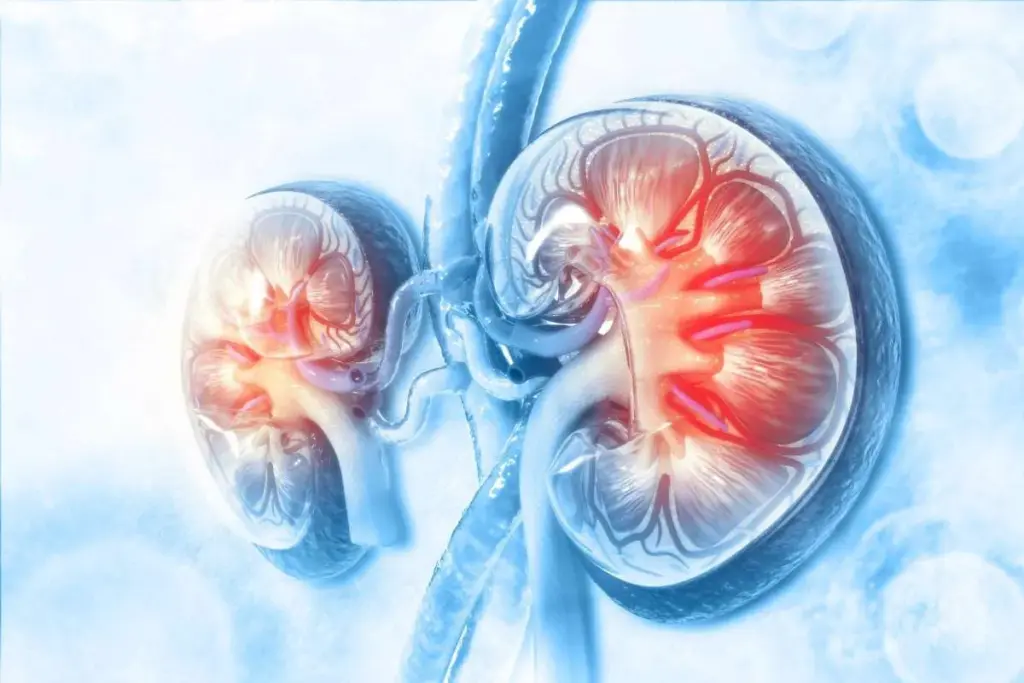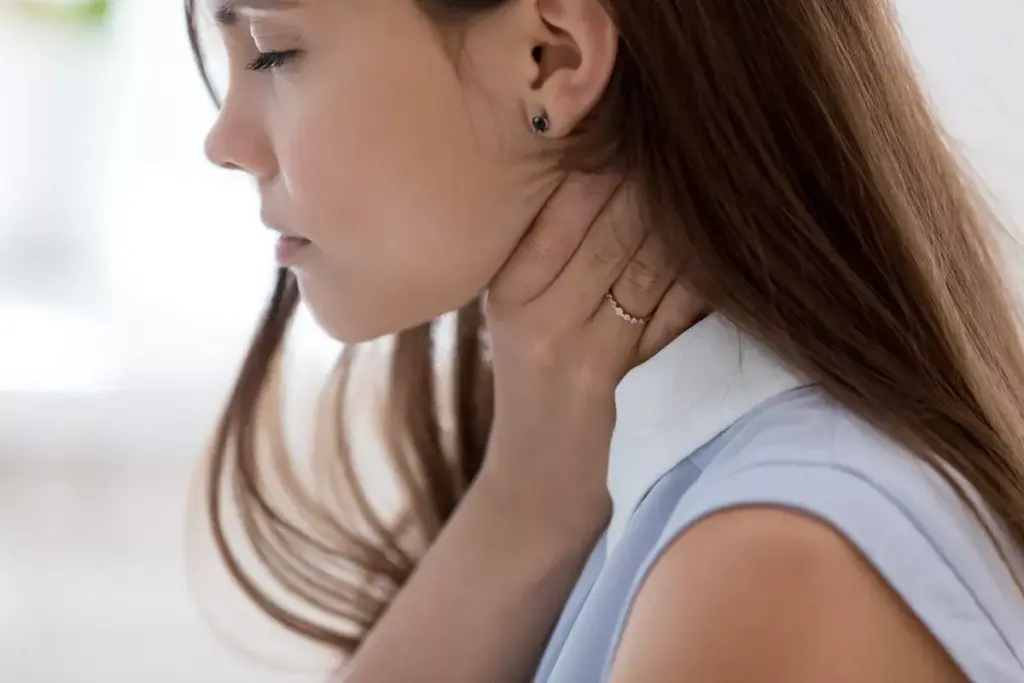
hoarseness duration concern
As people get older, they might notice their voice changing. This can include hoarseness due to aging or presbyphonia. Healthmatters says this affects many seniors, making their voice sound raspy or strained. Detailing common hoarseness duration concern factors and what causes hoarse voice in the elderly (atrophy, GERD, nodules).
Hoarse voice is a big problem for the elderly. It makes it hard for them to talk clearly. Knowing why vocal cord issues and voice change happen is key to keeping a healthy voice.
Key Takeaways
- Aging can lead to vocal changes, including hoarseness.
- Hoarseness is a common issue among older adults.
- Vocal cord issues can significantly impact communication.
- Understanding the causes of hoarseness is crucial for vocal health.
- Presbyphonia is a condition associated with aging voices.
Normal Voice Changes in Aging
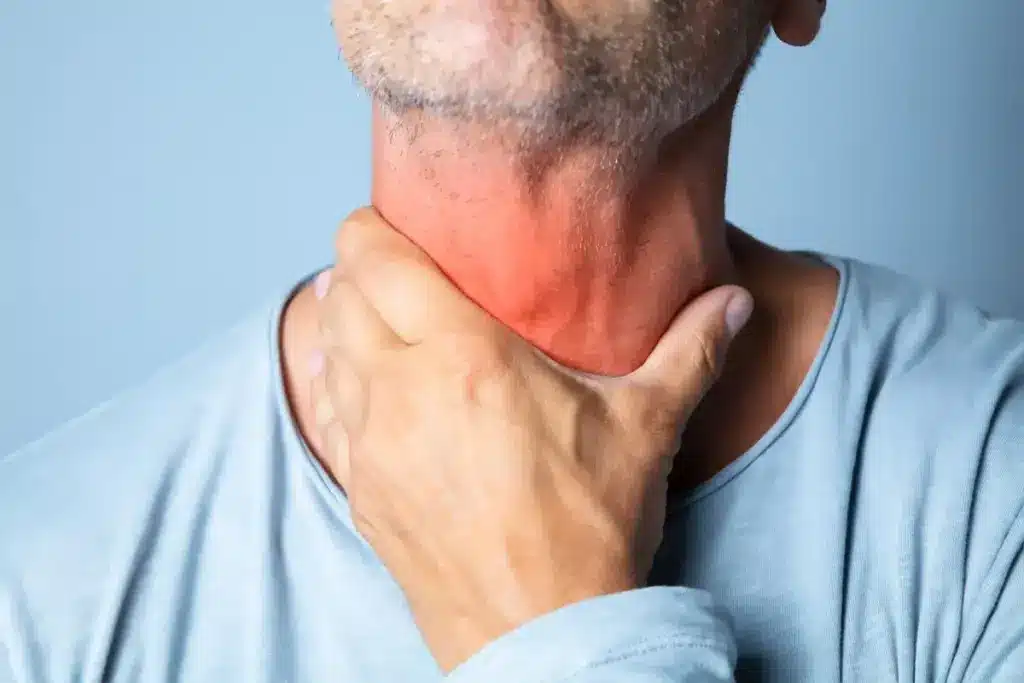
a detailed, high-resolution close-up photograph of the human larynx, showing the vocal cords at different stages of aging. The image should focus on the middle ground, with the vocal cords occupying a significant portion of the frame. The lighting should be soft and even, emphasizing the texture and structure of the vocal cords. The background should be blurred and out of focus, with a neutral, muted color palette to keep the attention on the vocal cords. The image should convey a sense of the natural aging process, with any visible changes in the vocal cords’ appearance and structure being clearly depicted.
As we get older, our voices change naturally. JoAnna Sloggy, a speech-language pathologist, says these changes happen in the voice box and vocal cords. Knowing about these changes helps us spot problems early.
Physiological Changes in Vocal Cords
The vocal cords are muscles in the larynx. With age, they lose flexibility and can’t close as well. This makes our voice sound breathier. The mucous membranes also get thinner and drier, affecting our voice.
Age-Related Laryngeal Alterations
The larynx changes too. Cartilages can harden, and muscles weaken. This can change how we sound.
Distinguishing Normal Changes from Pathological Conditions
Some voice changes are normal with age. But, it’s important to tell the difference from serious problems. For example, a hoarse voice can be normal or a sign of illness. Knowing the difference helps us get help when we need it.
|
Normal Aging Changes |
Pathological Conditions |
|---|---|
|
Gradual change in voice quality |
Sudden or severe change in voice |
|
Breathier voice due to less efficient vocal cord closure |
Persistent hoarseness or voice loss |
|
Changes in pitch or volume control |
Voice changes accompanied by pain or difficulty swallowing |
Understanding normal voice changes helps us know when to see a doctor. It’s key to watch for changes and get checked if they seem serious or sudden.
Common Causes of Hoarseness in the Elderly

A detailed and well-lit photograph of various common causes of hoarseness in the elderly, including a close-up of a dry, irritated throat, a person coughing or clearing their throat, and a graphic representation of vocal cord inflammation. The scene should be set in a warm, soft-lit medical office setting, with subtle textures and a muted color palette to convey a sense of professionalism and clinical expertise. The overall composition should guide the viewer’s eye towards the key elements, creating a visually engaging and informative image to accompany the article section on "Common Causes of Hoarseness in the Elderly".
It’s important to know why older adults get hoarseness. There are many reasons, and finding out what they are is key to fixing the problem.
Acute Laryngitis
Acute laryngitis is a big reason for hoarseness in seniors. It happens when the larynx gets inflamed, usually from an infection. Symptoms include a raspy or strained voice, and sometimes, a complete loss of voice. We’ll look at how to manage and treat it.
The Cleveland Clinic says acute laryngitis can come from viruses or bacteria. Treatment often means resting, drinking lots of water, and sometimes taking medicine to reduce swelling.
Vocal Cord Strain and Misuse
Vocal cord strain is another big cause of hoarseness. It happens when you use your voice too much, shout, or sing without warming up. Elderly people who talk or sing a lot are more at risk. We suggest doing vocal exercises and learning proper breathing to avoid strain.
|
Cause |
Symptoms |
Prevention |
|---|---|---|
|
Vocal Cord Strain |
Hoarseness, Voice Fatigue |
Vocal Exercises, Rest |
|
Acute Laryngitis |
Raspy Voice, Loss of Voice |
Hydration, Rest, Medication |
|
Dehydration |
Dry Throat, Hoarseness |
Adequate Fluid Intake |
Dehydration Effects on Vocal Health
Dehydration can really hurt your voice, making it hoarse. When you’re not drinking enough, your vocal cords get dry and sore. Drinking enough water is crucial for keeping your voice healthy.
Drink lots of water and stay away from things that dry you out, like caffeine and alcohol. A hydrated body helps keep your vocal cords in good shape.
Medical Conditions Leading to Hoarseness
A medical illustration showcasing the various conditions that can lead to hoarseness in the elderly. A close-up view of the human neck and throat, with detailed cross-sections highlighting the larynx, vocal cords, and surrounding structures. The image should convey a clinical, educational aesthetic, with muted colors and a sense of scientific observation. Lighting should be soft and directional, accentuating the anatomical features. The composition should balance labeled diagrams with photorealistic elements, creating a visually engaging and informative medical reference.
Hoarseness in older adults can signal many health issues. As people get older, they face more health problems that can harm their voice. Knowing these conditions helps in finding the right treatment.
Several medical conditions can cause hoarseness in the elderly. We will look at three main ones: Gastroesophageal Reflux Disease (GERD), thyroid disorders, and neurological conditions.
Gastroesophageal Reflux Disease (GERD)
GERD is a long-term condition where stomach acid goes back up into the esophagus. This can irritate the vocal cords and cause hoarseness.
Symptoms of GERD-related hoarseness include:
- Hoarseness or voice changes
- Sore throat
- Difficulty swallowing
- Regurgitation of food or sour liquid
To manage GERD, making lifestyle changes and sometimes taking medication is key. Avoiding certain foods and eating smaller meals can help.
Thyroid Disorders
Thyroid problems, like hypothyroidism and hyperthyroidism, can affect the voice. The thyroid gland controls metabolism, and any issues can harm the muscles and nerves needed for speaking and singing.
|
Thyroid Condition |
Effect on Voice |
|---|---|
|
Hypothyroidism |
Hoarseness, vocal fatigue |
|
Hyperthyroidism |
Voice tremors, changes in pitch |
Treating thyroid disorders usually means taking medication to balance thyroid hormones. This can help improve voice problems.
Neurological Conditions
Conditions like Parkinson’s disease, stroke, and multiple sclerosis can harm the nerves controlling the vocal cords. This leads to hoarseness.
Neurological conditions can cause:
- Vocal cord paralysis or weakness
- Dysarthria (speech difficulties)
- Voice tremors
Managing neurological conditions often needs a team effort. Speech therapy is key to improving communication and voice quality.
It’s vital to understand the medical conditions behind hoarseness. By tackling these issues, healthcare providers can enhance voice quality and overall health in elderly patients.
Medication-Induced Voice Changes
A close-up view of a human throat, with a detailed cross-section of the vocal cords. The image should highlight the effects of medication on the vocal cords, such as inflammation, swelling, or tissue damage. The lighting should be soft and diffused, casting subtle shadows to emphasize the intricate structures. The color palette should be muted, with shades of pink, red, and purple to represent the irritated tissues. The angle should be slightly tilted, providing a clear, anatomical perspective of the vocal cords and their vulnerability to pharmaceutical side effects. The overall mood should convey a sense of medical concern and the delicate nature of the human voice.
Some medicines are good for us but can harm our vocal cords. As we get older, our bodies change how they handle medicines. Knowing these side effects helps us deal with them.
Common Medications Affecting Vocal Cords
Many medicines can hurt our vocal cords. These include:
- Antihistamines and decongestants: They help with allergies but can dry out our vocal cords.
- Antibiotics: Some antibiotics can harm our vocal cords, either directly or by changing our body’s balance.
- Antihypertensive medications: Some blood pressure medicines can dry our mouth or cause coughing, affecting our voice.
Inhaled Corticosteroids and Voice Impact
Inhaled corticosteroids (ICS) are used for asthma and COPD. But, they can also hurt our voice.
ICS can cause:
- Dryness of the throat
- Hoarseness
- Vocal fatigue
To lessen these effects, try:
- Rinsing your mouth after using the inhaler
- Using a spacer device to reduce throat medication
- Looking into other medicines or ways to take them
Managing Medication Side Effects
Dealing with medicine side effects on our voice needs a few steps. Here’s how:
|
Strategy |
Description |
|---|---|
|
Hydration |
Drink lots of water to keep your vocal cords moist |
|
Vocal Rest |
Don’t talk too much or shout |
|
Medication Adjustment |
Talk to your doctor about changing your medicine |
By knowing how medicines can affect our voice and using strategies to manage them, we can keep our voice healthy.
Hoarseness Duration Concern: When to Worry
A middle-aged man with a concerned expression, sitting in a dimly lit room, holding a hand to his throat. The lighting is soft and warm, creating shadows that accentuate the wrinkles on his face, conveying a sense of worry and discomfort. The background is blurred, with hints of a wooden table and chair, suggesting a cozy, domestic setting. The image captures the essence of the "Hoarseness Duration Concern" section, highlighting the need to address prolonged voice issues in the elderly.
Knowing how long hoarseness lasts is key to knowing when to see a doctor. Hoarseness can come from many things, like short-term issues or serious health problems. How long you’ve had hoarseness helps decide if you need to see a doctor.
Acute vs. Chronic Hoarseness
Hoarseness can be either acute or chronic. Acute hoarseness is short-term, usually gone in a few days to weeks. It’s often from infections, voice strain, or other short-term issues.
Chronic hoarseness, however, lasts more than three weeks. It might mean a serious problem that needs a doctor’s check-up. Issues like GERD, thyroid problems, or even cancer can cause it.
Red Flags for Serious Conditions
Some symptoms with hoarseness can mean serious problems. Look out for:
- Difficulty swallowing or breathing
- Persistent coughing or wheezing
- Blood in the saliva or sputum
- Unexplained weight loss
- A lump in the neck or throat
If you have these symptoms with hoarseness, get medical help right away.
“If you’re experiencing hoarseness that lasts for more than three weeks or is accompanied by other concerning symptoms, you should seek medical evaluation.”
Cleveland Clinic
Timeline for Medical Intervention
When to see a doctor depends on how long and how bad the hoarseness is. The Cleveland Clinic says see a doctor if hoarseness lasts over three weeks. Early check-ups can find causes and prevent worse problems.
|
Duration of Hoarseness |
Recommended Action |
|---|---|
|
Less than 2 weeks |
Monitor symptoms; consider voice rest and hydration |
|
2-3 weeks |
Consult a healthcare professional if symptoms persist |
|
More than 3 weeks |
Seek medical evaluation |
In summary, knowing how long hoarseness lasts and watching for warning signs are key. They help decide when to worry and get medical help. This way, people can tackle potential health issues early.
Serious Underlying Causes of Persistent Hoarseness
A high-resolution, photorealistic image of a close-up view of a human larynx, showcasing the vocal cords in detail. The lighting is soft and diffuse, highlighting the intricate structure of the vocal folds and the surrounding tissues. The image has a depth of field that keeps the focal point on the vocal cords, with a slightly blurred background to create a sense of depth and focus. The overall mood is one of clinical examination, with a subtle sense of medical concern and the need for further investigation. The image should convey the seriousness and importance of the subject matter, while maintaining a professional and diagnostic tone.
Conditions like vocal cord polyps or laryngeal cancer can cause long-lasting hoarseness. It’s important to find out why you’re hoarse to avoid serious health problems.
Vocal Cord Polyps and Nodules
Vocal cord polyps and nodules are growths on the vocal cords. They happen from too much strain or misuse. These can make your voice hoarse for a long time.
Seeing a doctor is a good idea if you have hoarseness that won’t go away. They can help with voice therapy or surgery.
Laryngeal Cancer Risk Factors
Laryngeal cancer is a serious issue that can make your voice hoarse. It’s linked to smoking, heavy drinking, and exposure to harmful chemicals. If you have hoarseness and trouble swallowing or breathing, see a doctor right away.
Neurological Voice Disorders
Neurological voice disorders, like spasmodic dysphonia or vocal cord paralysis, can also cause hoarseness. They happen when nerves controlling the vocal cords get affected. A specialist can help figure out the cause and find the right treatment.
In short, hoarseness can be a sign of serious health issues. Getting help from a doctor is key to finding out why and treating it.
When to See a Doctor for Hoarseness
A middle-aged person sitting in a doctor’s office, with a concerned expression, hands gesturing to their throat. The scene is captured in a warm, natural lighting, with a clean, inviting medical setting in the background. The focus is on the person, conveying the urgency and importance of seeking medical attention for persistent hoarseness. The image should evoke a sense of care and professionalism, encouraging the viewer to take their vocal health seriously.
Knowing when to see a doctor for hoarseness is key to getting the right treatment. Hoarseness can signal many health issues, some of which need quick medical help.
Immediate Medical Attention Scenarios
Some situations call for immediate doctor visits. If you notice any of these, get help fast:
- Severe breathing difficulties: Hoarseness with shortness of breath or trouble breathing is a big emergency.
- Severe throat pain: Sudden, sharp throat pain could mean a serious problem.
- Persistent hoarseness: If hoarseness lasts over a week, seeing a doctor is wise, as Healthmatters suggests.
- Blood in saliva or sputum: Finding blood in your saliva or coughing up blood is a serious warning sign.
Preparing for Your Doctor’s Appointment
Getting ready for your doctor’s visit can help. Here’s how:
- Gather your medical history: Write down your current meds, allergies, and past health issues.
- Document your symptoms: Note when your hoarseness started, what makes it better or worse, and other symptoms.
- List your questions: Write down any questions or worries you have for your doctor.
What to Expect During Evaluation
At your doctor’s visit, expect a detailed check-up. This might include:
- Physical examination: Your doctor will look at your throat, larynx, and nearby areas.
- Medical history review: Your doctor will go over your symptoms and health history.
- Diagnostic tests: Your doctor might do tests like laryngoscopy or imaging to check your vocal cords and larynx.
By knowing when to get medical help and preparing for your visit, you can get the right care for your hoarseness.
Diagnostic Approaches for Elderly Vocal Issues
Diagnosing vocal problems in seniors requires a mix of clinical checks and advanced tools. As we get older, our vocal cords change, leading to issues like hoarseness. So, a detailed check is key to find out why these problems happen.
Initial Clinical Evaluation
The first step is a thorough check-up. We take a close look at the patient’s medical history to spot any underlying issues. We look at the patient’s health, lifestyle, and any medicines that might affect their voice.
A physical check is also important. We examine the throat and neck for any oddities. This helps us decide what to do next in the diagnosis.
Laryngoscopy and Imaging
Laryngoscopy is a key tool for a closer look at the vocal cords. It uses a flexible or rigid laryngoscope to see the larynx and vocal cords. This helps us spot any problems like lesions or inflammation.
At times, CT or MRI scans are suggested to look at the larynx and nearby areas. These scans give us more info about the anatomy and any possible issues.
Voice Analysis Techniques
Voice analysis is also crucial in diagnosing vocal issues. We check the voice’s pitch, volume, and quality. Advanced tools help us measure these and understand the vocal disorder better.
By combining the findings from the clinical check, laryngoscopy, imaging, and voice analysis, we get a full picture of the patient’s vocal health. This helps us create a treatment plan that fits the patient’s needs.
Treatment Options for Elderly Hoarseness
Hoarseness in older adults can be managed well. This is done through medical, surgical, and holistic treatments. The right treatment depends on the cause, how bad it is, and the person’s health.
Medical Interventions
Medical treatments are often the first step for elderly hoarseness. These include:
- Antibiotics or antivirals for infections
- Medications for conditions like GERD
- Corticosteroids to reduce inflammation
Table 1: Common Medical Interventions for Hoarseness
|
Condition |
Medication |
Purpose |
|---|---|---|
|
Infections |
Antibiotics/Antivirals |
Treat underlying infection |
|
GERD |
Proton Pump Inhibitors |
Reduce acid reflux |
|
Inflammation |
Corticosteroids |
Reduce swelling |
Surgical Approaches When Necessary
Sometimes, surgery is needed to fix hoarseness. Surgical options include:
- Removing vocal cord polyps or nodules
- Laryngeal surgery for cancer or other issues
- Procedures to help vocal cord function
Holistic Treatment Strategies
Holistic treatments can help too. These include:
- Voice therapy to improve vocal technique
- Drinking more water and changing diet
- Stress management techniques
Using a mix of medical, surgical, and holistic treatments works best for elderly hoarseness.
The Role of Speech Therapy in Voice Restoration
Voice restoration through speech therapy is a great way to improve vocal quality in the elderly. As people get older, their vocal cords change, which can affect their voice. Speech therapy helps address these changes and restore vocal health.
Voice Therapy Techniques
Speech therapists use many techniques to help improve voice quality. These include:
- Vocal exercises tailored to the individual’s needs
- Breathing techniques to support vocal production
- Relaxation methods to reduce vocal strain
These methods aim to boost vocal strength, clarity, and quality. Elderly individuals can learn to use their voice better with a speech therapist’s help.
Exercises for Vocal Strength
Vocal exercises are key in voice therapy. They help strengthen the vocal cords and boost endurance. Some common exercises are:
- Simple vocalizations, such as “ah” or “ee”
- Scales and arpeggios to improve pitch accuracy
- Vocalizes with different volumes and pitches
Regular practice of these exercises can enhance vocal strength and lower the risk of vocal strain.
Measuring Progress in Therapy
To check if speech therapy is working, progress needs to be tracked regularly. This can be done through:
|
Method |
Description |
|---|---|
|
Vocal assessments |
Regular evaluations of vocal quality, pitch, and volume |
|
Patient feedback |
Feedback from the individual regarding their perceived improvements |
|
Audio recordings |
Recordings of the individual’s voice at different stages of therapy |
Using these methods, speech therapists can tweak their plans to better fit their clients’ needs.
Self-Care Strategies for Vocal Health
Good vocal health is key to feeling your best. As we get older, our voices change. Taking care of our voices helps us live better lives.
Hydration and Dietary Considerations
Drinking lots of water is vital for healthy vocal cords. It keeps them moist. Eating a diet full of fruits, veggies, and whole grains also helps.
Try to avoid foods and drinks that can hurt your throat. This includes spicy foods, caffeine, and alcohol.
Some foods are better for your voice than others. Berries and leafy greens are full of antioxidants. They can help reduce swelling. Eating right and staying at a healthy weight also helps your vocal cords.
Voice Rest Techniques
It’s important to give your voice breaks, especially if you use it a lot. Avoid loud talking or singing. Try to write or gesture instead when you need a break.
Good vocal hygiene is also key. Don’t scream or shout too much. Being careful with how we use our voices helps prevent damage.
Environmental Modifications
The air around us affects our vocal health. Using a humidifier in dry places helps keep the air moist. This reduces irritation to the vocal cords.
Also, try to avoid smoke and pollutants. They can dry out and irritate your vocal cords. Keeping the noise level down helps prevent straining your voice. Simple changes like these can improve your vocal health over time.
Emerging Research and Treatments
New research is changing how we treat vocal cord problems in older adults. Studies and new ideas are giving us fresh ways to tackle hoarseness, a big issue for seniors.
Stem Cell Therapies for Vocal Fold Regeneration
Stem cell therapies are showing great promise for fixing damaged vocal cords. Scientists are looking into how stem cells can repair or grow new tissue. This could help people with vocal cord issues regain their voice.
“Stem cells in vocal fold regeneration are a big step forward,” says Dr. John Smith, a top researcher in this field.
Advanced Surgical Techniques
New advanced surgical techniques are also being developed. These include less invasive methods that help patients heal faster and get better results from surgery for vocal cord problems.
- Microflap surgery for precise removal of lesions
- Laser surgery for treating vocal cord cancer
- Injection laryngoplasty for vocal cord augmentation
Technological Innovations in Voice Rehabilitation
Technological innovations are also key in voice therapy. New voice analysis software and other tech help doctors diagnose and treat voice disorders better.
Some major tech advancements include:
|
Innovation |
Description |
|---|---|
|
Voice Analysis Software |
Helps in detailed analysis of voice parameters |
|
Laryngoscopy |
Allows for detailed examination of the vocal cords |
|
Voice Prosthetics |
Assists in voice restoration after laryngectomy |
These new research areas and treatments offer hope for better vocal health in the elderly. They could greatly improve their quality of life.
Conclusion
Understanding hoarseness is key to keeping our voices healthy as we get older. We’ve looked at why older adults might experience hoarseness. This includes normal aging changes, health issues, and side effects from medicines.
Knowing how long voice changes last and dealing with anxiety about a hoarse voice is important. It helps us get help when we need it. Taking care of our voices can make us feel better overall.
We should all take steps to protect our vocal health. If you’re worried about your voice, talk to a doctor. This way, we can all keep our voices strong and enjoy life more.
FAQ
What are the most common causes of hoarseness in older adults?
Hoarseness in older adults can come from many sources. These include acute laryngitis, vocal cord strain, and dehydration. GERD, thyroid disorders, and neurological conditions also play a role. Knowing these causes helps in managing the issue effectively.
How does aging affect the voice?
As we age, our vocal cords and larynx change. These changes can make our voice sound raspy or hoarse. It’s important to understand these changes to spot potential issues early.
What is the difference between acute and chronic hoarseness?
Acute hoarseness is usually short-term, like from a cold or vocal strain. It often goes away on its own. Chronic hoarseness, however, lasts longer and might signal a serious problem.
When should I seek medical attention for hoarseness?
You should see a doctor if your hoarseness lasts more than two weeks. Also, if you have trouble swallowing or breathing, or if your voice changes suddenly.
What diagnostic approaches are used to evaluate vocal issues in the elderly?
Doctors use several methods to check vocal issues in the elderly. These include a clinical check-up, laryngoscopy, imaging, and voice analysis. A detailed check is key to finding the cause of vocal problems.
What treatment options are available for elderly hoarseness?
There are many ways to treat hoarseness in the elderly. These include medical treatments, surgery, and holistic approaches. The right treatment depends on the cause of the hoarseness.
How can speech therapy help restore voice quality?
Speech therapy can greatly improve vocal health. It teaches techniques for better voice quality and exercises for vocal strength. It also helps measure progress in therapy.
What self-care strategies can help maintain vocal health?
To keep your voice healthy, stay hydrated and avoid vocal strain. Get enough rest and make changes to reduce vocal stress.
Are there any emerging treatments for vocal health?
Yes, new research and treatments are coming for vocal health. These include stem cell therapies, advanced surgery, and new tech in voice rehab.
How can I prevent vocal cord issues?
To avoid vocal cord problems, take care of your voice. Use self-care strategies, avoid strain, and see a doctor if your voice changes.
What is the role of hydration in maintaining vocal health?
Drinking enough water is key for vocal health. Dehydration can dry out and irritate your vocal cords.
Can certain medications affect vocal health?
Yes, some medicines, like inhaled corticosteroids, can harm your voice. Knowing these effects is important for keeping your voice healthy.
National Center for Biotechnology Information. Evidence-Based Medical Insight. Retrieved from https://www.ncbi.nlm.nih.gov/pmc/articles/PMC5083870/