Insomnia stroke risk Discover the surprising insomnia stroke risk. Learn how a lack of sleep can dramatically increase your chances of a CVA.
Did you know that sleep disorders, like insomnia, can raise your stroke risk? Recent studies show a strong link between not getting enough sleep and heart health.
We aim to teach you about how sleep affects stroke risk. Knowing this is key to staying healthy and avoiding strokes. Sleep is essential for our health, and problems with it can lead to serious issues.
Key Takeaways
- Sleep disorders like insomnia can increase the risk of stroke.
- Sleep deprivation affects cardiovascular health.
- Understanding the link between sleep and stroke is crucial for prevention.
- Maintaining good sleep hygiene is essential for overall health.
- Research supports the connection between sleep disorders and stroke risk.
The Sleep-Stroke Connection: An Overview
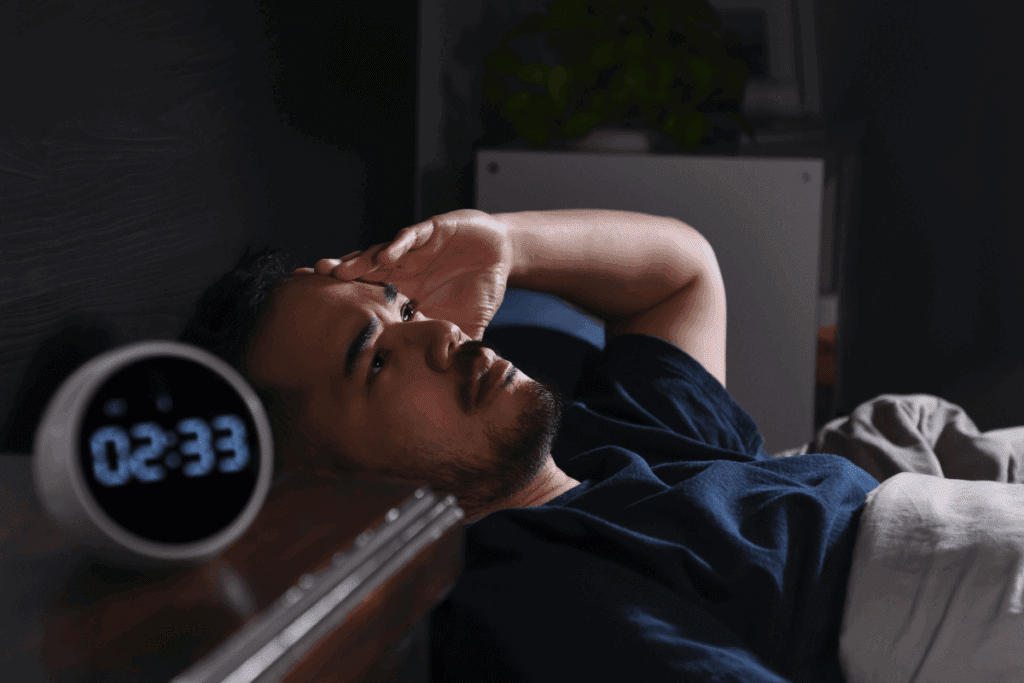
Sleep disorders are a big worry in America because they can harm our hearts, especially by increasing stroke risk. Millions of people in the U.S. deal with sleep issues like insomnia and sleep apnea. These problems can hurt our brains and our overall health.
The Prevalence of Sleep Disorders in America
Sleep disorders are very common in the U.S. Baylor Scott & White Health says insomnia is a big problem, affecting many people. Here’s a table showing how common different sleep disorders are among American adults.
| Sleep Disorder | Prevalence |
| Insomnia | 10-15% |
| Sleep Apnea | 4-7% |
| Restless Leg Syndrome | 5-10% |
Why Sleep Matters for Brain Health

Sleep is key for our brain’s health. It helps our brain remember things, manage feelings, and get rid of waste. Poor sleep can cause problems with thinking, mood, and increase the risk of brain diseases.
Understanding the impact of chronic fatigue on brain health is crucial.
The Hidden Costs of Sleep Deprivation
Sleep deprivation has big effects on society, not just individuals. Chronic fatigue from sleep issues can make us less productive, increase healthcare costs, and raise the chance of accidents. It also makes health problems worse, linking sleep, brain health, and overall well-being.
By tackling sleep disorders and promoting good sleep habits, we can reduce these risks. This means following sleep hygiene best practices like keeping a regular sleep schedule, making a sleep-friendly environment, and avoiding activities that get you excited before bed.
Understanding Stroke: Types and Risk Factors
It’s important to understand stroke to help reduce its impact on health worldwide. Stroke is a major cause of death and disability. We need a strong plan to prevent and manage it.
Stroke isn’t just one disease. It has different types, each with its own causes and risks. The most common type is ischemic stroke.
Ischemic vs. Hemorrhagic Strokes
Ischemic strokes happen when a brain blood vessel gets blocked. Ischemic strokes make up about 87% of all strokes. They’re often caused by blood clots or plaque in arteries.
Hemorrhagic strokes, however, are caused by a blood vessel in the brain bursting. Hemorrhagic strokes are less common but more severe and dangerous.
Traditional Risk Factors for Stroke
Many factors increase the chance of having a stroke. These include hypertension, smoking, diabetes, high cholesterol, and obesity. Changing our lifestyle and getting medical help are key to preventing strokes.
For example, hypertension from insomnia raises stroke risk. So, treating sleep disorders is crucial for preventing strokes.
Emerging Risk Factors: Sleep’s Role
New research shows sleep disorders play a big role in stroke risk. Sleep apnea strokes are a big worry because sleep apnea affects brain oxygen and heart health.
Also, fatigue cardiovascular risk is a concern. Chronic fatigue can lead to heart problems and increase stroke risk.
Knowing about these risk factors is key to fighting stroke. By tackling sleep disorders and other risks, we can lower stroke rates. This helps both individuals and communities.
The Science Behind Insomnia Stroke Risk
Research shows a strong link between insomnia and stroke risk. This connection is important to understand. It helps us find ways to prevent strokes.
Research Findings on Sleep Deprivation and Stroke
Studies have found that not sleeping enough can increase stroke risk. This is because it can cause inflammation, high blood pressure, and heart disease. Also, how well you sleep is just as important as how long you sleep.
Sleep is key for heart health and controlling stress hormones. It helps blood vessels work right. Without enough sleep, these things can go wrong, raising stroke risk.
Statistical Correlations Between Insomnia and Stroke Incidence
Big studies have looked at how insomnia and stroke are linked. They found people with insomnia are more likely to have a stroke. A study in Neurology found this is especially true for older adults and those with health problems.
| Population Studied | Insomnia Prevalence | Stroke Incidence |
| Older Adults | 30% | 2.5 times higher |
| General Population | 15% | 1.8 times higher |
| Individuals with Pre-existing Conditions | 40% | 3 times higher |
High-Risk Populations
Some groups face a bigger risk from insomnia and stroke. These include older people, those with heart disease, and others with health issues. It’s key to manage insomnia in these groups to lower stroke risk.
Knowing the link between insomnia and stroke helps us spot who’s at risk. We can then take steps to help them. This includes better sleep habits, treating sleep disorders, and reducing other stroke risks.
How Sleep Deprivation Affects Your Cardiovascular System
Not getting enough sleep hurts our heart and blood system in many ways. It can cause high blood pressure, inflammation, and damage to blood vessel walls. All these problems can lead to heart disease.
Blood Pressure Regulation During Sleep
Normally, blood pressure goes down by 10-20% at night. This is good for our heart. But, if we don’t sleep well, our blood pressure stays high.
Hypertension from not sleeping well is a big worry. It can harm our heart over time. Research shows that insomnia can make us more likely to get hypertension. This is a major risk for heart problems and stroke.
Inflammatory Responses to Sleep Loss
Not sleeping well makes our body’s immune system go into overdrive. This can hurt our blood vessels, making them more likely to get blocked.
The body’s inflammatory response to lack of sleep is key in getting atherosclerosis. This is when plaque builds up in our arteries, raising the risk of stroke.
Endothelial Dysfunction and Vascular Health
The endothelium is a thin layer of cells inside our blood vessels. It helps control blood flow and keeps our blood vessels healthy. Lack of sleep can damage this layer, causing endothelial dysfunction.
This damage can make our blood vessels less able to widen. It can also raise blood pressure and increase the risk of blood clots. All these are linked to a higher chance of stroke.
Metabolic Consequences of Poor Sleep
Sleep loss can also mess with how our body handles sugar and insulin. It can make us more resistant to insulin, which can lead to type 2 diabetes. This is a big risk for heart disease.
Also, not sleeping well can make us hungrier and eat more. This can lead to weight gain and obesity. Both of these can make our heart health worse.
Sleep Duration and Stroke Risk: Finding the Sweet Spot
Research shows that too little or too much sleep can raise stroke risk. Finding the right amount of sleep is key to preventing strokes.
Too Little Sleep: The Dangers of Chronic Sleep Deprivation
Not getting enough sleep, less than 7 hours a night, can harm your heart. Sleeping under 5 hours a night increases stroke risk a lot. This is because it leads to inflammation, high blood pressure, and poor blood sugar control.
Too Much Sleep: When Oversleeping Signals Problems
Sleeping more than 9 hours a night also raises stroke risk. Long sleep times can signal health problems like depression or heart disease. It’s important to find out why you’re sleeping too much to lower stroke risk.
- Oversleeping can be a sign of sleep disorders.
- It might mean your sleep quality is poor, even if you sleep a lot.
- Health issues need to be treated.
Optimal Sleep Duration for Stroke Prevention
Research finds that 7 to 8 hours of sleep a night is best for avoiding strokes. Getting this amount of sleep requires good sleep habits and treating sleep disorders.
To sleep well, try these tips:
- Stick to a regular sleep schedule.
- Make your bedroom sleep-friendly.
- Stay away from caffeine and screens before bed.
Knowing the risks of too little or too much sleep helps. Striving for 7 to 8 hours a night can lower your stroke risk a lot.
Sleep Apnea: A Silent Stroke Predictor
It’s important to know about sleep apnea. It’s a silent stroke predictor that can have serious effects if not treated. Sleep apnea is a common sleep disorder that affects millions. Its link to stroke risk is becoming more clear.
Obstructive Sleep Apnea Explained
Obstructive sleep apnea (OSA) is the most common type. It happens when the muscles in the throat relax, narrowing or closing the airway during sleep. This causes pauses in breathing or shallow breathing.
How Sleep Apnea Increases Stroke Risk
Sleep apnea raises stroke risk in several ways. First, the breathing pauses can cause blood oxygen levels to fluctuate. This leads to inflammation and damage to blood vessels.
Second, sleep apnea is linked to higher blood pressure, a major stroke risk factor. Lastly, it can cause heart problems like arrhythmias, increasing stroke risk.
Diagnosis and Testing Methods
Diagnosing sleep apnea usually involves a sleep study. These can be done at home or in a sleep lab. They monitor breathing, oxygen levels, and brain activity while you sleep.
Home sleep apnea tests are becoming more common. They provide valuable data for diagnosis.
Treatment Options
Treatment for sleep apnea varies based on severity. It may include lifestyle changes like weight loss and avoiding alcohol before bed. Medical treatments like CPAP therapy are also used.
Other options include oral appliances and, in some cases, surgery.
| Treatment Option | Description | Benefits |
| CPAP Therapy | Continuous positive airway pressure delivered through a mask | Effective in reducing apneas, improving sleep quality |
| Oral Appliances | Devices that advance the lower jaw to keep the airway open | Comfortable, portable, and effective for mild to moderate OSA |
| Lifestyle Changes | Weight loss, exercise, avoiding alcohol and sedatives before bed | Can significantly reduce symptoms, improve overall health |
Understanding sleep apnea and its link to stroke risk is key. By managing sleep apnea, individuals can lower their stroke risk. Working with healthcare professionals is crucial for diagnosis and treatment.
Insomnia and Hypertension: The Dangerous Duo
Insomnia and hypertension often go together, raising the risk of stroke. Both are risk factors for heart disease. Knowing how they link can help us find ways to lower these risks.
How Poor Sleep Elevates Blood Pressure
Poor sleep, like insomnia, can mess with blood pressure. Normally, blood pressure drops at night. But for those with insomnia, it stays high.
Chronic sleep loss can turn on the body’s stress system, raising heart rate and blood pressure. This can make blood pressure stay high even when awake, leading to hypertension.
Also, not sleeping well can raise stress hormones like cortisol and adrenaline. These hormones can make blood pressure go up. Long-term sleep problems can lead to high blood pressure, raising the risk of heart problems like stroke.
Nighttime Blood Pressure Non-Dipping
Usually, blood pressure goes down at night and up in the morning. But some people’s blood pressure doesn’t drop at night. This is called non-dipping, and it’s linked to more heart damage and risk of heart problems.
Insomnia can cause non-dipping by messing with sleep patterns. Studies show non-dippers are more likely to have strokes and heart disease than dippers.
Breaking the Insomnia-Hypertension Cycle
To break the cycle of insomnia and high blood pressure, we need to tackle both. Improving sleep with cognitive behavioral therapy or other treatments is key. Keeping a regular sleep schedule, making the bedroom sleep-friendly, and avoiding bedtime activities are important steps.
Managing high blood pressure with lifestyle changes and, if needed, medication is also crucial. Checking blood pressure regularly, day and night, helps see if treatments are working. By tackling both insomnia and high blood pressure, we can lower stroke risk and improve heart health.
In summary, insomnia and high blood pressure together increase stroke risk. Understanding how poor sleep affects blood pressure and contributes to non-dipping helps us find solutions. Improving sleep and managing high blood pressure are key to reducing stroke risk and keeping the heart healthy.
Circadian Rhythm Disruptions and Stroke Vulnerability
Our internal circadian rhythm is key for heart health. Disruptions can raise stroke risk. The modern world’s demands often lead to irregular sleep patterns and circadian rhythm disruptions, affecting our overall well-being.
Shift Work and Stroke Risk
Shift work, which involves working irregular hours, often at night, can significantly disrupt the body’s natural circadian rhythm. Studies have shown that long-term shift work is associated with an increased risk of cardiovascular disease, including stroke.
To illustrate the impact of shift work on stroke risk, let’s examine the following data:
| Shift Work Duration | Stroke Risk Increase |
| Less than 5 years | 10% |
| 5-10 years | 20% |
| More than 10 years | 30% |
Jet Lag and Temporary Disruptions
Jet lag, experienced when traveling across time zones, can cause temporary disruptions to our circadian rhythm. While typically short-term, frequent jet lag can have cumulative effects on cardiovascular health.
Strategies to mitigate jet lag include adjusting sleep schedules before travel and staying hydrated during flights.
Social Jetlag in Modern Society
Social jetlag refers to the discrepancy between our natural sleep-wake cycle and the demands of our social schedules. This can lead to chronic sleep deprivation and circadian rhythm disruptions.
To combat social jetlag, establishing a consistent sleep schedule and creating a sleep-conducive environment are recommended.
Chronotherapy Approaches
Chronotherapy involves timing medical treatments according to the body’s natural circadian rhythms to maximize efficacy and minimize side effects. For stroke prevention, chronotherapy approaches can help manage hypertension and other cardiovascular risk factors.
REM Sleep Deficiency and Neurological Health
REM sleep deficiency is a big deal for our brains. It can raise our risk of stroke and affect how we think. REM sleep is when our brain is most active, processing memories. Not getting enough can harm our brain health.
The Importance of REM Sleep for Brain Function
REM sleep is key for a healthy brain. It’s when our brain works hard, making memories and learning. Without enough, we might struggle with focus and memory.
Studies show it also keeps our brain cells healthy. Without it, our brain can get damaged by inflammation and stress.
REM sleep also helps us manage our emotions. It’s linked to better mental health. Without it, we might feel more anxious or depressed.
How REM Sleep Disorders Affect Stroke Risk
REM sleep disorders can increase our stroke risk. People with these disorders, like REM sleep behavior disorder (RBD), are more likely to have a stroke. RBD makes dreams feel real, leading to stress and high blood pressure.
REM sleep issues can also cause chronic fatigue. This can hurt our brain and raise stroke risk by causing inflammation and heart problems.
Monitoring and Improving REM Sleep Quality
It’s important to improve our REM sleep for our brain’s health. Here are some ways to do it:
- Stick to a regular sleep schedule.
- Make your bedroom a sleep haven.
- Stay away from caffeine and screens before bed.
- Try relaxation techniques like meditation.
Keeping track of our sleep with diaries or devices can help. If sleep problems persist, see a doctor for help.
Chronic Fatigue and Its Impact on Brain Health
Understanding the impact of chronic fatigue on brain health is crucial. This knowledge helps us find better ways to manage and treat it. Chronic fatigue makes you feel tired all the time, which can mess with your thinking, feelings, and brain health.
Distinguishing Between Tiredness and Chronic Fatigue
Tiredness is something we all feel sometimes. It usually goes away when we rest or sleep. But chronic fatigue is different. It’s a deep, lasting tiredness that doesn’t get better with rest.
Key differences between tiredness and chronic fatigue include:
- Persistent nature of fatigue
- Lack of relief from rest or sleep
- Impact on daily functioning and cognitive performance
Neurological Consequences of Long-Term Fatigue
Chronic fatigue can harm your brain in many ways. It can make you think less clearly, feel down, and even raise your heart disease risk. Studies show that people with chronic fatigue often have brain problems, showing we need to care for them fully.
“Chronic fatigue syndrome is associated with significant cognitive impairment, including difficulties with memory, attention, and processing speed.”
| Neurological Consequences | Description |
| Cognitive Impairment | Difficulties with memory, attention, and processing speed |
| Mood Disturbances | Increased risk of depression and anxiety |
| Cardiovascular Risk | Potential increased risk due to chronic inflammation and other factors |
Recovery Strategies for the Fatigued Brain
Getting better from chronic fatigue takes many steps. We need to change our lifestyle, manage stress, and sometimes get medical help. Improving sleep, doing gentle exercise, and relaxing can help a lot.
Effective recovery strategies include:
- Improving sleep quality through consistent sleep schedules and a sleep-conducive environment
- Engaging in gentle exercise, such as yoga or short walks, to enhance energy levels
- Practicing stress-reduction techniques, like meditation or deep breathing exercises
Understanding chronic fatigue and its effects on the brain helps us support people better. This way, we can improve their health and lower the risk of brain problems.
Effective Sleep Strategies for Stroke Prevention
Good sleep is key to lowering stroke risk. We’ll look at ways to improve sleep, like sleep hygiene, diet, and exercise timing.
Sleep Hygiene Best Practices
Good sleep hygiene is essential. It means having a regular sleep schedule and a quiet sleep space. Also, avoid caffeine and screens before bed.
- Create a dark, quiet sleep environment.
- Avoid caffeine and electronic screens before bedtime.
- Maintain a consistent sleep schedule, even on weekends.
Following these tips can help you sleep better and lower stroke risk.
Dietary Considerations for Better Sleep
What you eat affects your sleep. Eating foods that help sleep can improve your rest.
| Food | Nutritional Benefit |
| Turkey | Rich in tryptophan, an amino acid that promotes relaxation. |
| Almonds | Contains magnesium, which can help improve sleep quality. |
| Chamomile Tea | Known for its calming effects, promoting better sleep. |
Exercise Timing for Optimal Sleep
Exercise also affects sleep. The right time for exercise can improve sleep quality.
- Engage in regular physical activity.
- Avoid vigorous exercise within 2 hours of bedtime.
- Consider morning or early afternoon exercise for better sleep.
By exercising at the right time and following sleep hygiene and diet tips, you can sleep better and lower stroke risk.
Medical Interventions for Sleep Disorders to Reduce Stroke Risk
Managing sleep disorders well means using a mix of treatments to lower stroke risk. Sleep issues like insomnia and sleep apnea raise the chance of having a stroke. So, it’s key to tackle these problems to prevent strokes.
When to Seek Professional Help
Knowing when to get help for sleep problems is important. If you can’t sleep for more than a few weeks, or if it’s messing with your daily life, see a doctor. They can figure out what’s wrong and suggest the right treatment.
Medication Options and Considerations
Medicines can help with sleep issues. But, it’s important to think about the side effects and how they might mix with other drugs. Some sleep aids can be addictive, and others might not work well over time. We’ll look at the different medicines available and what they mean.
Cognitive Behavioral Therapy for Insomnia (CBT-I)
Cognitive Behavioral Therapy for Insomnia (CBT-I) is a top choice for treating insomnia. It helps by changing negative thoughts and behaviors that cause insomnia. This method is safe and can really improve your sleep for a long time.
Integrative and Alternative Approaches
There are also other ways to help with sleep disorders, like mindfulness and special diets. These can be helpful, but how well they work can vary. Always talk to a doctor before trying these methods.
| Treatment Option | Description | Benefits | Considerations |
| Medication | Pharmacological interventions to aid sleep | Quick relief, can be effective in the short term | Risk of dependency, side effects |
| CBT-I | Behavioral therapy to address underlying causes of insomnia | Long-term benefits, non-pharmacological | Requires commitment, may not be suitable for everyone |
| Integrative/Alternative Approaches | Complementary methods such as mindfulness and dietary supplements | Holistic approach, potentially fewer side effects | Variable efficacy, should be used under professional guidance |
Conclusion: Prioritizing Sleep as a Stroke Prevention Strategy
The link between sleep and stroke risk is complex. Understanding sleep’s role in heart health is key. This knowledge helps people lower their stroke risk.
Good sleep habits are crucial for preventing stroke. This includes a regular sleep schedule and a comfortable sleep space. Making sleep a priority and getting help when needed can greatly reduce stroke risk.
Improving sleep quality is a big step towards lowering stroke risk. We urge everyone to make sleep a key part of their health plan. This includes addressing sleep disorders.
FAQ
Can lack of sleep directly cause a stroke?
Sleep deprivation itself doesn’t directly cause a stroke. But, chronic sleep issues can raise stroke risk. This is because they can harm heart health, including high blood pressure and inflammation.
How does insomnia affect stroke risk?
Insomnia can up stroke risk by raising blood pressure and causing inflammation. It also messes with heart function. To lower this risk, manage insomnia with good sleep habits and medical help.
What is the optimal sleep duration for stroke prevention?
Sleeping 7-9 hours a night is best for avoiding stroke. Too little or too much sleep can increase stroke risk.
How does sleep apnea increase the risk of stroke?
Sleep apnea raises stroke risk by causing low oxygen levels, inflammation, and blood pressure issues. If not treated, it can stress the heart a lot.
Can improving sleep quality reduce the risk of stroke?
Yes, better sleep quality can lower stroke risk. This can be done through good sleep habits, managing sleep disorders, and healthy living.
What is the link between circadian rhythm disruptions and stroke risk?
Disruptions in the body’s natural rhythm, like from shift work, can harm heart health. This can lead to higher stroke risk.
How does REM sleep deficiency impact neurological health?
REM sleep is key for brain health. Lack of it can hurt thinking, mood, and may raise the risk of stroke.
What are the most effective strategies for managing insomnia to reduce stroke risk?
Good sleep habits, CBT-I, and sometimes medical help are key. Lifestyle changes like exercise and a healthy diet also help a lot.
When should someone seek professional help for sleep disorders?
Get help if sleep problems last, you’re always tired, or have sleep disorders like apnea. Early help can make a big difference.
Are there any dietary considerations that can improve sleep quality?
Yes, eating well with fruits, veggies, whole grains, and lean proteins helps sleep. Avoid caffeine, alcohol, and big meals before bed for better sleep.
How does chronic fatigue impact brain health?
Chronic fatigue can hurt brain function, mood, and raise the risk of brain disorders. Finding and treating the cause and using recovery strategies is key.
References
JAMA Network. Insomnia Links to Stroke Risk Brief Overview. Retrieved from https://jamanetwork.com/journals/jama/fullarticle/1874506