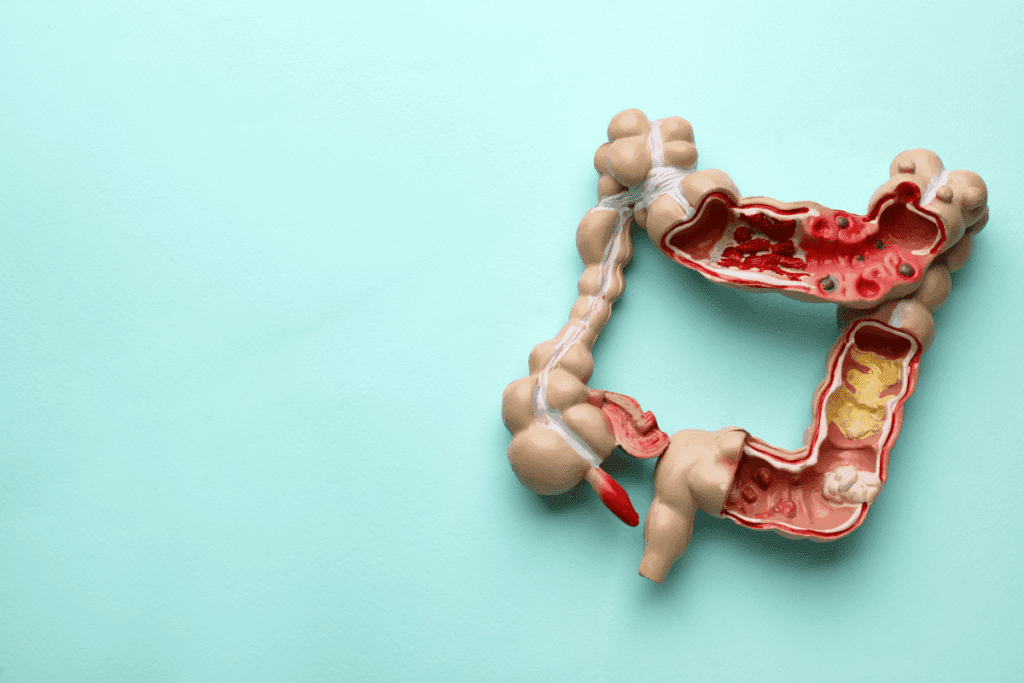
Intestinal ischemia is a serious condition where blood flow to the intestines is cut off. This can cause tissue damage and gangrene if not treated. At Liv Hospital, we understand the importance of prompt medical attention in such emergencies intestinal ischemia symptoms.
Recognizing the signs and symptoms early can save lives. Untreated cases can have mortality rates up to 80 percent. We are dedicated to providing top-notch emergency and surgical care for those with this condition. In this article, we will guide you through the critical signs of intestinal ischemia and stress the need for timely medical intervention.
Key Takeaways
- Intestinal ischemia is a life-threatening condition requiring immediate medical attention.
- Reduced blood flow to the intestines can cause tissue damage and gangrene.
- Recognizing early signs and symptoms is critical for effective treatment.
- Liv Hospital provides advanced emergency and surgical care for intestinal ischemia.
- Prompt treatment can significantly reduce mortality rates associated with this condition.
Understanding Intestinal Ischemia: A Critical Medical Emergency

Intestinal ischemia is a serious condition where the intestines don’t get enough blood. It’s a medical emergency that needs quick action. We’ll look into what it is, why it happens, and how it’s treated.
Definition and Pathophysiology
Intestinal ischemia happens when the intestines don’t get enough blood. This can cause damage and even death. It’s a serious problem that needs fast treatment.
The mesenteric circulation is key to the intestines getting blood. Problems with this circulation can lead to ischemia. Knowing how the mesenteric circulation works is important for treating intestinal ischemia.
Types of Intestinal Ischemia
There are different kinds of intestinal ischemia, each with its own cause and symptoms. The main types are:
- Acute Mesenteric Ischemia (AMI): This is a sudden condition often caused by a blockage. It needs quick medical help.
- Chronic Mesenteric Ischemia (CMI): This is caused by long-term narrowing of the arteries. It leads to chronic pain after eating.
- Non-Occlusive Mesenteric Ischemia (NOMI): This happens when blood flow is reduced without a blockage. It’s common in very sick patients.
- Mesenteric Venous Thrombosis: This is a rare cause of ischemia, where a blood clot blocks the veins draining the intestines.
Knowing the different types is key to treating them right. Each type has its own signs and needs a specific treatment plan.
Why Intestinal Ischemia Demands Immediate Attention

Acute intestinal ischemia needs quick medical help to avoid high death rates and serious problems. This happens when blood flow to the intestines suddenly stops or drops. This can cause tissue damage and serious risks to life.
Mortality Rates and Complications
Intestinal ischemia has high death rates, mainly because of late diagnosis and treatment. Without treatment, acute mesenteric ischemia can cause severe issues like intestinal gangrene, perforation, and peritonitis. These problems not only raise the risk of death but also badly affect the life quality of survivors.
Mortality rates for intestinal ischemia vary widely, ranging from 30% to over 90%, depending on the underlying cause, promptness of diagnosis, and effectiveness of treatment. The wide range in mortality rates shows how critical it is to act fast and get the right medical care.
Cause | Mortality Rate | Common Complications |
Arterial Occlusion | 50-70% | Gangrene, Perforation |
Venous Thrombosis | 30-50% | Bleeding, Infarction |
Non-occlusive Ischemia | 40-60% | Mucosal Damage, Stricture |
The 75% Blood Flow Reduction Threshold
A key part of intestinal ischemia is the point at which blood flow reduction causes serious tissue damage. Studies show that a drop of more than 75% in blood flow to the intestines can cause ischemic damage. This can lead to gangrene if not treated quickly.
The 75% threshold is critical because it marks a point of no return, after which intestinal tissue starts to suffer permanent damage. Knowing this threshold is key for doctors to diagnose and treat intestinal ischemia before it gets worse.
Sign #1: Severe Abdominal Pain Out of Proportion to Exam Findings
One of the first signs of intestinal ischemia is severe abdominal pain. This pain seems too much for what the physical exam shows. It’s a key sign for early diagnosis and treatment.
Characteristics of Ischemic Abdominal Pain
Ischemic abdominal pain is severe and sudden. It feels like a cramp and can be all over or just in the middle. This pain is often more intense than what a doctor finds during an exam.
A patient might say they’re in a lot of pain, but the doctor might not find much wrong. This is a warning sign for intestinal ischemia.
Characteristics | Description |
Onset | Sudden |
Nature | Colicky or crampy |
Location | Diffuse or periumbilical |
Severity | Severe |
How This Pain Differs From Other Abdominal Conditions
The pain from intestinal ischemia is very different. It’s much worse than other abdominal pains. For example, in conditions like gastritis, you might also feel sick to your stomach and have more tenderness.
But with intestinal ischemia, the pain is disproportionately severe. This makes it a key clue for doctors to make a quick diagnosis and start treatment.
Sign #2: Nausea and Vomiting as Early Warning Signs
Intestinal ischemia often shows up with nausea and vomiting. These signs are not just stomach issues. They can mean something serious is going on.
The Mechanism Behind Digestive Symptoms
Nausea and vomiting in intestinal ischemia happen because of less blood to the intestines. This lack of blood irritates the stomach, causing these symptoms.
The body reacts to this lack of blood by releasing chemicals. These chemicals make nausea and vomiting worse.
When These Symptoms Warrant Emergency Evaluation
Nausea and vomiting can mean many things. But if you also have severe stomach pain, you need to see a doctor right away.
It’s important to know when these symptoms mean you need emergency help. This is true for conditions like intestinal ischemia.
Symptom | Characteristics | Action |
Nausea and Vomiting | Often accompanied by abdominal pain, may be persistent | Seek immediate medical attention if severe or if accompanied by other alarming symptoms |
Abdominal Pain | Severe, out of proportion to physical examination findings | Emergency evaluation necessary |
Sign #3: Fever and Altered Mental Status
As intestinal ischemia gets worse, patients may show fever and changes in mental status. These signs point to a serious condition that needs quick action. They are part of a bigger clinical picture that demands immediate attention.
Systemic Inflammatory Response in Intestinal Ischemia
Fever in intestinal ischemia often comes from the body’s inflammatory response. When the intestine is not getting enough blood, it releases inflammatory substances into the blood. This response tries to fight off the problem but can also harm more tissues and organs.
Fever shows the body is reacting to the ischemia. If not treated, it could lead to sepsis. Sepsis is a severe condition where the body’s response to infection damages its own tissues and organs.
Cognitive Changes as Indicators of Severity
Changes in mental status, from mild confusion to coma, are key signs of intestinal ischemia. These symptoms come from the body’s inflammatory response and possible metabolic and oxygen problems. The severity of these changes often shows how bad the organ damage is and the patient’s outlook.
In older patients or those already with mental issues, noticing these changes can be hard. But any sudden change in mental status needs quick checking for serious conditions like intestinal ischemia.
Spotting fever and mental status changes as signs of intestinal ischemia is key for quick action. These symptoms mean the disease has reached a severe and potentially deadly stage. They call for fast medical check-up and treatment.
Sign #4: Abdominal Distention and Tenderness
As intestinal ischemia gets worse, signs like abdominal distention and tenderness show up. These symptoms are important for doctors to spot. They help figure out how serious the condition is and what steps to take next.
Physical Examination Findings
Doctors check for these signs by feeling and looking at the belly. Abdominal distention means the belly gets bigger because of gas or fluid. Tenderness is pain when the belly is pressed.
These signs are key to diagnosing intestinal ischemia. The belly might hurt when touched, and in bad cases, it can feel hard or stiff. This shows the lining of the belly is irritated.
Physical Examination Finding | Description | Clinical Significance |
Abdominal Distention | Swelling of the abdominal region due to gas or fluid accumulation | Indicates possible intestinal obstruction or ileus |
Abdominal Tenderness | Pain or discomfort upon palpation of the abdomen | Suggests peritoneal irritation or inflammation |
Guarding | Rigidity of the abdominal muscles in response to tenderness | Indicates severe peritoneal irritation |
Progressive Changes in Abdominal Appearance
As intestinal ischemia gets worse, the belly changes a lot. It gets bigger and hurts more. The skin might turn red or change color because of inflammation or lack of blood flow.
It’s important to notice these changes early. Doctors need to watch for these signs closely. They show when a patient needs quick medical or surgery help.
Sign #5: Changes in Bowel Habits and Diarrhea
Changes in bowel habits and diarrhea can signal intestinal ischemia, a serious issue. This condition happens when blood flow to the intestines drops or stops. It can cause tissue damage and serious health risks.
Diarrhea and changes in bowel habits are common symptoms. But, in the case of intestinal ischemia, they mean something more serious.
Intestinal Function During Ischemic Events
Ischemic events disrupt the intestines’ normal function. The bowel can’t absorb water and electrolytes well. This leads to changes in stool consistency and frequency.
“The ischemic insult to the bowel can cause a range of symptoms, from mild changes in bowel habits to severe diarrhea, sometimes accompanied by bleeding,” explains a gastroenterology expert.
The intestinal mucosa is very sensitive to blood flow reductions. As ischemia worsens, the mucosal barrier can break down. This can cause changes in bowel habits, like diarrhea.
Stool Characteristics That Raise Concern
Stool characteristics during intestinal ischemia can vary. But, bloody stools or melena (black, tarry stools) are signs of serious damage. Also, diarrhea without fever or abdominal cramps could point to ischemia.
Changes in bowel habits and diarrhea are not specific symptoms. But, when combined with severe abdominal pain or other symptoms, they suggest intestinal ischemia. Prompt recognition of these symptoms is critical for timely intervention.
If you have persistent or severe changes in bowel habits, seek medical help. Early diagnosis and treatment are key to managing intestinal ischemia.
Sign #6: Gastrointestinal Bleeding Indicating Small Bowel Infarction
Gastrointestinal bleeding is a serious sign. It often means the intestines are not getting enough blood. This can lead to small bowel infarction, where the small intestine tissue dies.
Why Bleeding Represents Advanced Disease
Bleeding in the intestines shows the disease has gotten worse. Without enough blood, the intestines can get damaged. This can be very dangerous and needs quick medical help.
The damage to the intestines’ lining is why bleeding happens. When blood flow is cut off, the lining gets hurt. This can cause bleeding that’s either obvious or hidden.
Recognizing Overt and Occult GI Bleeding
Gastrointestinal bleeding can show up in different ways. Overt GI bleeding is easy to see, like vomiting blood or black stools. Occult GI bleeding is harder to spot and is found through stool tests.
It’s important to know the signs of GI bleeding. Both patients and doctors need to watch for symptoms. This is key, given the risks of intestinal ischemia.
If you see signs of GI bleeding, get help right away. Quick action can make a big difference in treatment success.
Sign #7: Recognizing Intestinal Ischemia Symptoms in High-Risk Populations
High-risk groups, like the elderly and those with heart problems, need extra care when checking for intestinal ischemia. They often show different symptoms, making it hard to spot early.
Elderly Patients and Atypical Presentations
Elderly people often have symptoms that are not typical. They might not have the usual severe belly pain. Instead, they could feel confused, tired, or just not themselves.
When we think an elderly person might have intestinal ischemia, we have to be careful. Their symptoms can be hidden or thought to be from other health issues. We need to be very careful in these cases.
Symptom | Typical Presentation | Atypical Presentation in Elderly |
Abdominal Pain | Severe, out of proportion to exam findings | Mild or absent; may present with confusion or lethargy |
Nausea and Vomiting | Common, often accompanied by abdominal pain | May be present without abdominal pain; sometimes attributed to other causes |
Fever | Can be present, indicating infection or inflammation | May be absent or masked by other conditions |
Patients with Cardiovascular Comorbidities
People with heart problems are more likely to get intestinal ischemia. This is because they might have blood clots or not enough blood flow. Knowing about their heart issues helps us spot intestinal ischemia sooner.
For example, those with irregular heartbeats are more likely to get blood clots. And people with heart failure might not get enough blood to their intestines. This raises their risk.
By understanding these risks and staying alert, we can catch intestinal ischemia in high-risk groups sooner. This helps them get the right treatment faster.
Diagnosis and Treatment Approaches for Intestinal Ischemia
To diagnose intestinal ischemia, doctors use a mix of clinical checks and advanced imaging. We’ll look at how they diagnose this condition and the treatments available.
Imaging and Laboratory Studies
Imaging is key in spotting intestinal ischemia. We use different methods to see the intestines and check blood flow.
- CT Angiography: Gives detailed views of the blood vessels to the intestines, spotting blockages or narrowings.
- Mesenteric Angiography: An invasive test that shows the mesenteric vessels in detail, great for finding and treating blockages.
- Ultrasound: Helps check blood flow through the mesenteric vessels, but depends on the skill of the operator.
Labs also help by showing signs of ischemia or infarction, like high lactate levels or white blood cell counts.
Medical Management Options
Medical care is vital in the early stages of intestinal ischemia. It aims to stabilize the patient and fix the underlying cause.
- Fluid Resuscitation: Boosts blood flow to the intestines and prevents shock.
- Anticoagulation Therapy: Stops more clots from forming and helps blood flow better.
- Antibiotics: Helps manage or prevent infections from damaged intestinal walls.
Surgical Interventions and Timing
Surgery is often needed for intestinal ischemia, mainly when there’s bowel infarction or medical treatment fails.
- Emergency Surgery: Needed for patients with signs of peritonitis or bowel perforation.
- Vascular Reconstruction: Restores blood flow to the ischemic area.
- Bowel Resection: Removes the infarcted bowel segment to avoid further issues.
Quick action is essential to avoid lasting damage and better outcomes.
Conclusion: When to Seek Emergency Care for Suspected Intestinal Ischemia
Getting medical help fast is key for suspected intestinal ischemia. This can stop serious problems and help you get better. We talked about the important signs and symptoms of intestinal ischemia. These include severe stomach pain, nausea, vomiting, fever, and changes in how you go to the bathroom.
If you or someone you know has these symptoms, get emergency care right away. Intestinal ischemia is a serious emergency. It needs quick action to fix the blood flow and avoid lasting damage.
It’s clear when to get medical help: if you think you have intestinal ischemia, don’t wait. Emergency care can help a lot. Knowing the warning signs and acting fast is important for your health.
FAQ:
What is intestinal ischemia?
Intestinal ischemia is a serious condition where the intestines don’t get enough blood. This can cause damage and is very dangerous.
What are the symptoms of intestinal ischemia?
Symptoms include severe pain in the abdomen, nausea, vomiting, and fever. Other signs are changes in bowel habits and bleeding.
How is intestinal ischemia diagnosed?
Doctors use CT scans and angiography to diagnose it. They also check blood and stool samples.
What are the risk factors for developing intestinal ischemia?
Risk factors include heart disease, atrial fibrillation, and recent surgery. Also, conditions like atherosclerosis can increase the risk.
Can intestinal ischemia be treated?
Yes, it can be treated with quick medical care. This includes managing the condition and sometimes surgery.
What is the significance of the 75% blood flow reduction threshold in intestinal ischemia?
A 75% drop in blood flow is critical. It can lead to tissue damage and gangrene, so quick action is needed.
How does intestinal ischemia affect bowel habits?
It can cause diarrhea and disrupt normal bowel function. This can lead to serious problems like bowel infarction.
What is the role of gastrointestinal bleeding in intestinal ischemia?
Bleeding is a sign of severe damage. It shows the intestines are badly affected and can be life-threatening.
Are there specific populations at higher risk for intestinal ischemia?
Yes, older people and those with heart problems are at higher risk. They need to be watched closely for early signs.
What are the complications of untreated intestinal ischemia?
If left untreated, it can lead to serious problems like bowel infarction and sepsis. It can even be fatal.
Can ischemic bowel symptoms be similar to other abdominal conditions?
Yes, symptoms can be similar to other conditions. It’s important to see a doctor for a proper diagnosis and treatment.
How does ischemia of the small intestine present?
It presents with severe pain, nausea, vomiting, and changes in bowel habits. Quick action is needed to treat it.
References:
National Center for Biotechnology Information. Evidence-Based Medical Guidance. Retrieved from https://www.ncbi.nlm.nih.gov/pmc/articles/PMC4098652/



 Departments
 Related Videos
 Our Doctors
 News
News