Intraoperative Neuromonitoring: Who Performs It and Why 4
Intraoperative neuromonitoring (IONM) is key in many surgeries. It helps avoid nerve damage and improves patient outcomes. It’s estimated that over 20 million surgeries annually in the United States could benefit from IONM, showing its vital role in medicine. Learn who does intraoperative neuromonitoring. Understand the specialized personnel involved clearly.
IONM uses neurophysiological monitoring to check the nervous system during surgery. Trained experts like neurologists, neurophysiologists, and technologists do this work.
Key Takeaways
IONM is vital for avoiding nerve damage in surgeries.
Highly trained professionals carry out IONM.
The use of IONM is increasing in healthcare.
Neuromonitoring techniques check the nervous system during surgery.
Intraoperative Neuromonitoring: Who Performs It and Why 5
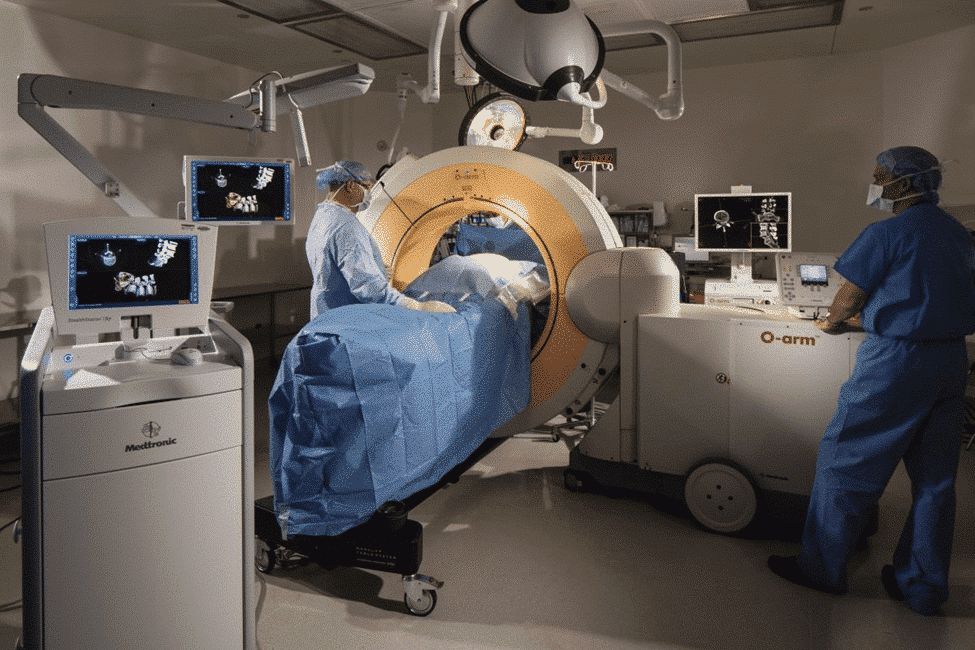
Intraoperative neuromonitoring (IONM) is a cutting-edge method to watch the nervous system during surgery. It’s key in many surgeries, giving surgeons feedback in real-time. This helps keep patients safer.
Definition and Purpose of IONM
IONM uses special monitoring during surgery to check the nervous system’s health. Its main goal is to avoid or lessen neurological damage. It does this by giving the surgical team instant feedback. This lets them make changes during the surgery, which might prevent problems after it’s over.
History and Development of Neuromonitoring
The idea of intraoperative neuromonitoring has grown a lot over the years. It started in the 1970s, but really took off in the 1990s. Better technology and understanding of brain signals have made it more advanced. Now, it’s a key part of many complex surgeries.
Types of Surgical Procedures Requiring IONM
IONM is used in many surgical fields, including:
Neurosurgery: For surgeries on the brain and spinal cord.
Orthopedic surgery: For fixing spinal deformities and other risky operations.
Vascular surgery: To keep an eye on brain function during vascular surgeries.
ENT and head and neck surgery: For surgeries that might harm cranial nerves.
These surgeries are complex and carry a high risk of nerve damage. IONM is a vital tool for improving patient results.
The IONM Team: Key Players and Roles
The success of IONM procedures depends on a team’s expertise and coordination. Intraoperative neuromonitoring is a complex field. It needs a team of healthcare professionals to ensure surgeries are safe and effective.
Overview of the Multidisciplinary Approach
The IONM team uses a multidisciplinary approach. This means bringing together professionals from different medical fields. This teamwork is key to providing complete care during surgeries.
The team’s diverse skills cover all aspects of neuromonitoring. This includes setting up equipment and interpreting data.
The multidisciplinary approach in IONM involves:
Specialized IONM technologists who operate the monitoring equipment
Neurophysiologists who interpret the data and provide real-time feedback
Surgeons and other medical specialists who rely on IONM data to inform their decisions during surgery
Anesthesiologists who manage patient care and ensure compatibility with IONM techniques
Primary IONM Practitioners
Primary IONM practitioners are the main specialists in neuromonitoring. They handle both the technical and clinical sides.
IONM technologists set up and operate the equipment. Their skills are essential for getting accurate data during surgeries.
Neurophysiologists interpret the data from IONM. They are trained to spot neurological risks and guide the surgical team.
Supporting Medical Personnel
Besides primary IONM practitioners, supporting medical personnel are also key. They include:
Surgeons and neurosurgeons use IONM data to make decisions during surgery. Their understanding of IONM is vital for patient care.
Anesthesiologists manage anesthesia and make sure it works with IONM. Their role is critical for patient safety and accurate data.
Neurologists may also be involved, adding more clinical insight. This is important for complex neurological cases.
IONM Technologists: The Frontline Specialists
IONM technologists are key in intraoperative neuromonitoring. They set up and run equipment that watches the nervous system during surgery. Their work is vital to catch and fix any nerve damage fast.
Role and Responsibilities
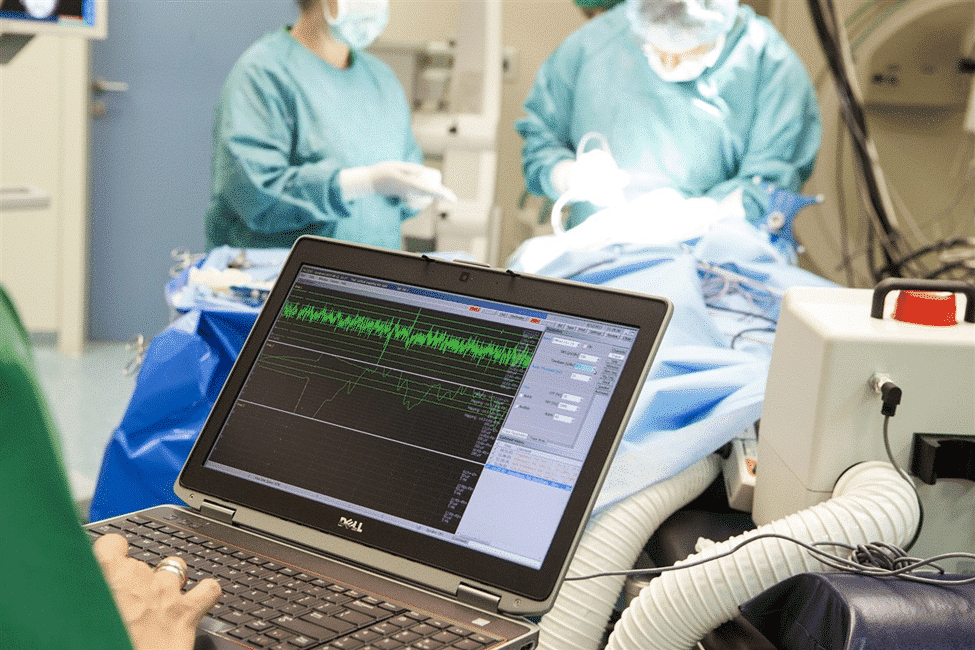
IONM technologists set up and run neuromonitoring gear during surgeries. They make sure the equipment works right and the data is correct. They also give feedback to the surgical team on the patient’s nerves.
They fix technical problems during surgery, keep patient records, and talk well with the medical team.
Educational Background and Requirements
To be an IONM technologist, you need a strong education in neurophysiology or related fields. Many have a bachelor’s degree and get certified in intraoperative neuromonitoring.
The certification process includes a big exam. It checks their knowledge and skills in neuromonitoring. This is given by groups like ABRET (American Board of Registration of Electroencephalographic and Evoked Potentials Technologists).
Day-to-Day Activities in the Operating Room
In the operating room, IONM technologists get the neuromonitoring gear ready. They calibrate the devices and put electrodes and sensors on the patient.
They watch the data from the equipment during surgery. They look for any nerve problems. They must understand this data fast and tell the surgical team.
After surgery, they document the neuromonitoring data. They also keep the equipment ready for the next surgery.
Surgical neurophysiologists are key in making important decisions during complex surgeries. They play a big role in intraoperative neuromonitoring (IONM). They interpret neuromonitoring data and help make clinical decisions.
Distinguishing Neurophysiologists from Technicians
Surgical neurophysiologists are different from IONM technicians. They have more training and know more about neurophysiological monitoring. Technicians set up equipment and start interpreting data, but neurophysiologists understand more about the brain and surgery.
Key differences include:
Advanced degrees in neurophysiology or related fields
Extensive experience in interpreting complex neuromonitoring data
Ability to make clinical decisions based on neuromonitoring findings
Advanced Training and Expertise
Surgical neurophysiologists get a lot of training. They have advanced degrees and lots of experience. This training helps them understand complex neuromonitoring data.
They are very important in surgeries where the brain is at risk. They help prevent brain damage and improve surgery results. Their skills are key in surgeries like spinal or neurosurgery.
Clinical Decision-Making Responsibilities
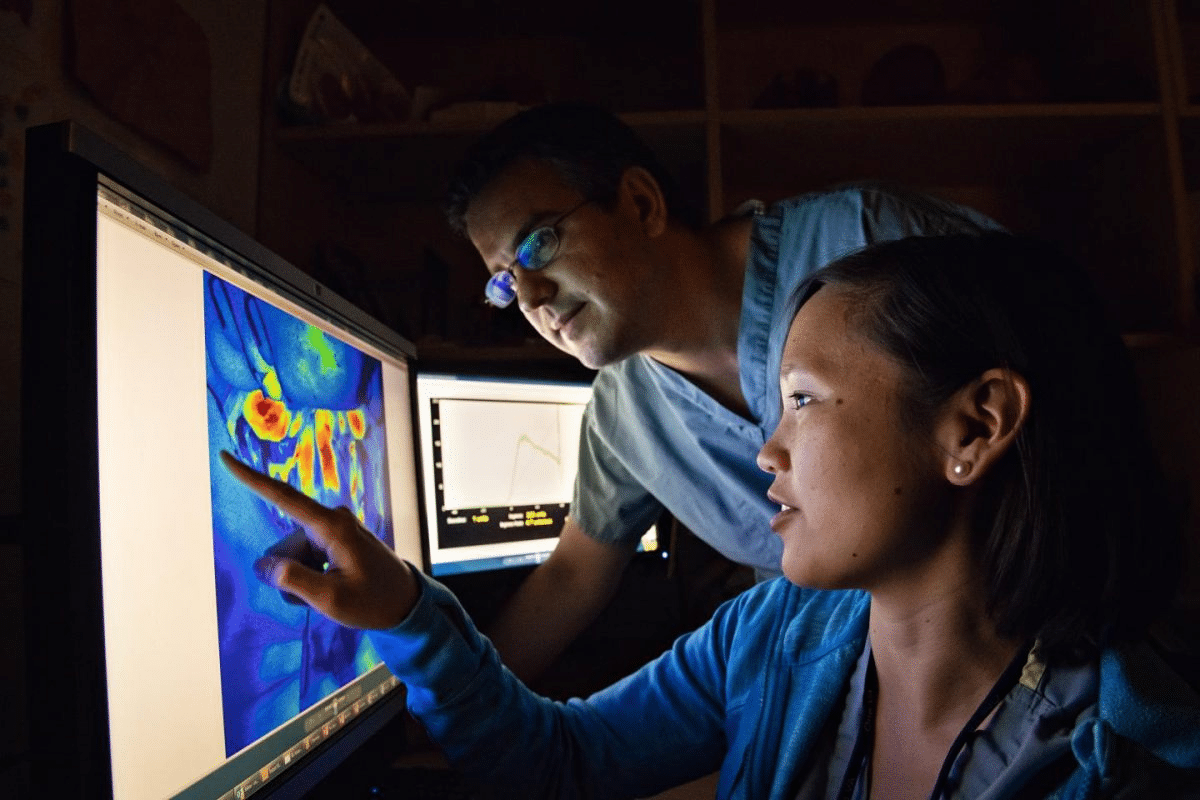
Surgical neurophysiologists are important in making decisions during surgery. They work with surgeons and other doctors. They use neuromonitoring data to help decide what to do during surgery.
Responsibility
Description
Data Interpretation
Accurate interpretation of neuromonitoring data to identify possible neurological risks
Collaboration
Working with surgeons and other medical staff to make informed decisions
Decision-Making
Making critical decisions based on neuromonitoring findings to prevent neurological damage
With their advanced training and expertise, surgical neurophysiologists are vital in the IONM team. They ensure the best care for patients in complex surgeries.
Physicians Involved in Intraoperative Neuromonitoring
Effective IONM needs a team effort. Different doctors work together to help patients during complex surgeries.
Neurologists and Their Role in IONM
Neurologists are key in IONM. They know a lot about the brain and nerves. Their skills help understand IONM data.
They work with the surgical team. Together, they spot and fix possible brain risks during surgery.
Neurosurgeons and IONM Collaboration
Neurosurgeons are important in IONM. They do surgeries that need neuromonitoring. They team up with IONM experts for the best results.
Neurosurgeons use IONM feedback to change their surgery plan. This helps avoid brain damage.
Anesthesiologists and IONM Considerations
Anesthesiologists are also vital in IONM. They make sure anesthesia doesn’t mess with neuromonitoring data. They work with the IONM team to keep data accurate.
Together, neurologists, neurosurgeons, anesthesiologists, and IONM experts make IONM work. Their teamwork improves patient safety and surgery results.
Educational Pathways to IONM Careers
To become an IONM specialist, you need to follow a structured path. This path is designed to give you the knowledge and skills needed for this field.
Undergraduate Preparation
The first step is usually an undergraduate degree in a field like neurophysiology or biomedical engineering. You’ll learn about neuroscience, anatomy, and physiology to understand the nervous system.
Getting an undergraduate degree with clinical internship opportunities or research projects is a big plus. It gives you real-world experience and exposure to new techniques.
Graduate Programs in Neurophysiological Monitoring
Getting a graduate degree can boost your career in IONM. Graduate programs in neurophysiological monitoring offer advanced knowledge and training.
These programs cover advanced neuromonitoring techniques, electrophysiology, and surgical neurophysiology. They prepare you for the challenges of IONM.
On-the-Job Training Opportunities
On-the-job training is key in IONM education. It lets you apply what you’ve learned in real situations. Many places offer training in the operating room.
These training programs are very valuable. They give you practical experience and the chance to learn from experts. They also help you develop important skills like critical thinking and problem-solving.
Certification and Credentialing in IONM
The American Board of Registration of Electroencephalographic and Evoked Technologists (ABRET) offers a top certification for IONM specialists. This certification is key for professionals, showing their skills and dedication to excellence.
The ABRET Certification Process
ABRET certification is a top honor in IONM. To get certified, candidates need to meet certain requirements. These include education and experience in neurophysiological monitoring.
The certification process has several steps:
Meeting the eligibility criteria set by ABRET
Submitting an application and required documents
Passing the CNIM examination
Maintaining certification through continuing education
CNIM Examination and Requirements
The Certified Neurophysiologic Intraoperative Monitoring (CNIM) examination tests a candidate’s knowledge and skills in IONM. It covers:
Basic neurophysiology and anatomy
IONM techniques and tools
Clinical uses and case studies
Anesthesia and its impact on IONM
To take the CNIM examination, candidates must meet ABRET’s criteria. This includes education and practical experience in IONM.
Maintaining Certification and Continuing Education
To keep CNIM certification, professionals must keep learning. They need to complete continuing education to keep up with new IONM methods and tools.
“Continuing education is key for IONM professionals to know the latest and best in the field,” said a leading expert in neuromonitoring.
ABRET sets the number of continuing education credits needed for certification renewal. This ensures certified professionals stay skilled and current.
Work Environments for IONM Professionals
IONM professionals work in many places, like hospitals, private companies, and academic settings. This variety lets them pick a job that fits their interests and goals.
Hospital-Based Employment
Many IONM workers are in hospitals or healthcare systems. They help surgical teams during big surgeries. They get to be part of a big team and learn from many cases.
They also build strong bonds with surgeons and other doctors. This teamwork is key for great patient care.
Private IONM Companies
Some IONM workers are in private companies. These companies send teams to hospitals for surgeries. It’s a flexible job with varied cases.
It lets them work in different places and learn a lot. They get to see many different surgeries.
Academic and Research Settings
IONM pros can also work in schools and research places. They help with studies, teach, and develop new methods. It’s a chance to grow the field and teach others.
They can share their work at conferences and in journals. It’s a way to make a difference in the field.
In summary, IONM workers have many job options. Each setting offers unique benefits and chances to grow. Whether in hospitals, private companies, or schools, they are vital for surgery success.
Career Growth and Advancement in Neuromonitoring
IONM professionals have a bright future ahead. The field is growing fast, thanks to more complex surgeries. This means lots of chances for career growth and success.
Entry-Level to Senior Positions
Starting in IONM, you’ll work under experienced people. As you get better, you’ll move up to senior roles. These roles come with more responsibility and challenges.
Going from entry-level to senior means more freedom and tough cases. Senior IONM specialists lead teams, create protocols, and work with surgeons to improve patient care.
Leading monitoring teams during complex surgeries
Developing and implementing monitoring protocols
Collaborating with surgical teams to optimize patient outcomes
Specialization Opportunities
IONM offers chances to specialize in areas like pediatric neuromonitoring or spinal surgery. This can boost your career and open new doors.
Some specializations include:
Specialization Area
Description
Skills Required
Pediatric Neuromonitoring
Monitoring neurological function in pediatric patients during surgery
Knowledge of pediatric neuroanatomy, experience with pediatric cases
Spinal Surgery Monitoring
Monitoring spinal cord function during spinal surgeries
Understanding of spinal anatomy, experience with spinal surgery monitoring techniques
Neurophysiological Monitoring for Neurosurgery
Monitoring neurological function during neurosurgical procedures
Knowledge of neuroanatomy, experience with neurosurgical monitoring techniques
Management and Leadership Roles
With experience, you can move into management. You’ll lead teams and help shape IONM practices. These roles need strong leadership and a deep understanding of IONM.
Management in IONM includes:
Developing strategic plans for IONM services
Managing budgets and resource allocation
Mentoring and training junior staff members
Challenges and Rewards of IONM Careers
IONM specialists face many challenges, but they find great satisfaction in their work. Their role is key to ensuring surgeries are safe and effective.
Technical and Clinical Challenges
One big challenge is keeping up with new technologies and techniques. They must learn about advanced neuromonitoring tools and understand different surgeries.
Working in a clinical setting also has its hurdles. They must work well under pressure, make fast decisions, and work with many healthcare professionals.
Key Technical Challenges:
Mastering advanced neuromonitoring equipment and software
Troubleshooting technical issues during procedures
Staying updated with the latest technological advancements
Work-Life Balance Considerations
IONM professionals often work long hours, including nights and being on call. Finding a good work-life balance is key to their health.
To balance work and life, they set boundaries, take care of themselves, and get support from colleagues and family.
Professional Satisfaction and Impact
Despite the challenges, IONM professionals find great satisfaction in their work. They help prevent neurological damage during surgery, improving patient outcomes and quality of life.
Their work brings them joy because they know they help patients have successful surgeries and live better lives.
Aspect
Challenges
Rewards
Technical
Mastering complex equipment, troubleshooting
Staying at the forefront of medical technology
Clinical
High-pressure decision-making, collaboration with diverse teams
Direct impact on patient safety and outcomes
Personal
Work-life balance, managing stress
Professional satisfaction, sense of fulfillment
The Future of Intraoperative Neuromonitoring Professionals
The future of intraoperative neuromonitoring professionals is bright. It’s driven by new technologies and a wider range of tasks. As the field grows, IONM specialists will face new challenges and opportunities. These will shape their careers and help improve surgical care.
Technological Advancements and Skill Requirements
New technologies are changing IONM. Better monitoring tools and equipment are being made. For example, electrophysiology and neuroimaging now help monitor complex brain functions in real-time.
IONM professionals need to keep up with these changes. They must learn new skills, not just traditional ones. This includes:
To stay current, IONM professionals need ongoing education. They should attend workshops, conferences, and get certifications in new technologies.
“The integration of AI and machine learning into IONM systems is revolutionizing the field, enabling more precise and predictive monitoring during surgeries.” – Medical Expert, Neurologist
Expanding Scope of Practice
IONM professionals are doing more than before. They’re recognized for their value in many areas, not just surgery. This includes:
Clinical Setting
Application of IONM
Interventional Radiology
Monitoring during procedures like embolizations and tumor treatments
ICU and Emergency Settings
Continuous monitoring of neurological function in critically ill patients
Diagnostic Procedures
Use of neuromonitoring during diagnostic tests to assess neurological function
This growth opens up new chances for IONM professionals. They can work in different healthcare settings, improving patient care and joining teams.
Job Outlook and Industry Growth
The job outlook for IONM professionals is good. The demand for neuromonitoring is rising. This is due to:
An aging population needing more complex surgeries
New surgical techniques that need neuromonitoring
More people understanding the benefits of IONM in surgery
As healthcare changes, IONM professionals will have many career paths. They can work in big hospitals or lead in private IONM companies.
In conclusion, the future of intraoperative neuromonitoring professionals is bright. It’s driven by new technologies, a wider scope of work, and growing demand. IONM specialists will play a key role in healthcare, helping improve patient outcomes and shaping surgery’s future.
Selecting the Right IONM Provider: What Hospitals and Surgeons Look For
IONM providers are key to surgical safety. Hospitals and surgeons look at several factors when choosing them. They want to make sure the provider can deliver top-notch care.
Qualifications and Experience
The skills and experience of an IONM provider are very important. They seek out providers with certified technologists and neurophysiologists. These professionals should have lots of experience in IONM.
Certifications like CNIM show the provider has met high standards. They should also have experience with complex surgeries, including those that are risky for the brain.
Technical Capabilities and Equipment
The tech and equipment used by an IONM provider are also key. They need the latest monitoring tools and software for accurate monitoring during surgery.
Technical Capability
Description
Importance
Advanced Monitoring Equipment
Utilization of latest technology for real-time monitoring
High
Specialized Software
Software for data analysis and signal processing
High
Compatibility with Surgical Systems
Integration with existing surgical systems for seamless operation
Medium
Communication Skills and Team Integration
Good communication skills are essential for IONM providers. They need to work well with the surgical team. This means they must clearly share monitoring data and answer questions quickly.
Providers must also work well with surgeons, anesthesiologists, and others. They need to be ready to help the team and adjust to the changing needs of the operating room.
By looking at qualifications, tech, and communication, hospitals and surgeons can find the best IONM provider. This helps make surgeries safer and leads to better patient outcomes.
Conclusion: The Critical Role of IONM Professionals in Surgical Safety
IONM professionals are key to keeping surgeries safe. They watch the nervous system during tricky operations. Their skills help avoid nerve damage, making patients’ recoveries better.
Their work is vital for surgery success. IONM experts give surgeons live updates. This helps lower the chance of nerve injuries.
As surgery methods get more advanced, the need for IONM experts will rise. Their role in keeping surgeries safe shows the importance of constant learning in this field.
Working together, IONM experts, surgeons, and healthcare teams can give top-notch care. This teamwork ensures the best results for patients with complex surgeries.
FAQ
What is intraoperative neuromonitoring (IONM)?
Intraoperative neuromonitoring (IONM) is a medical field. It watches the nervous system during surgery to avoid damage.
What is the purpose of IONM?
IONM’s main goal is to check the nervous system during surgery. This lets doctors act fast if they see any damage.
What types of surgical procedures require IONM?
IONM is used in surgeries that touch the nervous system. This includes neurosurgery, orthopedic surgery, and vascular surgery.
Who are the key players in the IONM team?
The IONM team has several important members. They include IONM technologists, surgical neurophysiologists, neurologists, neurosurgeons, and anesthesiologists.
What is the role of an IONM technologist?
IONM technologists set up and use the equipment to watch the nervous system during surgery.
What is the difference between an IONM technologist and a surgical neurophysiologist?
Technologists run the equipment. Neurophysiologists interpret the data and make decisions.
How do I become an IONM technologist?
To be an IONM technologist, you need to finish a training program. Then, get certified by the American Board of Registration of Electroencephalographic and Evoked Potentials Technologists (ABRET).
What is the certification process for IONM professionals?
To get certified, pass the Certified Neurophysiologic Intraoperative Monitoring (CNIM) exam. It’s given by ABRET.
What are the job prospects for IONM professionals?
IONM jobs are growing. You can work in hospitals, private companies, or research settings.
What are the challenges and rewards of a career in IONM?
IONM has technical and clinical challenges. But, it also brings professional satisfaction and helps patients.
How is IONM evolving with technological advancements?
IONM is getting better with new tech. This includes better equipment and techniques, and more ways to help patients.
What do hospitals and surgeons look for when selecting an IONM provider?
Hospitals and surgeons want providers with the right skills and experience. They also look for those who can work well with the surgical team.
What is the importance of IONM in surgical safety?
IONM is key to making surgery safer. It watches the nervous system in real-time. This lets doctors act fast to prevent damage.