
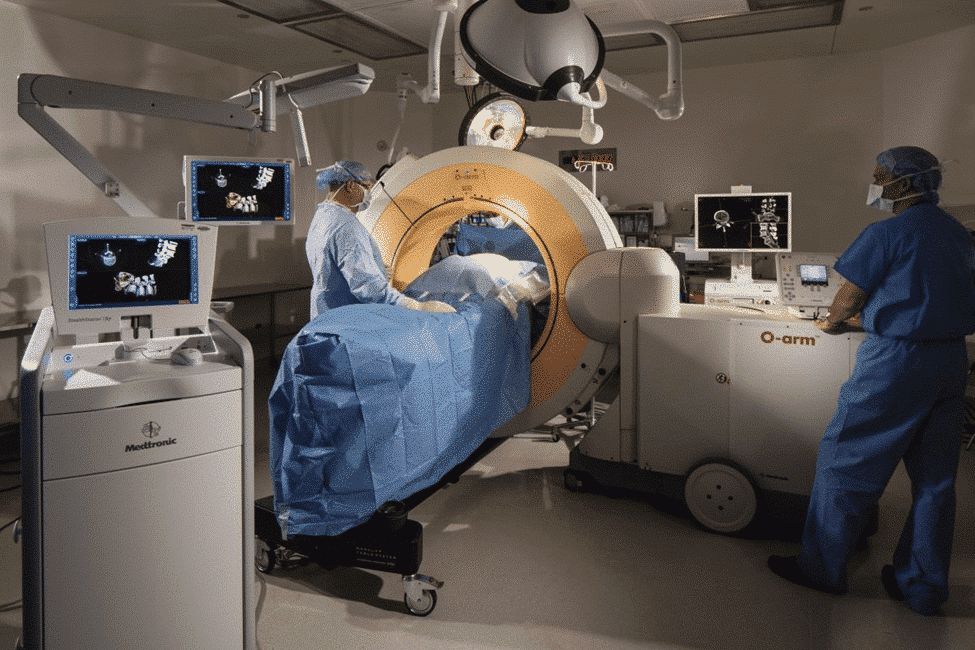
Did you know over 300,000 surgeries happen every day worldwide? A big part of these involve intraoperative procedures. These are key during a patient’s surgery, making sure it goes well. Get the definitive answer: when are intraoperative procedures done? Understand the timing within the surgical process clearly.
Intraoperative procedures are what the surgical team does during surgery. This includes giving anesthesia and closing the cut. Knowing when these medical interventions happen is important for both patients and doctors.
The surgical procedure is very complex and needs a lot of care. Intraoperative procedures are a big part of it. They really affect how well a patient does after surgery.
Key Takeaways
- Intraoperative procedures are medical interventions performed during surgery.
- These procedures are critical for the success of the surgical operation.
- The intraoperative phase begins when the patient is transferred to the operating room.
- Understanding intraoperative procedures is essential for patients and healthcare professionals.
- The surgical team’s actions during this phase directly impact patient outcomes.
Understanding the Surgical Timeline
Knowing the order of events in surgery is key for doctors to give the best care. The surgical timeline is a detailed process. It covers everything from getting ready for surgery to recovering afterwards.
The Three Main Phases of Surgery
The timeline of surgery is split into three main parts: preoperative, intraoperative, and postoperative. Each part has its own needs and steps.
- The preoperative phase starts when surgery is decided and ends when the patient goes to the operating room.
- The intraoperative phase begins when the patient is in the operating room and ends when they move to the PACU or ICU.
- The postoperative phase starts after the surgery and lasts until the patient fully recovers.
Managing these phases well is key to good patient care and avoiding problems.
Critical Timepoints in Surgical Procedures
There are important moments in surgery that doctors need to know about. These include:
|
Timepoint |
Description |
|---|---|
|
Induction of Anesthesia |
The process of making a patient unconscious and pain-free during surgery. |
|
Start of Surgical Incision |
The moment the surgical team starts the operation. |
|
Closure of the Incision |
The last step of the surgery, where the incision is closed. |
A leading anesthesiologist says, “The intraoperative phase is very important. It’s where the patient’s safety and comfort are top priority. The surgical team must be very careful and focused.”
“The surgical team’s ability to work together seamlessly during the intraoperative phase is critical for the success of the operation.”
Knowing these key moments and the whole surgical timeline is vital for top-notch care. It helps achieve the best results for patients.
Defining Intraoperative Procedures
Healthcare professionals need to understand intraoperative procedures to give top-notch care during surgery. These procedures are the medical actions taken by the surgical team during the surgery itself.
The term “intraoperative” means the time when a patient is having surgery. This part of the surgery is key, as it’s when the actual surgery happens.
What “Intraoperative” Means in Medical Context
In medicine, “intraoperative” means the time of the surgery. It’s important to know this to tell the different parts of patient care apart.
Intraoperative care includes checking the patient’s vital signs, managing anesthesia, and getting the surgical area ready for the procedure.
Distinguishing Between Preoperative, Intraoperative, and Postoperative
The surgical process has three main parts: preoperative, intraoperative, and postoperative. Knowing the differences between these is key for full care.
|
Phase |
Description |
|---|---|
|
Preoperative |
Includes getting the patient ready for surgery, like initial checks and prep. |
|
Intraoperative |
Is the time when the surgery is done. |
|
Postoperative |
Focuses on the patient’s recovery, like managing pain and post-surgery care. |
By knowing these phases, healthcare workers can adjust their care to fit the patient’s needs at each stage.
The Perioperative Continuum Explained
The perioperative continuum covers the whole surgical process. It includes the time before, during, and after surgery. It’s key for healthcare teams to grasp and manage each stage well.
Relationship Between Perioperative and Intraoperative Periods
The perioperative continuum has three main parts: before, during, and after surgery. The intraoperative phase is when the surgery happens. It’s a time of great focus and care by the surgical team.
Key aspects of the intraoperative period include:
- Anesthesia administration
- Surgical technique and precision
- Monitoring of vital signs
- Management of possible complications
Key Terminology in Surgical Timing
Knowing the terms for surgical timing is important for clear communication. Terms like “perioperative,” “intraoperative,” and “postoperative” help describe the different parts of surgery.
|
Term |
Description |
|---|---|
|
Perioperative |
The whole surgical experience, from before to after surgery. |
|
Intraoperative |
The time when the surgery is done. |
|
Postoperative |
The time after surgery, focusing on recovery and care. |
Understanding the perioperative continuum helps healthcare teams give better care. They can focus on the patient’s needs at every stage of surgery.
When Intraoperative Procedures Begin
When a patient goes into the operating room, the intraoperative phase starts. This important time has many steps to get the patient ready for surgery.
Key Steps in Initiating Intraoperative Care
The move from preoperative to intraoperative care is key. The surgical team is essential here. They make sure everything is ready.
- Transferring the patient to the operating room
- Administering anesthesia to ensure patient comfort and safety
- Preparing the surgical site to minimize the risk of infection
Transition from Preoperative to Intraoperative Care
The switch from preoperative to intraoperative care goes smoothly with a good team. Good communication and knowing the patient’s needs are key.
Important parts of this transition include:
- Reviewing the patient’s medical history and current condition
- Confirming the surgical plan and any necessary adjustments
- Ensuring that all required equipment and personnel are available
Knowing when intraoperative procedures start and the steps involved helps healthcare professionals give top-notch care.
Common Intraoperative Interventions and Their Timing
Understanding intraoperative interventions is key for good surgical care. These actions by the surgical team happen during surgery. They can be for diagnosis, treatment, or emergencies, and timing is everything.
Diagnostic Procedures Performed During Surgery
Diagnostic procedures are vital in surgery. They include biopsies or imaging studies to check disease extent or confirm diagnosis. The team uses this info to guide the surgery.
Therapeutic Interventions During the Operative Phase
Therapeutic actions in surgery might be giving medications or doing surgical repairs. These aim to treat the condition and improve patient outcomes. The team must coordinate these actions carefully.
Emergency Intraoperative Procedures
Sometimes, emergency intraoperative procedures are needed due to surgery complications. The team must act fast and effectively. Their quick response can greatly affect patient results.
The Surgical Team’s Roles During Intraoperative Care
A well-coordinated surgical team is key for top-notch intraoperative care. This team includes many healthcare professionals working together. They make sure surgical procedures are successful.
Surgeon Responsibilities
The surgeon does the surgery, makes important decisions, and keeps the patient safe. They need great technical skills, decision-making, and communication.
Anesthesia Provider Functions
The anesthesia provider gives anesthesia and watches the patient’s vital signs. They must handle anesthesia problems and keep the patient comfortable and safe.
Nursing Staff Duties
Nurses keep the area clean, handle tools, and care for the patient. They watch the patient closely and know what the team needs.
Supporting Personnel Contributions
People like surgical technologists and assistants help the surgery run smoothly. They prepare the room, keep equipment working, and help the team.
Working together, the surgical team ensures the best results for patients. Their teamwork is vital.
Intraoperative Monitoring and Assessment
Intraoperative monitoring and assessment are key for patient safety during surgery. The surgical team must always check the patient’s health to give the best care.
Vital Signs Monitoring
Vital signs monitoring is a basic part of care during surgery. It includes checking heart rate, blood pressure, and oxygen saturation. These checks tell us about the patient’s heart and breathing health.
“The anesthesiologist is very important in watching vital signs and adjusting them when needed,” says an anesthesiologist at a top medical center.
Neurological Monitoring Techniques
Neurological monitoring helps check the patient’s brain function during surgery. Electroencephalography (EEG) and somatosensory evoked potentials (SSEPs) are used to watch brain activity and spot any issues.
Fluid and Electrolyte Balance
Keeping fluid and electrolyte balance right is vital during surgery. The team must watch how much fluid is given and check electrolyte levels to avoid problems.
- Monitor fluid input and output
- Check electrolyte levels regularly
- Adjust fluid administration as needed
Tissue Perfusion Assessment
Assessing tissue perfusion means checking if tissues are getting enough blood. This is important to avoid tissue damage and help wounds heal. The team uses capnography and lactate level monitoring to check this.
“Effective intraoperative monitoring and assessment need teamwork from the surgical team, anesthesiologists, and nurses,” a study in a leading medical journal says.
Anesthesia Administration in the Intraoperative Phase
Effective anesthesia administration during surgery is key for patient stability and a smooth process. Anesthesia care is complex, needing careful planning and continuous monitoring. It ensures patient safety and comfort during surgery.
Types of Anesthesia Used During Surgery
Several types of anesthesia are used in surgery, each with its own benefits. The main types are:
- General Anesthesia: This makes the patient unconscious and is used for major surgeries.
- Regional Anesthesia: Numbs a larger area, like the lower body, for surgeries there.
- Local Anesthesia: Numbs a small area for surgery, keeping the patient awake.
- Monitored Anesthesia Care (MAC): Uses sedatives and analgesics for comfort in less invasive procedures.
Monitoring and Adjusting Anesthesia Intraoperatively
Intraoperative anesthesia management means watching the patient’s vital signs and how they react to anesthesia. This includes:
- Keeping an eye on heart rate, blood pressure, and oxygen levels.
- Checking the anesthesia depth to avoid awareness or too much anesthesia.
- Changing anesthetic doses based on the patient’s response and surgery needs.
- Managing pain and keeping the patient comfortable during the surgery.
The anesthesiologist is key in this, using their knowledge to customize anesthesia for each patient and surgery.
Special Considerations for Different Surgical Specialties
Each surgical specialty, like cardiac, neurosurgery, orthopedic, and obstetric and gynecological surgery, has its own needs. It’s key for healthcare pros to know these differences. This knowledge helps them give the best care during surgery.
Cardiac Surgery Intraoperative Procedures
Cardiac surgery is very complex. It includes using cardiopulmonary bypass and watching the heart closely. The team must keep a close eye on hemodynamic stability and handle any problems that come up.
- Monitoring cardiac output and vascular resistance
- Managing anticoagulation therapy
- Utilizing transesophageal echocardiography (TEE) for real-time cardiac assessment
Neurosurgical Intraoperative Techniques
Neurosurgery needs careful monitoring of the brain to get good results. Tools like intraoperative MRI and electrophysiological monitoring help check brain function during surgery. This lets the team make quick changes if needed.
- Utilizing intraoperative imaging modalities
- Monitoring somatosensory evoked potentials (SSEPs) and motor evoked potentials (MEPs)
- Employing microsurgical techniques for precise dissection
Orthopedic Surgery Intraoperative Interventions
Orthopedic surgery uses special tools and methods, like intraoperative fluoroscopy and computer-assisted navigation. These help make the surgery more precise and improve results for the patient.
Obstetric and Gynecological Intraoperative Procedures
Obstetric and gynecological surgery must think about the patient’s reproductive health and possible problems. Care during surgery includes watching for hemorrhage and other issues.
- Managing obstetric hemorrhage
- Utilizing intraoperative ultrasound for fetal monitoring
- Employing minimally invasive surgical techniques when appropriate
Technological Advances in Intraoperative Care
Technological advancements have changed intraoperative care a lot. New technologies have made surgeries better, safer, and more efficient. These changes are making surgery better in many ways.
Intraoperative Imaging Modalities
Intraoperative imaging is key in today’s surgery. Tools like fluoroscopy and ultrasound let surgeons see what’s happening in real time. A study in the Journal of Surgical Research found these tools help avoid problems and make patients better.
“Intraoperative imaging has changed how we do surgery,” says a doctor. “It lets us adjust as we go, making sure our patients get the best care.”
Robotic-Assisted Surgical Techniques
Robotic surgery is becoming more common. It uses systems like the da Vinci Surgical System to make surgeries more precise. This method means less blood loss, less pain, and quicker recovery.
Navigation Systems and Computer-Aided Surgery
Navigation systems and computer-aided surgery are big changes. They give real-time guidance and accurate localization. This helps surgeons deal with complex anatomy confidently. Computer-aided systems use images to plan surgeries, making them more precise.
Real-Time Tissue Analysis Technologies
Real-time tissue analysis, like intraoperative pathology, helps make quick decisions during surgery. It lets surgeons check tissue samples right away. This can lead to better outcomes by avoiding extra surgeries and making sure all bad tissue is removed.
When Intraoperative Procedures End
The end of the intraoperative phase is a key moment in surgery. It needs smooth teamwork between the surgical team and those who care for the patient after surgery. Knowing when this phase ends is vital for a smooth move to postoperative care.
Defining the Conclusion of the Intraoperative Phase
The intraoperative phase ends when the surgical team finishes the operation. This is when the surgery is over, and the patient is ready to go to the post-anesthesia care unit (PACU) or intensive care unit (ICU).
Key indicators that the intraoperative phase has concluded include:
- Completion of the surgical procedure
- Reversal of anesthesia
- Preparation for patient transfer
Transition to Postoperative Care
Moving to postoperative care is complex. It involves transferring the patient, reporting to the postoperative team, and continuing to monitor and care for the patient.
Effective communication between teams is key for the patient’s care. The surgical team gives a detailed report to the postoperative team. This includes the procedure details, any complications, and the patient’s current condition.
|
Aspect of Care |
Intraoperative Phase |
Postoperative Phase |
|---|---|---|
|
Primary Focus |
Surgical procedure |
Recovery and stabilization |
|
Key Responsibilities |
Surgical team performs the operation |
Postoperative care team manages recovery |
|
Monitoring and Care |
Vital signs, anesthesia management |
Continued vital sign monitoring, pain management |
Challenges and Complications During the Intraoperative Period
Surgical teams face many challenges during surgery. The complexity of procedures and the health of patients can lead to unexpected problems.
Common Intraoperative Complications
Complications can happen for many reasons. These include the patient’s health, the surgery type, and reactions to anesthesia or surgery. Some common issues are:
- Bleeding or hemorrhage
- Cardiac arrest or other cardiovascular issues
- Anesthesia-related complications
- Respiratory problems
These problems need quick action and good management to avoid bad outcomes.
Management Strategies for Unexpected Events
Handling surgery complications well needs teamwork. Important steps include:
- Clear Communication: Making sure everyone knows what’s happening and the plan.
- Problem-Solving: Finding out why the problem happened and fixing it fast.
- Decision-Making: Making smart choices based on the patient’s health and the problem.
With strong plans and a united team, surgery departments can reduce risks and problems during surgery.
Conclusion
Intraoperative procedures are key in the perioperative period. They need careful planning and teamwork in the operating room. Knowing the surgical timeline and the steps involved is vital for top-notch patient care.
The surgical team plays a big role in these procedures. This includes surgeons, anesthesia providers, nurses, and others. Their work together is what makes sure patients get the best care during surgery.
Understanding the challenges of intraoperative procedures helps healthcare workers improve patient care. As surgery evolves with new tech and methods, staying up-to-date is essential. This ensures patients receive the best care possible.
FAQ
What does “intraoperative” mean in a medical context?
“Intraoperative” means the time a patient is having surgery. It includes all the medical actions taken by the surgical team during the surgery.
What are the three main phases of the surgical timeline?
The three main phases are preoperative, intraoperative, and postoperative. The preoperative phase is when the patient gets ready for surgery. The intraoperative phase is the surgery itself. The postoperative phase is about recovery and care after surgery.
When does the intraoperative phase begin?
The intraoperative phase starts when the patient goes to the operating room and gets ready for surgery.
What is the perioperative continuum?
The perioperative continuum is the whole surgical experience. It includes everything from before surgery to after. The intraoperative period is a key part of this.
What are some common intraoperative interventions?
Common intraoperative interventions include biopsies and giving medications. They also include emergency actions for complications.
Who are the members of the surgical team during intraoperative care?
The surgical team includes the surgeon, the anesthesia provider, nurses, and others like surgical technologists.
What is intraoperative monitoring and assessment?
Intraoperative monitoring and assessment check the patient’s health during surgery. This includes checking vital signs and fluid balance.
What types of anesthesia are used during surgery?
Anesthesia types include general, regional, and local. The choice depends on the surgery, patient’s history, and the anesthesiologist’s preference.
How do technological advances impact intraoperative care?
Advances like imaging and robotic surgery have changed intraoperative care. They make treatment more precise and effective.
When does the intraoperative phase end?
The intraoperative phase ends when the surgery is done. Then, the patient goes to the PACU or ICU.
What are some common intraoperative complications?
Common complications include bleeding and cardiac arrest. They need a quick response from the surgical team.
References
World Health Organization. Evidence-Based Medical Insight. Retrieved from https://www.who.int/publications/i/item/9789241598811