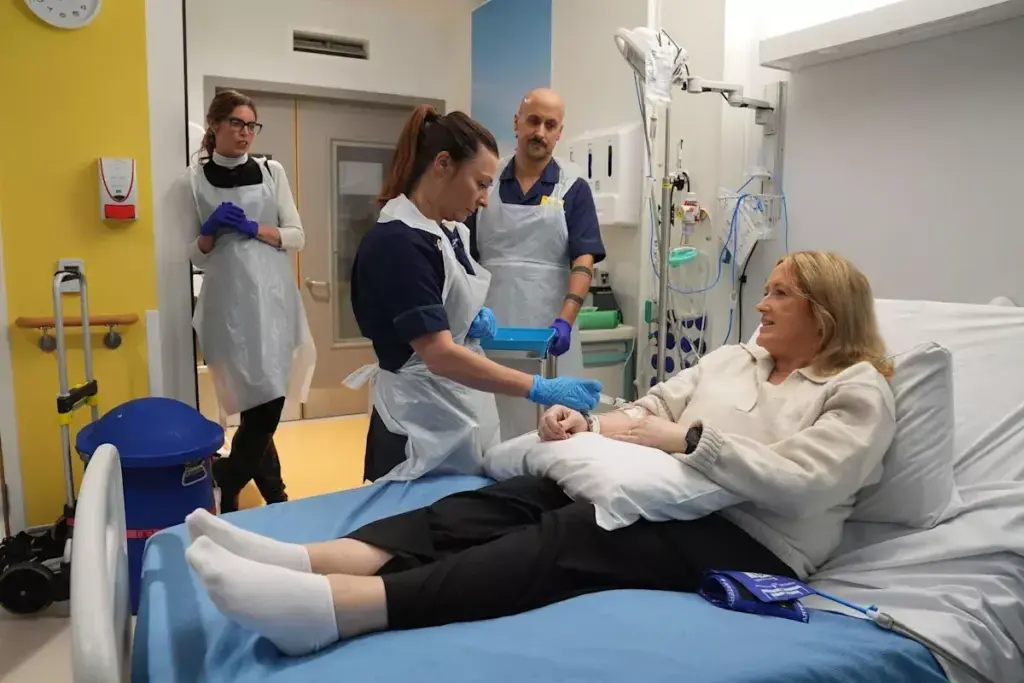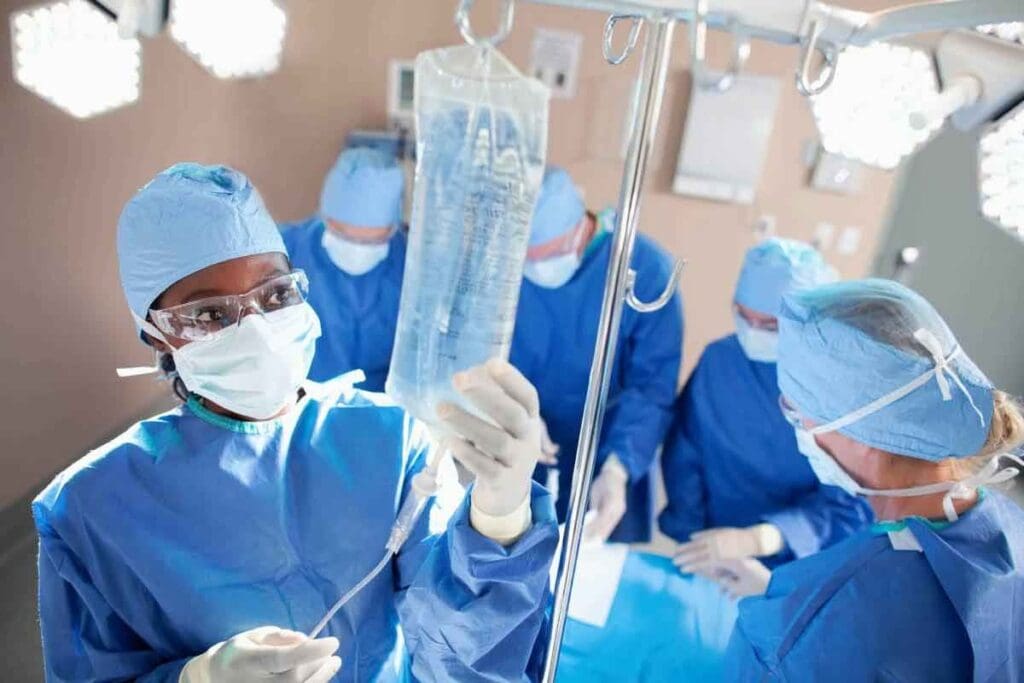
Getting a stem cell transplantation can be scary and complex. At Liv Hospital, we get it. We know you have lots of questions about this advanced treatment. Is a stem cell transplant painful? Get the unpleasant truth and powerful facts about what to safely expect during the procedure revealed.
We’ll walk you through what to expect and how long it takes to get better. The stem cell transplant procedure swaps out bad stem cells for good ones. It’s a lifesaver for many blood disorders and cancers.
Even though the transplant itself isn’t painful, the prep phase can be tough. Our team works hard to make you comfortable and help you recover at every step of the stem cell transplant process.
Key Takeaways
- The stem cell transplant procedure replaces unhealthy stem cells with healthy ones.
- The pre-transplant conditioning phase can be uncomfortable.
- Liv Hospital combines advanced treatment approaches with patient-centered care.
- The transplant itself is typically not painful.
- Recovery timeline varies depending on individual factors.
Understanding Stem Cell Transplants and Their Purpose

Stem cell transplants are a treatment option for many medical conditions. They replace damaged or diseased cells with healthy ones. These healthy cells can grow into different types needed by the body.
These transplants help treat serious diseases like some cancers and blood disorders. Whether or not to have a transplant depends on the disease type, stage, and the patient’s health.
Types of Stem Cell Transplants: Autologous vs. Allogeneic
There are two main types of stem cell transplants: autologous and allogeneic. Autologous transplants use the patient’s own stem cells. These cells are collected, stored, and then given back after treatment. This method is often used for some cancers.
Allogeneic transplants use stem cells from a donor. This donor can be a family member or someone else. Allogeneic transplants are used for genetic disorders or certain leukemias.
Who Needs a Stem Cell Transplant
Stem cell transplants are suggested for patients with specific conditions not helped by usual treatments. The choice to have a transplant is based on the patient’s health history, current status, and the procedure’s benefits and risks.
Medical Conditions Treated with Stem Cell Therapy
Stem cell therapy, including transplants, treats many conditions. These include leukemia, lymphoma, and other blood disorders. Below is a list of some conditions treated with stem cell transplants.
| Medical Condition | Description | Type of Transplant |
| Leukemia | A cancer of the blood or bone marrow | Allogeneic or Autologous |
| Lymphoma | A cancer of the immune system | Autologous |
| Multiple Myeloma | A cancer of plasma cells in the bone marrow | Autologous |
| Aplastic Anemia | A condition where the bone marrow fails to produce blood cells | Allogeneic |
The Complete Stem Cell Transplant Timeline
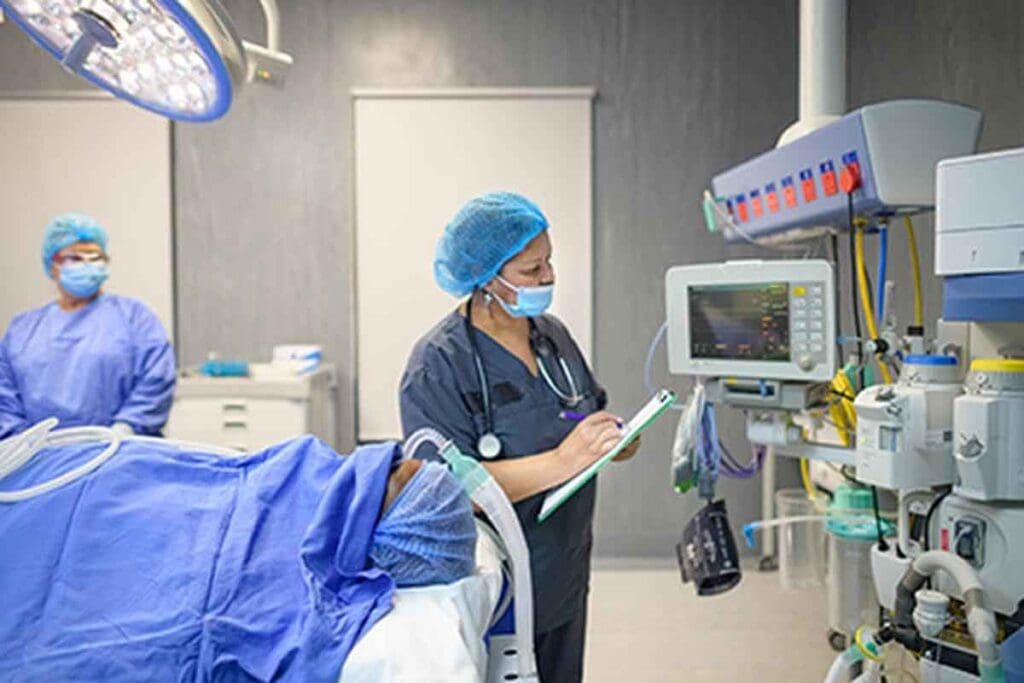
For patients going through a stem cell transplant, knowing what to expect is key. It helps reduce anxiety and prepares them better. The process includes several stages: pre-transplant evaluation, conditioning phase, transplant day, and early recovery. Understanding these stages is vital for a smooth journey.
Pre-Transplant Evaluation and Preparation (1-2 weeks)
The first step is a detailed pre-transplant evaluation, lasting 1 to 2 weeks. Patients get tested to check their health, including blood work and imaging. This stage is important to find any issues that could affect the transplant’s success. We help patients get ready physically and emotionally for what’s next.
Conditioning Phase (5-10 days)
Next, patients start the conditioning phase, lasting 5 to 10 days. This involves high-dose chemotherapy and/or radiation to clear the bone marrow. As Cancer.ca explains, it’s essential for making room for the new stem cells. Patients might feel tired, nauseous, and lose their hair during this time.
Transplant Day (Several Hours)
The stem cell transplant itself is a short process, taking several hours. The stem cells are given through a central line, like a blood transfusion. This day is a big milestone, marking the start of the recovery phase after all the preparation.
Early Recovery Period (2-4 weeks)
After the transplant, patients start the early recovery phase, lasting 2 to 4 weeks. The body starts making new blood cells, and patients are watched for any complications or GVHD. We focus on care during this time, including managing pain, preventing infections, and supporting nutrition for a smooth recovery.
| Stage | Duration | Key Activities |
| Pre-Transplant Evaluation | 1-2 weeks | Health assessments, tests, and preparation |
| Conditioning Phase | 5-10 days | Chemotherapy and/or radiation therapy |
| Transplant Day | Several Hours | Infusion of stem cells |
| Early Recovery Period | 2-4 weeks | Monitoring, pain management, and recovery support |
Is a Stem Cell Transplant Painful? The Truth About Discomfort Levels
It’s important for patients to know about the pain of stem cell transplants before they start. The transplant itself isn’t usually painful. But the time before the transplant can be quite uncomfortable.
Pain Perception During Different Phases of Treatment
The pain levels change during a stem cell transplant. The conditioning phase, with chemotherapy and/or radiation, is often the toughest. Patients might feel mouth sores, tiredness, and nausea.
Remember, pain is different for everyone. Your health, the disease being treated, and the transplant type can affect how much pain you feel.
Common Misconceptions About Transplant Pain
Many think the transplant itself is painful. But the stem cell infusion is usually as easy as a blood transfusion. It’s the time before the transplant that can be really hard.
“I was surprised to find that the actual transplant was not the most painful part. It was the conditioning phase that was the most challenging.” –
Patient Testimonial
Factors That Influence Pain Experience
Several things can change how much pain a patient feels during a stem cell transplant. These include:
- The type of conditioning regimen used
- The patient’s overall health and resilience
- The presence of any underlying medical conditions
- The effectiveness of pain management strategies
Patient Experiences and Testimonials
What patients say can help others understand what to expect. Many find that while it’s tough, the pain can be managed with the right help.
“We understand that every patient’s journey is unique, and we’re committed to providing personalized care to minimize discomfort and maximize outcomes.”
Stem Cell Harvesting Process and Associated Discomfort
It’s important for patients to know about the stem cell harvesting process. Stem cells can come from blood, bone marrow, or umbilical cord blood. Each source has its own way of getting stem cells and how much it might hurt.
Peripheral Blood Stem Cell Collection Method
This method is non-surgical and takes stem cells from your blood. Here’s how it works:
- Medicines are given to make more stem cells.
- Apheresis separates stem cells from other blood parts.
- The rest of the blood is put back in your body.
Some people might feel a bit of bone pain or tiredness. But most find it pretty easy to handle.
Bone Marrow Stem Cell Extraction Procedure
This is a surgical method done while you’re asleep. It involves:
- Getting bone marrow from your hip bone.
- Using a needle and syringe to take out the marrow.
Afterwards, you might feel some pain, but we have ways to make it less. The soreness at the site usually goes away in a few days.
Umbilical Cord Blood Collection
This is a simple procedure done right after birth. It’s about:
- Clamping and cutting the umbilical cord.
- Taking blood from the cord and placenta.
This method doesn’t hurt the mom or baby. The blood is then stored for future use in stem cell therapy.
Pain Management During Stem Cell Harvesting
Managing pain is key during stem cell harvesting. We use:
- Medicines to help with pain.
- Techniques like deep breathing and meditation can help relax.
- Watching over you to handle any side effects.
We aim to make the process as comfortable as possible. This way, patients can recover smoothly.
The Pre-Transplant Conditioning Phase: Managing Side Effects
The conditioning phase before a stem cell transplant has treatments that can cause big side effects. It’s key to get the body ready for the new stem cells. Patients get high-dose chemotherapy and/or radiation to kill old immune and cancer cells, making room for the new ones.
High-Dose Chemotherapy Side Effects
High-dose chemotherapy is a big part of the conditioning phase. It kills cancer cells but can also cause side effects. These include:
- Nausea and Vomiting: Medications help manage these symptoms.
- Fatigue: Patients often feel very tired and weak.
- Hair Loss: Chemotherapy can lead to hair loss.
- Mucositis: This is inflammation of the mucous membranes, which can hurt.
Radiation Therapy Discomfort
Radiation therapy is also used in the conditioning phase. It’s usually okay, but can cause:
- Skin Reactions: The treated area might get red, itchy, and blistered.
- Fatigue: Like chemotherapy, radiation can make you very tired.
- Nausea: This is more common if the radiation is in the abdomen.
Medication Protocols for Symptom Management
To deal with side effects, different medications are used. These include:
- Anti-nausea medications: To stop or lessen nausea and vomiting.
- Pain relievers: For pain from mucositis or other issues.
- Growth factors: To help make more blood cells.
Preparing Your Body for Stem Cell Reception
The conditioning phase gets the body ready for the stem cell transplant by:
- Suppressing the immune system: To lower the risk of graft rejection.
- Eradicating cancer cells: To reduce the chance of cancer coming back.
- Creating space in the bone marrow: For the new stem cells to grow and make healthy blood cells.
Knowing about the side effects and the purpose of the pre-transplant conditioning phase helps patients prepare. They can work with their healthcare team to manage any discomfort.
The Actual Stem Cell Transplant Procedure: Step by Step
We will guide you through the stem cell transplant process. It’s a key part of treatment. We’ll break it down into steps to help you know what to expect.
How Stem Cells Are Infused Into the Bloodstream
The transplant involves putting stem cells into your blood through an IV. This is done in a hospital where doctors can watch over you.
Getting ready is important for the infusion. The frozen stem cells are thawed and prepared. Most people find the infusion okay, but doctors are there to help with any issues.
Sensations and Experiences During Infusion
Patients might feel cold or taste metal during the infusion. These feelings usually go away soon after it’s over.
Telling your doctors about any discomfort is key. Even though it’s not usually painful, knowing what to expect can help.
Duration: How Long Does a Stem Cell Transplant Take
The transplant can take anywhere from 30 minutes to a few hours. How long it takes depends on the amount of stem cells and your health.
| Procedure Component | Typical Duration |
| Preparation | 1-2 hours |
| Stem Cell Infusion | 30 minutes to several hours |
| Post-Infusion Monitoring | 1-2 hours |
Immediate Post-Transplant Monitoring
After the infusion, you’ll be watched closely for any problems. This is to make sure you’re safe and the transplant works.
Doctors will check your vital signs and look for allergic reactions. They’ll make sure you’re okay as you start to recover.
Common Sources of Pain During the Recovery Period
It’s important to know what causes pain after a stem cell transplant. Patients often face different kinds of discomfort. We’ll look at these pain sources and how to manage them.
Mucositis: Oral and Digestive Tract Inflammation
Mucositis is a common issue after stem cell transplants. It causes inflammation in the digestive tract. This can make eating and drinking very painful.
Mucositis usually starts a week after the transplant and can last for weeks. To manage the pain, doctors use pain relievers and special mouthwashes.
Bone Pain After Transplantation
Bone pain is another problem during recovery. It can come from the treatments before the transplant, like chemotherapy and radiation.
To deal with bone pain, we use medicines and other treatments like relaxation techniques.
Infection-Related Discomfort During Low Immunity
Patients with low immunity are more likely to get infections. These infections can cause a lot of discomfort.
To prevent and treat these discomforts, we use antibiotics and antiviral meds. We also treat infections quickly.
Graft-Versus-Host Disease Symptoms and Management
Graft-versus-host disease (GVHD) is a complication of allogeneic stem cell transplants. It happens when the donated stem cells attack the body. GVHD can cause pain, skin rash, and stomach problems.
| GVHD Symptoms | Management Strategies |
| Skin rash and itching | Topical corticosteroids, moisturizers |
| Gastrointestinal issues (nausea, diarrhea) | Anti-emetic medications, dietary adjustments |
| Liver dysfunction | Monitoring liver function, immunosuppressive therapy |
Managing GVHD involves using immunosuppressive drugs and supportive care. This helps to reduce symptoms and prevent serious problems.
Comprehensive Pain Management Throughout the Transplant Journey
Managing pain is key to a successful stem cell transplant. We know pain control is vital during the transplant. We use many strategies to keep patients comfortable.
Pharmaceutical Approaches to Pain Control
Medicines are a big part of pain management in stem cell transplants. Medications like opioids, NSAIDs, and adjuvant analgesics help control pain. The right medicine depends on the pain type and the patient’s history.
We help patients find the best medication plan. We adjust doses and types to reduce side effects and increase pain relief.
Non-Pharmaceutical Pain Management Techniques
There are also non-medical ways to manage pain. Techniques like deep breathing, meditation, and progressive muscle relaxation can help reduce stress and pain.
We suggest physical therapy and acupuncture, too. These methods can improve mobility and reduce discomfort.
Psychological Support for Pain Coping
Psychological support is also important for pain management. Counseling and cognitive-behavioral therapy help patients cope with pain emotionally.
We offer mental health support for patients. This ensures their emotional and psychological needs are met during the transplant journey.
When to Alert Your Medical Team About Pain
It’s important for patients to talk about their pain with their medical team. They should alert their team about severe pain, pain that doesn’t go away, or unusual symptoms.
We encourage open communication. This helps manage pain quickly and effectively, improving the patient’s quality of life.
Physical Recovery: Will Bone Marrow Grow Back?
After a stem cell transplant, the body needs to regrow bone marrow. This is key to making blood cells again. We’ll look at how bone marrow regenerates, when blood cell counts get back to normal, and why it’s important to watch platelet and immune cell counts.
Bone Marrow Regeneration Process
Bone marrow starts to grow back right after the transplant. The new stem cells turn into different blood cells. This is important for the body’s blood-making system to work again.
Many things can affect how well bone marrow regenerates. These include the type of transplant, the treatment before it, and the patient’s health. Good bone marrow regeneration is essential for a smooth recovery. It helps the body fight off infections and heal from the transplant.
Timeline for Blood Cell Count Recovery
How fast blood cell counts recover can vary. Usually, the first signs of bone marrow working again are seen 2-4 weeks after the transplant. Neutrophil counts often recover first. Platelet and red blood cell counts take longer.
| Blood Cell Type | Typical Recovery Time |
| Neutrophils | 2-4 weeks |
| Platelets | 4-6 weeks |
| Red Blood Cells | Several months |
Monitoring Platelet and Immune Cell Counts
Keeping an eye on platelet and immune cell counts is very important after a transplant. Blood tests are done regularly to check how the bone marrow is doing. This helps doctors catch any problems early and act fast if needed.
Immune cell count recovery is very important. It shows how well the body can fight off infections. Patients with low immune cell counts are more likely to get sick and may need extra care, like staying isolated or taking antibiotics.
Physical Therapy and Rehabilitation Options
Physical therapy and rehabilitation are key to getting better after a stem cell transplant. They help patients get stronger, move better, and feel better overall. Each patient’s program is made just for them, based on their needs and goals.
Rehabilitation might include physical therapy, occupational therapy, and nutrition advice. A good rehabilitation program can really help a patient recover faster. It helps them get back to their usual life sooner.
Conclusion: Preparing for Your Stem Cell Transplant Journey
A stem cell transplant is a complex procedure that needs careful preparation. Understanding the transplant, recovery, and possible risks is key. This knowledge helps you prepare for your journey.
Getting ready for your transplant is essential for success. You need to know about the transplant types, the harvesting process, and the conditioning phase. Managing pain and knowing about complications like graft-versus-host disease is also important.
Being informed and prepared helps patients through their transplant journey. Good pain management and physical recovery strategies are critical. We suggest working closely with your healthcare team to create a personalized plan for your transplant and recovery.
FAQ
Is a stem cell transplant painful?
The transplant itself is usually not painful. But the pre-transplant phase can be uncomfortable. We use many strategies to reduce pain during the transplant journey.
How long does a stem cell transplant take?
The whole process, from start to finish, can take weeks to months. The actual transplant day takes a few hours.
What are the different types of stem cell transplants?
We do two types of transplants. Autologous uses the patient’s own stem cells. Allogeneic uses stem cells from a donor.
How are stem cells harvested?
Stem cells are collected in different ways. This includes blood, bone marrow, or umbilical cord blood. Each method has its own pain management.
What are the side effects of the pre-transplant conditioning phase?
High-dose treatments can cause side effects like fatigue and hair loss. We use medicines to manage these symptoms and prepare the body for the transplant.
How long does it take for bone marrow to grow back after a stem cell transplant?
It takes weeks to months for bone marrow to regrow. We closely watch blood cell counts to ensure a smooth recovery.
What are the common sources of pain during the recovery period?
Pain can come from mucositis, bone pain, and infections. We use many strategies to reduce these discomforts.
How is pain managed during the stem cell transplant journey?
We manage pain with medicines, non-pharmaceutical methods, and psychological support. This helps throughout the transplant journey.
What is graft-versus-host disease, and how is it managed?
Graft-versus-host disease is a risk with allogeneic transplants. It’s when donor immune cells attack the patient’s tissues. We closely watch for symptoms and use various strategies to manage them.
What physical therapy and rehabilitation options are available after a stem cell transplant?
We offer physical therapy and rehabilitation to help patients regain strength and mobility after a transplant.
How long does it take to recover from a stem cell transplant?
Recovery can take months to a year or more. We closely monitor patients to ensure a smooth recovery.
References
- Lehky, T., et al. (2022). Neuropathy and muscle cramps in autologous and allogeneic hematopoietic cell transplantation survivors. Biology of Blood and Marrow Transplantation, 28(6), 1163-1170. https://pubmed.ncbi.nlm.nih.gov/35718343/