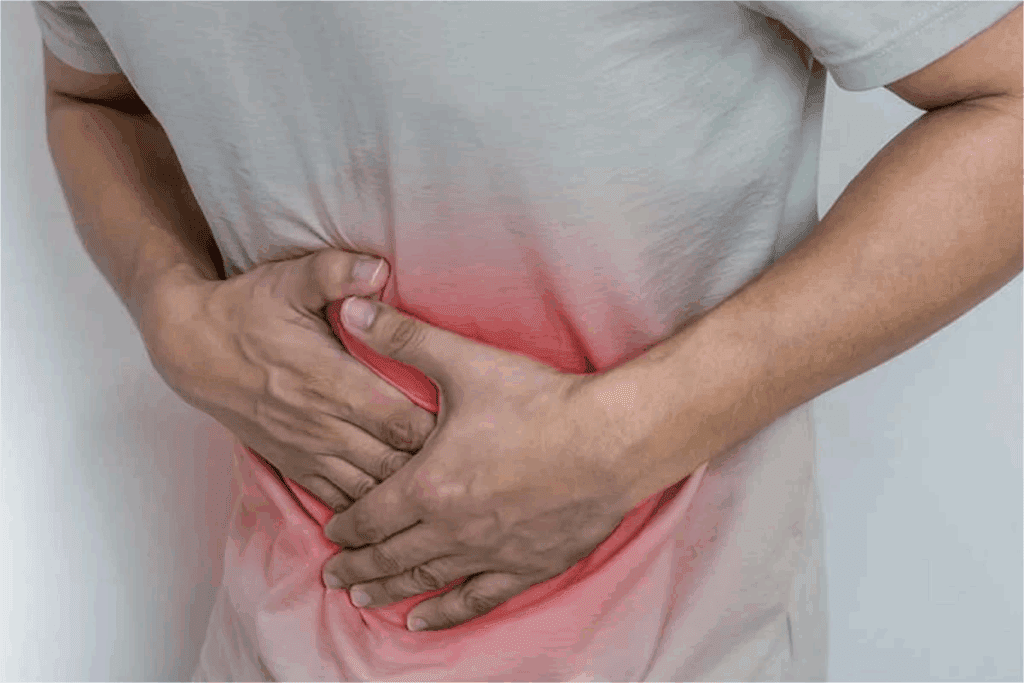
Asking is a stone in the bile duct serious? Yes. Get the deadly truth about this dangerous condition and if stones can pass on their own.
A stone in the bile duct can cause serious health problems if not treated right away. It’s very important to see a doctor quickly to avoid worse issues.
Liv Hospital offers trusted, patient-centered care. They help you understand the latest treatments and recovery options for bile duct stones.
Key Takeaways
- Understanding the seriousness of bile duct stones is key for your health.
- Bile duct stones can cause severe belly pain and jaundice.
- Seeing a doctor quickly is necessary to avoid complications.
- Liv Hospital provides patient-centered care for bile duct stone treatment.
- The condition needs immediate attention to prevent further problems.
Understanding Bile Duct Stones: An Overview

Bile duct stones, also known as choledocholithiasis, are a serious health issue. They can cause severe problems if not treated right. These stones form when substances in the bile, like cholesterol or bilirubin, harden.
What Are Bile Duct Stones?
Bile duct stones are hard deposits that block the bile duct. They can cause pain, infection, and serious health problems. They can come from the gallbladder or form in the bile ducts.
The formation of bile duct stones is linked to an imbalance in bile. This imbalance can be due to diet, genetics, or medical conditions.
Common Bile Duct (CBD) Stones vs. Gallbladder Stones
While both CBD stones and gallbladder stones are gallstones, they differ. Gallbladder stones form in the gallbladder. CBD stones are found in the common bile duct.
| Characteristics | CBD Stones | Gallbladder Stones |
| Location | Common Bile Duct | Gallbladder |
| Composition | Often bilirubin or mixed | Cholesterol or bilirubin |
| Symptoms | Jaundice, pain, infection | Often asymptomatic, pain |
A medical expert notes, “The difference between CBD stones and gallbladder stones is key for treatment.”
“Understanding the differences between CBD stones and gallbladder stones can significantly impact patient outcomes.”
— Dr. John Smith, Gastroenterologist
In summary, bile duct stones are a serious condition needing quick medical attention. Knowing the difference between them and gallbladder stones is key for effective treatment and prevention of complications.
Is a Stone in the Bile Duct Serious?

Bile duct stones can cause serious health problems if not treated. These stones block bile flow, leading to bilirubin buildup in the blood. This can turn the skin and eyes yellow, a condition known as jaundice.
Potential Complications of Untreated Bile Duct Stones
Untreated bile duct stones can lead to severe issues. Some possible complications include:
- Pancreatitis: This is inflammation of the pancreas, which can be very painful and even life-threatening.
- Cholangitis: This is an infection of the bile duct. It can spread and cause sepsis.
- Liver Damage: Long-term blockage can harm the liver and may lead to cirrhosis.
A medical expert says, “The risk of complications from bile duct stones shows why quick diagnosis and treatment are key. They help avoid long-term damage to the biliary system and other organs.”
“The risk of complications from bile duct stones shows why quick diagnosis and treatment are key. They help avoid long-term damage to the biliary system and other organs.”
— Dr. John Smith, Gastroenterologist
When Bile Duct Stones Become Life-Threatening
Bile duct stones can be deadly if they cause severe problems like acute cholangitis or pancreatitis. These conditions need fast medical help to avoid serious or fatal outcomes.
| Complication | Description | Potential Outcome |
| Acute Cholangitis | Infection of the bile duct | Sepsis, organ failure |
| Pancreatitis | Inflammation of the pancreas | Organ failure, death |
| Liver Damage | Prolonged obstruction leading to liver cirrhosis | Liver failure |
The table above lists the possible complications of untreated bile duct stones and their outcomes. It shows why it’s important to seek medical help if symptoms don’t get better or get worse.
The Anatomy of the Biliary System
The biliary system is a complex network of organs and ducts that aid in digestion. It includes the liver, gallbladder, and bile ducts. Each part has a unique role in digestion.
The Role of the Bile Duct in Digestion
The bile ducts are key in moving bile from the liver and gallbladder to the small intestine. Bile salts emulsify fats, making them easier to absorb. This helps in the absorption of fat-soluble vitamins.
“Bile is a vital component in the digestion process, acting as a detergent to break down fats into smaller particles for easier absorption,” as noted by medical professionals. The bile duct’s role is not just limited to transporting bile; it also ensures that bile is released at the appropriate time during digestion.
How Stones Form in the Biliary System
Stones in the biliary system, known as gallstones or bile duct stones, form due to an imbalance in the composition of bile. Cholesterol crystallization and bilirubin precipitation are common mechanisms behind stone formation.
The formation of stones can be influenced by various factors, including concentrated bile, poor gallbladder motility, and certain metabolic conditions. Understanding these factors is key to preventing stone formation.
- Concentrated bile that is high in cholesterol or bilirubin.
- Poor gallbladder motility leading to stasis.
- Metabolic conditions that affect bile composition.
Recognizing the signs of stone formation and understanding the anatomy and function of the biliary system can help in the early detection and management of bile duct stones.
Signs and Symptoms of Bile Duct Stones
Knowing the signs and symptoms of bile duct stones is key to managing them well. These stones can cause mild discomfort or serious problems.
Common Symptoms to Watch For
Stones in the bile duct can cause noticeable symptoms. Abdominal pain is common, often in the right upper quadrant or back. This pain can be severe and may come with nausea and vomiting.
Jaundice as a Warning Sign
J jaundice is a critical symptom of bile duct stones. It makes the skin and eyes yellow. This happens because bile flow is blocked, causing bilirubin to build up in the blood.
This condition can also lead to dark urine and pale stools. These signs show that bile flow is blocked.
When Symptoms Require Immediate Medical Attention
Some symptoms need immediate medical help. Severe and persistent abdominal pain, high fever, and chills are urgent. Also, jaundice with other symptoms like confusion or severe abdominal tenderness needs quick medical care.
In short, knowing the signs of bile duct stones like abdominal pain, jaundice, and fever is important. Spotting these symptoms early can greatly improve treatment and outcomes.
Complications of Bile Duct Stones
Bile duct stones can cause serious problems. These stones can block the bile duct. This can lead to severe health issues.
Acute Cholangitis (Bile Duct Infection)
Acute cholangitis is a serious infection of the bile duct. It happens when bacteria get into the bile duct because of a blockage. Symptoms include fever, jaundice, and pain in the abdomen.
If not treated, it can turn into sepsis. Sepsis is a condition that can be deadly.
Pancreatitis from Bile Duct Obstruction
Bile duct stones can also cause pancreatitis. This is when a stone blocks the flow of pancreatic enzymes. It can cause mild to severe inflammation of the pancreas.
Symptoms include severe pain in the abdomen, nausea, and vomiting. Sometimes, it needs hospital care.
Liver Damage and Long-term Complications
Long-term blockage of the bile duct can harm the liver. The liver gets congested with bile. This can cause inflammation and scarring.
Long-term problems can include secondary biliary cirrhosis. This is when the bile ducts are destroyed. It can lead to liver failure if not managed well.
Risk Factors for Developing Bile Duct Stones
Several factors can increase the chance of getting stones in the bile duct. Knowing these factors helps us spot who’s at higher risk. This way, we can take steps to prevent it.
Prior History of Gallstones
Having had gallstones before is a big risk factor for bile duct stones. People who’ve had gallstones are more likely to get bile duct stones. This is because the same issues that caused gallstones can also lead to bile duct stones.
Key statistics:
- Those with gallstone history face a higher risk of bile duct stones.
- The risk is even higher in the first few years after gallstone diagnosis.
Age, Gender, and Genetic Factors
Age, gender, and genetics also matter a lot. Older people are more likely to get bile duct stones. This is because their bile changes and they’re more likely to have gallstones.
Women might be more at risk because of gallstone disease. Genetic factors can also affect bile composition and stone risk.
Medical Conditions That Increase Risk
Some medical conditions raise the risk of bile duct stones. These include:
- Cirrhosis: Liver cirrhosis can change bile composition, raising stone risk.
- Biliary tract abnormalities: Issues with the biliary tract can make people more likely to get stones.
- Pancreatic disorders: Problems with the pancreas, like pancreatitis, can also increase risk.
Knowing these risk factors helps us catch and manage bile duct stones early. This can prevent serious problems.
Can Gallstones Pass on Their Own?
It’s important to know if gallstones can go away on their own. Gallstones are hard, pebble-like pieces that form in the gallbladder. Whether they can pass naturally depends on several factors.
Size Matters: When Stones Can Pass Naturally
The size of gallstones is key in determining if they can pass on their own. Small gallstones, those under 5 mm, often pass naturally. But larger stones may get stuck, leading to problems.
Having just one stone makes natural passage more likely than having many.
Timeframe for Natural Passage
The time it takes for gallstones to pass can vary a lot. Small stones might pass in days to weeks. But bigger stones or those causing a lot of pain may need medical help sooner.
People with symptoms should watch their condition closely. They should get medical help if symptoms get worse or if they see signs of complications.
Signs That a Stone Is Passing
When a gallstone is passing, you might feel certain symptoms. These include severe abdominal pain, nausea, vomiting, and jaundice. The pain, called biliary colic, can be very intense and might spread to the back or right shoulder.
If you think a stone is passing, knowing these symptoms is important. Seek medical help right away if you experience them, as quick action can avoid serious issues.
Bile Stones Without a Gallbladder: Is It Possible?
Many think removing the gallbladder solves the gallstone problem. But, bile duct stones can form even after surgery.
The gallbladder is often linked with gallstones. Yet, stones can form in bile ducts after surgery. Knowing this helps manage biliary health post-surgery.
Formation of Stones After Cholecystectomy
After gallbladder removal, bile ducts can form stones. This happens because bile ducts can widen and bile can stagnate. This increases the risk of stone formation.
Bile composition changes after surgery. Without a gallbladder, bile is not stored and concentrated. This can lead to changes in its chemical makeup, favoring stone formation.
Risk Factors for Post-Cholecystectomy Stones
Some factors raise the risk of bile duct stones after gallbladder removal. These include:
- Previous history of gallstones
- Abnormalities in the bile ducts
- Certain medical conditions, such as pancreatitis or cholangitis
Knowing these risk factors helps identify who needs closer monitoring or preventive measures.
Managing Bile Duct Health After Gallbladder Removal
Managing bile duct health post-surgery involves lifestyle changes and sometimes medical interventions. Eating less fat can help reduce the risk of stone formation.
| Dietary Change | Benefit |
| Reduce fat intake | Decreases the load on the bile ducts |
| Increase fiber intake | Helps in the digestion and absorption of fats |
| Stay hydrated | Helps prevent bile concentration |
Regular check-ups with a healthcare provider are key. They help monitor bile duct health and address any issues quickly.
By understanding risks and taking proactive steps, individuals can manage their bile duct health even after gallbladder removal.
Diagnosing Stones in the Bile Duct
To find out if you have bile duct stones, doctors use many tests. It’s important to know what’s wrong to treat it right.
Common Diagnostic Procedures
There are a few ways to find bile duct stones. These include:
- Endoscopic Retrograde Cholangiopancreatography (ERCP)
- Magnetic Resonance Cholangiopancreatography (MRCP)
- Endoscopic Ultrasound (EUS)
ERCP can both find and fix stones. MRCP is a safe way to see the biliary system clearly.
Laboratory Tests and Imaging Techniques
Lab tests are key in finding bile duct stones. Some tests are:
| Test | Purpose |
| Liver Function Tests | Check liver damage and bile duct blockage |
| Bilirubin Levels | See how much bilirubin is in your blood |
| Complete Blood Count (CBC) | Look for signs of infection or inflammation |
Differential Diagnosis: Ruling Out Other Conditions
It’s important to rule out other conditions that might look like bile duct stones. These include:
- Gallbladder disease
- Pancreatitis
- Liver disease
A detailed check helps doctors find the right treatment for bile duct stones.
Treatment Options for Bile Duct Stones
Bile duct stones can be treated in many ways. This includes both simple and complex methods. The right treatment depends on the stone’s size, location, and the patient’s health.
ERCP Procedure: What to Expect
Endoscopic Retrograde Cholangiopancreatography (ERCP) is a key method for treating bile duct stones. A flexible tube with a camera is inserted through the mouth. It guides to the bile duct, allowing for stone removal and stent placement.
ERCP is very effective for stones in the common bile duct. This is important because untreated stones can cause serious problems.
Patients get sedation to feel less pain during ERCP. It’s done in hospitals or centers by experts. Though safe, it can lead to pancreatitis, infection, or bleeding.
Other Interventional Procedures
There are other ways to treat bile duct stones too. These include:
- Balloon dilation: A balloon is used to widen the bile duct for stone removal.
- Stent placement: Stents keep the bile duct open, ensuring bile flow.
- Mechanical lithotripsy: This breaks down large stones into smaller pieces for easier removal.
These methods can be used alone or with ERCP, based on the patient’s needs.
Surgical Approaches When ERCP Isn’t Sufficient
If ERCP doesn’t work, surgery might be needed. Surgical options include:
- Open cholecystectomy: The gallbladder is removed to prevent future stones.
- Common bile duct exploration: Surgery is done to remove stones from the common bile duct.
Surgery is for complex stones or when other treatments fail. The decision to have surgery depends on the patient’s health and the risks involved.
Medical Management and Supportive Care
Managing bile duct stones involves several key steps. These steps help ease symptoms and prevent serious problems. Care includes managing pain, controlling infections, and making dietary changes.
Pain Management Strategies
Pain management is key for those with bile duct stones. Analgesics are given to help with pain, from mild to severe. The right pain medicine depends on the pain level and the patient’s health history.
In some cases, endoscopic procedures are needed. These procedures help remove the blockage and reduce pain. They also help bile flow normally again.
Antibiotics for Infection Control
Obstruction from a bile duct stone can lead to infection, like cholangitis. Antibiotics are used to treat or prevent this infection. The choice and length of antibiotic treatment depend on the infection’s severity and the patient’s health.
| Antibiotic Type | Use in Bile Duct Stone Infection |
| Ciprofloxacin | Effective against a broad range of bacteria; often used for treating cholangitis. |
| Piperacillin/Tazobactam | Used for more severe infections, covering a wide range of bacteria. |
| Metronidazole | Often used with other antibiotics to fight anaerobic bacteria. |
Dietary Modifications During Recovery
Changing your diet is important for managing symptoms and aiding in recovery. A low-fat diet is often suggested to ease the biliary system’s workload.
Avoid fatty foods and eat a balanced diet with fruits, vegetables, and whole grains. Drinking plenty of water is also key for bile flow and digestive health.
Prevention Strategies for Bile Duct Stones
To prevent bile duct stones, it’s important to know the risk factors. Making lifestyle and dietary changes can help a lot. By being proactive, you can lower your chance of getting these stones.
Dietary Changes to Reduce Risk
Your diet is key in preventing bile duct stones. Making some simple changes can help a lot.
- Eating more fruits, vegetables, and whole grains can help.
- Try to eat less saturated fats and cholesterol.
- Don’t eat too much refined sugar.
Nutritional Guidelines for preventing bile duct stones are summarized in the following table:
| Dietary Component | Recommended Intake |
| Fiber | 25-30 grams per day |
| Saturated Fats | Less than 5% of total daily calories |
| Cholesterol | Less than 300 mg per day |
Lifestyle Modifications
Changing your lifestyle can also help prevent bile duct stones.
- Keep a healthy weight with diet and exercise.
- Avoid losing weight too fast to prevent gallstones.
- Stay active with regular exercise.
Regular Monitoring for High-Risk Individuals
If you’re at high risk, regular check-ups are a must. This includes:
- Seeing your healthcare provider regularly.
- Getting the right tests, like ultrasound or CT scans.
- Knowing the signs and symptoms of bile duct stones.
By staying informed and watching for signs, you can catch and treat bile duct stones early.
Conclusion: Managing Your Biliary Health
Keeping your biliary health in check is vital to avoid problems with bile duct stones. Knowing the risks, symptoms, and treatment options is essential for good digestive health.
Being aware of bile duct stone signs like jaundice and pain is important. If you notice these symptoms, get medical help right away. Regular check-ups and preventive steps can also lower your risk.
Living a healthy lifestyle helps a lot. Eating well and exercising regularly can cut down on biliary issues. Always listen to your doctor for specific advice on caring for your biliary health.
In short, managing biliary health means being proactive. This includes being informed, taking preventive steps, and getting medical help when needed. By doing so, you can keep your biliary health and overall health in top shape.
FAQ
What are bile duct stones, and how do they form?
Bile duct stones are hard deposits in the bile duct. This duct carries bile from the liver and gallbladder to the small intestine. They form when bile becomes concentrated, allowing minerals to crystallize and stick together.
Can gallstones pass on their own, and what are the signs that a stone is passing?
Yes, small gallstones can pass on their own. Signs include severe abdominal pain, nausea, vomiting, and jaundice.
Is it possible to develop bile stones after gallbladder removal?
Yes, bile duct stones can form after gallbladder removal. This happens when bile becomes stagnant or infected in the bile duct.
What are the symptoms of bile duct stones, and when should I seek medical attention?
Symptoms include abdominal pain, jaundice, fever, and chills. Seek medical help if symptoms worsen or are severe.
How are bile duct stones diagnosed, and what diagnostic tests are used?
Diagnosis involves lab tests and imaging like ultrasound, CT scans, or MRI. ERCP is used to diagnose and treat.
What are the treatment options for bile duct stones, and when is ERCP used?
ERCP is a key treatment for removing stones. Other options include surgery or medical management with pain relief and antibiotics.
Can bile duct stones be prevented, and what lifestyle changes can reduce the risk?
Yes, lifestyle changes can help. Maintain a healthy weight, eat a balanced diet, and avoid fatty foods.
What are the complications of untreated bile duct stones, and why is timely medical intervention important?
Untreated stones can cause serious issues like infection and liver damage. Quick medical help is key to prevent these problems.
How can I manage my biliary health after gallbladder removal?
Follow a healthy diet, maintain a healthy weight, and see your healthcare provider regularly. This helps monitor your bile duct health.
What is the role of the bile duct in digestion, and how do stones affect this process?
The bile duct aids digestion by carrying bile to the small intestine. Stones can block bile flow, causing digestive issues and complications.
Reference
Gutt, C. (2020). The treatment of gallstone disease. Clinics in Liver Disease, 24(2), 487–492. https://www.ncbi.nlm.nih.gov/pmc/articles/PMC7132079/