

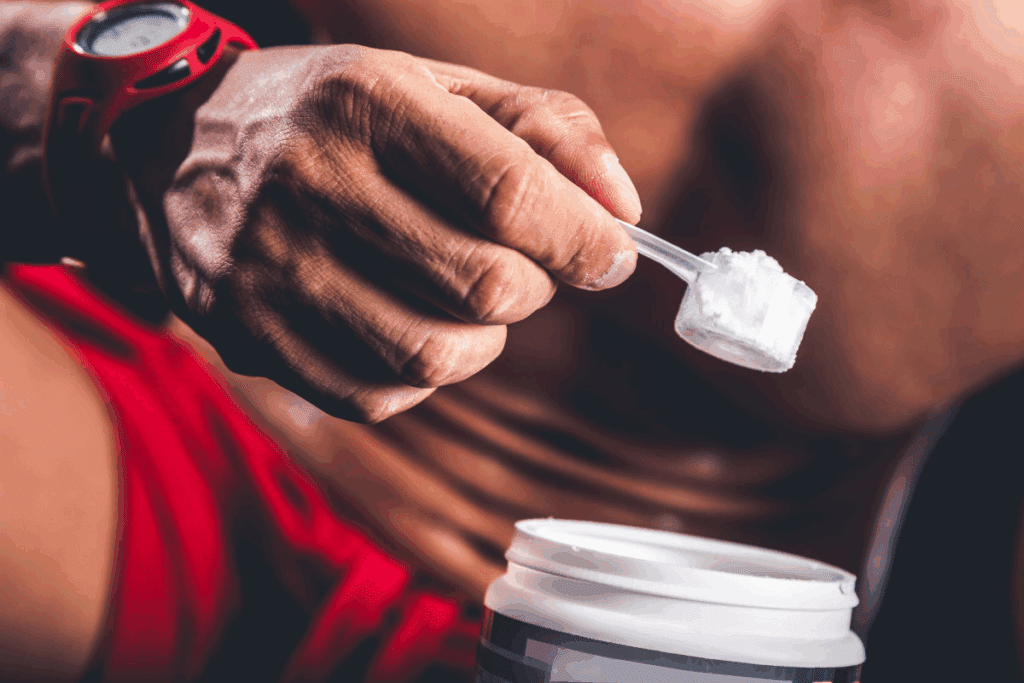
Millions of athletes and fitness fans around the world use creatine supplementation to boost their performance. But, myths about liver damage keep causing worries.Wondering ‘is creatine bad for your liver‘? Our simple guide reveals the shocking, proven, science-backed truth about its safety.
Recent studies looked at thousands of people in various clinical trials. They found interesting facts about creatine and liver health. At Liv Hospital, we focus on patient care and scientific evidence to understand creatine.
Recent studies found no big link between creatine use and liver problems. This news is good for those thinking about taking supplements.
Key Takeaways
- Recent research indicates no significant link between creatine supplementation and liver damage.
- Comprehensive studies involving thousands of participants support the safety of creatine for liver health.
- Liv Hospital emphasizes patient-centered care and evidence-based medicine in assessing supplement safety.
- Athletes and fitness enthusiasts can consider creatine supplementation with confidence, backed by scientific evidence.
- Understanding the science behind creatine is key for making smart choices about supplements.
Understanding Creatine: What It Is and How It Works
Creatine is a natural substance that helps the body make energy. It’s in every cell, mostly in muscles. This is why athletes take creatine to boost their performance.
The Science Behind Creatine as a Supplement
Creatine helps athletes do better in intense activities. It increases phosphocreatine in muscles, which helps refill ATP during hard exercise. This means athletes can work harder and longer without getting tired as fast.
Studies show creatine can really help with exercise, like quick energy bursts. It helps make ATP fast, which is key for muscle energy.
Natural Sources of Creatine
You can also get creatine from food. Red meat and fish are top sources, giving you about 1-2 grams a day. But, athletes might need more than food can provide.
- Red meat (beef, lamb)
- Fish (salmon, tuna)
- Poultry (chicken, turkey)
How Creatine Functions in the Body
Creatine is key for energy, mainly in short, intense activities. During these, muscles use ATP, which gets used up. Phosphocreatine, a form of creatine, quickly refills ATP, helping you keep going.
The creatine kinase reaction is how this happens. Phosphocreatine gives a phosphate to ADP to make ATP. This is vital for energy during intense exercise, letting athletes perform better for longer.
Looking into creatine’s role, we see it’s a big help for athletes and those who are very active. Knowing how it works and where to find it can guide your choice to take it.
Creatine Metabolism: How Your Body Processes This Supplement
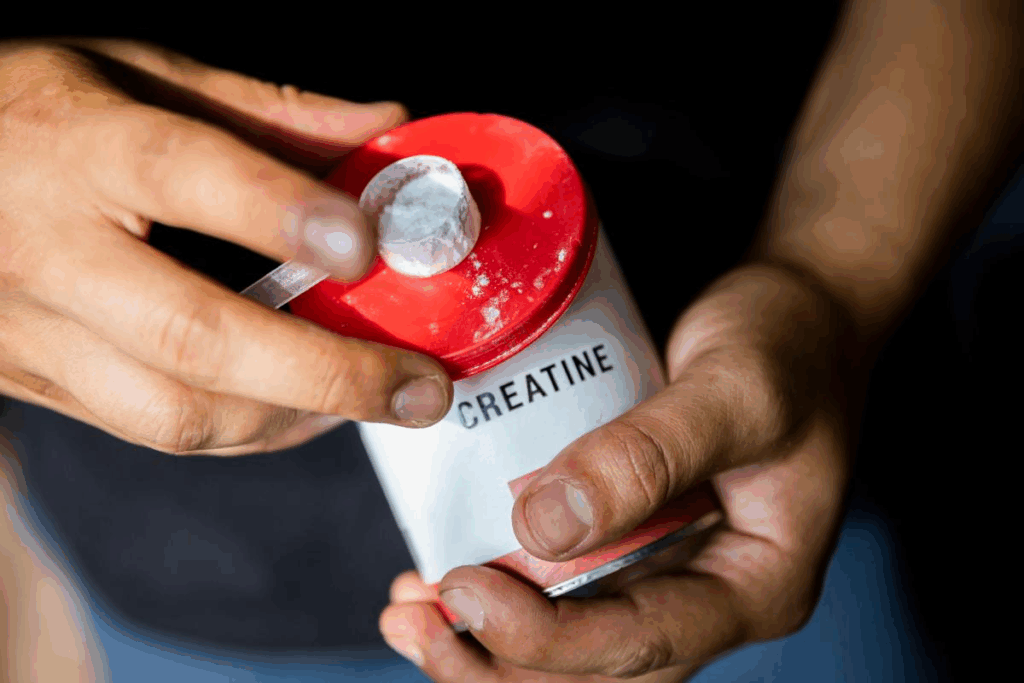
When we take creatine, our body goes through a detailed process. It absorbs, distributes, processes, and then gets rid of it. Knowing this helps us understand how creatine affects our liver.
Absorption and Distribution
Creatine mainly gets absorbed in the stomach and intestines. It then moves to muscles, helping with energy. A special transporter helps it reach the right places.
The Liver’s Role in Creatine Processing
The liver is key in breaking down creatine. It turns amino acids into creatine. The liver makes sure creatine is ready for muscles to use.
Excretion and Elimination
When creatine is done in muscles, it turns into creatinine. The kidneys then get rid of it. How fast creatinine is removed shows how well our kidneys are working.
Process | Description | Primary Organ Involved |
Absorption | Creatine is absorbed into the bloodstream. | Gastrointestinal Tract |
Distribution | Creatine is distributed to tissues. | Muscles and Other Tissues |
Processing | Creatine is synthesized and processed. | Liver |
Excretion | Creatinine is excreted as waste. | Kidneys |
Is Creatine Bad for Your Liver? Examining the Evidence
The question of whether creatine affects liver health is important. We need to look closely at the scientific studies. It’s key to know the facts and understand the data well.
Common Concerns About Creatine and Liver Health
Many people worry about creatine’s impact on the liver. These worries come from personal stories and misunderstandings of science. Some think creatine can harm the liver or make existing problems worse. It’s important to check the science to see if these worries are true.
What Scientific Research Actually Shows
Many studies have looked into creatine’s effect on the liver. Most agree that creatine is safe for healthy people’s livers. Studies show no harm to liver function in those who take creatine. For example, a review found no link between creatine and liver damage.
Distinguishing Between Correlation and Causation
Understanding the difference between correlation and causation is hard in creatine research. Just because two things happen together, it doesn’t mean one causes the other. Other factors, like lifestyle or other supplements, might play a role. Scientists must control for these to truly understand creatine’s effect on the liver.
In summary, while worries about creatine and liver health are valid, science says it’s mostly safe. But, it’s wise to talk to a doctor before trying any new supplements.
Population-Based Research: The NHANES Study Findings
Recent research from the 2017-2018 U.S. National Health and Nutrition Examination Survey (NHANES) has revealed new insights into creatine’s safety. The NHANES study is a big research effort. It gives us valuable information about the health habits and nutrition of the U.S. population, including the use of dietary supplements like creatine.
Overview of the 2017-2018 U.S. National Health and Nutrition Examination Survey
The NHANES study is a major program by the National Center for Health Statistics (NCHS). It aims to assess the health and nutrition of adults and children in the U.S. The survey includes interviews and physical exams, giving us a detailed dataset for health research. The 2017-2018 cycle had data from 5957 participants, making it a strong sample size for studying creatine supplementation.
Key Findings on Creatine and Liver Disease Markers
The NHANES study looked at health markers, including liver function, in people who took creatine supplements. The research found no significant link between creatine use and liver disease. This is a key finding, showing that creatine supplementation, when used correctly, does not harm liver health.
Statistical Significance and Interpretation
The statistical analysis of the NHANES data showed no significant relationship between creatine intake and liver disease markers. This means the effects seen (or not seen) were unlikely to be random. The study’s findings offer reassurance about the safety of creatine supplementation for liver health. Yet, it’s important to look at these results in the context of the whole scientific literature and how different people react to supplements.
Understanding the NHANES study’s findings helps us see the safety of creatine supplementation better. The lack of a significant link between creatine and liver disease markers is good news for those thinking about or already using creatine for fitness or sports.
Long-Term Clinical Studies on Creatine Supplementation
Creatine supplements have been studied a lot to check their safety, mainly for the liver. We’ll look at what these studies found. This will help those thinking about taking creatine.
Research on College Athletes and Extended Creatine Use
Studies on college athletes have given us important info on creatine’s long-term effects. They watched health markers, like liver enzymes, to see if creatine harms the liver. Most researchers agree that creatine doesn’t hurt the liver in healthy people, even with long use.
One study followed college athletes for years while they took creatine. It found no big changes in liver function markers compared to those not taking creatine. This means creatine is likely safe for long-term use in healthy folks.
Monitoring Liver Enzymes During Prolonged Supplementation
Liver enzymes, like ALT and AST, are key to checking liver health. Studies show creatine doesn’t raise these enzymes much. Watching liver enzymes in long-term creatine users hasn’t shown any big worries.
Actually, some research suggests creatine might help keep liver function markers stable. But, it’s important to remember that diet, exercise, and lifestyle also play a part in liver health.
What 5+ Years of Data Tells Us About Safety
Five or more years of data give us a solid look at creatine’s long-term safety. Long-term studies confirm creatine is safe and doesn’t harm the liver much. This is good news for those who are active or train regularly.
Even though everyone reacts differently to creatine, most studies say it’s safe and works well. Always talk to a doctor before starting any supplement, though, to make sure it’s right for you.
Creatine and Liver Enzymes: What Changes Should Concern You
Liver enzymes are key to checking how our body reacts to creatine. It’s important to know how creatine affects liver health. We need to understand liver enzymes’ normal function and how creatine might change them.
Normal Liver Function Markers
Liver enzymes like ALT and AST are important for liver health. High levels can mean liver stress or damage. These enzymes usually stay within certain ranges, but can change for many reasons.
Many things can affect liver enzymes, not just creatine. For example, hard workouts, some medicines, and diet changes can also play a role.
How Creatine Affects ALT, AST, and Other Enzymes
Studies show creatine can slightly change liver enzymes, like ALT and AST. But these changes are usually small and not a sign of liver harm. A study in the Journal of the International Society of Sports Nutrition found creatine made only tiny, not important changes in these enzymes.
Enzyme | Normal Range | Effect of Creatine |
ALT | 0-40 U/L | Minor increase |
AST | 0-40 U/L | Minor increase |
GGT | 0-60 U/L | No significant effect |
Distinguishing Between Supplement Effects and Liver Damage
It’s important to tell the difference between creatine’s effects on liver enzymes and real liver damage. While creatine might slightly raise ALT and AST, big or lasting increases mean you should see a doctor.
“The key to understanding the impact of creatine on liver health lies in recognizing that minor changes in liver enzymes can occur, but these are generally not a cause for concern.”
Medical Expert, Sports Medicine Specialist
Always talk to a healthcare expert before taking creatine, if you have liver issues or concerns. Checking liver enzymes before and while taking creatine can help see how your body reacts.
Potential Protective Effects of Creatine on Liver Health
Recent studies suggest creatine may protect liver health, mainly in non-alcoholic fatty liver disease. This research is uncovering new benefits of creatine, beyond its known muscle benefits.
Creatine and Non-Alcoholic Fatty Liver Disease
Non-alcoholic fatty liver disease (NAFLD) is when the liver holds too much fat, even with little alcohol. Creatine might help lessen liver damage from NAFLD. Studies suggest it can cut liver fat and boost liver function in animal models. But, more human trials are needed to prove this.
Mechanisms Behind Possible Liver Protection
Creatine’s liver benefits could work in several ways. It might boost the liver’s antioxidant defenses, reducing stress and inflammation. It could also improve liver cell mitochondria, helping the liver stay healthy under stress. More research is needed to understand these effects fully.
Limitations of Current Research
Though the evidence is promising, there are research limits. Most studies were in animals or lab tests, and human trials are needed to confirm creatine’s benefits for the liver. We also don’t know the best dose or how long to take creatine for liver health. Always talk to a doctor before starting any supplement.
Special Considerations: When Caution May Be Warranted
Most people find creatine safe, but some situations need extra care. If you have health issues or are taking certain medicines, talk to a doctor first. They can help you decide if creatine is right for you.
Pre-existing Liver Conditions
If you have liver problems, see a doctor before taking creatine. Studies show creatine is safe for healthy livers. But, it’s not clear how it affects people with liver issues. It’s very important to watch your liver closely if you have liver disease.
Medication Interactions
Creatine might not work well with some medicines. This could make your medicine less effective or cause side effects. If you’re on diuretics or medicines for your kidneys, be careful. Tell your doctor about all your medicines to avoid problems.
Individual Variability in Response
Everyone reacts differently to creatine. Some see big benefits, while others don’t notice anything. Your genes, diet, and health can affect how you respond. Pay attention to how your body reacts and adjust your use of creatine as needed.
In summary, creatine is usually safe, but some people need to be more careful. If you have health issues or are on certain medicines, talk to a doctor. They can help you stay safe and healthy.
Dosage Considerations: Finding the Right Amount
Finding the right amount of creatine is key to getting the most benefits without side effects. Many studies have shown what works best for creatine dosing.
Standard Dosing Protocols
Most research agrees on a dosing plan. It starts with a loading phase and then a maintenance phase. The loading phase is 20 grams a day, split into 4 servings of 5 grams each, for 5-7 days. This quickly boosts muscle creatine levels.
Then, the dose drops to 3-5 grams a day for the maintenance phase. This keeps muscle creatine levels high.
Loading Phase vs. Maintenance Phase
The loading phase quickly raises muscle creatine levels. The maintenance phase keeps those levels up. Some skip the loading phase and go straight to maintenance, but this might delay benefits by a few weeks.
Important things to remember for both phases include:
- Take creatine every day
- Stay hydrated to support muscle function
- Time doses with workouts and meals
Adjusting Dosage Based on Individual Factors
While standard dosing works for many, some might need to adjust based on body weight and activity level. For example, bigger people or those doing intense activities might need more creatine.
Other factors that can affect creatine dosing include:
- Body weight: Some studies suggest 0.3 grams per kilogram of body weight is effective.
- Activity level: More active people might need higher maintenance doses.
Finding the right creatine dosage is about matching it to your specific needs and health. Talking to a healthcare professional or sports nutritionist can help find the best dose for you.
Myths and Misconceptions About Creatine and Liver Health
Many believe that creatine harms the liver, but this is a myth. Creatine has been used by athletes for years without harming their livers. Yet, myths about its safety keep popping up.
Debunking Common Claims
Some say creatine damages the liver, but science doesn’t back this up. Early studies linked creatine to liver problems. But these studies were flawed and didn’t consider other factors.
Systematic reviews and meta-analyses have found no harm from creatine on liver health in healthy people. It’s important to know the difference between correlation and causation when looking at liver health and creatine.
Origins of Liver Damage Concerns
Concerns about creatine and liver damage come from a few places. Some blame misinterpretation of liver function tests in athletes who take creatine. For example, creatine can change liver enzyme levels, but this doesn’t always mean liver damage.
The lack of regulation in the supplement industry also plays a role. This can lead to different qualities of creatine products. But, this doesn’t mean creatine is bad for the liver.
Separating Anecdotes from Evidence
It’s key to distinguish between personal stories and scientific proof when looking at creatine’s safety. While personal experiences are valuable, they can’t be the only proof of a supplement’s safety or effectiveness.
By sticking to evidence-based information and understanding the scientific consensus, we can better understand supplement safety. For creatine, most scientific evidence shows it’s safe for the liver.
Best Practices for Safe Creatine Supplementation
Safe creatine use means paying attention to quality and staying hydrated. Creatine can boost athletic performance and muscle strength when used right.
Quality and Purity Considerations
Choosing a top-notch creatine product is key. Look for products certified by NSF International or the National Science Foundation. These groups check for purity and potency, making sure the product is genuine.
Key factors to consider when selecting a creatine product:
- Purity: Ensure the product is free from contaminants and adulterants.
- Potency: Verify that the creatine content matches the label claims.
- Manufacturer reputation: Choose products from reputable manufacturers known for adhering to Good Manufacturing Practices (GMPs).
Hydration Requirements
Drinking enough water is vital when taking creatine. It helps your body absorb the supplement better. Drink lots of water all day, but even more during and after exercise.
Activity Level | Recommended Water Intake |
Sedentary | 8-10 glasses/day |
Moderately Active | 10-12 glasses/day |
Very Active | 12+ glasses/day |
Monitoring Your Body’s Response
Watch how your body reacts to creatine. Start with a small dose and slowly increase it. If you notice side effects like stomach pain or muscle cramps, adjust your dose.
Conclusion: The Verdict on Creatine and Liver Health
Our deep dive into the science shows creatine is safe for the liver in healthy people. Studies, like the NHANES data and long-term trials, back this up. They show creatine is safe to use.
We looked at how the liver handles creatine and its effects on liver enzymes. We also saw its possible benefits against non-alcoholic fatty liver disease. While it’s important to be careful, most people can safely use creatine.
To safely take creatine, follow these tips: use the right dose, stay hydrated, and watch how your body reacts. This way, you can enjoy creatine’s benefits without risks. The science supports creatine’s safety for liver health.
FAQ
Is creatine supplementation safe for individuals with pre-existing liver conditions?
If you have a liver condition, talk to your doctor before taking creatine. It’s important because it might affect your condition or interact with other medicines.
Can creatine cause liver damage or affect liver function?
Studies show that creatine is safe for most people’s livers. It doesn’t cause damage or harm liver function in healthy individuals.
How does creatine supplementation affect liver enzymes such as ALT and AST?
Creatine might slightly change liver enzymes like ALT and AST. But these changes are usually normal and don’t mean liver damage. It’s key to know the difference.
Are there any potentially protective effects of creatine on liver health?
Some studies hint that creatine could protect the liver, like in non-alcoholic fatty liver disease. But we need more research to be sure.
What is the recommended dosage of creatine, and how should it be adjusted?
The usual creatine dose includes a loading phase followed by a maintenance phase. Adjust the dose based on your weight and how active you are.
Can creatine interact with medications, and what precautions should be taken?
Creatine might interact with some medicines. Always check with your doctor before starting creatine, to avoid any problems.
How can one ensure safe creatine supplementation?
For safe creatine use, pick high-quality products and drink plenty of water. Also, watch how your body reacts and adjust as needed.
Does creatine affect liver health in the long term?
Long-term studies show creatine is safe for the liver. It’s even safe for college athletes who use it for a long time.
Is there a difference between creatine’s effect on a healthy liver versus a liver with pre-existing conditions?
Creatine’s impact on the liver depends on your liver health. Healthy livers are usually safe, but those with conditions should be careful.
Can creatine supplementation be used in conjunction with other supplements or medications?
Be careful when mixing creatine with other supplements or medicines. Always talk to a doctor to make sure it’s safe.
References
Government Health Resource. Evidence-Based Medical Guidance. Retrieved from https://www.dietaryguidelines.gov/sites/default/files/2020-12/Dietary_Guidelines_for_Americans_2020-2025.pdf

























