
Kidney disease is a big health problem worldwide. When kidneys don’t work right, waste builds up. This can cause headaches and make it hard to pee.
The National Institute of Diabetes and Digestive and Kidney Diseases (NIDDK) says kidney failure happens when kidneys are less than 15% kidney function. Knowing how kidney disease and its symptoms work is key to catching it early and avoiding big problems.
We understand the link between kidney disease and symptoms like headaches and decreased urine output, or oliguria. At Liv Hospital, we use the latest tests and care that focuses on the patient to handle these tough health issues.
Wondering ‘is decreased urine output a sign of kidney failure?’ Yes, it’s a serious symptom. Our simple guide explains what to do.
Key Takeaways
- Kidney disease is a significant global health concern.
- Decreased urine output is a critical indicator of kidney failure.
- Headaches can be a symptom associated with kidney disease.
- Early detection is key to avoiding serious problems.
- Liv Hospital offers advanced diagnostic and treatment options.
The Relationship Between Kidney Disease and Systemic Symptoms
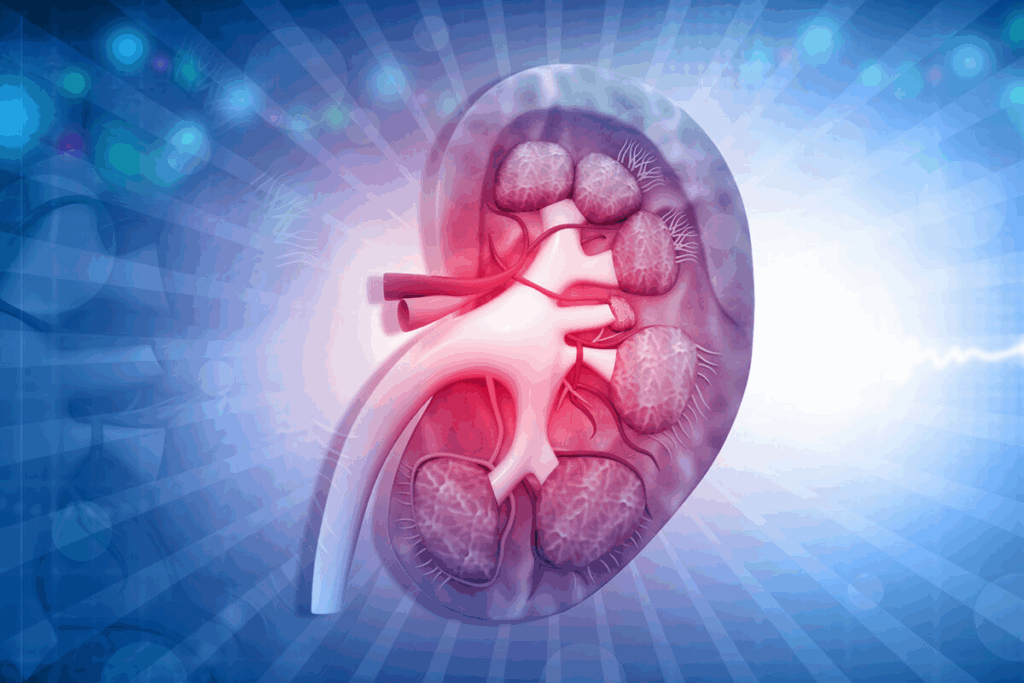
Kidney disease affects more than just the kidneys. It impacts many body systems, causing various symptoms. This disease can come from genetics or damage to the kidneys. Understanding this connection is key for proper diagnosis and treatment.
How Kidney Function Affects Multiple Body Systems
Kidneys keep our body’s fluids, electrolytes, and waste in balance. When they don’t work right, it affects many parts of our body. For example, toxins can harm our nervous system, causing headaches and fatigue.
Electrolyte imbalances can weaken our muscles, leading to cramps. Kidneys also help control blood pressure. When they fail, it can cause high blood pressure and heart problems.
They also make hormones for strong bones and healthy red blood cells. If kidneys don’t work, we might get anemia and bone issues.
Key effects of kidney disease on body systems include:
- Nervous system: headaches, fatigue, cognitive impairment
- Musculoskeletal system: muscle cramps, weakness
- Cardiovascular system: hypertension, cardiovascular disease
- Hematopoietic system: anemia
- Skeletal system: bone disorders
Overview of Kidney Disease Prevalence and Impact
Kidney disease is a big health problem worldwide. It’s getting more common, mainly because of diabetes and high blood pressure. It affects not just the person but also the economy and society.
In the U.S., over 37 million adults have chronic kidney disease. Many more are at risk because of obesity, family history, and age. Treating end-stage renal disease costs billions each year.
The growing number of people with kidney disease highlights the need for early detection and effective management. This is important for both individuals and society.
Understanding Normal Kidney Function and Urine Production
The kidneys are key to our health, filtering waste and excess fluids. They help keep our body fluids balanced. This is vital for our overall well-being.
The Filtration Process of Healthy Kidneys
Healthy kidneys filter about 200 liters of blood every day. They remove waste and excess substances, making urine. This filtration process keeps our body in balance and healthy.
Normal Urine Output Ranges
Most people produce between 34 to 50 ounces (1 to 1.5 liters) of urine daily. This can change based on how much we drink and other factors. Knowing this range helps spot any problems with urine production.
| Daily Urine Output (ounces) | Daily Urine Output (milliliters) | Status |
|---|---|---|
| Less than 17 | Less than 500 | Oliguria (low urine output) |
| 17-34 | 500-1000 | Low output, potentially concerning |
| 34-50 | 1000-1500 | Normal output range |
| More than 50 | More than 1500 | High output, potentially concerning |
Checking urine output is a simple way to check kidney health. If it’s not in the normal range, it could mean kidney problems. So, it’s important to watch and track urine production.
Is Decreased Urine Output a Sign of Kidney Failure?
Kidney disease often goes unnoticed until it’s too late. When you start to notice less urine, it’s a big warning sign. You should see a doctor right away.
Defining Oliguria
Oliguria means making less than 400 milliliters of urine a day. It’s a sign that your kidneys are not working right. They can’t filter and make urine like they should.
Statistical Evidence
About 70% of acute kidney failure cases show less urine. This shows how important it is to watch your urine output. It’s a key sign of kidney health.
How Kidney Disease Progresses to Reduced Urination
Kidney disease gets worse over time, from mild to severe failure. As it worsens, the kidneys can’t filter waste or make urine well. This leads to less urine, a sign that kidneys are failing.
Knowing how kidney disease affects urine is key for early action. Spotting signs of less urine early can help prevent more damage. It’s important to get medical help quickly.
Pathophysiology of Headaches in Kidney Disease
Understanding headaches in kidney disease is key to better management. Headaches are common in kidney disease patients. They come from many factors working together.
Uremic Toxin Accumulation and Neurological Effects
Uremic toxins build up in kidney disease, causing headaches. These toxins, not filtered by healthy kidneys, harm brain function. This leads to various neurological symptoms.
Key uremic toxins involved include:
- Urea
- Parathyroid hormone
- Indoles
- Phenols
Hypertension and Cerebral Blood Flow Changes
Hypertension often comes with kidney disease and changes blood flow in the brain. This can cause headaches. The link between high blood pressure and headaches is complex, involving blood vessels and brain function.
Electrolyte Imbalances and Their Impact on Brain Function
Electrolyte imbalances, like sodium, potassium, and calcium issues, affect brain function. They can lead to headaches. These imbalances disrupt normal brain activity, causing neurological symptoms.
| Electrolyte | Normal Range | Effect of Imbalance |
|---|---|---|
| Sodium | 135-145 mmol/L | Hyponatremia can cause cerebral edema, leading to headaches. |
| Potassium | 3.5-5.0 mmol/L | Hypokalemia can cause muscle weakness and potentially affect neurological function. |
| Calcium | 8.5-10.5 mg/dL | Hypercalcemia can cause neurological symptoms, including confusion and headaches. |
Types of Kidney Disease That Cause Headaches and Urinary Changes
Headaches and changes in urine can signal different kidney diseases. Each disease has its own traits. Knowing these is key for the right treatment.
Acute Kidney Injury: Rapid Onset and Symptoms
Acute kidney injury (AKI) happens when kidney function drops fast. This can cause headaches and less urine. It’s often due to dehydration, bad meds, or infections. Quick action is needed to avoid lasting harm.
Chronic Kidney Disease: Progressive Deterioration
Chronic kidney disease (CKD) means kidneys slowly get worse. It can lead to headaches from toxins and blood pressure issues. CKD also causes less urine and other changes, making it a big deal to manage.
Polycystic Kidney Disease and Associated Headaches
Polycystic kidney disease (PKD) is a genetic issue with many cysts in the kidneys. This can make kidneys big and not work right. PKD can cause headaches from cyst pressure and high blood pressure. Urine changes also happen as it gets worse.
Glomerulonephritis and Its Systemic Effects
Glomerulonephritis is when the kidney’s filters get inflamed. It can come from infections, autoimmune diseases, or other reasons. It can cause blood and protein in the urine and headaches from high blood pressure or inflammation.
Many kidney diseases can cause headaches and changes in urine. It’s important for doctors to know these to help patients. Patients need to understand their symptoms too.
Characteristics of Kidney Disease-Related Headaches
It’s important to know the signs of headaches linked to kidney disease. These headaches have unique traits that help tell them apart from other headaches.
Typical Location and Pain Patterns
Kidney disease headaches can show up in different spots. They often hurt in the back of the head or neck. The pain might feel dull and steady or sharp and sudden.
Common characteristics include:
- Pain that gets worse over time
- Discomfort that spreads to other areas
- Linked with symptoms like nausea or tiredness
Timing and Triggers in Relation to Kidney Function
The timing and what triggers kidney disease headaches can give clues about their cause. These headaches might get more common or intense when kidney function drops.
| Trigger | Effect on Headaches |
|---|---|
| Fluid retention | Increased frequency or severity |
| Electrolyte imbalance | Worsening of headache symptoms |
| Toxin buildup | More frequent or prolonged headaches |
Distinguishing Features from Other Types of Headaches
Kidney disease headaches have unique signs that make them stand out. Knowing these differences is key for the right diagnosis and treatment.
Key distinguishing features include:
- Linked with other kidney disease symptoms
- Changes in headache patterns with kidney function
- Response to treatments targeting kidney disease
Clinical Significance of Decreased Urine Output
It’s key to understand the importance of decreased urine output for early kidney problem detection. This condition, known as oliguria, is a major sign for doctors to check on kidney health. We see decreased urine output as a critical sign that needs careful checking.
Early Warning Signs of Kidney Dysfunction
One of the first signs of kidney trouble is less urine output. Spotting this symptom early is vital to avoid more damage. Other early signs include fatigue, swelling, and changes in how you urinate. Catching these signs early can help in getting the right treatment on time.
Regular checks on kidney function are important. People with diabetes or high blood pressure should get regular health checks.
Monitoring Methods for Patients and Healthcare Providers
Monitoring kidney health involves both clinical checks and tests. Doctors use several ways to track urine output, like:
- Measuring urine volume over 24 hours
- Checking urine concentration and specific gravity
- Doing blood tests to see how the kidneys are working
Patients can also help by keeping track of their urine output. They should tell their doctor about any big changes.
| Monitoring Method | Description | Frequency |
|---|---|---|
| 24-hour urine collection | Measures total urine output over 24 hours | As directed by healthcare provider |
| Urine concentration test | Assesses the concentration of urine | During regular check-ups |
| Blood tests (BUN, Creatinine) | Evaluates kidney function through blood markers | Regularly, as advised |
Changes in Urine Characteristics Beyond Volume
Changes in urine beyond just less volume can also show kidney problems. These changes include:
- Color: Dark or tea-colored urine might mean kidney issues.
- Consistency: Foamy or bubbly urine could mean too much protein in the urine.
- Presence of blood: Blood in the urine, or hematuria, is a sign of kidney disease.
We stress the need to notice these changes and get medical help if they don’t go away.
Additional Symptoms That Accompany Kidney-Related Headaches
Kidney problems can lead to headaches and other symptoms. It’s important to know these symptoms for better care.
Edema and Fluid Retention
Edema, or swelling, is a sign of kidney trouble. It happens when kidneys can’t remove waste and fluids. This can cause swelling in legs, ankles, and face.
Fluid buildup can also raise blood pressure. This makes kidney problems worse and can make headaches worse too.
Fatigue and Weakness
People with kidney disease often feel fatigue and weakness. This is because their kidneys can’t filter out toxins. These toxins weaken muscles and lower energy.
Feeling tired is also linked to anemia, a common kidney disease complication. This makes it hard to do daily tasks.
Nausea and Gastrointestinal Disturbances
Nausea and stomach problems are common in kidney disease. Uremic toxins can cause nausea, vomiting, and less appetite. These symptoms can make it hard to eat well and feel sick.
“The gastrointestinal symptoms associated with kidney disease can significantly impact a patient’s quality of life, making it essential to address these issues as part of comprehensive care.
Sleep Disturbances and Their Connection to Headaches
Sleep problems are common in kidney disease patients. Pain or anxiety from kidney issues can disrupt sleep. Sleep deprivation can make headaches worse.
Healthcare providers can help by treating these symptoms. This improves life quality for patients with kidney-related headaches.
Diagnostic Approaches for Kidney Disease with Neurological Symptoms
When kidney disease shows up with neurological symptoms, we need a detailed plan to diagnose it. This plan includes lab tests, urinalysis, imaging, and a neurological check-up.
Laboratory Tests: BUN, Creatinine, and GFR Measurements
Labs are key in finding kidney disease. We look at:
- Blood Urea Nitrogen (BUN): High BUN means the kidneys might not be working right.
- Serum Creatinine: This test shows if there’s too much waste in the blood, which means the kidneys are struggling.
- Glomerular Filtration Rate (GFR): GFR tells us how well the kidneys filter blood, which is very important.
These tests help us understand how severe the kidney disease is and how it might affect the brain.
Urinalysis and Its Importance
Urinalysis is also very important. It checks the urine’s physical, chemical, and microscopic properties. If the urine shows protein or blood, it could mean kidney damage. Urinalysis helps us:
- Find signs of kidney disease.
- Watch how the disease gets worse or better.
- See if treatments are working.
Imaging Studies for Kidney Assessment
Imaging studies help us see the kidneys’ structure and find any problems. We use:
- Ultrasound: It checks the kidneys’ size, shape, and if there are blockages.
- CT Scan: Gives detailed pictures of the kidneys and can spot structural issues.
- MRI: Shows detailed images of soft tissues and helps check the kidneys’ function and structure.
Neurological Evaluation for Headache Patients
For those with kidney disease headaches, a neurological check-up is vital. It looks at:
- Headache Characteristics: We learn about the headache’s frequency, how bad it is, and what triggers it.
- Neurological Examination: We check the brain and nervous system to find any problems.
- Diagnostic Tests: Like EEG or imaging to find other causes of headaches.
A thorough neurological check-up helps manage kidney disease headaches better.
Treatment Strategies for Kidney-Related Headaches and Decreased Output
It’s important to know how to treat kidney disease to ease symptoms like headaches and less urine. A good plan includes treating the kidney issue, managing pain safely, and looking at dialysis and medicine effects.
Managing the Underlying Kidney Condition
Fixing kidney-related headaches and less urine starts with treating the kidney problem. This means making lifestyle changes, eating right, and taking medicines to slow kidney disease. Keeping blood pressure in check is key, as high blood pressure can hurt the kidneys and cause headaches.
Safe Pain Management Approaches
Choosing the right pain relief for kidney headaches is important to avoid more damage. NSAIDs are not good because they can harm the kidneys. Instead, doctors might suggest acetaminophen or other safe pain plans.
Dialysis and Its Effect on Symptoms
For those with severe kidney disease, dialysis might be needed to clean the blood. It can help with headaches by removing harmful toxins. But, starting dialysis depends on how bad the kidney disease is.
Medications and Possible Interactions
Managing medicines in kidney disease is tricky because of possible side effects and dosage changes. Close monitoring by doctors is key to avoid risks and use medicines safely.
A detailed treatment plan that tackles the kidney issue, manages pain safely, and considers dialysis can help. This way, patients can see better symptoms like fewer headaches and more urine.
Preventive Measures and Kidney-Protective Strategies
There are many ways to protect your kidneys from disease. We will look at some important steps to keep your kidneys healthy.
Dietary Modifications for Kidney Health
Eating right is key for your kidneys. Reducing sodium intake helps control blood pressure, which is good for your kidneys. It’s also wise to limit foods high in phosphorus and potassium for those with kidney problems.
Fruits, vegetables, and whole grains are great for your kidneys. They give you important nutrients and fiber.
Optimal Hydration Practices
Drinking enough water is essential for your kidneys. It helps remove toxins and waste. Drinking plenty of water all day is good, but how much you need can depend on where you live and how active you are.
Blood Pressure Management
High blood pressure is a big risk for kidney disease. Managing blood pressure is key to protecting your kidneys. You can do this with lifestyle changes and, if needed, medicine. Regular check-ups with your doctor are important to keep your blood pressure in check.
Avoiding Nephrotoxic Substances
Some things can harm your kidneys. Avoiding nonsteroidal anti-inflammatory drugs (NSAIDs) unless really needed is smart. Also, be careful with other medicines and avoid heavy metals and certain chemicals.
By following these steps, you can lower your risk of kidney disease. This helps keep your kidneys working well.
Conclusion: When to Seek Medical Attention
Knowing when to get medical help for kidney disease symptoms is key. We’ve talked about how kidney disease can lead to headaches and less urine. It’s vital to spot these signs early.
If you keep getting headaches or notice you’re not making as much urine, see a doctor. These could be signs of kidney problems that need quick attention.
Getting medical help for kidney disease symptoms can really make a difference. Early treatment can help control the disease, slow it down, and make life better.
We urge anyone with kidney disease symptoms to get medical help right away. This way, you can get the care and support you need to manage your condition well.
FAQ
Can kidney disease cause headaches?
Yes, kidney disease can lead to headaches. This is because of toxins, high blood pressure, and imbalances in electrolytes. These factors can harm the brain.
Is decreased urine output a sign of kidney failure?
Yes, not making enough urine is a key sign of kidney failure. It happens in about 70% of cases of acute kidney failure.
What are the typical characteristics of kidney disease-related headaches?
Headaches from kidney disease have certain traits. They often hurt in specific places and follow patterns. They can also be triggered by kidney issues.
How does kidney disease affect urine production?
Kidney disease can make you produce less urine. Changes in urine color and consistency can also tell us about kidney health.
What are the additional symptoms that accompany kidney-related headaches?
Along with headaches, kidney issues can cause swelling, tiredness, and nausea. You might also have trouble sleeping.
How is kidney disease diagnosed with neurological symptoms?
Doctors use many methods to find kidney disease with neurological symptoms. These include blood tests, urine analysis, imaging, and neurological exams.
What are the treatment strategies for kidney-related headaches and decreased output?
Treating these symptoms involves managing the kidney issue. Doctors also focus on safe pain relief, dialysis, and choosing the right medications.
Can kidney problems cause headaches and decreased urine output?
Yes, kidney issues can lead to headaches and less urine. This is because of the underlying kidney disease or condition.
How can kidney disease be prevented or managed?
To prevent or manage kidney disease, make dietary changes and stay hydrated. It’s also important to control blood pressure and avoid harmful substances.
What is the normal urine output range?
Normal urine output is between 34 to 50 ounces a day. If you’re not within this range, it could mean kidney problems.
Can chronic kidney disease cause headaches?
Yes, chronic kidney disease can cause headaches. This is because the kidneys slowly get worse and toxins build up.
References
National Health Service (NHS). Kidney Disease: Headaches and Decreased Urine Output. Retrieved from https://www.nhs.uk/conditions/kidney-disease/symptoms/



 Departments
 Related Videos
 Our Doctors
 News
News