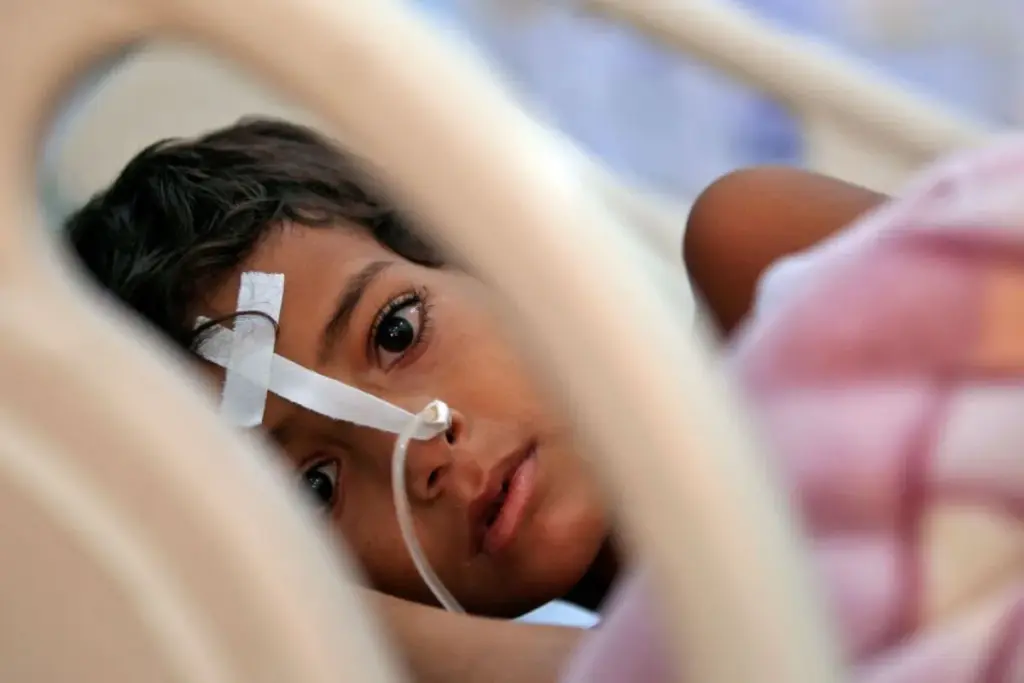
Diphtheria is a serious disease caused by Corynebacterium diphtheriae. It’s a highly contagious bacterial disease that can cause severe respiratory problems and skin sores. Even though we have vaccines, it’s a big problem in many parts of the world.
It’s very important to know how contagious diphtheria is. This helps keep people who haven’t been vaccinated safe. At Liv Hospital, we offer top-notch healthcare and support to patients from all over. We aim to give you the best care and teach you about diseases like diphtheria.
Key Takeaways
- Diphtheria is a highly contagious bacterial disease caused by Corynebacterium diphtheriae.
- The disease can lead to severe health issues, including respiratory problems and skin sores.
- Understanding diphtheria’s contagious nature is key to stopping outbreaks.
- Vaccination is very important in stopping diphtheria from spreading.
- Liv Hospital is committed to giving you the best healthcare and support.
What is Diphtheria?

Diphtheria is a serious bacterial infection that has caused many illnesses and deaths over the years. It is caused by Corynebacterium diphtheriae bacteria. These bacteria infect the upper airways, like the nose and throat, and release a toxin.
Definition and Causative Agent
Diphtheria can lead to severe problems, such as respiratory failure and heart damage. It spreads through respiratory droplets, like those from coughing or sneezing. It can also spread through contact with contaminated items.
The causative agent, Corynebacterium diphtheriae, is a gram-positive bacterium. It can be found through lab tests, like cultures and PCR tests. Knowing the cause is key to finding treatments and cures.
Historical Significance and Impact
Diphtheria has been a big worry for centuries, with outbreaks all over the world. Before vaccines, it was a top killer of kids under 5 in many places, including Canada. This was in the 1930s.
Vaccines against diphtheria have made it much rarer. But, it’s a big problem in areas with low vaccination rates. This shows why keeping up with vaccinations is so important.
Is Diphtheria Contagious and How Does It Spread?

It’s important to know how diphtheria spreads to prevent it. Diphtheria is contagious and can spread in several ways.
Primary Transmission Methods
Diphtheria mainly spreads through the air when someone coughs or sneezes. This makes it easy to spread in crowded places or where people are close together.
Being close to someone who is sick increases the risk. When someone with diphtheria coughs or sneezes, they release bacteria that can be breathed in by others nearby.
Secondary Transmission Routes
Diphtheria can also spread through touching things that have the bacteria or touching infected wounds. Sharing things like drinks, cutlery, or clothes with someone who is sick can spread the bacteria.
Also, touching surfaces or objects that have the bacteria and then touching your face can make you sick.
Asymptomatic Carriers and Contagious Period
People who have diphtheria but don’t show symptoms can also spread the disease. They can spread it until they have been on antibiotics for at least 48 hours.
Even after symptoms go away, people can be contagious if they haven’t taken antibiotics.
| Transmission Method | Description | Prevention Strategy |
| Airborne Respiratory Droplets | Coughing or sneezing by infected individuals | Use masks, maintain social distancing |
| Direct Contact | Sharing personal items or contact with infected wounds | Avoid sharing personal items, practice good hygiene |
| Contaminated Surfaces | Touching surfaces or objects contaminated with the bacteria | Regularly disinfect surfaces, wash hands frequently |
By knowing how diphtheria spreads and taking steps to prevent it, we can stop it from spreading.
Diphtheria Prevalence and Mortality Rates
Diphtheria’s spread and death rates show big differences worldwide. These differences are due to healthcare access and vaccination levels. In many places, diphtheria is a big worry, mainly where healthcare and vaccines are hard to get.
Global Distribution and Endemic Regions
Diphtheria is common in parts of Africa, Asia, Indonesia, and Southeast Asia. These areas face challenges in keeping vaccination rates high. Poor sanitation, crowded living, and bad healthcare make things worse.
In these areas, diphtheria outbreaks can happen, putting a lot of pressure on healthcare. The disease spreads fast where not enough people are vaccinated. This shows we need to keep working on vaccinations.
Mortality Statistics and High-Risk Demographics
Untreated diphtheria can kill up to 30% of people. Even with treatment, it can be deadly, killing 1 in 10. Young kids and the elderly are most at risk, mainly if they’re not vaccinated. How well someone does with diphtheria depends a lot on the quality of healthcare they get.
Current Status in the United States and Developed Countries
In the U.S. and other rich countries, diphtheria is very rare. Vaccines have made it almost non-existent. But, we must keep vaccination rates high to stop outbreaks. This is important, even more so in places where people move around a lot or where vaccination rates are dropping.
Health efforts are focused on making sure everyone can get diphtheria vaccines. This is true in rich countries and worldwide. We’re working hard to reach everyone, even in hard-to-reach places, to fight diphtheria.
Symptoms, Prevention, and Treatment
Understanding diphtheria starts with recognizing its symptoms early. We must also take preventive steps and know how to treat it. Let’s look at the symptoms, how to prevent it, and the treatment options.
Early and Advanced Symptoms
Symptoms of diphtheria show up 2 to 5 days after being exposed. Early signs include a sore throat, low fever, and swollen neck lymph nodes. As it gets worse, you might have trouble swallowing, feel weak, and see a thick, grey-white coating on your tonsils, tongue, and throat.
Advanced cases can harm your heart, kidneys, and nervous system. If symptoms get worse, seek medical help right away.
Vaccination and Preventive Measures
Preventing diphtheria is key. The best way is through vaccination. The diphtheria vaccine is given with tetanus and pertussis vaccines (DTaP) for kids and adults.
Good hygiene and avoiding sick people also help. For more on preventing diphtheria, check out Medical organization.
| Preventive Measure | Description |
| Vaccination | DTaP vaccine for children and Td/Tdap booster for adults |
| Good Hygiene | Frequent handwashing with soap and water |
| Avoiding Close Contact | Staying away from infected individuals |
Medical Treatment Approaches
Antibiotics are used to treat diphtheria. They kill the bacteria and stop toxin production. Quick treatment is vital to avoid complications and stop the disease from spreading.
Some patients might need extra care, like hospital treatment. This includes intravenous fluids and breathing support.
Early diagnosis and treatment are essential. By knowing the symptoms, taking preventive steps, and getting medical help when needed, we can fight diphtheria together.
Conclusion
Diphtheria is a contagious disease caused by bacteria that can spread through coughs and sneezes. It’s important to know how it spreads to prevent it. This helps keep everyone safe.
The disease can be deadly, with a 30% fatality rate. Young kids are most at risk, mainly if they’re not vaccinated. Getting vaccinated is the best way to avoid diphtheria. It’s often given with other vaccines like tetanus and pertussis.
To fight diphtheria, we need to make sure more people get vaccinated. The World Health Organization says we should give 6 doses of the vaccine from 6 weeks old to adolescence. For more info on diphtheria, including symptoms and how to prevent it, check out the WHO fact sheet on diphtheria.
Knowing the risks of diphtheria and the value of vaccines is key. We can lower its impact worldwide by making sure kids get all their vaccine doses. This is essential for stopping outbreaks and keeping everyone healthy.
FAQ
What is diphtheria?
Diphtheria is a bacterial disease caused by Corynebacterium diphtheriae. It can lead to severe health issues if not treated.
Is diphtheria contagious?
Yes, diphtheria is contagious. It spreads through respiratory droplets, close contact, or touching contaminated surfaces.
How is diphtheria prevented?
Vaccination prevents diphtheria. It’s given with tetanus and pertussis vaccines.
What are the symptoms of diphtheria?
Symptoms range from mild to severe. They include a thick, gray membrane on the tonsils and throat. Other symptoms are sore throat, difficulty swallowing, and breathing problems.
Is diphtheria a significant health concern?
Yes, it’s a big concern in areas with low vaccination rates. In developed countries, it’s rare thanks to vaccines.
What is the mortality rate of diphtheria?
The death rate varies. It can be up to 20% if untreated. It depends on disease severity and medical treatment.
How is diphtheria treated?
Treatment includes antibiotics and diphtheria antitoxin. These help neutralize the toxin.
Can diphtheria be spread by asymptomatic carriers?
Yes, carriers without symptoms can spread it. They can infect others even if they don’t show signs.
Where is diphtheria most commonly found?
It’s found in areas with low vaccination rates. This includes parts of Asia, Africa, and Latin America.
How can I protect myself from diphtheria?
Protect yourself with vaccination, good hygiene, and avoiding infected people.
References:
World Health Organization. Evidence-Based Medical Guidance. Retrieved from https://www.who.int/publications/i/item/9789240088160