
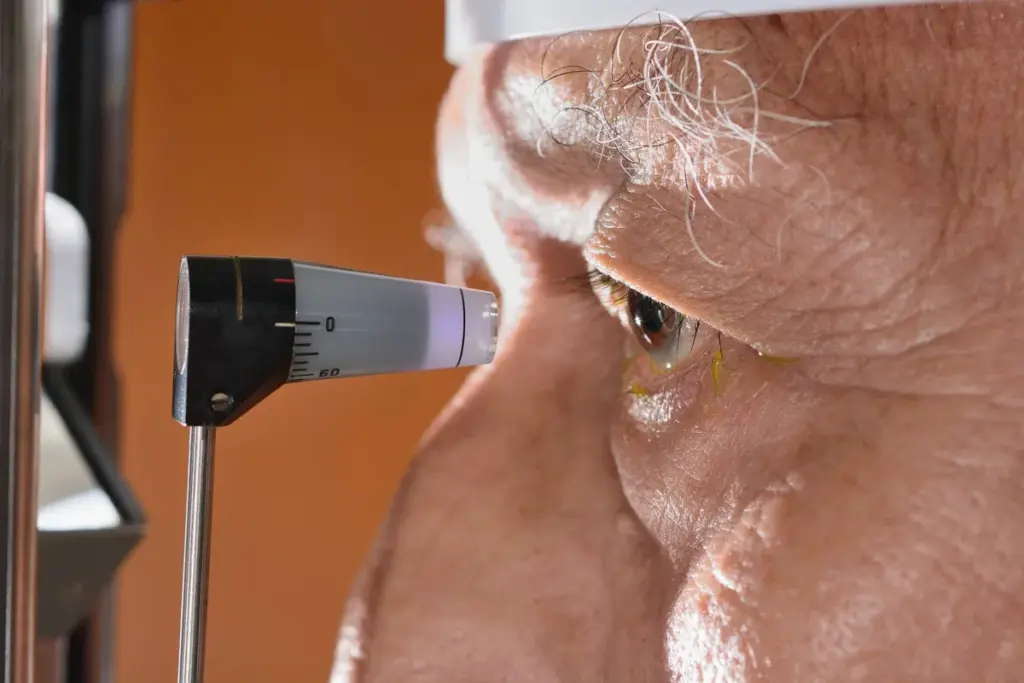
Imagine finding out a health issue in your family could quietly take your sight away. Glaucoma, known as the silent thief of sight, affects millions worldwide. It has a big hereditary risk.
If your mom, dad, or grandparents have glaucoma, your risk goes up a lot. Early detection is key. Studies show about half of those with primary open-angle glaucoma have family members with it.
Knowing if glaucoma runs in your family is important. If a close relative has it, your risk goes up a lot.
Key Takeaways
- Having a family history of glaucoma increases individual risk.
- Approximately half of people with primary open-angle glaucoma have a family history.
- Early detection is key for those with a family history.
- Genetic factors play a big role in glaucoma.
- Understanding genetic risk helps in assessing personal risk.
Is Glaucoma Hereditary? The Science Behind Genetic Risk
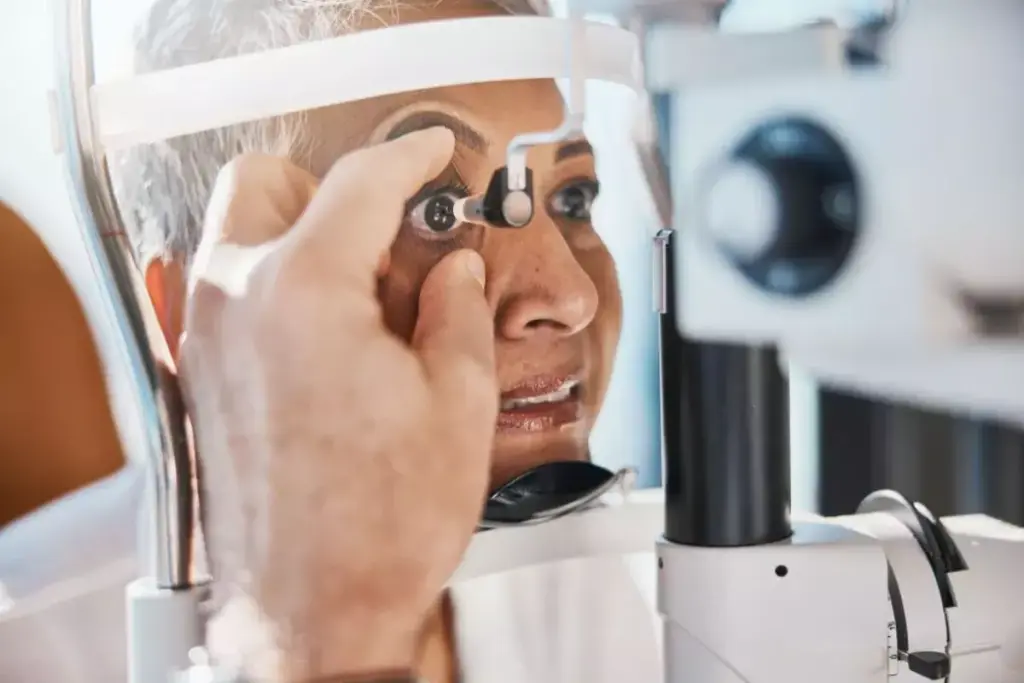
Glaucoma can run in families, making it a big worry for those with a family history. It’s important to look into the genetic risk. Studies show that people with a family member who has glaucoma are more likely to get it too.
Knowing the genetic risks of glaucoma helps find out who might get it. Research finds that having a first-degree relative with glaucoma raises your risk by up to nine times. This is compared to people without a family history.
How Common Is Hereditary Glaucoma?
Hereditary glaucoma is more common than you might think. Studies say a big part of glaucoma cases come from family ties. The exact number varies, but family history is a big factor in risk.
| Family History | Risk of Developing Glaucoma |
| No first-degree relative with glaucoma | General population risk |
| One first-degree relative with glaucoma | Up to 3 times increased risk |
| Two or more first-degree relatives with glaucoma | Up to 9 times increased risk |
The Role of First-Degree Relatives in Your Risk
First-degree relatives, like parents and siblings, are key in assessing glaucoma risk. If they have glaucoma, your risk goes up. It’s vital for those with a family history to talk to their doctor about this.
Key Factors to Consider:
- Family history of glaucoma
- Presence of glaucoma in first-degree relatives
- Genetic predisposition
Understanding these factors helps you see your risk better. This way, you can take steps to watch your eye health closely.
Types of Glaucoma and Their Genetic Patterns
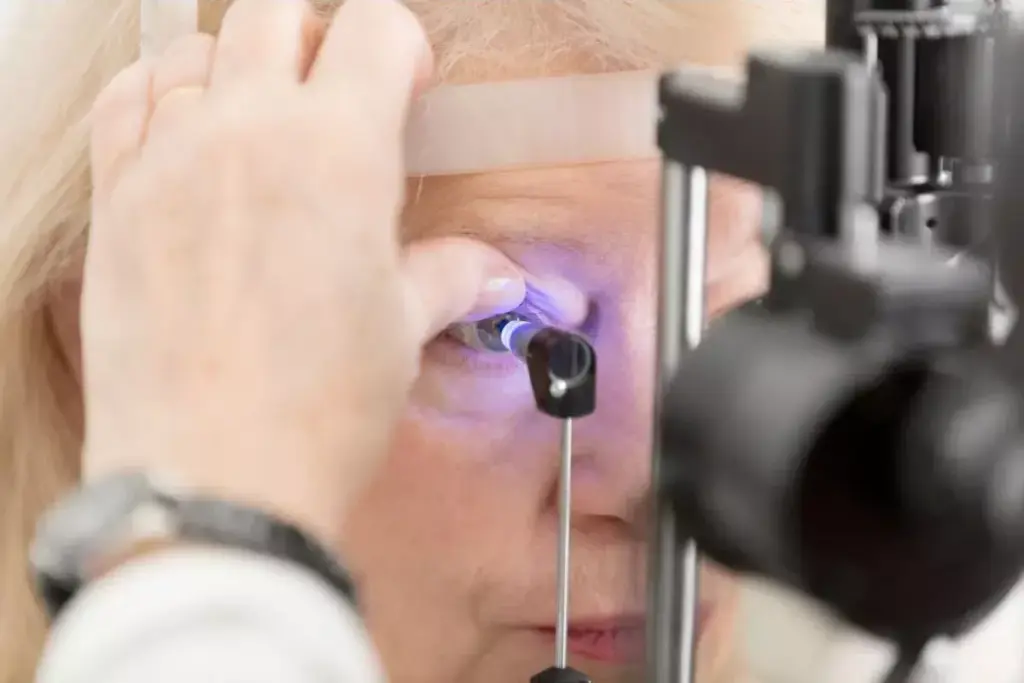
Glaucoma’s hereditary nature varies by type, with some showing a stronger genetic link. Understanding the risk involves looking at the specific type and its genetic patterns.
Primary Congenital Glaucoma: The Clearest Genetic Link
Primary congenital glaucoma is a rare form present at birth. It’s often linked to genetic mutations in CYP1B1 and LTBP2. These mutations are inherited in an autosomal recessive pattern.
This means a child needs two copies of the mutated gene to develop the condition. The clear genetic link makes genetic testing and counseling key for families with a history of this condition.
Primary Open-Angle Glaucoma: Complex Inheritance
Primary open-angle glaucoma (POAG) is the most common type. It has a complex inheritance pattern. POAG is influenced by genetics and environment, making family history less predictive.
First-degree relatives of those affected are at higher risk. But, POAG’s genetic factors are varied and involve many genes.
Is Narrow-Angle Glaucoma Hereditary?
Narrow-angle glaucoma, or angle-closure glaucoma, has a genetic component. Its inheritance pattern is not as clear as primary congenital glaucoma. Those with a family history of narrow-angle glaucoma are at higher risk.
They are at increased risk if they also have hyperopia or certain eye features. The genetic predisposition to narrow-angle glaucoma stresses the need for regular eye exams for those with a family history.
Is Glaucoma Inherited from Mother or Father? Understanding Parental Risk
Research shows that both parents can influence a person’s risk of getting glaucoma. Knowing this is key to understanding personal risk and preventing the disease.
Both Parents Contribute to Glaucoma Risk
Studies indicate that glaucoma can come from either parent. Both sides of the family history matter. The genes that cause glaucoma are complex and involve many genes.
A study in the Journal of Glaucoma stresses the need to look at both sides of the family. This is because the genes linked to glaucoma can come from either parent.
| Parental Influence | Risk Factor |
| Mother with Glaucoma | Increased risk due to maternal genetic factors |
| Father with Glaucoma | Increased risk due to paternal genetic factors |
| Both Parents with Glaucoma | Significantly increased risk due to combined genetic factors |
If My Mom Has Glaucoma, Will I Get It?
Having a mom with glaucoma raises your risk, but it doesn’t mean you’ll definitely get it. Regular eye checks and genetic tests can spot those at higher risk.
Talking to your eye doctor about your family history is vital. It helps figure out how to watch for and maybe prevent glaucoma.
Grandparents and Extended Family History
Grandparents and extended family also play a big part in glaucoma risk. Research shows that a wider family history can reveal more about your genetic risk for glaucoma.
Understanding your genetic risk and family history helps protect your vision. This includes regular eye exams, a healthy lifestyle, and listening to your eye doctor’s advice.
Conclusion
It’s important to know if glaucoma runs in your family. This knowledge helps you take care of your eyes early. If your family has glaucoma, you might be at higher risk.
Getting regular eye exams is a must. This is true if you have a family history of glaucoma. These exams can catch glaucoma early, thanks to the ICD 10 code for family history of glaucoma.
Knowing about glaucoma in your family helps you make better eye care choices. Regular eye exams are key to keeping your vision sharp. This way, you can protect your eyes and keep them healthy.
FAQ
Is glaucoma a hereditary condition?
Glaucoma can be hereditary in some cases, meaning genetics may increase the risk. However, not everyone with a family history will develop the condition.
Is glaucoma inherited from mother or father?
Glaucoma risk can be inherited from either the mother’s or father’s side of the family. Having close relatives with glaucoma may increase the likelihood.
Does having a family history of glaucoma mean I will definitely get it?
A family history of glaucoma does not guarantee you will develop it. It only increases the risk, and regular eye exams can help with early detection.
What types of glaucoma are more likely to be hereditary?
Some types, such as primary open-angle glaucoma and juvenile glaucoma, are more likely to have a genetic link. Family history is an important risk factor for these types.
If my mom has glaucoma, will I get it?
If your mother has glaucoma, your risk may be higher, but it does not mean you will definitely develop it. Other factors like age, eye pressure, and lifestyle also play a role.
Can grandparents and extended family history affect my risk of glaucoma?
Yes, glaucoma risk can be influenced by family history in grandparents or other relatives. A strong family history may increase the chances of developing the condition.
Is narrow-angle glaucoma hereditary?
Narrow-angle glaucoma can have genetic factors, especially related to eye structure. However, it is also influenced by age, anatomy, and other health factors.
How does family history impact my risk of glaucoma?
Family history may increase the risk because certain genes can affect eye pressure and optic nerve health. People with relatives who have glaucoma are often advised to have regular eye screenings.
References
National Center for Biotechnology Information. Evidence-Based Medical Insight. Retrieved from https://pmc.ncbi.nlm.nih.gov/articles/PMC8465972/