
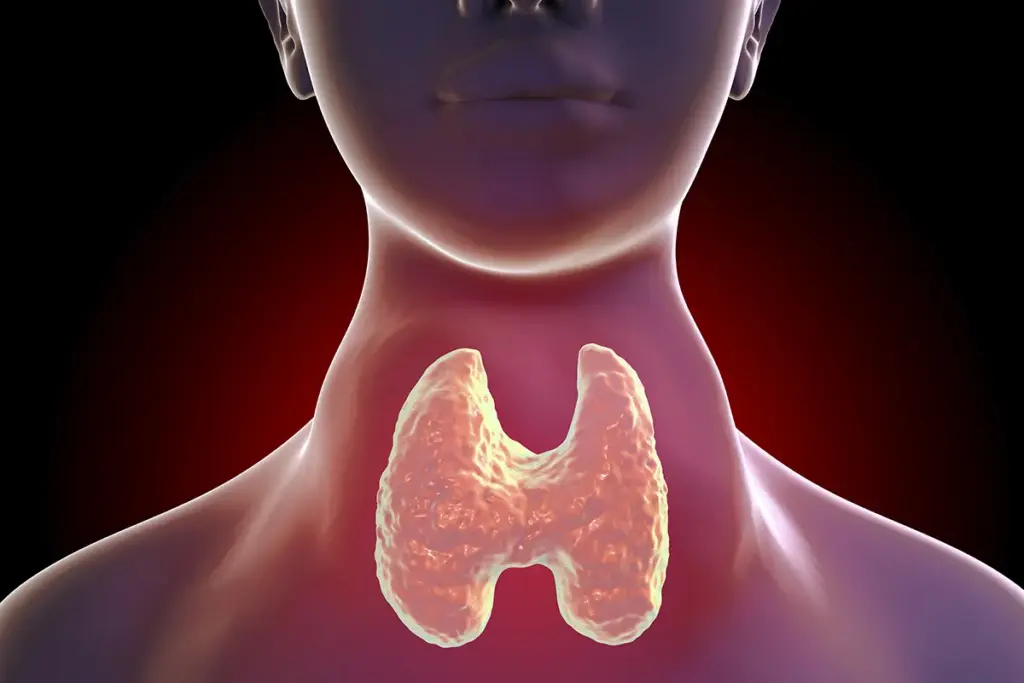
Getting a diagnosis of Graves’ disease can feel scary. But we’re here to give you all the info you need about this autoimmune thyroid condition. We’ll talk about the treatment options and the chance of getting better.
Graves’ disease is treatable and affects more than 90 percent of people with hyperthyroidism worldwide. We know managing this condition means understanding the treatments and the chance of getting better.
At Liv Hospital, we offer top-notch care for Graves disease management. We use the latest treatments and care with kindness to help you get the best results.
Key Takeaways
- Graves’ disease is a highly treatable autoimmune thyroid condition.
- Multiple treatment options are available, including medication and other therapies.
- Remission is possible, with success rates varying depending on the treatment approach.
- Liv Hospital offers complete care for Graves disease management.
- Advanced treatments and compassionate care are combined to achieve the best outcomes.
Understanding Graves Disease as a Treatable Condition

Graves’ disease is an autoimmune condition that affects the thyroid gland. It makes the gland work too much, leading to serious problems if not treated.
The Autoimmune Nature of Graves Disease
Graves’ disease is an autoimmune disorder that causes the thyroid gland to overproduce hormones. This happens because the immune system mistakenly attacks the gland. This autoimmune response is a key factor in the disease’s development.
The exact cause of this autoimmune response is not fully understood. It is believed to involve genetics and environment. Knowing this is key to finding effective treatments.
Global Impact and Prevalence
Graves’ disease affects millions worldwide, greatly impacting their lives. The disease’s prevalence varies globally but is a common cause of hyperthyroidism.
Some important facts about Graves’ disease include:
- It is more common in women than men.
- The peak age of onset is typically between 20 and 50 years.
- There is a genetic predisposition, with individuals having a family history being more likely to develop the disease.
Knowing the global impact and prevalence highlights the need for effective management and treatment. The main treatments are antithyroid drugs, radioactive iodine therapy, and thyroidectomy. Antithyroid drugs are often the first choice for treatment in many places.
Is Graves Disease Treatable? The Three Primary Treatment Options

Graves’ disease has three main treatment options. Knowing these is key to managing the disease well. The options are antithyroid medications, radioactive iodine (RAI) therapy, and thyroidectomy.
Antithyroid Medications
Antithyroid drugs, like methimazole and propylthiouracil, are often the first choice. They block thyroid hormone production, easing hyperthyroidism symptoms. Methimazole is usually preferred for its safety and effectiveness, but propylthiouracil is used in pregnancy.
“Antithyroid drugs (ATD) are the most commonly used first-line treatment for Graves’ disease,” say thyroid experts. They help keep thyroid function normal and can lead to remission.
Radioactive Iodine (RAI) Therapy
Radioactive iodine therapy is a treatment for Graves’ disease. It uses radioactive iodine to destroy thyroid cells, reducing hormone production. This Graves’ disease therapy is effective but can cause hypothyroidism, needing lifelong hormone replacement.
Thyroidectomy: Surgical Approach
Thyroidectomy, or removing the thyroid gland, is a treatment for Graves’ disease. It’s for those not helped by medications, with large goiters, or suspicious nodules. It’s very effective but comes with surgery risks.
For more on these treatments, visit https://www.thyroidcancer.com/blog/how-to-treat-graves-disease-top-3-options. It offers detailed insights into managing Graves’ disease.
Remission Possibilities and Success Rates
Getting into remission is a main goal for those with Graves’ disease. It means the symptoms lessen or go away. This allows people to live a more normal life.
Defining Remission in Graves Disease
Remission in Graves’ disease means thyroid hormone levels get back to normal. It also means thyroid receptor antibodies (TRAb) disappear without needing treatment anymore. It’s a state where the disease is in long-term control, but watching it closely is often needed.
Standard Treatment Remission Rates
About 40 to 50 percent of patients get better after 12 to 18 months of treatment. The success rate can change based on treatment and personal factors. For example, long-term treatment might help more people, with up to 90 percent of patients losing TRAb after 60 months.
To understand remission rates with different treatments, let’s look at some data:
- Antithyroid Medications: 40-50% remission rate after 12-18 months.
- Long-term Antithyroid Therapy: Up to 90% of patients can achieve TRAb disappearance after 60 months.
Long-Term Therapy and Improved Outcomes
Long-term treatment can lead to better results for Graves’ disease patients. Keeping up with treatment for a long time can lead to higher remission rates. For more on long-term therapy’s effects, check out Healthgrades for more info.
Factors That Influence Remission
Several things can affect how likely someone is to go into remission with Graves’ disease. These include:
- The severity of the disease at diagnosis.
- The treatment chosen.
- How well the patient follows the treatment plan.
- Genetic factors.
Knowing these factors helps doctors create treatment plans that fit each patient better. This might lead to higher remission rates.
Conclusion
Graves’ disease is treatable, and patients can live normal lives with the right treatment. We’ve looked at treatments like medications, radioactive iodine, and surgery.
Knowing your treatment options is key to a good plan. Working with your doctor helps find the best treatment for you.
With the right care, Graves’ disease symptoms can be managed. This improves your overall health. We hope this info helps you understand and manage your condition better.
FAQ
Does Graves’ disease go into remission?
Yes, Graves’ disease can go into remission. This depends on the treatment and the patient’s health.
What are the primary treatment options for Graves’ disease?
The main treatments are antithyroid medications, radioactive iodine therapy, and thyroidectomy.
Can Graves’ disease be cured?
There’s no sure cure for Graves’ disease. But, it’s treatable, and many patients can live normally with the right care.
How effective are antithyroid medications in treating Graves’ disease?
Antithyroid medications are often the first choice. They work well for many, but some might need other treatments.
What is radioactive iodine therapy, and how is it used to treat Graves’ disease?
Radioactive iodine therapy uses iodine to shrink the thyroid gland. It’s for those who don’t respond to other treatments.
Is thyroidectomy a viable treatment option for Graves’ disease?
Yes, thyroidectomy is a surgical option. It removes part or all of the thyroid gland. It’s for specific cases or when other treatments fail.
What factors influence remission in Graves’ disease?
Remission depends on the treatment, patient health, and disease severity. Knowing these can help in choosing the right treatment.
Can Graves’ disease be treated with medication alone?
Medications can manage Graves’ disease. But, some might need other treatments like radioactive iodine or surgery.
Will I always have Graves’ disease once I’m diagnosed?
No, you don’t have to live with Graves’ disease forever. The right treatment can lead to remission and a normal life.
What is the goal of treatment for Graves’ disease?
Treatment aims for remission, symptom control, and preventing complications.
How do I determine the best treatment approach for my Graves’ disease?
Talk to your doctor to create a treatment plan that suits you. This will improve your health and well-being.
References
https://pmc.ncbi.nlm.nih.gov/articles/PMC6435849



 Departments
 Related Videos
 Our Doctors
 News
News