
Haemophilia is a rare genetic disorder that makes it hard for blood to clot. This leads to long-lasting bleeding. Mutations in the genes responsible for producing clotting factors VIII or IX are the main cause.
Hemophilia A affects about 1 in 5,000 male births, while hemophilia B affects 1 in 30,000 males. About 80-85% of cases are type A. Understanding the genetic basis of hemophilia is essential for exploring its potential link to inbreeding.
At Liv Hospital, we focus on top-notch healthcare. Our team looks into the link between hemophilia inheritance patterns and inbreeding. We aim to shed light on this complex topic.
Key Takeaways
- Hemophilia is a genetic disorder affecting blood clotting.
- Mutations in genes for clotting factors VIII or IX cause hemophilia.
- Hemophilia A is more common than hemophilia B.
- Understanding the genetic basis is key to addressing causative factors.
- Liv Hospital provides advanced care for hemophilia patients.
The Nature of Haemophilia as a Bleeding Disorder
Haemophilia is a complex bleeding disorder with both clinical and genetic aspects. It causes bleeding issues, from mild to severe. The disorder is inherited in an X-linked recessive pattern, meaning the defective gene is on the X chromosome.
Definition and Clinical Manifestations
Haemophilia affects the blood’s clotting ability, leading to prolonged bleeding. Symptoms can vary, with some experiencing mild issues and others facing severe bleeding. classify haemophilia severity based on clotting factor activity in the blood.
The symptoms of haemophilia include:
- Prolonged bleeding after injury or surgery
- Spontaneous bleeding into joints or muscles
- Easy bruising
Understanding these symptoms is key to diagnosing and managing haemophilia.
|
Severity |
Clotting Factor Level |
Clinical Symptoms |
|---|---|---|
|
Mild |
5-40% of normal |
Bleeding after surgery or major trauma |
|
Moderate |
1-5% of normal |
Occasional spontaneous bleeding |
|
Severe |
<1% of normal |
Frequent spontaneous bleeding episodes |
Historical Context and Discovery
Haemophilia has been known for centuries, with ancient descriptions. It became well-known in European royal families in the 19th and 20th centuries. This was due to its presence among descendants of Queen Victoria.
“Haemophilia is a genetic disorder that has been a part of human history, affecting royal families and commoners alike, and continues to be a significant medical condition today.”
Our understanding of haemophilia has grown from ancient observations to today’s genetic and molecular insights. This history highlights the progress in diagnosis and treatment, improving lives of those with haemophilia.
Types of Haemophilia and Their Prevalence

It’s important to know about the different types of haemophilia. Each type is linked to a specific clotting factor deficiency. This knowledge helps in diagnosing and managing the condition.
Haemophilia is mainly split into two types: Haemophilia A and Haemophilia B. These are named based on the clotting factor they lack.
Haemophilia A: Factor VIII Deficiency
Haemophilia A, also known as classic haemophilia, is caused by a lack of factor VIII (FVIII). This protein is key for blood clotting. It’s the more common type, affecting about 1 in 5,000 male births.
The severity of Haemophilia A varies. People with severe cases have less than 1% of normal FVIII. This leads to frequent bleeding.
Haemophilia B: Factor IX Deficiency
Haemophilia B, or Christmas disease, is caused by a lack of factor IX (FIX). It’s less common than Haemophilia A, affecting about 1 in 20,000 male births.
Like Haemophilia A, the severity of Haemophilia B depends on FIX levels. Those with severe cases bleed more often and without reason.
Other Rare Bleeding Disorders
There are other rare bleeding disorders beyond Haemophilia A and B. These include von Willebrand disease and deficiencies in factors II, V, VII, X, XI, and XIII.
Though rare, these disorders are serious. They require specific treatments and care.
|
Type of Haemophilia |
Clotting Factor Deficiency |
Prevalence |
|---|---|---|
|
Haemophilia A |
Factor VIII |
1 in 5,000 male births |
|
Haemophilia B |
Factor IX |
1 in 20,000 male births |
|
Other Rare Disorders |
Various clotting factors |
Rare, varying prevalence |
Knowing about these types and their prevalence is key. It helps in giving the right care and support to those affected.
The Genetic Basis of Haemophilia

Hemophilia is caused by mutations in specific clotting factors in the blood. To grasp how it occurs, we must explore its genetic roots.
The Role of Clotting Factors in Blood Coagulation
Blood coagulation involves many clotting factors, proteins in the blood. These proteins work together to form a blood clot. This stops bleeding when a vessel is injured. Hemophilia mainly affects two clotting factors: factor VIII and factor IX.
Factor VIII and factor IX are key for blood clotting. Factor VIII is part of the intrinsic pathway, while factor IX also plays a role in this pathway. Mutations in their genes cause hemophilia A and B, respectively.
|
Clotting Factor |
Gene Encoding |
Type of Hemophilia |
|---|---|---|
|
Factor VIII |
F8 |
Hemophilia A |
|
Factor IX |
F9 |
Hemophilia B |
Specific Mutations in F8 and F9 Genes
The F8 gene, on the X chromosome, codes for factor VIII. Mutations here cause hemophilia A, where factor VIII is lacking or not working right. The F9 gene, which codes for factor IX, leads to hemophilia B through similar mutations.
These genetic changes can be different, from single point mutations to larger deletions or insertions. The type and severity of the mutation affect how severe hemophilia is in a person.
Knowing about these genetic changes is key for diagnosing hemophilia and finding carriers. Genetic tests can spot specific mutations. This helps families understand the risk of passing hemophilia to their children.
Is Hemophilia Recessive? Exploring the X-Linked Inheritance Pattern
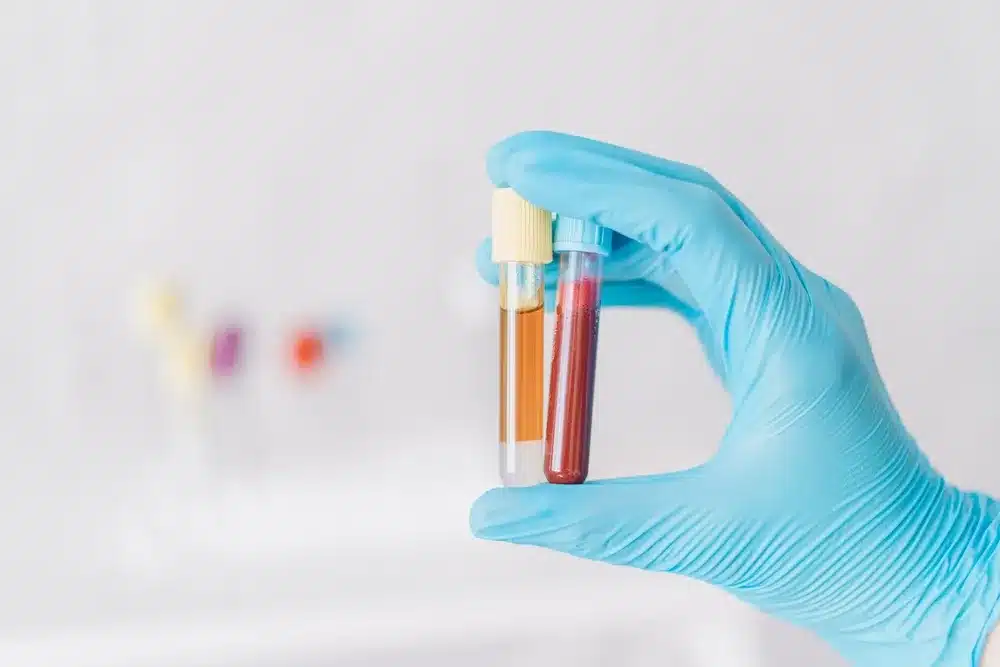
Hemophilia is mostly found in males because of its X-linked recessive pattern. It’s caused by a lack of clotting factors, which are key for blood to clot.
The Mechanics of X-Linked Recessive Inheritance
The genes for hemophilia are on the X chromosome. Females have two Xs, while males have one X and one Y. If a male gets a mutated X, he will have hemophilia because he only has one X chromosome.
Key aspects of X-linked recessive inheritance include:
- Males are more frequently affected because they have only one X chromosome.
- Females can be carriers, having one normal and one mutated X chromosome.
- Female carriers have a 50% chance of passing the mutated gene to each child.
Why Males Are More Commonly and Severely Affected
Males are more likely to have hemophilia because they only have one X chromosome. If this X has the mutation, they can’t make enough clotting factor. This leads to the disorder.
|
Gender |
Chromosome Configuration |
Likelihood of Expressing Hemophilia |
|---|---|---|
|
Male |
XY (with mutation on X) |
High |
|
Female |
XX (with mutation on one X) |
Low (Carrier status) |
Understanding hemophilia’s X-linked recessive pattern is key for genetic counseling. It helps families plan and understand risks better.
Carrier Status: Women and Hemophilia Transmission
Women’s carrier status is key in understanding the risk of passing hemophilia to their children. Hemophilia is linked to the X chromosome, which means women can carry the mutated gene without showing symptoms. This is because they have two X chromosomes.
How Women Become Carriers of Hemophilia
Women become carriers when they inherit a mutated gene from a parent. A carrier mom has a 50% chance of passing this gene to her sons, who might get hemophilia. Daughters can also become carriers like their mom. For more info, check out the.
Women can also become carriers through spontaneous mutations. This means they can carry the gene even without a family history of hemophilia.
Symptoms and Health Concerns in Female Carriers
Many female carriers don’t show symptoms of hemophilia. But some might have mild bleeding issues. This is because the X chromosome with the normal gene is often inactivated.
Carriers might face health issues, like more bleeding during surgeries or injuries. Knowing their carrier status helps manage these risks.
|
Health Concerns |
Description |
Management Strategies |
|---|---|---|
|
Bleeding Tendencies |
Mild bleeding due to lower clotting factor levels |
Preoperative assessment, factor replacement therapy when necessary |
|
Risk During Surgery or Injury |
Increased risk of significant bleeding |
Close monitoring, preparedness for factor replacement |
|
Family Planning |
Risk of passing hemophilia to offspring |
Genetic counseling, prenatal testing |
Knowing about carrier status helps women make better health and family planning choices. Genetic counseling is a good idea for carriers to talk about risks and options.
Spontaneous Mutations: When Hemophilia Appears with No Family History
Hemophilia is a genetic disorder that affects blood clotting. It can happen even if there’s no family history. This is mainly due to spontaneous mutations, or de novo mutations, which are new genetic changes.
De Novo Mutations Explained
De novo mutations happen during the making of reproductive cells or early in fetal development. They can cause hemophilia, even without a family history. The occurrence of de novo mutations shows how complex hemophilia genetics is, proving it’s not just inherited.
Studies have found that de novo mutations play a big role in hemophilia. These mutations can affect genes for clotting factors like factor VIII and factor IX. This leads to hemophilia A and B.
One-Third of Cases: Statistics and Significance
About one-third of new hemophilia cases come from de novo mutations. This fact shows why genetic testing and counseling are key, even for families without a known history of hemophilia.
- De novo mutations are a big part of new hemophilia cases.
- Genetic testing can find these mutations, helping families a lot.
- Knowing about de novo mutations helps in managing and treating hemophilia.
The importance of de novo mutations in hemophilia genetics highlights the need for detailed genetic evaluation and counseling. By understanding these spontaneous mutations, we can better support individuals with hemophilia and their families.
The Royal Disease: Hemophilia in European Royal Families
Hemophilia has long been linked to European royal families, known as ‘the Royal Disease.’ This is mainly because of Queen Victoria. She carried the disease and passed it to some of her children. This spread it across royal families in Europe.
Queen Victoria and the Spread of Hemophilia
Queen Victoria’s role in spreading hemophilia is well-known. She had nine children, and her daughter Alice carried the disease. Alice’s son, Prince Leopold, and her daughter, Irene, also carried the gene.
Through their marriages, the gene spread to other royal families, like Russia and Spain. Here’s a table showing some key descendants and their hemophilia status:
|
Royal Descendant |
Hemophilia Status |
|---|---|
|
Prince Leopold (son of Alice) |
Affected |
|
Princess Irene (daughter of Alice) |
Carrier |
|
Tsarevich Alexei (son of Alexandra) |
Affected |
|
Infante Alfonso (son of Victoria Eugenie) |
Affected |
|
Infante Gonzalo (son of Victoria Eugenie) |
Affected |
Historical Misconceptions About Royal Inbreeding
Many think hemophilia spread due to royal inbreeding. But it’s more complex. Hemophilia is an X-linked recessive disorder, mainly affecting males. The key factor was the carrier status of female members, like Queen Victoria.
Marriages within royal families were common for alliances and power. But they didn’t directly cause hemophilia. They might have increased the disorder’s chances due to a smaller gene pool.
In conclusion, hemophilia’s link to European royal families is intriguing. Queen Victoria’s carrier status was key in spreading the disease. Understanding this history sheds light on the genetic basis of hemophilia.
Inbreeding and Genetic Disorders: Scientific Foundations
It’s important to understand inbreeding to see how it affects genetic diversity and disease risk. Inbreeding, or consanguinity, means marrying or mating with close relatives. It has been practiced in many cultures and societies throughout history.
Defining Inbreeding and Consanguinity
Inbreeding and consanguinity mean the same thing in this context. They describe marriages or unions between closely related individuals. Consanguinity is a significant factor in the increased risk of genetic disorders because it raises the chances that both parents may carry the same detrimental recessive genes.
The term “inbreeding” is not just for humans; it’s also used in animal husbandry. But in human genetics, consanguinity is the preferred term for marriages between relatives.
How Inbreeding Affects Genetic Diversity and Disease Risk
Inbreeding can significantly affect genetic diversity by increasing the chances of homozygosity for recessive alleles, some of which may be detrimental. When both parents are carriers of the same recessive gene, there is a higher likelihood that their offspring will inherit two copies of this gene (one from each parent), expressing the associated genetic disorder.
Genetic diversity is key for a population’s health because it provides a wider range of genes that can help protect against various diseases. Inbreeding reduces this diversity, making populations more vulnerable to genetic disorders. The risk is not just for rare genetic conditions; it can also affect the overall health and viability of offspring.
- Increased homozygosity for recessive alleles
- Higher risk of expressing genetic disorders
- Reduced genetic diversity within a population
By understanding how inbreeding affects genetic diversity and disease risk, we can better appreciate the importance of genetic counseling and testing for families with a history of consanguinity.
The Relationship Between Inbreeding and Recessive Genetic Disorders

Inbreeding, or consanguinity, raises the risk of recessive genetic disorders. This is because it increases the chance of getting the same mutated gene from both parents. This section will explain how inbreeding affects recessive genetic conditions. We’ll look at autosomal recessive and X-linked recessive disorders. We’ll also discuss the coefficient of inbreeding as a measure of this risk.
Autosomal Recessive vs. X-Linked Recessive Conditions
Recessive genetic disorders fall into two categories: autosomal recessive and X-linked recessive. Autosomal recessive disorders happen when a person gets two mutated genes, one from each parent. These genes are not on the sex chromosomes. Examples include cystic fibrosis and sickle cell anemia.
X-linked recessive conditions are caused by genes on the X chromosome. Hemophilia A and B are examples, mainly affecting males. This is because males have only one X chromosome.
Inbreeding increases the risk of both types of disorders. This is because it makes it more likely that both parents carry the same mutated gene. But, the effect is more noticeable in communities with a history of inbreeding. Here, autosomal recessive disorders are more common.
Coefficient of Inbreeding and Mathematical Risk Assessment
The coefficient of inbreeding (F) measures the chance that two alleles at a locus are identical by descent. It’s a key tool in genetic counseling. It helps estimate the risk of genetic disorders in offspring of related parents. The coefficient ranges from 0 (no inbreeding) to 1 (complete inbreeding, like siblings or parent-offspring mating).
|
Relationship |
Coefficient of Inbreeding (F) |
|---|---|
|
First cousins |
0.0625 |
|
Double first cousins |
0.125 |
|
Second cousins |
0.0156 |
|
Parent-offspring or siblings |
0.25 |
Understanding the coefficient of inbreeding is key. It helps families and healthcare providers make informed decisions. It shows why genetic counseling is important for those from inbreeding backgrounds or with a family history of genetic disorders.
Does Inbreeding Cause Hemophilia? Examining the Evidence

To figure out if inbreeding leads to hemophilia, we need to know how this bleeding disorder works. Hemophilia is mainly caused by genes on the X chromosome. This affects mostly males, who have one X and one Y chromosome.
The Specific Genetic Mechanism of Hemophilia
Hemophilia A and B come from mutations in the F8 and F9 genes. These genes are for clotting factors VIII and IX, key for blood to clot. When these genes mutate, the clotting factors don’t work right, causing long bleeding times.
The genetics of hemophilia are complex. It involves many types of mutations that can happen on their own or be passed down from parents. Hemophilia isn’t caused by just one gene. It’s the specific mutation in the gene on the X chromosome that matters.
Why Inbreeding Is Not the Primary Cause of Hemophilia
Inbreeding can raise the risk of genetic diseases by making recessive mutations more likely. But hemophilia’s main cause is its X-linked recessive pattern. This means a male can get hemophilia even without inbreeding, if he gets an affected X chromosome.
Inbreeding might up the risk of other genetic issues, but it’s not the main reason for hemophilia. The disorder’s frequency is more tied to the mutated gene’s inheritance. So, knowing a family’s genetic history and carrier status is key to understanding hemophilia risk.
In summary, inbreeding can affect the risk of some genetic diseases, but it’s not the main reason for hemophilia. Hemophilia’s occurrence is more about the specific mutations in the genes for clotting factors VIII and IX. Its X-linked recessive nature means it’s not caused by inbreeding but by the gene’s inheritance pattern.
Consanguinity and Hemophilia Prevalence in Different Populations
Hemophilia is not spread evenly around the world. It’s influenced by family marriages in different cultures. When families marry within their circle, the risk of genetic diseases like hemophilia goes up. This is because both parents might carry the same genes.
In places where family marriages are common, genetic disorders are more frequent. This is because such marriages lower genetic variety. As a result, rare genetic conditions are more likely to appear.
Regional Variations in Hemophilia Rates
Research shows that hemophilia rates differ greatly by region. For example, a study in the Journal of Thrombosis and Haemostasis found a link between higher family marriages and more hemophilia A cases.
|
Region |
Prevalence of Hemophilia A |
Consanguinity Rate |
|---|---|---|
|
Middle East |
12.6 per 100,000 males |
40% |
|
Europe |
10.5 per 100,000 males |
1% |
|
South Asia |
14.2 per 100,000 males |
30% |
The table shows that areas with more family marriages have more hemophilia A. This shows how family marriages can increase the risk of hemophilia.
Cultural Practices and Their Genetic Implications
Cultural practices that encourage family marriages are often tied to social, economic, and religious beliefs. For instance, some communities see family marriages as a way to keep wealth and status within the family. Yet, these practices have big genetic risks.
“Consanguineous marriages can lead to an increased risk of genetic disorders due to the expression of recessive genes. This is specially true for X-linked recessive disorders like hemophilia.” –
A genetic counselor
It’s key to understand the genetic risks of cultural practices for genetic counseling. We must take the cultural background into account when talking to families about the dangers of family marriages.
Genetic Testing and Counseling for Hemophilia Families

For families with hemophilia, genetic testing and counseling are key. Hemophilia makes blood hard to clot, causing long bleeding. Knowing the genetic cause helps families plan their health and family.
Prenatal and Carrier Testing Options
Prenatal tests can tell if a fetus has hemophilia. This gives parents-to-be important info. There are a few prenatal tests:
- Chorionic Villus Sampling (CVS): This test takes cells from the placenta between 10 to 12 weeks.
- Amniocentesis: It’s done by taking amniotic fluid around 15 to 20 weeks.
- Fetal Blood Sampling: Though rare, it takes a blood sample from the fetus.
Carrier testing is also important. It shows if a woman might pass hemophilia to her kids. This helps with family planning.
“Genetic testing can provide families with the information they need to make informed decisions about their reproductive health and to prepare for the future care of their child.”
Family Planning Considerations and Resources
For families with hemophilia, planning is about avoiding passing it to kids. Genetic counseling helps understand risks and options.
|
Family Member |
Testing Recommendation |
Considerations |
|---|---|---|
|
Potential Carriers (Daughters of affected males or carriers) |
Carrier testing |
Understanding the risk of passing the condition to their children |
|
Expectant Parents |
Prenatal testing |
Determining whether the fetus is affected and planning for the future |
|
Family Members with a History of Hemophilia |
Genetic counseling |
Understanding the genetic basis of hemophilia and family planning options |
Genetic testing and counseling help families with hemophilia. They learn about risks and plan their health and family better.
Modern Treatment Approaches for Hemophilia Patients

New breakthroughs in treating hemophilia have changed how we manage it. Now, we have better and more tailored treatments for patients.
Factor Replacement Therapy and Prophylaxis
Factor replacement therapy is key in treating hemophilia. It involves giving patients the clotting factor they lack. This helps their blood clot normally.
Prophylactic treatment is also common. It means giving clotting factors regularly to stop bleeding. This method lowers bleeding episodes and prevents joint damage.
Prophylaxis greatly improves life for those with hemophilia. It cuts down on spontaneous bleeding and joint damage. Today, we have many factor products to choose from.
Gene Therapy: Current Advancements and Future Prospects
Gene therapy is a new hope for hemophilia treatment. It aims to fix the genetic issue causing the condition. By adding a healthy gene, the body can make the clotting factor it needs.
Early trials show promise, with some patients making the clotting factor on their own. Gene therapy could change hemophilia treatment by possibly curing it or reducing the need for ongoing therapy.
Comprehensive Care Model for Hemophilia Management
The care model for hemophilia is all about teamwork. It brings together many healthcare experts. This team ensures patients get care for all parts of their condition.
This comprehensive care approach improves patient outcomes and life quality. It also helps educate patients and their families. This way, they can better manage their condition.
Living with Hemophilia: Management Strategies and Quality of Life
Living with hemophilia means finding ways to manage its effects on daily life. With the right approach, people with hemophilia can live active and meaningful lives. We’ll look at strategies and support systems that improve their quality of life.
Preventive Measures and Lifestyle Adaptations
Preventing bleeding episodes is key. This includes regular prophylactic treatment with clotting factor concentrates. It also means avoiding activities that could lead to injury. Yet, people with hemophilia can stay active by doing low-impact sports and exercises.
Staying healthy is also important. This includes keeping a healthy weight and avoiding certain medications. Good dental care can also help prevent bleeding and joint damage.
Psychosocial Aspects and Support Systems
Hemophilia affects not just the body but also the mind. People may feel anxious, depressed, or isolated. That’s why psychosocial support is essential in managing hemophilia.
Support from family, friends, and healthcare providers is vital. Being part of a community that understands hemophilia can also help. We encourage those with hemophilia to find these support systems to improve their lives.
Common Misconceptions About Hemophilia Inheritance and Inbreeding
Hemophilia is a genetic disorder that affects blood clotting. Many people think it’s caused by inbreeding or marrying close relatives. But this isn’t the whole truth.
Debunking Myths About Hemophilia Genetics
Some believe hemophilia only happens because of inbreeding. While inbreeding can raise the risk of some genetic issues, it’s not the main cause of hemophilia. The disorder is mainly due to mutations in the F8 or F9 genes.
These genes code for clotting factors VIII and IX. Mutations in these genes can happen on their own or be passed down in an X-linked recessive pattern. This means the myth about inbreeding causing hemophilia is not correct.
Key Facts About Hemophilia Genetics:
- Hemophilia is caused by mutations in the F8 or F9 genes.
- The disorder is inherited in an X-linked recessive pattern.
- Spontaneous mutations can occur without a family history.
Educational Resources for Families and Communities
It’s important to teach families and communities about hemophilia’s genetic roots. Knowing the truth can help reduce fears and lead to better choices.
|
Resource Type |
Description |
Benefit |
|---|---|---|
|
Genetic Counseling |
Professional guidance on genetic risks and inheritance patterns. |
Informed family planning and risk assessment. |
|
Educational Websites |
Reliable online sources providing information on hemophilia genetics. |
Access to accurate and up-to-date information. |
|
Support Groups |
Community forums for sharing experiences and advice. |
Emotional support and practical advice from peers. |
By making reliable educational resources available, we can help families and communities understand hemophilia better. This way, they can make informed health decisions.
Conclusion: Understanding the True Genetic Causes of Hemophilia
Hemophilia is a genetic disorder caused by mutations in genes for clotting factors VIII or IX. Knowing the genetic causes of hemophilia helps us understand if inbreeding leads to it. We’ve looked into what hemophilia is, its types, and how it’s inherited.
Inbreeding might raise the risk of some genetic issues, but it’s not the main reason for hemophilia. Hemophilia mostly affects males because it’s inherited in an X-linked recessive pattern.
Understanding hemophilia and its genetic roots is key. It shows why genetic testing and counseling are vital for families with the disorder. This knowledge helps families make better health choices.
As we learn more about hemophilia, we get closer to better care and support for those with it.
FAQ
Is hemophilia a dominant or recessive genetic disorder?
Hemophilia is an X-linked recessive disorder. This means the mutated gene is on the X chromosome. A single copy of this mutated gene can cause the condition in males.
How is hemophilia A inherited?
Hemophilia A follows an X-linked recessive pattern. The mutated F8 gene is passed from carrier mothers to their sons. Sons are more likely to be affected. Daughters usually become carriers.
Is hemophilia hereditary?
Yes, hemophilia is hereditary. It’s caused by mutations in genes for clotting factors VIII or IX. These genes are passed down from parents to offspring.
What is the genetic basis of hemophilia?
Hemophilia is caused by mutations in the F8 or F9 genes. These genes encode for clotting factors VIII and IX. They are key for blood coagulation.
Does inbreeding cause hemophilia?
Inbreeding is not the main cause of hemophilia. The disorder is due to specific mutations in the F8 or F9 genes. Yet, inbreeding can raise the risk of other genetic disorders.
How does consanguinity affect the prevalence of hemophilia?
Consanguinity, or marrying within the family, can increase the risk of genetic disorders. But it doesn’t directly affect hemophilia’s prevalence. Hemophilia is an X-linked recessive condition.
What is the role of genetic testing in hemophilia diagnosis?
Genetic testing is key for diagnosing hemophilia. It helps identify carriers and the specific mutation causing the condition. This information guides treatment and family planning.
What are the treatment options for hemophilia?
Treatments for hemophilia include factor replacement therapy and prophylaxis to prevent bleeding. Gene therapy aims to correct the genetic defect causing the condition.
How can families with hemophilia benefit from genetic counseling?
Genetic counseling helps families with hemophilia understand the risk of passing on the condition. It informs them about the likelihood of having affected children. This helps with family planning decisions.
What is the significance of Queen Victoria in the history of hemophilia?
Queen Victoria was a carrier of hemophilia. Her descendants married into European royal families. This spread the condition, affecting royal families in the past.
How does hemophilia affect quality of life?
Hemophilia can significantly impact quality of life if not managed well. But, with modern treatments like prophylaxis and care, people with hemophilia can live active, normal lives.
References
National Institutes of Health (NIH) – NCBI Bookshelf. Hemophilia. https://www.ncbi.nlm.nih.gov/books/NBK551607/
National Bleeding Disorders Foundation (NBDF). Hemophilia A (Factor VIII Deficiency). https://www.bleeding.org/bleeding-disorders-a-z/types/hemophilia-a
National Institutes of Health (NIH) – NCBI Bookshelf. Inheritance of X-Linked Recessive Disorders. https://www.ncbi.nlm.nih.gov/books/NBK560792/