
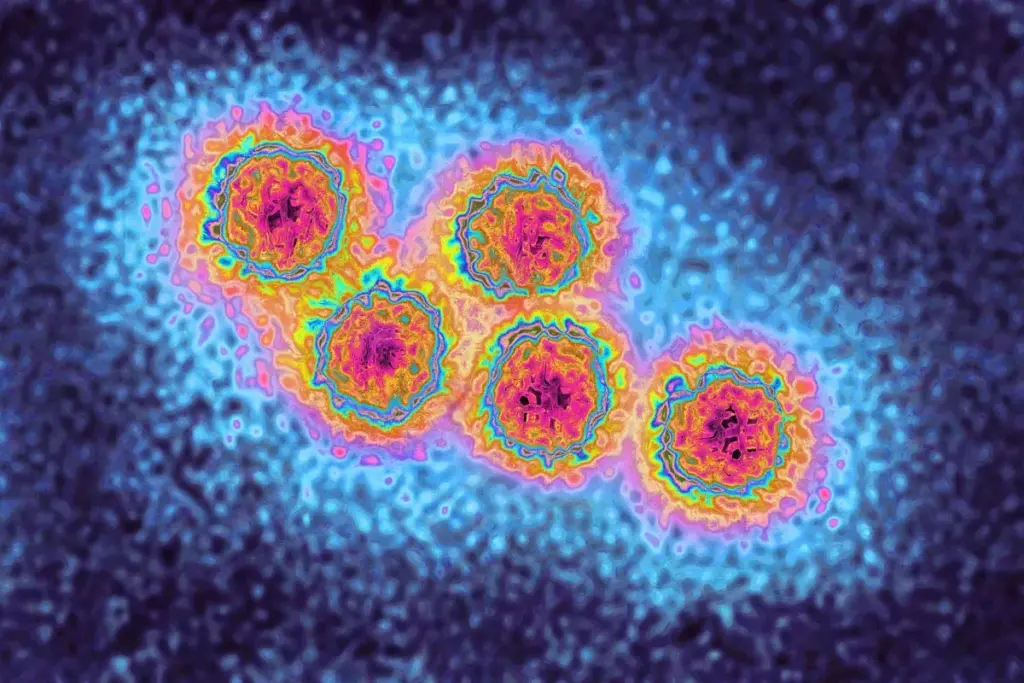
Many wonder if hepatitis is hereditary or if it’s something you get. The truth is, it depends on the type of hepatitis. While most hepatitis is caught, your genes can affect how it progresses and how severe it gets.
Hepatitis A and E usually come from bad food and water. But, hepatitis B and C can pass from parents to kids. This is more about catching it from someone else than it is about genes. The National Center for Biotechnology Information explains how hepatitis viruses spread and their genetic differences. This shows how complicated the disease is.
Key Takeaways
- Hepatitis is mostly caught, not passed down in families.
- Genes can affect how hepatitis gets worse or stays the same.
- Hepatitis A and E come from bad food and water.
- Hepatitis B and C can spread from parents to kids.
- Knowing the type of hepatitis is key for treatment.
Understanding Hepatitis and Its Various Types

Hepatitis is not just one disease but a range of liver issues. Knowing the different types helps find the right treatment. We’ll look at the various hepatitis forms, their causes, and how they spread.
Definition and Classification of Hepatitis
Hepatitis means the liver is inflamed. This can happen from viruses, autoimmune diseases, or toxins. The type of hepatitis depends on how long it lasts and what causes it.
Acute hepatitis is short-term and might go away on its own. But, it can turn into chronic hepatitis. Chronic hepatitis lasts more than six months and can seriously harm the liver if not treated.
Common Causes and Transmission Routes
Viral infections are the main cause of hepatitis. Types A, B, C, D, and E are the most common. Hepatitis A and E spread through contaminated food or water. Hepatitis B and C are spread through blood and body fluids, like sharing needles or unprotected sex.
Autoimmune hepatitis happens when the immune system attacks liver cells. The exact reason is not known, but it’s thought to be a mix of genetics and environment.
Distinguishing Between Viral, Autoimmune, and Toxic Hepatitis
Viral hepatitis is caused by specific viruses that harm the liver. Autoimmune hepatitis is when the immune system attacks the liver. Toxic hepatitis comes from chemicals or drugs that damage liver cells.
It’s important to know the type of hepatitis to choose the right treatment. For viral hepatitis, antiviral meds are used. For autoimmune hepatitis, drugs that suppress the immune system are given. For toxic hepatitis, avoiding the harmful substance is the first step.
Is Hepatitis a Hereditary Disease? Examining the Evidence
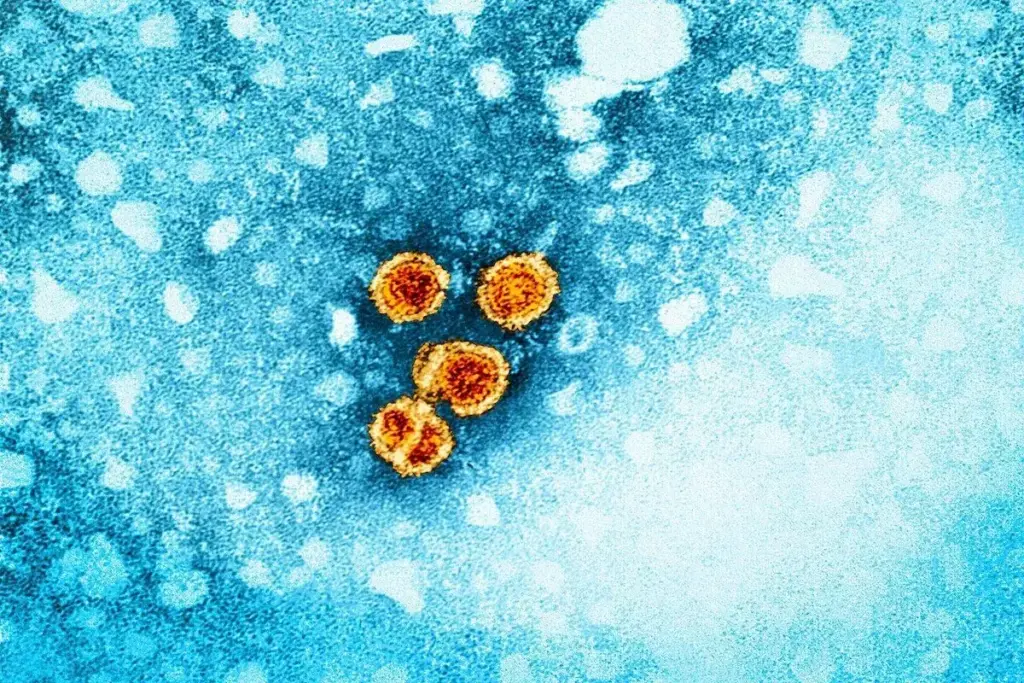
Research into hepatitis and genetics is ongoing. Some types have a stronger genetic link than others. We look into whether hepatitis is hereditary, focusing on different types and their causes.
Hepatitis A and E: Exclusively Acquired Infections
Hepatitis A and E spread mainly through contaminated food or water. The World Health Organization says Hepatitis A is a big cause of acute hepatitis worldwide. These types are not hereditary because they come from environmental exposure, not genes.
Hepatitis B and C: Vertical Transmission vs. True Genetic Inheritance
Hepatitis B and C can pass from mother to child at birth. This might seem like a genetic link. But, it’s important to note that it’s not genetic inheritance. Instead, it’s the virus passing from mother to child.
Studies show that genetic factors can affect how likely someone is to get hepatitis B and C. But, the main way these viruses spread is not through genes.
Genetic Mutations and Hepatitis B Viral Replication
Some genetic changes can affect how hepatitis B virus works and how the disease progresses. For example, certain genetic variations can influence the outcome of hepatitis B infection. Knowing this can help in making treatments more effective.
Autoimmune Hepatitis and Genetic Predisposition
Autoimmune hepatitis is when the body attacks liver cells. It has a mix of causes, including genetics. People with a family history of autoimmune diseases are more likely to get it. But, environmental factors also play a big role.
| Type of Hepatitis | Mode of Transmission | Genetic Influence |
| Hepatitis A | Fecal-oral route | No direct genetic influence |
| Hepatitis B | Vertical transmission, blood, and bodily fluids | Genetic mutations affect viral replication |
| Hepatitis C | Blood and bodily fluids | Genetic factors influence disease progression |
| Hepatitis E | Fecal-oral route | No direct genetic influence |
| Autoimmune Hepatitis | Autoimmune response | Genetic predisposition |
In conclusion, while some hepatitis types have a genetic link, it’s not hereditary in the usual sense. It’s important to understand how genes and environment work together. This helps in finding better ways to prevent and treat hepatitis.
Conclusion: The Interplay Between Genetics and Hepatitis
Hepatitis is mainly caused by infections, autoimmune disorders, or toxins. But, genetics also play a big role in how the disease progresses and how severe it is.
Is hepatitis a genetic disease? It’s not that simple. Hepatitis A and E are caught from others. But, hepatitis B and C can be passed from mother to child. This isn’t true genetic inheritance. Yet, some genetic changes can affect how hepatitis B virus works. Also, certain genes might make someone more likely to get autoimmune hepatitis.
Knowing how genetics and hepatitis work together is key. It helps doctors find the right treatment for each patient. This shows why getting a full medical check-up and care that fits you is so important.
To wrap it up, hepatitis isn’t just a genetic disease. But, genetics do add to its complexity. By understanding this, we can make treatments better and help patients more.
FAQ
Is hepatitis a hereditary disease?
Hepatitis is mostly not passed down through genes. But, genes can affect how severe it gets. Hepatitis A and E come from contaminated food and water. Hepatitis B and C can spread from parent to child, but it’s not genetic.
Can hepatitis be inherited?
Hepatitis B and C can pass from parent to child, but it’s not genetic. Hepatitis A and E are not passed down.
Is hepatitis B hereditary?
Hepatitis B isn’t passed down through genes. But, it can spread from parent to child during birth or close contact. Genes can also affect how the virus works.
Is hepatitis C inherited?
Hepatitis C isn’t passed down through genes. It spreads through infected blood and fluids, including from parent to child at birth.
Can genetic mutations affect hepatitis?
Yes, genetic changes can impact how hepatitis B works and how severe it is. Autoimmune hepatitis also has a genetic link.
What is the role of genetics in autoimmune hepatitis?
Autoimmune hepatitis has a genetic link. People with a family history of autoimmune diseases are more likely to get it.
How is hepatitis typically transmitted?
Hepatitis A and E spread through contaminated food and water. Hepatitis B and C spread through infected blood and fluids.
Is hepatitis a genetic condition?
Hepatitis isn’t a genetic condition. But, genes can influence its severity and progression.