
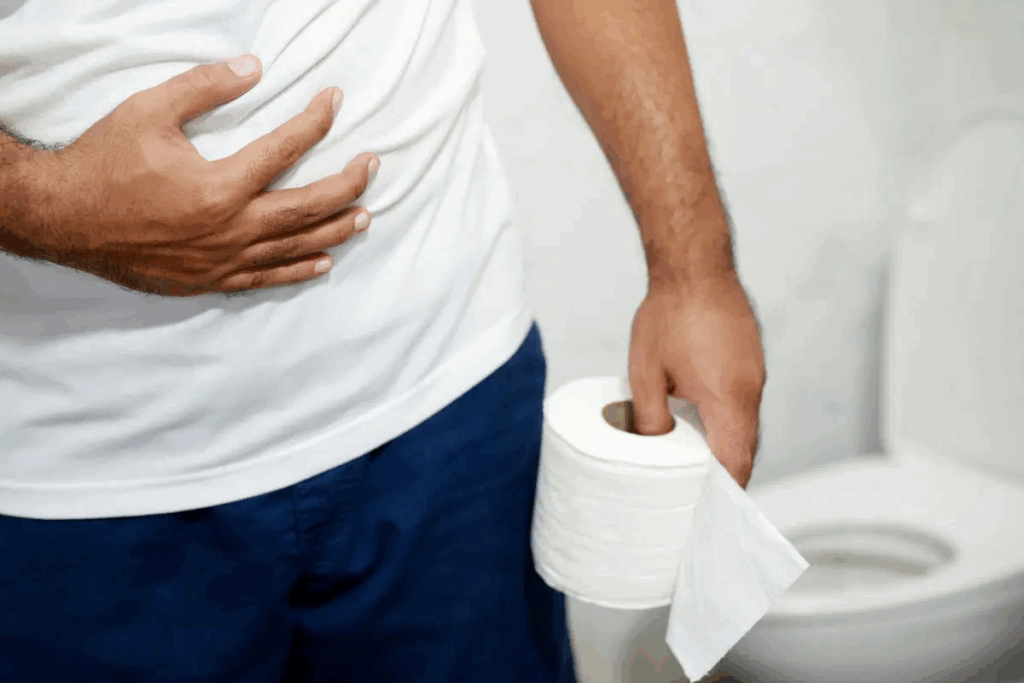
Feeling worried about diarrhea after surgery is normal. Studies show it happens a lot after operations. Many people don’t know that tummy troubles, like diarrhea, are common among those who have surgery.
Knowing why postoperative diarrhea happens and when to get help is key. Most changes in bowel movements after surgery are not a big deal and will get better as you heal. But, if you have diarrhea for over 24 hours or feel feverish, you should see a doctor. Clarifying why is it normal to have diarrhea after surgery (Anesthesia, Diet).
Key Takeaways
- Diarrhea after surgery is a common postoperative complication.
- Most cases of postoperative diarrhea are not serious and will resolve on their own.
- Seek medical care if diarrhea persists for more than 24 hours.
- Other symptoms like fever may require immediate medical attention.
- Understanding the causes and management of postoperative diarrhea is important for a smooth recovery.
Understanding Post-Surgical Diarrhea

Diarrhea after surgery can be scary, but knowing why it happens can ease your mind. It’s when you have loose, watery stools or need to go to the bathroom a lot. We’ll look into why it happens, how often, and how it affects you.
Definition and Clinical Significance
Diarrhea means having three or more loose stools a day. It happens after surgery. It’s important because it can lead to dehydration and imbalance of electrolytes. These can slow down your recovery and make you feel worse. It’s key to watch and manage diarrhea to avoid problems.
How Common Is Post-Operative Diarrhea
How often diarrhea happens after surgery depends on the type of surgery. Some surgeries, like those in the abdomen or colon, are more likely to cause it. Research shows that the rate varies a lot based on the surgery.
Impact on Recovery and Well-being
Diarrhea after surgery can really affect your recovery and how you feel. It can cause dehydration and electrolyte imbalances. These can make you tired, dizzy, and lead to other issues. Managing diarrhea well is important for a quick and easy recovery. We’ll talk about how to treat and manage it next.
Is It Normal to Have Diarrhea After Surgery?

Diarrhea after surgery can be worrying. But knowing why it happens and what it means is key. Diarrhea, or loose, watery stools, can be a big worry for those recovering from surgery.
We’ll look at how often diarrhea happens after different surgeries. We’ll also talk about how long symptoms last and when it’s just part of healing.
Frequency Across Different Surgery Types
Diarrhea after surgery is common and can vary by surgery type. For example:
- Gastric Surgery: Sleeve gastrectomy can change digestion and hormone levels, leading to diarrhea.
- Laparoscopic Surgery: These surgeries might cause less stomach upset, but diarrhea can happen.
- Hysterectomy: Diarrhea after this surgery is rare but can happen due to surgery or anesthesia effects.
- General Anesthesia: This can affect bowel movements, causing diarrhea in some.
Knowing how different surgeries affect the bowels can help manage recovery.
Expected Duration of Symptoms
How long diarrhea lasts after surgery varies. Generally:
- Acute Diarrhea: It usually lasts 1 to 2 days, due to surgery and anesthesia effects.
- Transient Diarrhea: It can last a few days to a week as the body adjusts.
- Prolonged Diarrhea: If it lasts over a week, it might mean a complication needs checking.
Watching how long and how bad diarrhea is is key to knowing what to do next.
When to Consider It a Normal Response
Diarrhea after surgery is normal if it’s mild, short-lived, and goes away in a few days. But, knowing when it might be serious is important. Look out for:
- Severe or bloody diarrhea
- Diarrhea that lasts longer than expected
- Other symptoms like fever, pain, or dehydration
If you see these signs, getting medical help is a good idea.
Types of Post-Surgical Diarrhea
It’s important to know the different types of diarrhea after surgery. This helps in finding the right treatment and understanding how it affects recovery.
Acute Diarrhea (1-2 Days)
Acute diarrhea lasts for one to two days after surgery. It can be caused by anesthesia, stress from surgery, or changes in diet and medicine. Usually, it gets better on its own with plenty of water and changes in what you eat.
Persistent Diarrhea (Several Days to Weeks)
Persistent diarrhea lasts longer, from days to weeks. It might mean there’s an infection, a bad reaction to medicine, or changes in how your gut moves. This type of diarrhea can cause dehydration and needs medical help, possibly with special medicines or antibiotics.
Chronic Diarrhea (More Than 4 Weeks)
Chronic diarrhea lasts over four weeks and can really affect your life. It might be due to long-term changes in your gut or not absorbing nutrients well. Treating it often means changing your diet, taking medicine, and sometimes more tests to find the cause.
Knowing the type of diarrhea helps doctors treat it better. Understanding how long it lasts and what it’s like is key to finding the right treatment and helping you get better.
Type of Diarrhea | Duration | Possible Causes | Management Approach |
Acute | 1-2 Days | Anesthesia, surgical stress, dietary changes | Hydration, dietary adjustments |
Persistent | Several Days to Weeks | Infection, medication reaction, gut motility changes | Medical evaluation, antidiarrheal medications, antibiotics |
Chronic | More Than 4 Weeks | Gut anatomy or function changes, malabsorption | Dietary modifications, medication, further diagnostic testing |
Common Causes of Diarrhea Following Surgery
It’s important to know why diarrhea happens after surgery. Several things can cause it, like anesthesia, pain meds, surgery itself, and how the gut moves.
Effects of Anesthesia on the Digestive System
Anesthesia can really mess with your gut. Can anesthesia cause diarrhea? Yes, it can. It changes how your gut works.
Some anesthetics can make food move too fast or slow in your gut. This can cause diarrhea.
Impact of Pain Medications and Opioids
Managing pain after surgery is key. But, pain meds, like opioids, can mess with your bowels. They can cause constipation or diarrhea by changing how your gut moves and secretes.
“The use of opioids for postoperative pain relief can lead to changes in bowel habits, including diarrhea, due to their effect on the gastrointestinal tract.”
Surgical Trauma and Altered Gut Motility
Surgery can change how your gut works. The body’s stress response can make your gut move differently, leading to diarrhea. This is more common in surgeries in the belly area.
- Surgical stress can affect gut function.
- Altered gut motility can lead to diarrhea.
- Abdominal surgeries are more likely to cause gastrointestinal disturbances.
Bacterial Overgrowth and Increased Bile Secretion
After surgery, your gut can change in ways that lead to diarrhea. Bacterial overgrowth happens when too many bacteria grow in your small intestine. This can cause malabsorption and diarrhea.
Also, if your bile moves too fast, it can cause diarrhea. Knowing about these issues helps manage diarrhea after surgery better.
Surgery-Specific Diarrhea Risks
Diarrhea after surgery is a common issue. It can happen for many reasons, depending on the surgery. Knowing these risks helps manage expectations and prevent problems.
Colorectal and Abdominal Surgeries
Surgeries in the colorectal area and the belly are more likely to cause diarrhea. This is because these surgeries touch the digestive tract.
Studies show that about 18.4 percent of people without a stoma get diarrhea after colorectal surgery. These surgeries can mess with how the bowel works, causing diarrhea.
Laparoscopic Procedures and Antireflux Surgery
Laparoscopic surgeries are less invasive but can also lead to diarrhea. Antireflux surgery, a laparoscopic procedure, causes diarrhea in about 18 percent of patients.
Even though laparoscopic surgery is less invasive, it can’t avoid all gastrointestinal problems. This includes diarrhea.
Appendectomy and Related Complications
Removing the appendix can also cause diarrhea. The appendix isn’t part of the main digestive tract. But removing it can sometimes change bowel habits.
Hysterectomy and Gynecological Procedures
Hysterectomy and other gynecological surgeries aren’t directly linked to the digestive tract. Yet, they can cause diarrhea. This is due to anesthesia and pain management after surgery.
Surgical Procedure | Incidence of Diarrhea |
Colorectal Surgery | 18.4% |
Laparoscopic Antireflux Surgery | 18% |
Appendectomy | Variable |
Hysterectomy | Less Common |
It’s important for patients to talk to their doctor about their risks before surgery. Knowing about the chance of diarrhea helps plan for recovery and reduce discomfort.
When Post-Surgical Diarrhea Becomes Concerning
It’s important to watch for diarrhea after surgery. Sometimes, it can mean a bigger issue. Knowing when it’s a problem is key.
Warning Signs That Require Medical Attention
If diarrhea lasts over 24 hours, get medical help. Also, watch for fever, belly pain, or unusual stool colors. These signs could mean an infection or other serious issues.
Key symptoms to watch for:
- Prolonged diarrhea
- Fever
- Abdominal pain
- Changes in stool color
- Signs of dehydration
Clostridium Difficile Infections After Surgery
Diarrhea after surgery can lead to Clostridium difficile (C. diff) infections. This is a big worry, as C. diff can cause severe diarrhea and pain. It can even be life-threatening.
Dehydration and Electrolyte Imbalances
Diarrhea can cause dehydration and electrolyte imbalances. Signs of dehydration include being very thirsty, dark urine, feeling dizzy, and tired. Electrolyte imbalances can cause muscle cramps, weakness, and heart problems.
Drink lots of fluids to stay hydrated. Talk to your doctor about managing diarrhea and preventing dehydration.
Impact on Surgical Wound Healing
Dehydration and electrolyte imbalances can hurt wound healing. Keeping well-hydrated is vital for recovery. Imbalances can cause healing to slow down or lead to infection.
By knowing the warning signs and acting quickly, patients can reduce risks. This helps ensure a smoother recovery from surgery.
Diagnosing the Cause of Post-Operative Diarrhea
To find out why someone has diarrhea after surgery, we need to look closely. We check if it’s from the surgery, the anesthesia, medicines, or an infection. This helps us understand what’s causing the problem.
Physical Examination and Patient History
We start by doing a full check-up and asking about the patient’s health. We look for signs of dehydration and check the belly for tenderness. Knowing about the surgery, medicines, and past health issues is key.
During the check-up, we look for signs like pain or muscle tension in the belly. This could mean an infection or blockage. The patient’s story helps us figure out when and how bad the diarrhea is.
Laboratory Tests and Stool Samples
Lab tests are very important in finding out why someone has diarrhea after surgery. We test stool samples for infections like bacteria, viruses, or parasites. A stool culture can find specific germs, like Clostridium difficile, which often causes diarrhea in hospitals.
We also do blood tests to see if there’s an infection, inflammation, or if the body’s balance is off. These tests help us understand how the diarrhea is affecting the patient and guide treatment.
Imaging and Additional Diagnostic Procedures
Sometimes, we need to use imaging to look at the belly for any problems. This might include X-rays, CT scans, or looking inside the bowel with an endoscope.
We might also do more tests to find other reasons for diarrhea or to see how the surgery affected the belly. These tests help us make a plan to fix the problem.
By using what we learn from the check-up, history, lab tests, and imaging, we can find the cause of post-operative diarrhea. Then, we can start the right treatment.
Treatment Options for Diarrhea After Surgery
Understanding how to treat diarrhea after surgery is key to better recovery. Diarrhea after surgery can cause dehydration and electrolyte imbalances. It can also lead to longer hospital stays if not treated right.
Over-the-Counter Remedies and Antidiarrheals
Over-the-counter (OTC) antidiarrheal meds are often the first choice for post-surgical diarrhea. These meds, like loperamide, slow down bowel movements and cut down on diarrhea. Always talk to a healthcare provider before starting any medication to make sure it’s right for you.
Prescription Medications and Antibiotics
If diarrhea is from a bacterial infection, antibiotics might be needed. Finding out why you have diarrhea is key to picking the best treatment. We’ll work with you to find a treatment plan that fixes the problem.
Dietary Adjustments and Hydration Strategies
Changing your diet is important for managing diarrhea after surgery. Drinking lots of fluids helps replace lost electrolytes and prevents dehydration. Try to avoid spicy or fatty foods and stick to a bland diet that’s easy to digest.
Probiotics and Gut Flora Restoration
Probiotics are good bacteria that help balance your gut after surgery. Adding probiotics to your diet through foods like yogurt or supplements can help your digestive system heal. We can help find the best probiotic plan for you.
By looking into these treatment options, we can work together to manage post-operative diarrhea. This will help support your recovery.
Recovery Timeline and Expectations
After surgery, you might notice changes in your bowel habits. The time it takes for these changes to go back to normal can vary. But usually, it takes a few weeks for bowel habits to return to normal.
First Week After Surgery
The first week is key. You might see changes in bowel movements due to anesthesia, pain medications, and the surgery. It’s common to feel constipated or have diarrhea during this time.
Most changes in stool after surgery are not serious. They will get better as you recover. Verywell says most people see their bowel habits get back to normal once they start eating and moving around like usual.
Transitioning Back to Normal Diet
When you start eating normally again, your bowel habits should get back to normal. It’s good to slowly add different foods to your diet. Adding probiotics and foods high in fiber can help your gut health.
Dietary Adjustment | Benefit |
Gradual introduction of foods | Helps digestive system adjust |
Incorporating probiotics | Aids in restoring healthy gut flora |
Consuming fiber-rich foods | Supports healthy bowel movements |
Long-term Digestive Changes After Certain Surgeries
Some surgeries, like those in the gastrointestinal tract, can lead to long-term digestive changes. People who have colorectal surgery or gastric bypass surgery might see lasting changes in their bowel habits. Knowing this can help you prepare and adjust to your new digestive health.
Understanding the recovery timeline and what to expect with bowel movements after surgery helps you manage your care better. It also helps you make changes to support your health and well-being.
Conclusion: Managing Your Recovery
Knowing why diarrhea happens after surgery helps patients feel better and avoid problems. It’s key to manage postoperative diarrhea well. This means understanding why it happens, knowing when it’s a big deal, and what treatments are out there.
Being informed and taking action early can make recovery easier. It helps lower the chance of serious issues and ensures the best results. We stress how important it is to handle diarrhea after surgery to have a smooth recovery.
Good postoperative care is more than just treating symptoms. It’s about fixing the root causes of diarrhea after surgery. This approach helps prevent dehydration, electrolyte imbalances, and other issues that can harm your health.
FAQ
Is diarrhea after surgery a normal response?
Diarrhea after surgery can be normal in some cases. It depends on the surgery type and the patient. But, if it lasts or is very bad, you should see a doctor.
Can anesthesia cause diarrhea?
Yes, anesthesia can mess with how your gut moves. This might lead to diarrhea after surgery.
How common is diarrhea after surgery?
Diarrhea after surgery happens more often in some surgeries. For example, it’s more common in colorectal and abdominal surgeries.
What are the causes of diarrhea after surgery?
Diarrhea after surgery can come from many things. Anesthesia, pain meds, surgery damage, too many bacteria, and changes in bile can all play a part.
How is post-surgical diarrhea diagnosed?
Doctors use a few ways to figure out why you have diarrhea after surgery. They look at your symptoms, medical history, and might do tests like lab work or stool samples.
What are the treatment options for diarrhea after surgery?
Treatment for diarrhea after surgery depends on why you have it. You might take over-the-counter or prescription meds, change your diet, or use probiotics to help your gut.
When should I seek medical attention for diarrhea after surgery?
If your diarrhea lasts a long time, you’re very dehydrated, have a fever, or if your stool looks different, get help right away. These signs could mean something serious is going on.
Can certain surgeries lead to long-term changes in digestive function?
Yes, some surgeries like gastric sleeve or colorectal surgery can change how your digestive system works. This might affect your bowel habits for a long time.
How can I manage diarrhea after surgery?
To handle diarrhea after surgery, understand why it happens, know when it’s a problem, and explore treatment options. Staying hydrated and avoiding certain foods can help.
Will my bowel habits return to normal after surgery?
Usually, bowel habits get back to normal a few weeks after surgery. But, how long it takes can vary from person to person.
Can laparoscopic procedures cause diarrhea?
Yes, even though laparoscopic procedures are less invasive, they can cause diarrhea. This is more common in surgeries like antireflux surgery.
Is Clostridium difficile infection a risk after surgery?
Yes, Clostridium difficile infections are a big worry after surgery. This is true, even more so for people who have taken antibiotics.
References
- Ohta, H., et al. (2022). Predictors and clinical impact of postoperative diarrhea: A study showing 18.4% incidence after colorectal surgery and clinical management including negative C. difficile toxin results for most. https://d-nb.info/1258648903/34



 Departments
 Related Videos
 Our Doctors
 News
News