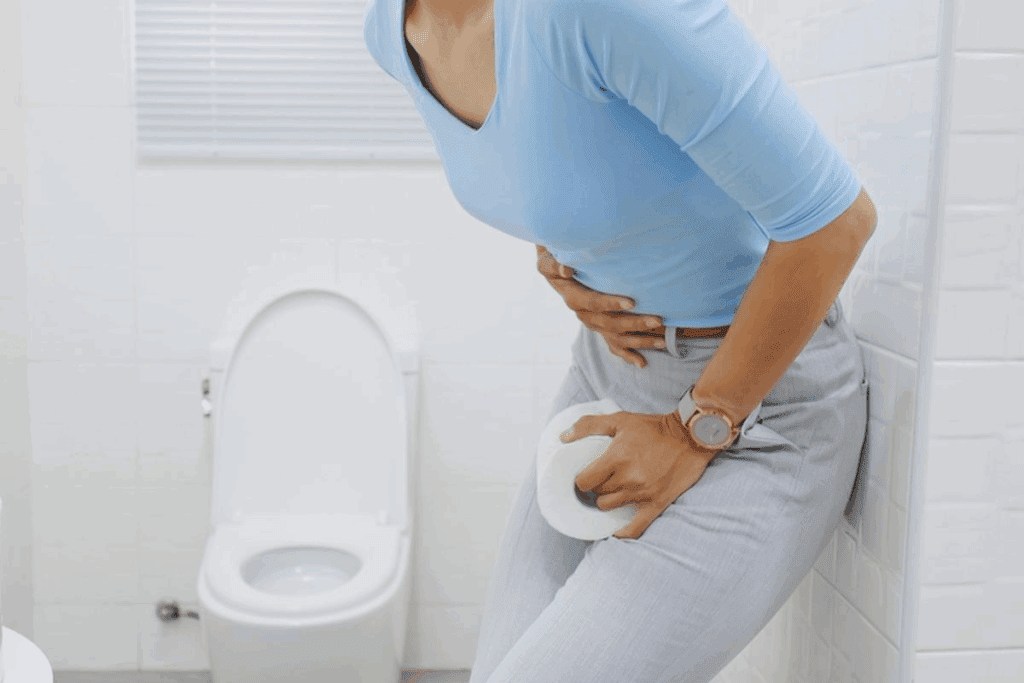
Many people wonder if it’s safe to take stool softeners every day. They often find different answers online. Research shows that taking stool softeners like docusate daily is likely safe. But, doctors usually suggest using them for a short time.
We’ll look into the safety of daily stool softener use. We’ll talk about how they work and their side effects. Stool softeners make stool softer by pulling in moisture and fats.
It’s important to know the difference between stool softeners and laxatives. This helps ensure safe use.
Key Takeaways
- Daily use of stool softeners is generally considered safe.
- Stool softeners work by drawing moisture into the stool.
- Medical supervision is recommended for long-term use.
- Stool softeners are different from stimulant laxatives.
- Consulting a healthcare provider is essential before starting daily stool softener use.
Understanding Stool Softeners: What They Are and How They Work

Stool softeners, also known as emollient laxatives, make bowel movements easier. They change the stool’s consistency. They are a common choice for those with constipation. We will look at what stool softeners are, their types, and how they help with constipation.
Definition and Common Types of Stool Softeners
Stool softeners make stool softer and easier to pass by adding water. Docusate sodium is the most used stool softener. It comes in tablets, capsules, and liquids. Docusate sodium increases water and fat in the stool, making it less painful to pass.
Other stool softeners include docusate calcium and docusate potassium. They work like docusate sodium. The choice depends on what the patient needs and likes.
Type of Stool Softener | Active Ingredient | Common Forms |
Docusate Sodium | Sodium salt | Tablets, capsules, liquids |
Docusate Calcium | Calcium salt | Capsules, tablets |
Docusate Potassium | Potassium salt | Capsules |
Mechanism of Action: How Stool Softeners Function
Stool softeners work by drawing moisture and fats into the stool. This makes it softer and easier to pass. This is key for those with constipation, as it reduces strain during bowel movements. Doctors say their effectiveness comes from increasing water in the stool, making it less painful.
“Stool softeners are useful for patients who should avoid straining during bowel movements, such as those with certain cardiovascular conditions.”
Knowing how stool softeners work and their types helps people make better choices. It’s important to follow the recommended dosage and talk to a healthcare provider, even for daily use.
Is It OK to Take Stool Softeners Daily?

For those with ongoing bowel problems, the safety of daily stool softener use is a big worry. Stool softeners help with constipation but using them every day needs careful thought. It’s important to look at their safety and what doctors say about using them regularly.
General Safety Profile for Daily Use
Stool softeners, like those with docusate, are usually safe to take daily if you follow the instructions. The main ingredient helps the stool absorb more water, making it softer and easier to pass. But, it’s key to stick to the right dose to avoid side effects.
Stool softeners are safe for short-term use, but their long-term effects are not as well-studied. Doctors usually suggest using them for no more than a week unless they tell you to use them longer.
Medical Consensus on Regular Usage
Doctors say stool softeners can be okay to use daily, but only with a doctor’s okay. It’s important to keep an eye on how they’re working and any risks of long-term use.
Doctors often suggest stool softeners for people with certain health issues or those on medications that can cause constipation. In these cases, the benefits of daily use might be worth it, as long as a doctor is watching closely.
- Follow the recommended dosage to avoid side effects.
- See a doctor before taking stool softeners daily for a long time.
- Check if you really need to keep using stool softeners.
Knowing the safety and following doctor’s advice helps people make smart choices about using stool softeners.
Stool Softeners vs. Other Laxatives: Important Distinctions
It’s key to know the differences between stool softeners and other laxatives when dealing with constipation. Both aim to ease constipation but work differently and have different risks.
Comparing Stool Softeners to Stimulant Laxatives
Stool softeners and stimulant laxatives are two main types for constipation relief. Stool softeners, like docusate, make stool softer by adding water. Stimulant laxatives, such as bisacodyl (Dulcolax), push stool through by stimulating muscles.
Key differences include:
- Stool softeners are gentler and less likely to cause dependency.
- Stimulant laxatives are more effective for severe constipation but risk dependency and electrolyte imbalances with overuse.
Understanding Docusate vs. Bisacodyl (Dulcolax)
Docusate and bisacodyl are two laxatives with different actions. Docusate softens stool and is good for preventing constipation. Bisacodyl is for quick relief of constipation.
Characteristics | Docusate (Stool Softener) | Bisacodyl (Stimulant Laxative) |
Mechanism of Action | Increases water absorption in stool | Stimulates intestinal muscles |
Dependency Risk | Lower risk | Higher risk with prolonged use |
Typical Use | Prevention of constipation, for those who shouldn’t strain | Short-term relief of constipation |
Dependency Risks: Why Stool Softeners Differ
Stool softeners don’t have the same dependency risks as stimulant laxatives. They soften stool, not stimulate it. So, they’re safer for daily use, great for long-term constipation management.
Always talk to a healthcare professional to find the right laxative for you. They’ll consider your constipation cause, medical history, and medication interactions.
Short-Term vs. Long-Term Use: What Research Shows
Using stool softeners safely means knowing about short-term and long-term effects. These medicines are usually okay for occasional use. But, using them for a long time can cause problems. We need to look at how long it’s safe to use stool softeners and what research says about long-term effects.
Recommended Duration for Stool Softener Use
Doctors usually say to use stool softeners for a short time, not more than a week. They think these medicines help with constipation without fixing the real cause. For a short time, they are safe and work well.
Key Considerations for Short-Term Use:
- Relieves constipation without causing dependency
- Effective for temporary bowel irregularity
- Should be used under medical guidance for prolonged periods
Gaps in Research on Long-Term Effects
There’s not much research on the long-term effects of stool softeners. Short-term studies show they are mostly safe. But, there’s a big gap in research for long-term use.
Current Research Highlights:
- Lack of long-term studies
- Potential risks include electrolyte imbalances and dependency
- Need for more research on safe long-term use
To understand the research better, let’s look at what’s available on stool softener use:
Study Duration | Key Findings | Limitations |
Short-term (1 week) | Effective in relieving constipation | Limited to short-term effects |
Medium-term (1 month) | Some studies show continued efficacy | Variable patient responses |
Long-term (beyond 1 month) | Limited data available | Potential for unknown side effects |
In conclusion, stool softeners are mostly safe for short-term use. But, the lack of research on long-term effects means we should be careful. Always talk to your doctor before using them for a long time.
Potential Side Effects of Daily Stool Softener Use
Daily use of stool softeners can be helpful, but knowing the side effects is key. They are usually safe, but long-term use can cause problems.
Common Side Effects to Expect
When you use stool softeners every day, you might feel mild stomach cramps, nausea, and bloating. These symptoms are usually not serious and don’t last long. But, they can be annoying.
Some people might also get:
- Mild diarrhea
- Stomach discomfort
- Bloating or gas
Rare but Serious Complications
Even though rare, serious issues can happen with daily stool softener use. These include:
- Electrolyte imbalances
- Rectal bleeding
- Severe abdominal pain
It’s important to watch how your body reacts to stool softeners. If you have severe or ongoing symptoms, get medical help right away.
When Side Effects Warrant Medical Attention
If you have any of these symptoms, get help fast:
- Severe abdominal pain or cramping
- Vomiting or bloody stools
- Dizziness or fainting
Talk to your doctor if you’re worried about side effects or if they don’t go away.
Side Effect | Severity | Action |
Mild stomach cramping | Mild | Monitor symptoms |
Nausea | Mild | Adjust dosage or consult doctor |
Electrolyte imbalance | Serious | Seek medical attention |
Rectal bleeding | Serious | Seek immediate medical attention |
Who Should Consider Daily Stool Softeners?
Some medical conditions may need regular stool softeners. It’s important to know who can safely use them every day. Daily use is helpful for people with certain health issues that affect their bowel movements.
Medical Conditions That May Benefit from Regular Use
People with chronic constipation often find relief with daily stool softeners. This condition makes bowel movements hard or infrequent. Stool softeners can help manage it well. Other conditions that may benefit from regular use include:
- Hemorrhoids: Stool softeners can help reduce straining during bowel movements, which is beneficial for individuals with hemorrhoids.
- Anal fissures: By making stools softer, these medications can help prevent further irritation and promote healing.
- Post-surgical recovery: Patients recovering from certain surgeries, like those involving the rectum or anus, may be advised to use stool softeners to avoid straining.
- Cardiovascular conditions: For individuals with heart conditions, avoiding straining during bowel movements can be critical, making stool softeners a potentially useful option.
Demographic Considerations: Age, Pregnancy, and Chronic Illness
Different groups have unique needs for daily stool softeners. Pregnant women often get constipated due to hormonal changes and the growing uterus. Stool softeners can be safe during pregnancy, but only with a doctor’s guidance.
For older adults, daily use might be right, mainly if they have chronic illnesses or take medications that cause constipation. It’s key to watch their bowel health and adjust treatment as needed.
People with chronic illnesses like diabetes, neurological disorders, or those undergoing treatments that affect bowel movements may also benefit. It’s vital for them to work closely with their healthcare providers to find the best solution for their needs.
Understanding which medical conditions and demographic factors benefit from daily stool softeners helps individuals make informed decisions about their bowel health. They should do this under the guidance of healthcare professionals.
Who Should Avoid Daily Stool Softeners?
Stool softeners can help with constipation, but some people should be careful or avoid them. They are usually safe for most people. But, there are times when they might not be good to use.
Contraindications and Warning Signs
People with certain health issues should think twice about using stool softeners. If you have nausea, vomiting, or stomach pain, talk to your doctor first. Also, those with bowel obstruction or recent surgery should not use them without a doctor’s okay.
Other signs to watch out for include:
- Severe abdominal pain
- Rectal bleeding
- A sudden change in bowel habits that lasts more than two weeks
If you see these symptoms, get medical help right away. It’s important to check for other health issues that might need different treatment.
Interactions with Other Medications
Stool softeners can also react with other medicines. This can cause bad side effects. For example, they might not work well with:
Medication | Potential Interaction |
Antacids | May increase the risk of mineral imbalance |
Warfarin | May increase the risk of bleeding |
Certain antibiotics | May decrease the effectiveness of the antibiotic |
Tell your doctor about all medicines you’re taking. This includes over-the-counter drugs and supplements. This helps avoid bad reactions.
Knowing who should not use stool softeners helps protect your health. Always talk to a doctor before starting any new medicine, including stool softeners.
Concerns About Dependency and Tolerance
It’s important to know the risks of dependency on stool softeners for safe use. These medications are often used for constipation. But, using them for a long time can make the body rely too much on them.
Can Your Body Become Dependent on Stool Softeners?
Stool softeners add water to stool, making it easier to pass. They are less likely to cause dependency than other laxatives. But, the body can adjust to their use over time.
Even though stool softeners are less likely to cause dependency, long-term use can be risky. Some people might find their bowel habits depend on these medications. This could lead to a form of dependency.
Strategies to Prevent Reliance on Laxatives
To avoid dependency, several strategies can help:
- Dietary Changes: Eating more fiber from fruits, vegetables, and whole grains can help with bowel movements.
- Hydration: Drinking enough water is key for soft stools and preventing constipation.
- Physical Activity: Regular exercise can help stimulate bowel movements and improve digestive health.
- Bowel Retraining: Creating a consistent bowel routine can help the bowel function naturally.
By making these changes, people can reduce their need for stool softeners and improve their digestive health. It’s also important to follow the recommended dosage and talk to a healthcare provider if you have concerns about dependency or tolerance.
Preventing reliance on laxatives needs a mix of lifestyle changes and medical advice. Understanding the risks and taking steps can help keep bowel habits healthy without needing too much medication.
Best Practices for Safe Daily Use
Using stool softeners daily requires following best practices. This ensures they work well and are safe. We’ll share key guidelines for safe and effective use.
Proper Dosing Guidelines
It’s important to follow the recommended dosing for stool softeners. Adults usually take 50 to 240 mg of docusate daily. This can be once or split into several doses. The exact amount depends on the product and your needs.
- Always read the label carefully and follow the instructions provided.
- Consult a healthcare professional if you’re unsure about the correct dosage.
- Do not exceed the recommended dose without medical supervision.
A study in the Journal of Clinical Gastroenterology stresses the importance of sticking to the recommended doses. This helps avoid harmful side effects.
“The safety profile of stool softeners is generally favorable when used as directed.”
Timing and Administration Tips
When and how you take stool softeners affects their effectiveness. It’s best to take them with a full glass of water. This helps the medication work better.
Administration Tip | Benefit |
Take with a full glass of water | Enhances the effectiveness of the medication |
Take at the same time daily | Helps establish a routine and improves consistency |
Avoid taking before bedtime | Reduces the risk of gastrointestinal discomfort during the night |
Monitoring Your Body’s Response
It’s important to watch how your body reacts to stool softeners. Notice any changes in bowel movements. If you have concerns or side effects, tell your healthcare provider.
Key indicators to monitor include:
- Changes in stool consistency or frequency
- Presence of abdominal pain or cramping
- Any signs of allergic reactions, such as rash or itching
By following these best practices, you can safely use stool softeners daily. Always talk to a healthcare professional for advice tailored to you.
Natural Alternatives to Daily Stool Softeners
Natural ways to manage constipation are gaining attention. They offer a chance to avoid daily medication. By making lifestyle changes, people can reduce their need for stool softeners and keep their bowels healthy.
Dietary Changes for Improved Bowel Function
Changing what you eat is key to managing constipation. Increasing fiber intake helps a lot. Foods like fruits, veggies, whole grains, and legumes are full of fiber. Start adding more fiber slowly to let your gut adjust.
Eating a balanced diet with whole foods helps your bowels stay regular. Avoid processed and high-fat foods, as they can make constipation worse.
Fiber Supplements and Hydration Strategies
If you can’t get enough fiber from food, fiber supplements can help. Psyllium husk and methylcellulose are good options. They make stool softer and help with regular bowel movements.
Drinking enough water is also key for soft stools. Aim to drink at least eight glasses of water a day. This helps fiber move through your system.
Hydration Level | Daily Water Intake | Effect on Bowel Movement |
Inadequate | Less than 4 glasses | Constipation likely |
Adequate | 8 glasses | Regular bowel movements |
High | More than 10 glasses | Potential for diarrhea |
Physical Activity and Bowel Retraining
Regular physical activity boosts bowel movements and digestive health. Try to do at least 30 minutes of moderate exercise daily.
Bowel retraining means setting a regular bowel routine. Try to go at the same time each day, like after meals or when you wake up.
Probiotics and Gut Health Approaches
Probiotics are good bacteria for a healthy gut. You can find them in foods like yogurt, kefir, and sauerkraut, or take them as supplements. Studies show they can help with bowel movements and gut health.
Using these natural methods can help you use less stool softeners. It’s important to talk to a healthcare professional before making big changes to your diet or supplements.
Conclusion: Balancing Benefits and Risks of Daily Stool Softener Use
Daily use of stool softeners can be safe if done right and with a doctor’s watch. It’s key to find the right balance between the good and bad sides of using them every day.
We’ve talked about how important it is to know about stool softeners. We’ve looked at how they work and the possible side effects of using them daily. This helps people make smart choices about their bowel health.
Having a doctor’s help is very important. It helps avoid getting too used to them and makes sure they work well. By following the right dosage and watching how your body reacts, you can keep your bowels healthy.
In short, using stool softeners every day needs careful thought about their pros and cons. By using them wisely and with a doctor’s advice, you can keep your bowels healthy and feel your best.
FAQ:
Can I take stool softeners every day?
Taking stool softeners daily is generally safe. But, it’s best to do it under a doctor’s watch. This helps avoid risks and side effects.
Is it okay to take stool softener every day?
Daily use of stool softeners can be safe. Just make sure to follow the doctor’s advice and watch how your body reacts.
Are stool softeners safe for daily use?
Stool softeners, like docusate sodium, are usually safe for daily use. But, long-term use needs careful thought and a doctor’s check-up.
What stool softener is safe to take daily?
Docusate sodium is a safe choice for daily use when used as directed. Always talk to a healthcare provider before starting.
Can you take a stool softener every day?
Yes, but it’s important to follow the right dosage. Also, talk to a healthcare provider to ensure it’s safe and effective.
Is it bad to take Dulcolax every day?
No, but Dulcolax (bisacodyl) shouldn’t be used daily. It can cause dependency and other issues. Docusate sodium is safer for regular use.
How long can you safely take stool softeners?
The safe time for using stool softeners varies. Usually, they’re for short-term relief. Long-term use should be monitored by a doctor.
What are the possible side effects of daily stool softener use?
Side effects can include stomach cramps, diarrhea, and an imbalance of electrolytes. Rare but serious problems can also happen. Seek medical help if you experience severe side effects.
Can your body become dependent on stool softeners?
Stool softeners are less likely to cause dependency than stimulant laxatives. But, long-term use can lead to reliance. Changing your diet and bowel training can help prevent this.
Are there natural alternatives to daily stool softeners?
Yes, natural options include changing your diet, using fiber supplements, staying hydrated, exercising, and taking probiotics. These can help your bowel function and reduce the need for stool softeners.
References:
National Center for Biotechnology Information. Evidence-Based Medical Guidance. Retrieved from https://www.ncbi.nlm.nih.gov/pmc/articles/PMC8191753/