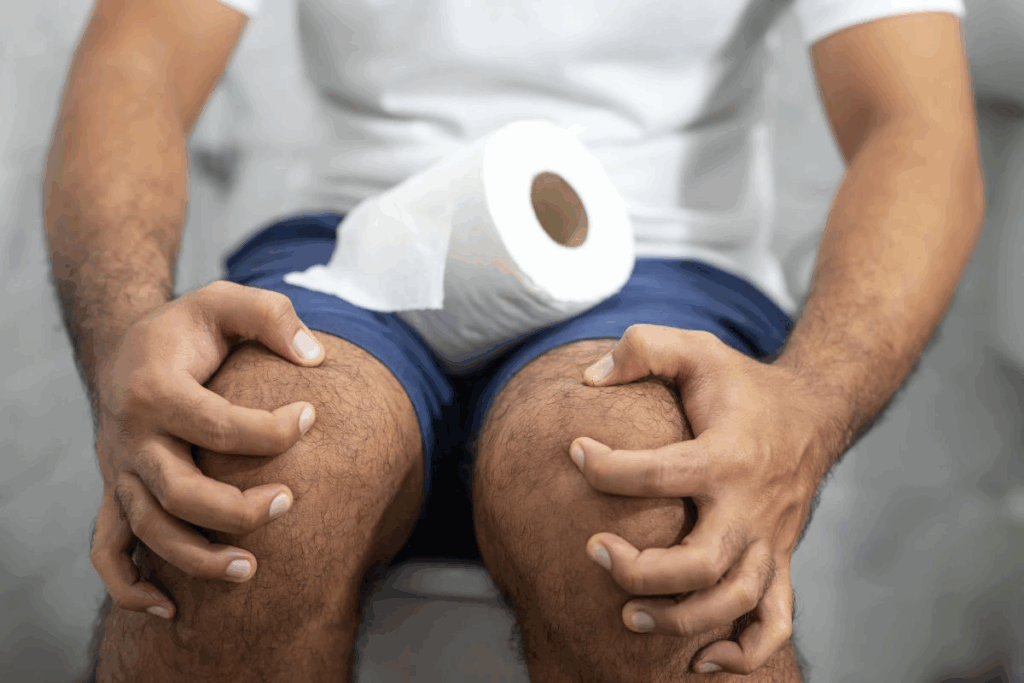
Many people face constipation and question the safety of daily stool softener use. At Liv Hospital, we focus on giving you the facts to make smart choices about your digestive health.
Stool softeners, such as docusate sodium, are generally considered safe medications by most healthcare providers. Studies show that long-term use of stool softeners is not as risky as other laxatives, like stimulant laxatives.
Docusate sodium helps with occasional constipation and works in 12 to 72 hours. We’ll look into the safety of stool softeners and if they’re okay for daily use.
Key Takeaways
- Stool softeners like docusate sodium are considered safe for long-term use.
- They are less likely to cause dependency compared to stimulant laxatives.
- Docusate sodium helps relieve occasional constipation.
- Regular use of stool softeners does not pose significant health risks.
- It’s essential to follow healthcare provider guidance for daily use.
What Are Stool Softeners and How Do They Work?

Stool softeners are medications that make bowel movements easier. They increase water and fat in the stool. This helps people with constipation not have to strain as much.
Definition and Purpose of Stool Softeners
Stool softeners, or emollient laxatives, help with constipation. They make stool softer and easier to pass. This is great for those who have trouble with bowel movements and should avoid straining.
Mechanism of Action: Increasing Water and Fat Absorption
Stool softeners work by making stool softer. They do this by letting more water and fat into the stool. This is thanks to ingredients like docusate sodium.
By doing this, stool softeners make bowel movements easier. They also lower the chance of straining and discomfort from constipation.
Different Types of Stool Softeners Available
Stool softeners come in many forms, like tablets, capsules, solutions, syrups, and suspensions. Docusate sodium is often used in these. This variety lets people pick what works best for them.
- Tablets and capsules are easy for those who like oral meds.
- Solutions, syrups, and suspensions are good for those who can’t swallow pills.
Choosing a stool softener? Talk to a healthcare professional. They can help pick the right one and how much to take.
Is It Safe to Take a Stool Softener Every Day?

Looking into daily stool softener use, safety and risks are key. Stool softeners help with constipation but long-term use raises questions.
Current Medical Research on Daily Use
There’s not much research on daily stool softener use. But, most people likely won’t face harm. Always stick to the recommended dose and talk to a doctor for long-term use.
Before starting docusate sodium, tell your doctor about allergies, other health issues, or meds. This helps avoid bad reactions or interactions.
Safety Profile Compared to Other Laxatives
Stool softeners are safer than stimulant laxatives. They make stool softer by adding water and fat, not by pushing it out.
Type of Laxative | Mechanism of Action | Safety Profile |
Stool Softeners | Increase water and fat absorption | Generally safe for daily use |
Stimulant Laxatives | Stimulate bowel movements | May cause dependency with long-term use |
Osmotic Laxatives | Draw water into the bowel | Can cause electrolyte imbalances |
Potential Risks of Long-Term Daily Use
Stool softeners are mostly safe, but long-term use can lead to risks. One risk is becoming dependent on them for bowel movements. It’s important to watch your bowel habits and adjust treatment as needed.
Key considerations for long-term use include:
- Regularly reviewing and adjusting the dosage
- Monitoring for signs of dependency or side effects
- Exploring alternative methods for managing constipation
Knowing these points helps use stool softeners safely in managing constipation.
Docusate Sodium: The Safest Option for Regular Use
Docusate sodium is seen as the safest daily stool softener. We’ll look into why it’s preferred, its correct dosage, and how long it’s safe to use.
Safety Profile of Docusate Sodium
Docusate sodium is safe for adults and kids 12 and up. It makes stool softer by adding water and fat. This gentle method reduces the risk of side effects seen with other laxatives.
Key reasons for its safety profile include:
- Gentle mechanism of action
- Low risk of dependency
- Fewer side effects compared to stimulant laxatives
Recommended Dosage for Adults
Adults should take 5 to 20 milliliters (mL) or 1 to 4 teaspoonfuls daily. Sticking to this dose ensures safe and effective use.
Important considerations:
- Always consult a healthcare provider before starting any new medication, including docusate sodium.
- Follow the instructions provided with the medication or as directed by your healthcare provider.
Maximum Duration for Safe Use
Docusate sodium is safe for daily use up to a week for those 12 and older. If constipation lasts longer, see a healthcare provider for advice.
Guidelines for safe use:
Age Group | Recommended Duration |
12 years and older | Up to 1 week |
Under 12 years | Consult a healthcare provider |
By following these guidelines and using docusate sodium as directed, individuals can safely manage constipation with a daily stool softener.
Potential Side Effects of Daily Stool Softener Use
Daily use of stool softeners can lead to side effects. These can range from mild discomfort to serious health issues. While these medications are safe when used correctly, long-term use can cause problems for some people.
Common Mild Side Effects
Common mild side effects include stomach pain, nausea, diarrhea, and bloating. These symptoms are usually mild and may go away on their own. Or, they might get better with a change in dosage or how you take it.
Some people might also experience:
- Stomach cramps or discomfort
- Nausea or vomiting
- Diarrhea
- Bloating or gas
Less Common but More Serious Adverse Reactions
While rare, serious side effects can happen with daily stool softener use. It’s important to know about these risks and get medical help if they happen.
Severe side effects include:
- Rectal bleeding
- Severe abdominal pain
- Failure to have a bowel movement
“Patients should stop using docusate sodium and contact their healthcare provider if they experience rectal bleeding or fail to have a bowel movement.”
How to Minimize Side Effects
To reduce the risk of side effects when taking stool softeners daily, follow these tips:
Minimization Strategy | Description |
Follow recommended dosage | Stick to the recommended dosage to avoid too much medication |
Stay hydrated | Drink lots of water to prevent dehydration and constipation |
Monitor bowel movements | Track your bowel movements to notice any changes or problems |
Consult healthcare provider | Regularly talk to your healthcare provider to see if you need to keep using it |
By knowing the possible side effects and taking steps to avoid them, you can safely use stool softeners. This helps manage constipation effectively.
When Daily Stool Softener Use May Be Appropriate
Some health conditions might need daily stool softeners. They are usually for short-term use. But, there are times when doctors say it’s okay to take them every day.
Medical Conditions That May Warrant Regular Use
People with long-term constipation might need stool softeners every day. This includes those with hypothyroidism, diabetes, or neurological issues. Also, those with Parkinson’s disease or multiple sclerosis might need them to feel better.
Post-Surgical Recovery Considerations
After some surgeries, like those in the gut or pelvic area, stool softeners are often needed. This is to avoid straining when you go to the bathroom. It’s very important after surgeries like hemorrhoid removal or fixing an anal fissure.
Medication-Induced Constipation Management
Some medicines, like opioids, antidepressants, and iron, can make you constipated. Daily stool softeners can help with this. For example, people on opioids for a long time might need them to keep their bowels regular.
The following table summarizes the scenarios where daily stool softener use may be appropriate:
Condition | Rationale for Daily Stool Softener Use |
Chronic Constipation due to Medical Conditions | To manage constipation associated with conditions like hypothyroidism or diabetes. |
Post-Surgical Recovery | To prevent straining during bowel movements after certain surgeries. |
Medication-Induced Constipation | To counteract the constipating effects of certain medications like opioids. |
Always talk to a doctor before taking stool softeners for a long time. They can help make sure it’s right for you and watch for any side effects.
Healthier Alternatives to Daily Stool Softeners
Stool softeners can offer quick relief, but it’s important to look for healthier options for long-term digestive health. We’ll explore several alternatives that can help manage constipation without daily stool softeners.
Dietary Changes to Improve Bowel Regularity
Diet is key to good bowel health. Eating more fiber can make a big difference. Foods high in fiber include fruits, veggies, whole grains, and legumes.
Eating a high-fiber diet softens stool and helps with regular bowel movements. This reduces the need for stool softeners. Start by slowly adding more fiber to your diet to help your gut adjust.
Hydration and Exercise for Natural Constipation Relief
Drinking enough water is vital to prevent constipation. Water helps dissolve nutrients and fiber, making them easier for your body to use. It also softens stool, making it easier to pass.
Regular exercise is also important. It can help stimulate bowel movements and improve digestive health. Even simple activities like walking can be beneficial.
Fiber Supplements vs. Stool Softeners
Fiber supplements can be a good alternative to stool softeners. They add bulk to stool and help with regular bowel movements. But, it’s important to choose the right supplement and talk to a healthcare provider.
Supplement Type | Benefits | Precautions |
Psyllium Husk | Natural, gentle, and effective | May cause gas or bloating initially |
Methylcellulose | Less likely to cause gas or bloating | May not be as effective for some users |
Polycarbophil | Can be taken with less water | May interact with certain medications |
Natural Remedies Worth Considering
There are many natural remedies for constipation. Probiotics can help balance your gut microbiome. Herbal teas like peppermint or chamomile can soothe your digestive system.
Prunes or prune juice have a natural laxative effect. Flaxseed is rich in omega-3 fatty acids and fiber, making it a great option too.
Special Considerations for Different Populations
Different groups, like pregnant women, the elderly, and children, need special care with stool softeners. These medications work differently for each group. This means we need to use them carefully and thoughtfully.
Safety During Pregnancy and Breastfeeding
Stool softeners during pregnancy and breastfeeding are a big concern. Docusate sodium is usually safe, but we don’t know much about its effects on babies. Women who are pregnant or breastfeeding should talk to their doctor before taking any stool softener.
Doctors carefully consider the benefits and risks of medications during these times. They might suggest other ways to manage constipation to avoid risks.
Use in Elderly Patients
Older adults often get constipated due to less activity, diet changes, or medication side effects. When giving stool softeners to seniors, we must think about their health. Seniors might need different doses or more monitoring because of how their bodies change with age.
Seniors can also try natural ways to avoid constipation. Drinking more water, eating more fiber, and exercising regularly can help.
Guidelines for Children and Adolescents
Doctors should guide the use of stool softeners in kids and teens. The right dose and type of stool softener depend on the child’s age and size. Trying simple changes in diet and activity first is usually a good idea before using medicine.
For kids with long-term constipation, doctors might suggest a stool softener. This is part of a bigger plan that includes diet changes and bowel training.
Drug Interactions to Be Aware Of
Stool softeners can affect how other medicines work. For example, docusate sodium might make some drugs more toxic. Telling your doctor about all your medications, including over-the-counter ones and supplements, is very important.
Some medicines, like antibiotics and antacids, can interact with stool softeners. A doctor can help figure out safe use and any possible problems.
Common Misconceptions About Stool Softeners
Many people don’t understand stool softeners, leading to worries. They often mix them up with other laxatives or worry about their safety. We want to clear up these misunderstandings and share the truth about stool softeners.
Stool Softeners vs. Stimulant Laxatives: Understanding the Difference
Some think stool softeners work like stimulant laxatives. But they don’t. Stool softeners make stool softer by adding water and fat. Stimulant laxatives, on the other hand, make the intestines move stool.
Stool softeners don’t make the intestines contract. This makes them a gentler choice for constipation.
Dependency and Tolerance Concerns
Some worry that stool softeners cause dependency. But, they are less likely to when used right. They work by adding water to stool, which is natural.
But, it’s key to follow the dosage instructions. Using them for too long without a doctor’s advice can cause problems.
Impact on Gut Microbiome and Digestive Health
There’s a fear that stool softeners harm gut health or change the gut microbiome. Studies show they mainly change stool consistency without affecting gut flora much.
Characteristics | Stool Softeners | Stimulant Laxatives |
Mechanism of Action | Increase water and fat absorption in stool | Stimulate intestinal muscles |
Effect on Stool | Softens stool, making it easier to pass | Stimulates bowel movement |
Dependency Risk | Lower risk when used correctly | Higher risk with prolonged use |
Knowing the differences between stool softeners and other laxatives helps. It also addresses worries about dependency and gut health. Using stool softeners right can help manage constipation without big risks.
Conclusion: Balancing Relief and Safety with Stool Softeners
Using stool softeners every day needs careful thought. We’ve looked at how they work, their side effects, and the right dosage. It’s key to find a balance between feeling better and staying safe.
Before starting stool softeners, talk to your doctor. This is true if you have health issues or take other medicines. Docusate sodium is often safe, but always follow the dosage and treatment time.
Knowing the risks and benefits helps you make smart choices about your bowel health. We stress the need to balance relief and safety with stool softeners. Always get advice from your doctor to find the right treatment for you.
So, is it okay to take a stool softener every day? It depends on your situation. Always choose what’s best for your health and well-being when it comes to bowel care.
FAQ:
Is it safe to take a stool softener every day?
Taking a stool softener daily is usually safe with a doctor’s advice. Docusate sodium is often the safest choice for regular use.
Can I take stool softeners daily for chronic constipation?
For chronic constipation, daily stool softeners might be okay in some cases. This includes certain medical conditions or after surgery. But, try healthier options like diet changes and drinking more water first.
What are the possible side effects of taking stool softeners daily?
Mild side effects include stomach pain, nausea, and bloating. Serious side effects can happen too, so it’s important to watch out for them.
How do stool softeners work, and are they different from laxatives?
Stool softeners make stool easier to pass by adding water and fat. They’re different from laxatives, which make the bowel muscles move.
Are there any long-term risks associated with daily stool softener use?
Long-term risks include becoming dependent and affecting gut health. But, docusate sodium is usually safe for long-term use if taken as directed.
Can I take docusate sodium daily, and what is the recommended dosage?
Yes, you can take docusate sodium daily. Adults should take 50 to 200 mg once a day. Always follow your doctor’s advice.
Are stool softeners safe during pregnancy and breastfeeding?
Stool softeners like docusate sodium are usually safe during pregnancy and breastfeeding. But, always talk to your doctor before starting any new medication.
Can children and adolescents take stool softeners, and what are the guidelines?
Kids and teens can take stool softeners in some cases. But, the dosage and type should be decided by a doctor, as they’re not the same as for adults.
Are there healthier alternatives to taking stool softeners daily?
Yes, there are better options like eating right, staying hydrated, exercising, and using natural remedies like fiber supplements. Try these before daily stool softeners.
Can stool softeners interact with other medications?
Yes, stool softeners can interact with other drugs. Tell your doctor about all your medications to avoid bad reactions.
Is it bad to take Dulcolax every day?
Dulcolax is a laxative that shouldn’t be taken daily. It can lead to dependency and harm your bowel. Use it only when needed or with a doctor’s advice.
What is the difference between stool softeners and stimulant laxatives?
Stool softeners add water and fat to stool, making it easier to pass. Stimulant laxatives, on the other hand, make the bowel muscles move. Stool softeners are safer for regular use.
Can daily stool softener use lead to dependency?
Stool softeners are less likely to cause dependency than laxatives. But, relying on them daily without fixing constipation issues might not be good.
References:
National Center for Biotechnology Information. Laxatives. Retrieved from https://www.ncbi.nlm.nih.gov/books/NBK537246/