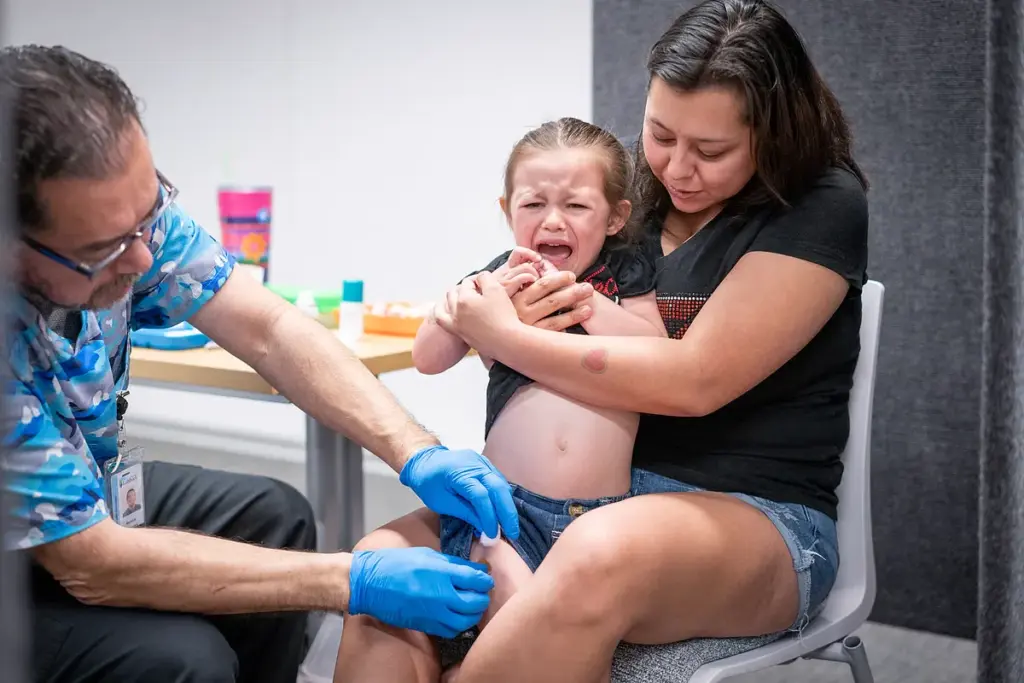
Despite years of vaccination efforts, measles is a serious and deadly disease. It kills about 95,000 people every year. Babies and those who haven’t been vaccinated are at the biggest risk. It’s important to know about measles risks and death rates to understand why it’s a big health problem worldwide.
Measles is a contagious disease that spreads through the air. It can cause serious problems and even death. The Medical organization says that pneumonia and brain inflammation are the main reasons people die from measles. Kids under 5 and people with weak immune systems are more likely to get sick. Learn more about measles complications.
Key Takeaways
- Measles is a highly contagious and serious airborne disease that can lead to severe complications and death.
- Infants and unvaccinated populations are at particular risk of severe measles complications.
- Vaccination is key in preventing measles and reducing its health impact globally.
- Complications like pneumonia and encephalitis are the main causes of measles-related deaths.
- Certain groups, including children under 5 and individuals with weakened immune systems, are at higher risk of measles-related deaths.
The Global Impact of Measles
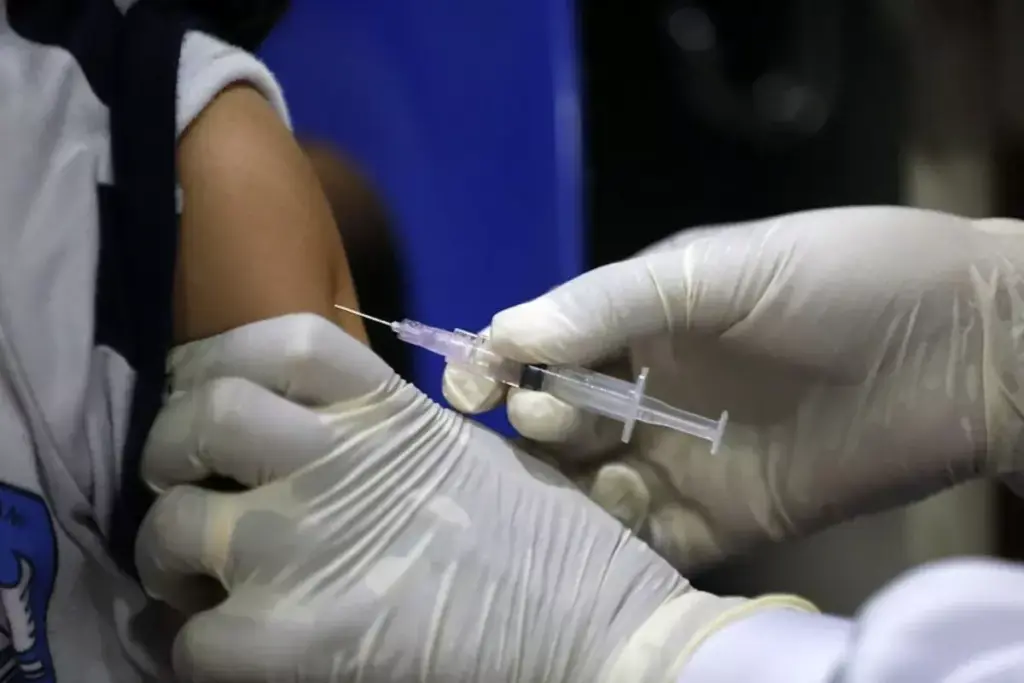
Measles is a big problem worldwide. It affects millions every year. We need to fight it with strong strategies.
Current Global Mortality Statistics
Measles kills a lot of young kids globally. In 2024, about 95,000 people died from it, mostly kids under five. This shows how serious measles is and why we must keep vaccinating.
The World Health Organization (WHO) says most measles deaths are in unvaccinated or under-vaccinated kids. Vaccines are key to saving these lives.
How Measles Spreads and Infects
Measles spreads easily through the air. When someone with measles coughs or sneezes, they release virus droplets. These droplets can be breathed in by others.
The virus can stay in the air and on surfaces for up to two hours. This makes measles spread fast, mainly in places with few vaccines.
| Year | Estimated Measles Deaths | Primary Age Group Affected |
| 2024 | 95,000 | Children under 5 years |
| 2023 | 128,000 | Children under 5 years |
| 2022 | 145,000 | Children under 5 years |
Is Measles Deadly? Examining the Fatality Risk

Measles can be deadly, but its death rates vary by region. Knowing these rates helps us understand the risk it poses to health.
Measles Fatality Rates Worldwide
Measles is a big killer worldwide, hitting children under five hard. The World Health Organization (WHO) says measles vaccines have saved nearly 59 million lives from 2000 to 2024. Yet, measles is a big worry in places with low vaccine rates.
The death rate for measles worldwide shows how deadly it is. Vaccines have cut down measles deaths a lot. But, the disease kills people, mainly in areas with poor healthcare.
Key statistics on global measles fatality rates include:
- Measles vaccination coverage is a critical factor in determining fatality rates.
- Regions with low vaccination rates are more likely to experience higher measles mortality.
- Global efforts to increase vaccination coverage have led to a significant decline in measles deaths.
Fatality Rates in the United States
In the U.S., measles outbreaks show the ongoing danger of the disease, mainly in areas with low vaccine rates. By mid-May 2025, over 1,000 new measles cases were reported, with three deaths. These numbers stress the need for high vaccine rates to stop measles deaths.
The U.S. data shows measles can be kept under control with enough vaccines. But, areas with low vaccine rates can see big outbreaks and deaths. This shows measles is a current health threat, not just a thing of the past.
The impact of vaccination on measles fatality rates is evident in both global and U.S. statistics.
Why Measles Can Be Fatal: Complications and Risk Factors
Measles is a serious disease, even with a safe vaccine. It can cause severe problems, mainly in certain groups.
Serious Complications of Measles Infection
Measles can lead to serious issues like pneumonia, encephalitis, and severe diarrhea. These problems can make measles very dangerous.
- Pneumonia is a big reason measles kills, mostly in young kids.
- Encephalitis, or brain inflammation, can cause lasting brain damage.
- Severe diarrhea can cause dehydration and malnutrition, making the disease worse.
High-Risk Populations
Some groups face a higher risk of measles problems. These include young children and people with weakened immune systems. Young kids, under five, are more likely to get sick because their immune systems are not fully developed. People with HIV/AIDS or those on chemotherapy are also at risk because their immune systems are not strong enough.
Knowing who is at risk helps us focus on protecting them. This way, we can lower the number of serious measles cases and deaths.
Conclusion: The Continued Importance of Measles Vaccination
Measles is a big health problem worldwide, hitting hard on kids under 5 who haven’t been vaccinated. The disease can be very dangerous, with WHO data showing a big drop in deaths from 2000 to 2024 thanks to vaccines.
It’s key to know that measles can be deadly and serious. The vaccine is safe, works well, and is cheap, costing under US$1 per child. Kids need two doses for full protection, with the first given at 9 months in high-risk areas or 12–15 months elsewhere, and the second at 15–18 months.
We must keep focusing on measles vaccination to shield those at risk and stop outbreaks. By making sure kids get both doses of the measles vaccine, we can greatly lower the chance of serious measles problems and deaths. The real question is how we can all join forces to stop measles deaths through vaccination.
FAQ
Can you die from measles?
Yes, measles can be fatal, mainly in young children and those with weak immune systems. Serious complications like pneumonia and encephalitis can cause health issues and even death.
Are measles serious?
Yes, measles is a serious disease. It can cause severe complications, mainly in young children, pregnant women, and those with weak immune systems.
Is measles life-threatening?
Measles can be life-threatening, mainly for certain groups. It’s highly contagious and can cause serious complications, posing a big health threat worldwide.
Do people die from measles?
Yes, people can die from measles. Global health statistics show measles causes significant deaths, mostly in areas with low vaccination rates.
What is the fatality rate for measles?
The fatality rate for measles varies worldwide. It has dropped in places with high vaccination rates. But, in areas with low vaccination, the rate is much higher.
Is measles deadly for adults?
While measles is often linked with children, it can be serious and deadly for adults too. This is true for those who are unvaccinated or have weak immune systems.
How severe is measles?
Measles is a highly contagious and potentially severe disease. Its severity depends on the person’s health and access to medical care.
What is the survival rate for measles?
In places with good healthcare and high vaccination rates, the survival rate for measles is high. But, in areas with limited medical care and low vaccination, the rate is lower.
How do people die from measles?
People can die from measles due to complications like pneumonia, encephalitis, and other infections. These are more common in vulnerable populations.
What percentage of measles cases are fatal?
The percentage of measles cases that are fatal varies. It depends on vaccination rates and access to healthcare. Globally, the rate is higher in areas with low vaccination rates.
How dangerous is measles?
Measles is a dangerous disease because it’s highly contagious and can lead to serious complications. Vaccination is key to preventing measles and reducing its dangers.
What causes death from measles?
Death from measles is often due to complications like pneumonia, encephalitis, and other infections. These are more common in people with weak immune systems.
How deadly are the measles?
Measles can be deadly, mainly for certain high-risk populations. The disease’s deadliness is significantly reduced in areas with high vaccination rates.
References:
World Health Organization. Evidence-Based Medical Insight. Retrieved from https://www.who.int/news/item/28-11-2025-measles-deaths-down-88–since-2000–but-cases-surge