
Is O positive universal donor? This question often arises in discussions about blood types and their role in medical emergencies. While O-positive blood is common, the true universal donor is O-negative blood, which lacks A, B, or Rh antigens, making it safe for all recipients. At Liv Hospital, we emphasize accurate information on blood donations. About 7% of Americans have O-negative blood, the true universal donor. However, addressing whether O positive is a universal donor is key, as O-positive blood can be given to many but not all blood types.
Key Takeaways
- OO-negative blood is considered the universal donor type due to its lack of A, B, and Rh antigens.
- Only about 7% of people in the United States have type O blood.
- OO-negative blood is key in emergencies when time is short and a patient’s blood type is unknown.
- O-positive blood is not considered a universal donor.
- Blood type matching is essential for safe transfusions.
Understanding Blood Types and Donation
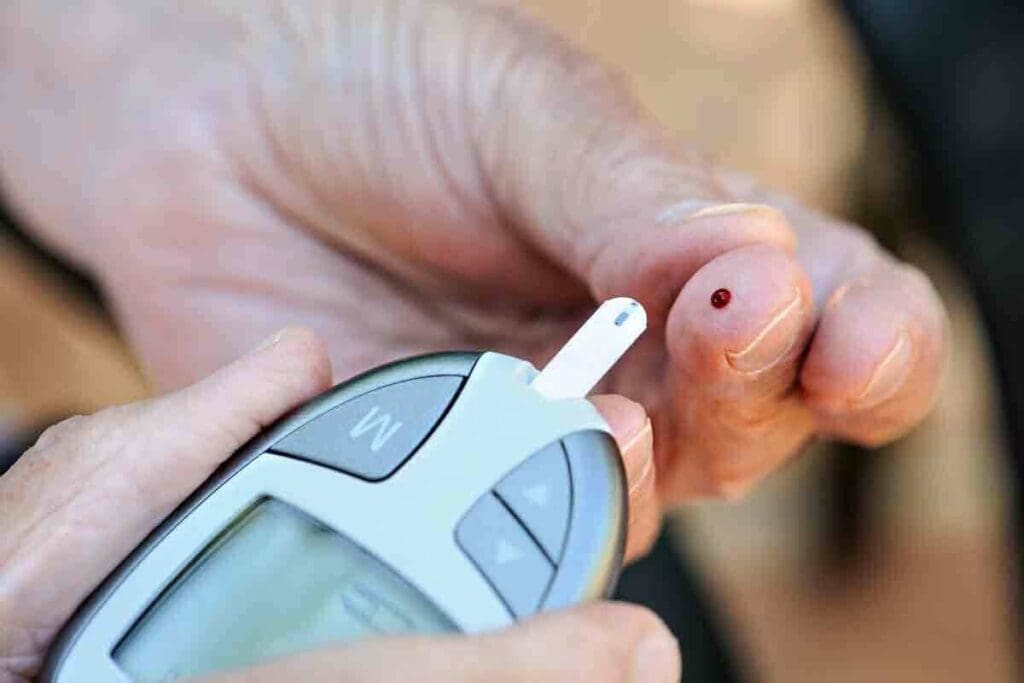
To make sure blood transfusions work right, we need to know about blood types. Blood type is based on certain antigens on red blood cells. These antigens can cause a reaction if they’re not the right match.
The ABO Blood Group System
The ABO blood group system is key in blood transfusions. It sorts blood into four types: A, B, AB, and O. These types show if a blood cell has A or B antigens, or both, or none.
Table: ABO Blood Group System
| Blood Type | A Antigen | B Antigen |
| A | Present | Absent |
| B | Absent | Present |
| AB | Present | Present |
| O | Absent | Absent |
The Rh Factor in Blood Typing
The Rh factor is another important antigen in blood typing. People with the Rh antigen are Rh-positive, and those without are Rh-negative. This is key because Rh-negative people can make antibodies against Rh-positive blood.
What Makes a Blood Type “Universal”?
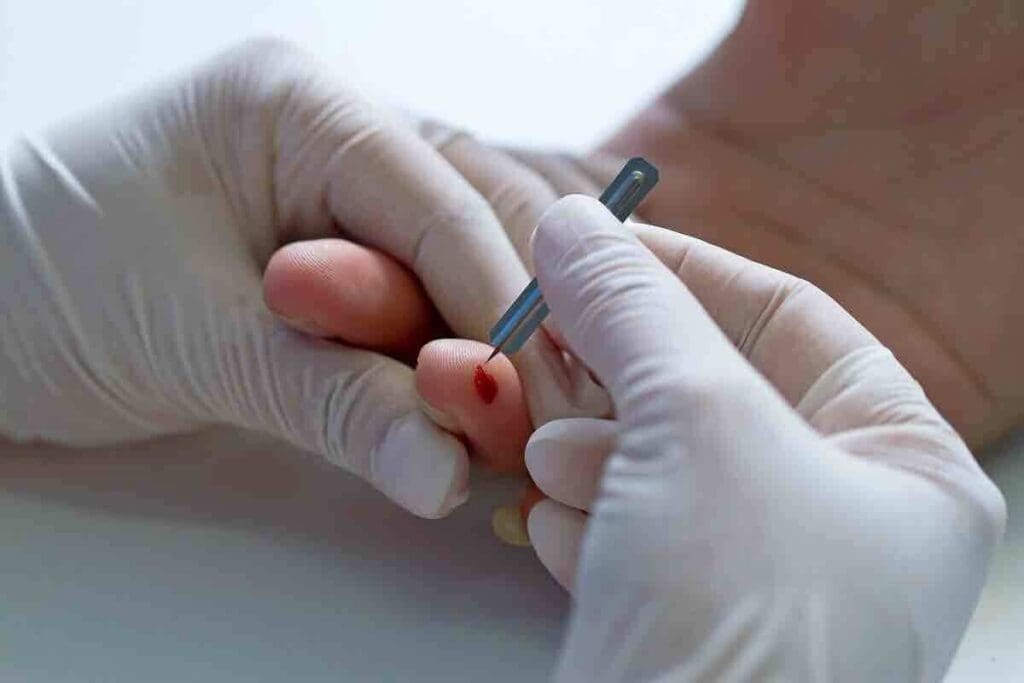
To understand what makes a blood type “universal,” we need to look at blood compatibility. This idea is based on the presence or absence of certain antigens on red blood cells.
Antigens and Antibodies in Blood Compatibility
Blood compatibility depends on the presence or absence of specific antigens on red blood cells and the antibodies in plasma. Antigens are substances that can trigger an immune response, leading to the production of antibodies. In blood transfusions, matching is key to avoiding bad reactions.
For example, people with Type A blood have A antigens and B antibodies. Those with Type B blood have B antigens and A antibodies. Type O blood has no A or B antigens but has both A and B antibodies. The American Red Cross says “People with type O negative blood are universal red cell donors” because their blood lacks A, B, and Rh.
Universal Donor Meaning
The term “universal donor” means someone with Type O negative blood. Their red blood cells have no A, B, or Rh antigens. This makes them safe for most people’s blood types.
In short, a “universal donor” is someone whose blood can be given to many different blood types. This is because their red blood cells don’t have specific antigens.
Is O Positive Universal Donor? The Truth Explained
O-positive blood is often seen as a universal donor. But is this really true? Let’s look into what makes O-positive blood special and its limits in transfusions.
O Positive Blood Type Characteristics
O positive blood is the most common, found in about 38% of people. It has the Rh antigen but lacks A and B antigens. This makes it somewhat flexible for transfusions.
Key characteristics of O-positive blood include:
- Presence of the Rh antigen
- Absence of A and B antigens
- High frequency in the population
Compatibility Limitations of O+ Blood
O positive blood is versatile but has big limits. It can only be given to those with Rh-positive blood types. This includes A+, B+, AB+, and O+ blood types. Giving Rh-positive blood to an Rh-negative person can cause serious problems.
| Blood Type | Can Receive O+ |
| A+ | Yes |
| A- | No |
| B+ | Yes |
| B- | No |
| AB+ | Yes |
| AB- | No |
| O+ | Yes |
| O- | No |
Why O+ Cannot Be Called a Universal Donor
O positive blood can’t be called universal because it’s not compatible with all blood types. It’s not good for Rh-negative blood types because of the Rh antigen. This limits its use in transfusions.
In short, O-positive blood is common and somewhat useful. But it’s not universal because of its compatibility issues. Knowing these limits is key to safe blood transfusions.
O Negative: The True Universal Blood Type
O negative is the true universal blood type, not O positive. This is key in medical emergencies when blood transfusions are needed.
Why O Negative Can Be Given to Anyone
OO-negative blood is the universal donor type. It has no A, B, or Rh antigens on its surface. This makes it safe for all blood types, avoiding bad reactions.
O-negative blood is very important in emergencies. There’s no time to check the patient’s blood type. Its universal compatibility is vital for blood banks and emergency supplies.
Differences Between O- and O+ Donation Capabilities
O negative (O-) and O positive (O+) blood differ mainly by the Rh factor. O- blood is safe for everyone, while O+ blood is only for those with Rh-positive blood types.
| Blood Type | Can Donate To | Can Receive From |
| O- | All Rh+, All Rh- | O- |
| O+ | All Rh+ | O+, O- |
Only about 1 in every 14 Americans has O-negative blood. This makes it rare and very valuable. Regular donations from O-negative blood donors are essential.
The Antigen of Blood Type O
Understanding the antigen profile of blood type O is key to its universal donor status. The absence of certain antigens on red blood cells defines their characteristics.
Absence of A and B Antigens
Blood type O lacks A and B antigens on its red blood cells. This is important because it prevents adverse reactions when transfused into those with A or B antibodies. The absence of A and B antigens makes type O blood a universal donor, even more so when it’s Rh negative.
Presence vs. Absence of Rh Factor in O Blood Types
The Rh factor is another critical antigen in blood types, including type O. O-negative blood is considered a universal donor because it lacks A, B, and Rh antigens. O positive blood, on the other hand, has the Rh antigen but not A and B.
| Blood Type | A Antigen | B Antigen | Rh Antigen |
| O Negative | No | No | No |
| O Positive | No | No | Yes |
The difference between O-negative and O-positive blood types is important in transfusion medicine. Both are universal donors, but O-negative blood is more versatile in emergencies. This is because it lacks A, B, and Rh antigens.
Who Can Receive O Positive Blood?
It’s important to know who can get O-positive blood for safe transfusions. This blood type is safe for those with Rh-positive blood types. These include A+, B+, AB+, and O+.
O positive blood is very common. It’s a key part of blood banks. Matching the donor and recipient’s blood types is critical to avoid bad reactions.
Compatible Recipients for O+ Blood
O positive blood is safe for A+, B+, AB+, and O+ blood types. This is because O-positive blood doesn’t have A or B antigens. So, it’s okay with A and B antigens in the recipient’s blood.
A person with O+ blood can get blood from O+ or O- donors. But, O+ blood is safe for A+, B+, AB+, and O+ recipients. This makes O-positive donors very important for the blood supply.
Transfusion Compatibility Chart
The chart below shows who can get O-positive blood:
| Blood Type | Can Receive | Can Donate To |
| O+ | O+, O- | A+, B+, AB+, O+ |
| A+ | A+, A-, O+, O- | A+, AB+ |
| B+ | B+, B-, O+, O- | B+, AB+ |
| AB+ | AB+, AB-, A+, A-, B+, B-, O+, O- | AB+ |
Blood Type Distribution Worldwide
It’s important to know how different blood types spread around the world. This helps manage blood supplies. Blood types vary a lot in different places, affecting transfusions and health.
Prevalence of O+ Blood Globally
O positive (O+) is the most common blood type worldwide. It’s found in about 35-39% of people. This makes O+ very important for blood banks everywhere.
The demand for O+ blood is high. It’s because it can be given to many people. But it’s not the universal donor type.
Regional Variations in Blood Type Distribution
O+ is the most common blood type globally. But there are big differences in blood type distribution in different areas. For example, in some places, O+ is more common, while in others, it’s less common.
These differences come from genetics. They affect how blood donations are planned. Knowing these differences is key to managing blood supplies well.
Other blood types also vary by region. This makes transfusion medicine even more complex. Blood banks in different areas need to adjust to these changes to have enough compatible blood.
Emergency Blood Transfusions and Type O Blood
Type O blood, like O negative, is key in emergency transfusions. It’s safe for anyone because it’s compatible with all blood types. When time is short, O O-negativelood is the best choice.
Protocol for Emergency Transfusions
Emergency blood transfusion rules help keep patients safe when time is tight. Medical guidelines say to use O-negative blood for trauma patients or when the patient’s type is unknown.
First, doctors quickly check the patient’s condition. Then, they give O-negative blood until they know the patient’s type and can use compatible blood.
Why O- is Prioritized in Critical Situations
O-negative blood is chosen first in emergencies because it reduces the risk of immune reactions. It doesn’t have A or B antigens, so it’s less likely to cause a bad reaction in someone with a different blood type.
“The use of O negative blood in emergency situations is a lifesaving measure that has been widely adopted in medical practice.”
Famous medical consultant, Transfusion Medicine Specialist
Risk Assessment in Emergency Blood Administration
Assessing risks is key when giving blood in emergencies. Even though O-negative blood is safe, there are risks. For example, female patients of childbearing age might develop alloimmunization.
| Blood Type | Compatibility | Risk Level |
| O Negative | Universal | Low |
| O Positive | Compatible with Rh+ patients | Moderate |
| A, B, AB | Specific compatibility required | High |
In summary, using Type O blood, like O negative, in emergencies is vital. It saves lives. Medical teams must know the rules and risks of emergency blood transfusions.
Demand and Supply of O Blood Types
Keeping enough O blood types is key because they’re used a lot in emergencies. O blood types, like O negative, can be given to many people because they’re universal donors.
Why O Blood Types Are Always in High Demand
O blood types are always needed because they work well with many people. A transfusion medicine specialist says, “O-negative blood is a lifesaver in emergencies when we can’t check the patient’s blood type.” One donation can save up to three lives, showing how important it is to have enough.
Challenges in Maintaining Adequate O Blood Supplies
But, keeping enough O blood is hard. We always need donations, blood products have a short shelf life, and we struggle to meet demand in emergencies. The American Red Cross says, “Blood donations, and those from universal donors, are key to helping patients.”
Donation Importance for O Blood Types
Donations from O blood types are critical to keep supplies up. Donors should give blood often to help those in need. A study found, “Donations from O blood types greatly help patients in urgent situations.”
In summary, O blood types are in high demand because they’re compatible with many. It’s vital to keep supplies up through regular donations to save lives.
Common Misconceptions About Universal Donors
Many think O-positive blood is for everyone, but that’s not true. While O positive is often seen as universal, it’s not entirely correct.
The O+ Universal Donor Myth
O positive blood is not for everyone. It can only go to those with Rh-positive blood types. The real universal donor is O-negative blood. It has no A or B antigens and no Rh antigen, making it safe for most.
Universal Donors vs. Universal Recipients
It’s key to know the difference between universal donors and recipients. Universal donors are those with O-negative blood, safe for anyone. Universal recipients can get blood from any ABO type, like AB positive blood. Knowing this helps ensure safe blood transfusions.
Conclusion
O positive is not a universal donor. It’s important to know about blood types and their compatibility for safe transfusions. The ABO blood group system and the Rh factor are key in this.
O-negative blood is the true universal donor. It has no A or B antigens and no Rh antigen. This makes it safe for all blood types. O positive blood, with its Rh antigen, is not as universal.
It’s vital to know the difference between O positive and O negative blood. In emergencies, O-negative is chosen first because it’s safe for everyone. This shows how important it is to have enough O-negative blood.
To sum up, O-positive blood is useful but not universal. The title of universal donor goes to O-negative blood. Knowing this is important for doctors and everyone else.
FAQ
Is O positive a universal donor?
No, O positive is not a universal donor. It’s a common blood type, but only O-negative blood can be given to anyone. This is because O-negative blood has no A, B, or Rh antigens.
What makes a blood type “universal”?
A blood type is “universal” if it can be given to anyone safely. This is true for O-negative blood. It has no A, B, or Rh antigens.
What is the difference between O positive and O negative blood?
The main difference is the Rh factor. O positive blood has it, while O negative does not.
Can O-positive blood be given to anyone?
No, O-positive blood can only be given to those with A+, B+, AB+, or O+ blood types.
Who can receive O-positive blood?
People with A+, B+, AB+, or O+ blood types can get O positive blood.
Why is O-negative blood used in emergency transfusions?
O-negative blood is used in emergencies. It’s the universal donor type and can be given to anyone safely.
What is the prevalence of O-positive blood globally?
O positive blood is very common worldwide. It’s found in many populations.
Are there regional variations in blood type distribution?
Yes, blood types vary by region. Different areas have different blood type frequencies.
Why are O blood types always in high demand?
O blood types are always needed. They’re key in transfusions, and very important in emergencies.
What is the universal donor meaning?
A universal donor is someone with O-negative blood. This blood type can be given to anyone safely.
Is O positive the universal donor?
No, O positive is not the universal donor. Only O-negative blood is truly universal.
What are universal donors?
Universal donors are those with O-negative blood. This blood type can be given to anyone without risk.
References
- Rahfeld, P. (2019, December 1). Toward universal donor blood: Enzymatic conversion of A and B antigens in blood types. Frontiers in Medicine. Retrieved from https://www.ncbi.nlm.nih.gov/pmc/articles/PMC6956546/