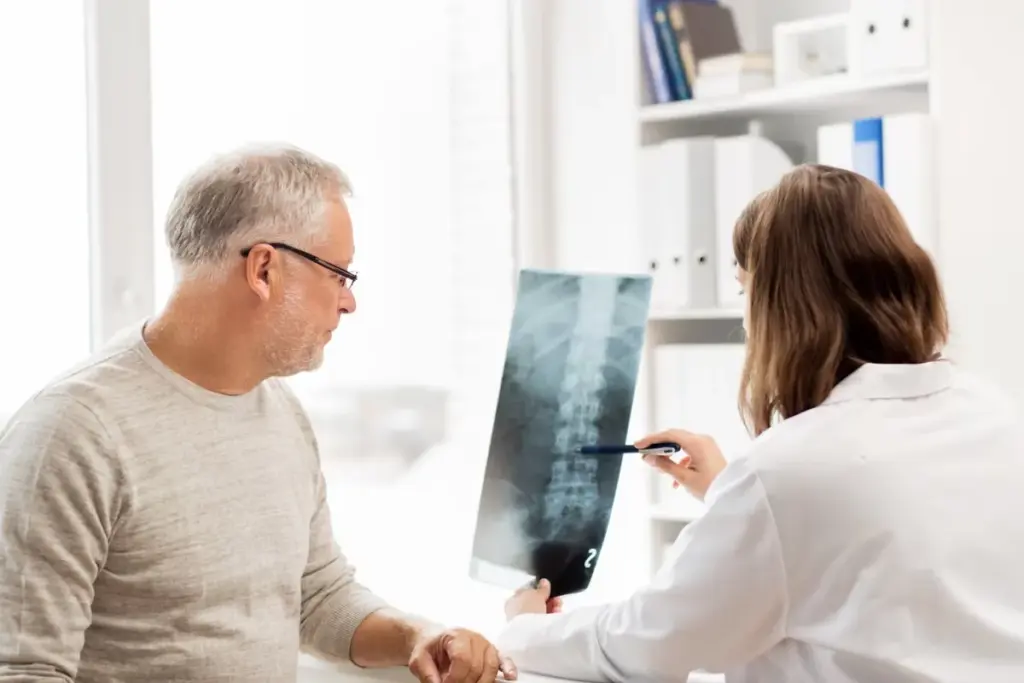
Every year, about 3 million Americans are told they have scoliosis. This condition makes their spine curve in a way it shouldn’t. It can cause a lot of pain, make it hard to breathe, and limit how well they can move.
We will look into if scoliosis is considered a disability. We’ll see what makes it qualify, like how bad it is and if it stops someone from working.
Key Takeaways
- Scoliosis affects millions worldwide, causing significant discomfort and impairment.
- The condition’s severity and impact on daily life are key in deciding if it’s a disability.
- It’s important to understand how scoliosis relates to disability for those affected.
- Many things, like how curved the spine is and symptoms, affect if someone gets disability.
- Legal and medical views on disability are important for getting benefits.
Understanding Scoliosis: Definition and Types
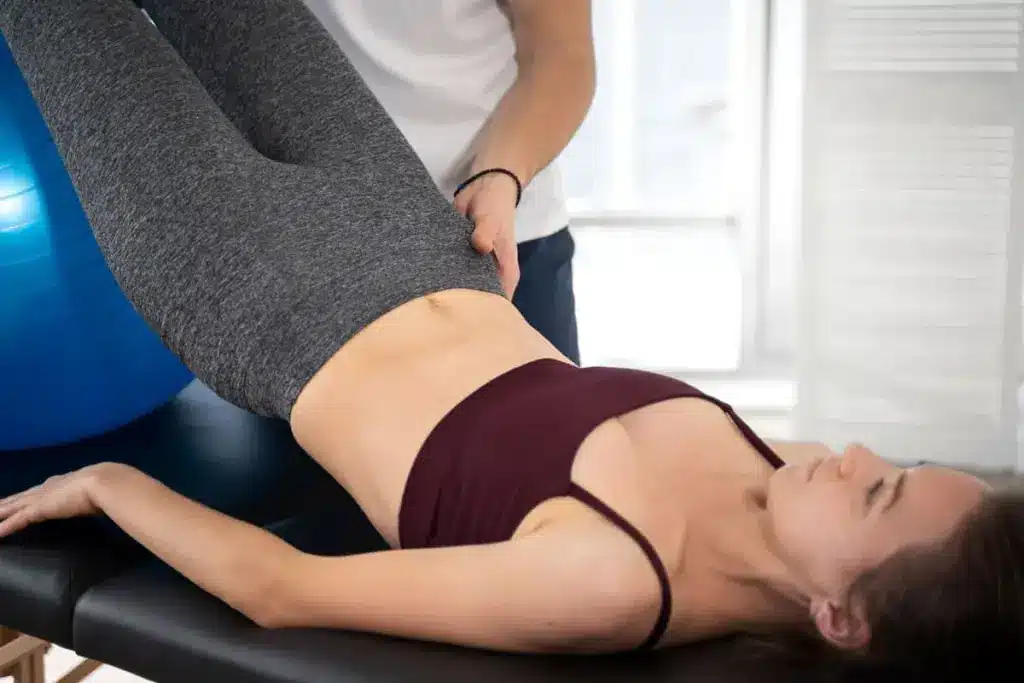
Scoliosis is a complex spinal condition that affects millions worldwide. It’s important to understand its definition and types. Knowing what scoliosis is and how it’s classified helps us grasp it fully.
What is Scoliosis?
Scoliosis is a medical condition where the spine curves abnormally. The spine naturally has curves, but in scoliosis, it develops an extra curve. This can make the spine look like an “S” or “C” shape from the front.
This extra curve can happen anywhere in the spine, but it’s most common in the mid-back or lower back. The exact cause of scoliosis is often unknown. It can be linked to genetics, neuromuscular conditions, or spinal anomalies at birth. Scoliosis is considered a disorder because it affects the spine’s structure and function.
Different Types of Scoliosis
Scoliosis is not just one condition but several types. These types vary based on the direction of the curve, when it starts, and why it happens. The main types include idiopathic scoliosis (no known cause), congenital scoliosis (present at birth), and neuromuscular scoliosis (linked to conditions like cerebral palsy).
Knowing the type of scoliosis is key to finding the right treatment. For example, idiopathic scoliosis often starts during puberty. Congenital scoliosis needs early treatment because it’s linked to other spinal issues.
Levoscoliosis vs. Dextroscoliosis
Scoliosis can also be classified by the direction of the curve. Levoscoliosis bends to the left, while dextroscoliosis bends to the right. These terms are used to describe the direction of the curve, like in the lower back.
Knowing if it’s levoscoliosis or dextroscoliosis is important for treatment. A more severe curve might need different treatment, like braces, physical therapy, or surgery.
The Medical Classification of Scoliosis
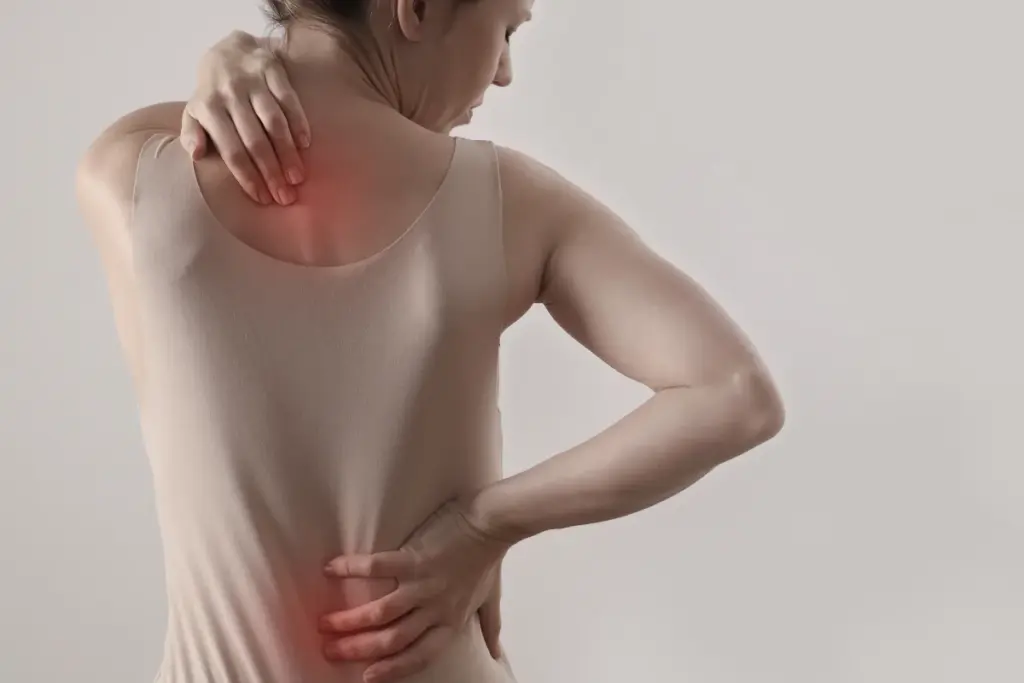
Understanding scoliosis’s medical classification is key for diagnosis and treatment. Scoliosis is a condition where the spine curves abnormally. It’s classified in a detailed way to show its complexity.
Is Scoliosis a Disease, Disorder, or Condition?
The terms used for scoliosis can be confusing. Is scoliosis a disease, a disorder, or a condition? It’s a condition because of its complex causes and varied symptoms.
“Scoliosis is not just a simple curvature of the spine; it’s a complex condition that requires a complete management approach,” say doctors.
Severity Levels of Scoliosis
The Cobb angle from X-rays measures scoliosis severity. It shows the degree of spine curvature:
- Mild scoliosis: 10-20 degrees
- Moderate scoliosis: 21-40 degrees
- Severe scoliosis: 41-60 degrees
- Very severe scoliosis: beyond 60 degrees
The severity of scoliosis helps decide the right treatment. This can range from watching it for mild cases to surgery for severe ones.
How Medical Professionals Diagnose and Measure Scoliosis
Doctors use physical exams, medical history, and imaging to diagnose scoliosis. The Adam’s Forward Bend Test is a common screening. X-rays are used to measure the Cobb angle and check the curvature.
Diagnostic tools include:
- X-rays
- MRI (Magnetic Resonance Imaging)
- CT (Computed Tomography) scans
Accurate diagnosis and measurement are vital for a treatment plan that meets the individual’s needs.
Impact of Scoliosis on Daily Life
Scoliosis can change a person’s life a lot. It brings physical, emotional, and social problems. Living with scoliosis means facing many challenges that affect how well you feel.
Physical Limitations and Challenges
Scoliosis can make it hard to move around and do everyday things. People with scoliosis might find it tough to bend, lift, or stand for a long time. Physical therapy and adaptive equipment help a lot. They help people stay independent.
Even simple tasks like shopping or laundry can be hard because of back pain or stiffness. Customized exercise programs can help. They make it easier to move and strengthen the spine.
Pain Management for Scoliosis Patients
Pain is a big problem for many with scoliosis. Finding ways to manage pain is key to a good life. This might include medication, physical therapy, and alternative therapies like acupuncture or chiropractic care.
It’s important for patients to work with their doctors to make a pain plan. This plan should cover physical pain and also the emotional and mental effects of chronic pain.
Psychological Effects of Living with Scoliosis
The mind can be affected by scoliosis too. People might feel anxious, depressed, or have body image issues. Mental health support is very important.
Support groups, counseling, and therapy help a lot. They give people the tools to deal with the emotional side of scoliosis. By tackling both physical and mental challenges, people can live better lives despite their condition.
It’s key to understand how scoliosis affects daily life. This helps healthcare providers give better care and support. By recognizing the physical, emotional, and social challenges, they can help improve the lives of those with scoliosis disability.
Is Scoliosis a Disability? Legal Definitions
To know if scoliosis is a disability, we need to look at U.S. legal terms. It’s not simple and depends on how severe the scoliosis is. Also, how much it affects someone’s work and daily life matters.
How Disability is Defined in the United States
In the U.S., two main groups decide what is a disability: the Social Security Administration (SSA) and the Department of Veterans Affairs (VA). The SSA has Social Security Disability Insurance (SSDI) and Supplemental Security Income (SSI). To qualify, you must have a condition that makes it hard to work.
The VA looks at how a veteran’s condition affects their job and daily life. For scoliosis, the VA rates it based on how severe the spinal curve is. This affects how well someone can move and do daily tasks.
When Scoliosis Meets Disability Criteria
Scoliosis can be seen as a disability if it meets SSA or VA rules. For the SSA, you must show that scoliosis makes it hard to do any job that pays well. It must be severe enough to be in the SSA’s Blue Book or limit your ability a lot.
For the VA, scoliosis is rated from 0 to 100 percent. The rating depends on the spinal curve, if it causes you to stay in bed, and how it affects your daily life and job.
|
Disability Criteria |
SSA Requirements |
VA Requirements |
|---|---|---|
|
Severity Level |
Listed in the Blue Book or significant functional limitation |
Degree of spinal curvature and incapacitating episodes |
|
Impact on Daily Life |
Significant limitation in performing substantial gainful activity |
Impact on mobility, daily functioning, and ability to work |
Is Mild Scoliosis a Disability?
Mild scoliosis is usually not seen as a disability by SSA or VA. It doesn’t usually stop someone from working or doing daily tasks. But, it can depend on other health issues or how scoliosis affects you personally.
People with scoliosis should talk to doctors and legal experts. They can help understand if scoliosis is considered a disability.
Social Security Disability Benefits for Scoliosis
Getting through the Social Security Disability Insurance (SSDI) process can be tough for those with scoliosis. We know how scoliosis can change your life and make it hard to work. Here, we’ll help you understand how to get SSDI benefits, the application steps, and what documents you need.
Qualifying for SSDI with Scoliosis
To get SSDI, you must show you’re disabled. The Social Security Administration (SSA) looks at how severe your scoliosis is and if you have symptoms like pain and limited movement. They also check for neurological problems.
Key factors that influence SSDI eligibility for scoliosis include:
- The degree of spinal curvature
- The presence of associated symptoms and complications
- The impact of scoliosis on daily activities and the ability to work
The Application Process for Social Security Benefits
Applying for SSDI has several steps. First, you need to see if you qualify. Then, you’ll:
- Collect medical records to support your claim
- Fill out the SSDI application form online or in person
- Send in your application and documents to the SSA
Make sure your application is complete and includes all needed documents to avoid delays or denial.
Documentation Required for Scoliosis Disability Claims
For SSDI with scoliosis, you’ll need detailed medical records. You’ll need:
- Medical records that show your diagnosis, treatment, and ongoing care
- Imaging studies like X-rays and MRIs to show your spinal curvature
- Statements from doctors about your symptoms, limitations, and work ability
Knowing what you need and preparing well can help with your SSDI claim. We’re here to support and guide you every step of the way.
VA Disability Ratings for Scoliosis
Understanding how the VA rates scoliosis is key for veterans seeking disability compensation. The Department of Veterans Affairs (VA) has a specific way to evaluate scoliosis. They look at how severe it is and how it affects daily life and work.
Evaluating Scoliosis
The VA rates scoliosis based on its severity. They use X-rays to measure the spine’s curvature. They consider the type of scoliosis, its degree, and any symptoms or complications.
Key Factors in VA Evaluation:
- The degree of curvature measured in degrees.
- Symptoms such as pain, stiffness, and limited mobility.
- Impact on daily activities and ability to work.
VA Rating Percentages for Spinal Conditions
The VA gives a disability rating based on scoliosis severity, from 0% to 100%. The rating percentage affects how much compensation the veteran gets.
|
VA Rating |
Degree of Curvature |
Compensation Level |
|---|---|---|
|
0% |
Less than 10 degrees or asymptomatic |
No compensation |
|
10%-20% |
10-20 degrees or mild symptoms |
Minimal compensation |
|
30%-50% |
More significant curvature or moderate symptoms |
Moderate compensation |
|
60%-100% |
Severe curvature or significant symptoms |
Higher compensation |
Service-Connected vs. Non-Service-Connected Scoliosis
The VA makes a difference between service-connected and non-service-connected scoliosis. Service-connected scoliosis started or got worse during military service. Non-service-connected scoliosis is not related to military service.
Implications:
- Veterans with service-connected scoliosis can get disability compensation.
- Non-service-connected scoliosis might not qualify for VA disability benefits unless the veteran gets a pension.
Understanding the VA’s evaluation process can be tough. Veterans with scoliosis should talk to a VA-accredited representative. This ensures they get the benefits they deserve.
Private Disability Insurance and Scoliosis
Dealing with private disability insurance can be tough, even more so for those with scoliosis. We’ll look into how insurers see scoliosis, the steps to file a claim, and the hurdles you might face.
How Private Insurers View Scoliosis
Private insurers look at scoliosis’s severity and how it affects work. They check the curvature degree, symptoms like pain, and any activity or job limits. They might ask for medical records and X-rays to get a clear picture.
“The process is strict,” an insurance expert says. “Insurers need solid proof to see how scoliosis affects work ability.”
Filing a Successful Disability Claim for Scoliosis
To win a disability claim for scoliosis, you need to provide detailed records. This includes:
- Detailed medical records
- Diagnostic test results (e.g., X-rays, MRIs)
- Statements from healthcare providers
- Evidence of how scoliosis impacts daily life and work
It’s important to follow the insurer’s claim filing steps and submit all needed info to avoid delays or denials.
Common Challenges with Private Insurance Claims
Those with scoliosis often face issues with private insurance claims, such as:
- Delays in processing claims
- Requests for more info or documents
- Disputes over condition severity
- Claims denied due to technicalities or lack of evidence
To beat these challenges, work closely with doctors to gather strong evidence. Also, consider getting help from insurance claim specialists if needed.
Understanding private disability insurance and scoliosis shows that preparation and persistence are vital. Knowing the process and being proactive helps those with scoliosis fight for their rights and get the benefits they deserve.
Workplace Accommodations for Scoliosis
It’s important for people with scoliosis to know their rights at work. The Americans with Disabilities Act (ADA) protects them from job discrimination. It also requires employers to make reasonable changes to help these employees do their jobs well.
Rights Under the Americans with Disabilities Act
The ADA says a disability is a condition that limits major life activities. Scoliosis can be a disability if it makes daily tasks hard. Under the ADA, people with scoliosis have the right to reasonable changes at work that don’t hurt the employer too much.
Key rights under the ADA include:
- The right to reasonable accommodations to perform job duties.
- Protection against discrimination based on disability.
- The right to confidentiality regarding their disability.
Reasonable Accommodations for Scoliosis in the Workplace
What changes are needed for scoliosis can vary. It depends on the person’s needs and their job. Some common changes include:
|
Accommodation Type |
Description |
Benefit |
|---|---|---|
|
Ergonomic Workspace |
Adjusting the workstation to promote good posture and reduce strain. |
Reduces discomfort and pain. |
|
Flexible Work Schedule |
Allowing for flexible start times or breaks to manage pain or fatigue. |
Improves work-life balance and productivity. |
|
Adaptive Equipment |
Providing specialized equipment, such as ergonomic chairs or standing desks. |
Enhances comfort and reduces the risk of injury. |
The Job Accommodation Network says, “The key to successful accommodation is identifying the essential functions of the job and determining how the individual’s disability affects their ability to perform those functions.”
“Accommodating employees with disabilities is not only a legal requirement but also a sound business practice, as it allows employers to tap into a wider talent pool and retain valuable employees.”
— U.S. Equal Employment Opportunity Commission
How to Request Accommodations from Employers
Here’s how to ask for changes at work:
- Review company policies and procedures regarding disability accommodations.
- Inform your employer about your needs and provide medical documentation if required.
- Collaborate with your employer to find good changes.
- Put the agreed-upon changes in place and check if they work.
Knowing your rights and asking for help can make work better for people with scoliosis. It helps them work in a way that’s comfortable and productive.
Disability Benefits Eligibility Criteria for Severe Scoliosis
For those with severe scoliosis, knowing about disability benefits is key. Scoliosis can greatly affect one’s life, making it hard to get through the disability system.
To get disability benefits, you must meet certain rules. We’ll cover what matters, like medical proof, how scoliosis limits you, and your work history.
Medical Evidence Requirements
Medical proof is vital for getting disability benefits. For severe scoliosis, you need:
- Detailed medical records showing your scoliosis diagnosis and how it’s changed.
- Imaging like X-rays, MRIs, or CT scans to show how curved your spine is.
- Notes from doctors about your treatment and how it’s worked.
Good medical evidence shows how serious your scoliosis is and how it affects your life and work.
Functional Limitation Assessments
These assessments check how scoliosis affects your daily life and work. They look at:
- Your physical abilities, like lifting, standing, and walking.
- How much pain you’re in and how it affects your daily activities.
- Whether you can do tasks that need bending, twisting, or other movements affected by scoliosis.
Doctors say, “Checking how scoliosis limits you is key to seeing its impact on your life and if you need disability benefits.”
“It’s important to do a detailed assessment of your limitations based on solid medical evidence. This ensures people with severe scoliosis get the help they need.”
Work History Considerations
Your work history is also important for getting disability benefits. It includes:
- Your job history, including what you’ve done and what you’ve been able to do.
- How scoliosis has made it hard to do your job.
- If you can do any job that pays well despite your condition.
We look at your work history to see how scoliosis has affected your ability to work and earn.
In summary, getting disability benefits for severe scoliosis means looking at your medical history, how scoliosis limits you, and your work history. Knowing these points helps you apply for benefits and get the support you need.
How Hard Is It to Get Disability for Scoliosis?
Getting disability for scoliosis is tough. It’s not just about the medical check-up. You also need to know the legal and administrative rules.
Success Rates for Scoliosis Disability Claims
The success rate for scoliosis claims depends on how bad the condition is and how well the application is done. Studies show that claims with good medical proof are more likely to get approved.
Key factors influencing success rates include:
- The degree of spinal curvature
- The presence of associated symptoms like chronic pain or neurological deficits
- The impact of scoliosis on daily activities and the ability to work
Common Reasons for Denial
Many scoliosis claims are denied. This is often because there’s not enough medical proof or because they don’t meet the program’s criteria.
“The most common reason for denial is the lack of sufficient medical documentation to support the severity of the condition,” says a leading disability advocate.
Common reasons for denial include:
- Inadequate medical records
- Failure to demonstrate significant functional limitations
- Inconsistencies in the application
Strategies to Improve Approval Chances
To boost your chances, make sure your application is complete and detailed. Include all medical records and explain how scoliosis affects your daily life and work.
Effective strategies include:
- Seeking the assistance of a disability attorney or advocate
- Ensuring all medical evidence is up-to-date and thoroughly documented
- Providing a detailed personal statement outlining the impact of scoliosis
By knowing the process and preparing well, people with scoliosis can increase their chances of getting disability benefits.
Living with Scoliosis as a Recognized Disability
Living with scoliosis as a disability means finding ways to adapt to daily life. People with scoliosis face special challenges. They need support and strategies to manage their condition.
Managing Daily Activities with Adaptive Equipment
Adaptive equipment is key for those with scoliosis. Tools and devices help with everyday tasks. They lessen the strain of scoliosis.
- Ergonomic furniture supports good posture
- Special utensils and tools make handling easier
- Assistive technology helps with communication and moving around
Using these adaptive solutions helps people manage their daily lives. It keeps them independent.
Support Groups and Resources
Support groups and resources are essential for those with scoliosis. They offer emotional support, practical tips, and a sense of community.
Connecting with others who get what it’s like to live with scoliosis is powerful. There are many resources available:
- Online forums and social media groups
- Local support groups and meetings
- Professional counseling services
Long-term Outlook and Quality of Life
The future for those with scoliosis depends on several things. This includes how severe the condition is and how well it’s managed.
With the right care and support, many people with scoliosis live full and happy lives. It’s important to keep both physical and mental health up. This includes:
- Regular doctor visits and monitoring
- Physical therapy and exercises that fit their needs
- Mental health support and ways to handle stress
By taking a holistic approach to managing scoliosis, people can enhance their quality of life. This leads to a better outlook for the future.
Special Considerations for Children with Scoliosis
Scoliosis in children extends beyond just medical concerns; it profoundly affects their daily lives and future potential. We must focus on the special needs of kids with this condition.
SSI Benefits for Children with Severe Scoliosis
Children with severe scoliosis might get Supplemental Security Income (SSI) benefits. They must have a condition that limits their ability to do age-appropriate things. To apply, they need to provide detailed medical records and X-rays.
Applying for SSI can be tough for families. But, getting these benefits is key for the child’s care and treatment.
|
Criteria |
Description |
Importance |
|---|---|---|
|
Medical Documentation |
Comprehensive records, including X-rays and doctor’s statements |
High |
|
Functional Limitations |
Assessment of how scoliosis affects the child’s daily activities |
High |
|
Age-Appropriate Activities |
Evaluation of how scoliosis impacts the child’s ability to participate in normal activities for their age group |
Medium |
Educational Accommodations and IEPs
Children with scoliosis might need special help in school. An Individualized Education Program (IEP) is key. It outlines their needs, goals, and how to support their education.
Key components of an IEP for a child with scoliosis may include:
- Modified physical education to accommodate physical limitations
- Extra time to move between classes or adjust to different environments
- Access to adaptive equipment or technology as needed
We suggest parents work with teachers and doctors to create an IEP. It should meet the child’s unique needs and help them succeed academically.
Transitioning to Adult Disability Services
As children with scoliosis grow up, they move from pediatric care to adult services. This change is complex. It involves moving medical records, reassessing disability, and applying for adult benefits.
It’s a critical period that requires careful planning and support to ensure care and benefits continue. Families should start planning early, ideally a year or two before the child turns 18, for a smooth transition.
Conclusion
Figuring out if scoliosis is a disability is tricky. It depends on how bad the condition is, how it affects daily life, and what legal groups say.
We’ve looked at the different types of scoliosis and how it impacts people’s lives. Knowing the legal rules about disability and scoliosis is key for those looking for benefits.
Getting disability benefits for scoliosis can be hard, whether through Social Security, the VA, or private insurance. But, workplace help and support services can make a big difference.
In the end, if scoliosis is seen as a disability varies by person. We aim to make things clearer for those dealing with scoliosis. This way, they can find their way better.
FAQ
Is scoliosis considered a disability?
Scoliosis might be seen as a disability if it really affects someone’s daily life and work. How much it impacts a person’s ability to function is key in deciding if it’s a disability.
What are the different types of scoliosis?
There are two main types of scoliosis. Levoscoliosis curves to the left, and dextroscoliosis curves to the right. Knowing the type helps in choosing the right treatment.
How is scoliosis medically classified?
Scoliosis is seen as a medical condition or disorder. Doctors measure its severity with the Cobb angle. They use tools like X-rays to diagnose and measure it.
Can mild scoliosis be considered a disability?
Mild scoliosis is usually not seen as a disability unless it really affects someone’s life or work. The degree of curvature and its impact are important in deciding this.
How do I qualify for Social Security Disability Insurance (SSDI) with scoliosis?
To get SSDI for scoliosis, you must show it greatly limits your work ability. You’ll need to provide detailed medical records and go through a detailed assessment.
How does the Department of Veterans Affairs (VA) evaluate scoliosis for disability ratings?
The VA looks at scoliosis’s severity using the Cobb angle. They then give a disability rating percentage. This rating decides how much compensation you get.
What are the rights of individuals with scoliosis under the Americans with Disabilities Act (ADA)?
People with scoliosis have rights under the ADA. They can ask for work adjustments to help them do their job better.
How can I improve my chances of getting disability benefits for scoliosis?
To boost your chances, make sure you have complete medical records. Also, get a thorough assessment and follow the application steps carefully. Getting help from a healthcare expert or disability advocate can also help.
What are the common challenges faced by individuals with scoliosis when filing a disability claim?
Challenges include showing enough medical evidence and proving scoliosis’s impact on work and daily life. Understanding what’s needed for disability benefits can help overcome these hurdles.
Are there special considerations for children with scoliosis?
Kids with severe scoliosis might get SSI benefits. They might also need school accommodations and IEPs. It’s important to think about transitioning to adult services as they grow older.
Can scoliosis affect my quality of life?
Yes, scoliosis can really affect someone’s life, but it depends on the severity. With the right treatment and support, many people with scoliosis can live fulfilling lives.
Is levoscoliosis more serious than dextroscoliosis?
The seriousness of scoliosis isn’t just about the direction of the curve. It’s more about the degree of curvature and its health impact.
Can I get disability benefits for scoliosis if I have a job?
Getting disability benefits isn’t just about having a job. It’s about being able to do substantial work. If scoliosis really limits your work ability, you might qualify for benefits, even if you’re working.
National Center for Biotechnology Information. Evidence-Based Medical Insight. Retrieved from https://pubmed.ncbi.nlm.nih.gov/31728246/


 Departments
 Related Videos
 Our Doctors
 News
News