
About 7 million people in the United States have scoliosis. This is a condition where the spine curves abnormally. We need to look into if a chiropractor can fix scoliosis and what treatment options are out there.
Chiropractors are key in managing scoliosis. They use non-invasive methods to help with symptoms and improve the spine’s alignment. We will see how chiropractic care can help with scoliosis.
Can a chiropractor help? Learn the shocking reality behind the question: is scoliosis curable? Find the best ways to manage spinal curves today.
Key Takeaways
- Understanding scoliosis and its impact on spinal health
- Exploring the role of chiropractors in scoliosis treatment
- Overview of non-invasive treatment options for scoliosis
- The importance of early diagnosis and intervention
- Chiropractic care as a complementary therapy for scoliosis
Understanding Scoliosis: Definition, Types, and Causes
Scoliosis is more than just a simple back issue. It’s a complex condition that can affect people of all ages. It’s most commonly found in adolescents.
What Exactly Is Scoliosis?
Scoliosis is a medical condition where the spine curves abnormally to one side. The curve can be mild, moderate, or severe. Often, the cause is unknown. But it can be linked to genetic predispositions, neurological conditions, or congenital spinal deformities.
Different Types of Scoliosis
There are several types of scoliosis, each with its own characteristics:
- Idiopathic Scoliosis: The most common form, with no known cause.
- Congenital Scoliosis: Present at birth, due to abnormal spinal development.
- Neuromuscular Scoliosis: Associated with neurological or muscular diseases.
- Degenerative Scoliosis: Occurs in adults due to wear and tear on the spine.
Common Causes and Risk Factors
While the exact cause of scoliosis is often unknown, several risk factors have been identified:
- Genetics: Family history plays a significant role.
- Age: Adolescents are at higher risk, during growth spurts.
- Neurological or muscular conditions.
Understanding these factors can help in early detection and management of scoliosis.
How Scoliosis Is Diagnosed and Measured
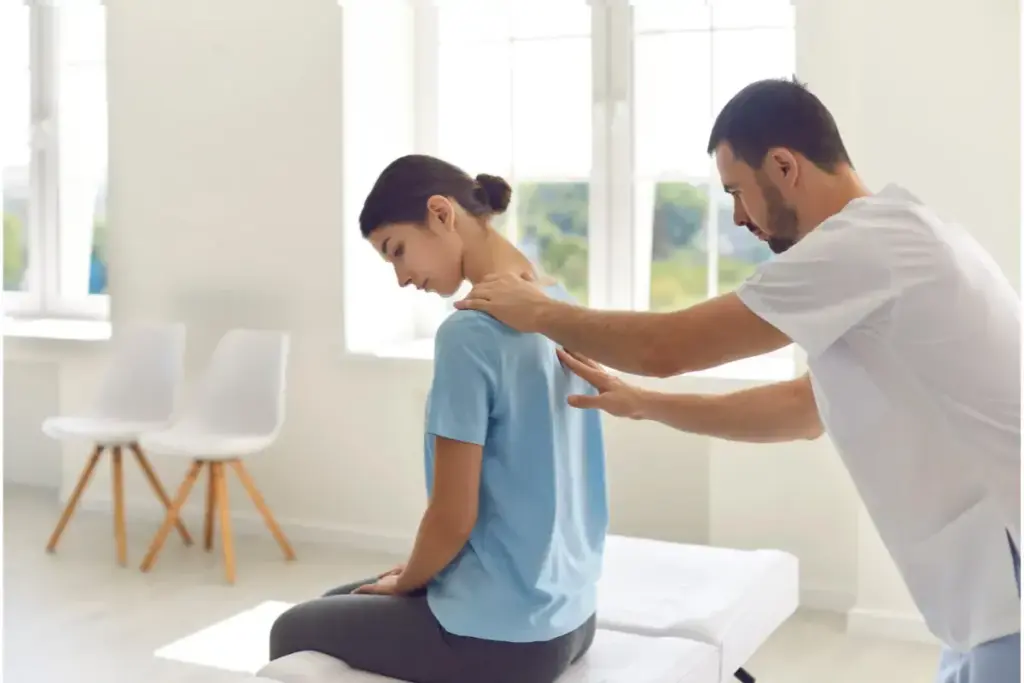
Healthcare professionals use different methods to find out if someone has scoliosis. It’s important to know how severe it is to choose the right treatment.
Physical Examination Techniques
Doctors start by looking for signs of scoliosis during a physical exam. They check for uneven shoulders or hips. They also do the Adam’s Forward Bend Test to see if the spine is curved.
The Adam’s Forward Bend Test is when you bend forward at the waist. This lets the doctor see if your spine is curved. It’s a simple test that helps figure out if you have scoliosis.
Imaging Methods for Scoliosis
Imaging tests are key to confirming scoliosis and figuring out how severe it is. X-rays are often used because they show the spine’s structure and any curvatures well.
X-rays are taken from the front and side to get a full view of the spine. Sometimes, MRI or CT scans are used too. They give more detailed pictures of the spine and the tissues around it.
Understanding Cobb Angle Measurements
The Cobb angle is a way to measure how curved the spine is. It’s found by drawing lines on the X-ray and measuring the angle between them.
|
Cobb Angle Range |
Severity Classification |
Typical Treatment Approach |
|---|---|---|
|
10-20° |
Mild |
Observation, physical therapy |
|
20-40° |
Moderate |
Bracing, physical therapy |
|
40-60° |
Severe |
Surgical intervention considered |
|
>60° |
Very Severe |
Surgical intervention typically recommended |
Knowing the Cobb angle is important for figuring out how severe scoliosis is. It helps doctors decide the best treatment. Regular checks and accurate measurements are key to managing scoliosis well.
The Role of Chiropractors in Healthcare
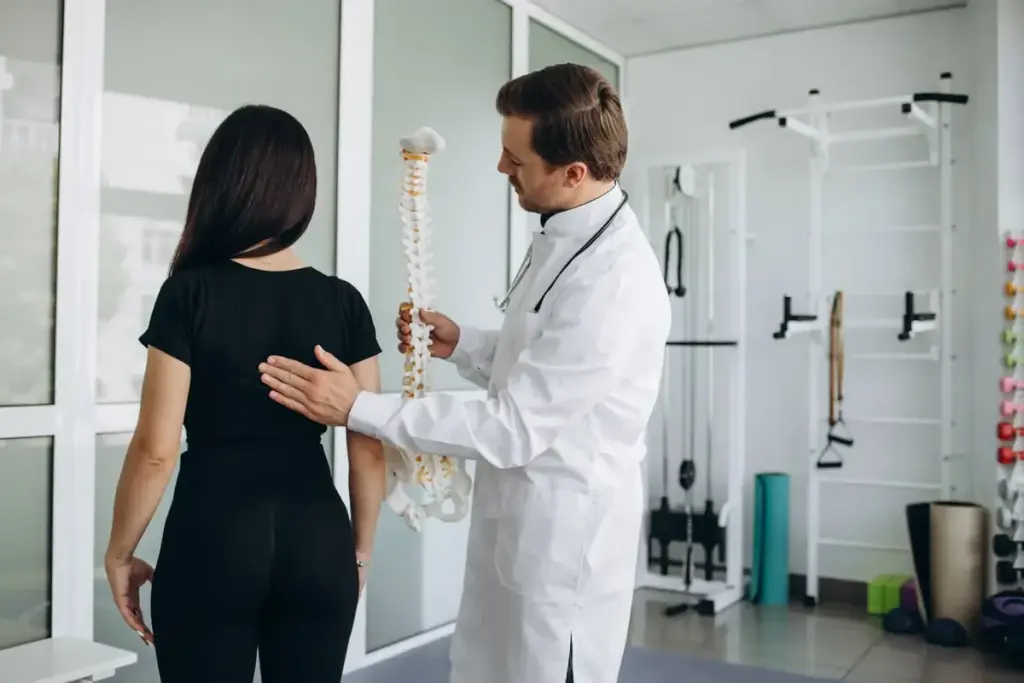
Chiropractors play a vital role in healthcare, employing unique methods to effectively assist their patients. We are trained to treat patients with spinal manipulation and other manual therapies.
Our care goes beyond just treating back pain. It’s a holistic approach that looks at the whole patient. We believe the body can heal itself, and we help it do so through our treatments.
What Chiropractors Do
Chiropractors focus on the musculoskeletal and nervous systems. We diagnose, treat, and prevent disorders related to these systems. Our main goal is to fix the spine and relieve pain through adjustments and manipulations.
We also teach our patients about exercise, nutrition, and lifestyle changes. This helps them stay healthy in the long run. We tackle the root causes of health problems, not just the symptoms.
Chiropractic Education and Training
To become a chiropractor, one needs a lot of education and training. Chiropractors earn a Doctor of Chiropractic degree, which takes at least 8 years after high school. Our studies cover anatomy, biomechanics, and radiology, among other subjects.
|
Degree |
Duration |
Focus Areas |
|---|---|---|
|
Doctor of Chiropractic |
8 years post-secondary |
Anatomy, Biomechanics, Radiology |
|
Chiropractic Internship |
1-2 years |
Clinical Practice, Patient Care |
Chiropractic Philosophy and Approach
Our philosophy is simple: the body can heal itself. We remove nervous system interference, mainly through spinal adjustments, to help the body heal naturally.
We focus on the spine and nervous system to improve health outcomes. Our care is personalized for each patient, ensuring they get the best treatment for their needs.
Chiropractic Techniques Used for Scoliosis
Chiropractors use many techniques to help with scoliosis. These methods are made for each person’s needs and how bad their scoliosis is.
Spinal Adjustments and Manipulations
Spinal adjustments are key in chiropractic care for scoliosis. They involve applying force to the spine’s joints. This improves joint mobility and reduces pain. Spinal manipulation helps restore a normal spinal alignment and improves spine function.
There are different ways to do spinal adjustments. Some chiropractors use their hands, while others use tools.
Specialized Scoliosis-Specific Techniques
Chiropractors also use special techniques for scoliosis. These include:
- Chiropractic Biophysics (CBP): This method fixes spinal deformities with adjustments, exercises, and orthotics.
- Scoliosis-specific exercises: These exercises strengthen the muscles around the spine and improve posture.
These techniques are used with spinal adjustments for a full treatment plan.
Complementary Therapies in Chiropractic Care
Chiropractors also suggest other therapies for scoliosis treatment. These include:
- Physical therapy modalities like heat or cold therapy to lessen pain and swelling.
- Postural education to teach patients how to keep the right posture.
- Nutritional advice to help spinal health.
By mixing these methods, chiropractors offer a complete treatment plan. It covers physical and nutritional aspects of scoliosis care.
Is Scoliosis Curable? Exploring the Reality
Whether scoliosis is curable is a complex question. It involves understanding the condition and its treatments. Scoliosis is a spine curvature that affects people of all ages, with different levels of severity.
When we talk about curing scoliosis, we need to know what “cure” means here. A cure usually means the condition is completely fixed. But, scoliosis treatment often aims to manage it, lessen symptoms, and improve life quality.
Defining “Cure” in the Context of Scoliosis
In scoliosis, a “cure” means the spine’s curve is greatly improved, and symptoms are reduced or gone. But, what counts as a cure can change based on the scoliosis’s severity, the patient’s age, and the treatment used.
For some, like those with mild scoliosis, treatment can greatly improve spinal alignment and lessen symptoms. In these cases, the condition is well-managed, even if not fully “cured.”
Realistic Expectations for Treatment Outcomes
It’s important to know what to expect from scoliosis treatment. Success depends on the curve’s degree, the patient’s health, and the treatment’s effectiveness.
Chiropractic care can help manage scoliosis by aligning the spine, reducing pain, and improving life quality. But, how much improvement varies, and sometimes surgery is needed.
Factors Affecting Treatment Success
Many things can affect how well scoliosis treatment works. These include the curve’s severity, the patient’s age, and their health. Also, the treatment chosen and how well the patient follows the plan are key.
|
Factor |
Impact on Treatment Success |
|---|---|
|
Severity of Curvature |
More severe curvatures are generally harder to treat. |
|
Patient’s Age |
Younger patients tend to have better outcomes due to greater spinal flexibility. |
|
Overall Health |
Patients with fewer health issues tend to respond better to treatment. |
|
Treatment Compliance |
Adherence to the treatment plan significantly affects outcomes. |
In conclusion, scoliosis may not be fully “curable” for everyone. But, treatments like chiropractic care can greatly improve life quality. Knowing what affects treatment success and having realistic hopes are key to managing scoliosis well.
Scientific Evidence: Does Chiropractic Really Work for Scoliosis?
The scientific world is looking closer at how chiropractic care affects scoliosis. Looking into the research, we see different opinions on chiropractic’s role in treating scoliosis.
Research Studies on Chiropractic and Scoliosis
Many studies have looked into chiropractic care for scoliosis. They focus on spinal adjustments and manipulations as treatments. Some studies show chiropractic care can improve spinal alignment and slow scoliotic curve growth.
What Medical Organizations Say
- The American Academy of Orthopaedic Surgeons says chiropractic care is okay but patients with serious scoliosis need specialists.
Limitations of Current Research
Even with more research, there are big challenges. Studies often have small groups, different methods, and varied results. This makes it hard to say for sure if chiropractic care works for scoliosis.
Also, scoliosis is different for everyone. So, each treatment plan must be tailored to the patient’s specific needs.
In summary, while some studies suggest chiropractic care can help with scoliosis, we need more research. This will help us understand its benefits and limits better.
Conventional Medical Treatments for Scoliosis
There are many ways to treat scoliosis, from watching it closely to surgery. The right treatment depends on how severe the curve is, the patient’s age, and if they have symptoms.
Observation and Monitoring
For mild scoliosis, with a curve less than 20 degrees, doctors often suggest observation and monitoring. This means regular visits to check how the curve is changing. X-rays are used to see if the spine is getting worse.
Watching the spine is common in kids and teens because their spines are growing. The goal is to catch any big changes early, so they can get help if needed.
Bracing Options and Effectiveness
When the curve is between 20 and 40 degrees, and the person is growing, bracing is often suggested. The TLSO (Thoraco-Lumbo-Sacral Orthosis) brace is the most used. The brace tries to stop the curve from getting worse before surgery is needed.
Research shows that bracing can help stop or slow scoliosis in many cases. But, it only works if the patient wears the brace as directed, usually 16-23 hours a day.
Surgical Interventions and Success Rates
Surgery is usually for very severe scoliosis, when the curve is over 40-50 degrees. The most common surgery is spinal fusion. This involves fusing the vertebrae together with rods, screws, and other tools to stabilize the spine.
Surgery for scoliosis often works well, with most patients seeing a big improvement in their curve and symptoms. But, surgery also has risks like infection, nerve damage, and hardware failure.
After surgery, it’s important to follow up with physical therapy and doctor visits. This helps ensure the best outcome.
Age-Specific Scoliosis Treatment Approaches
Age is key in choosing the right scoliosis treatment. Different ages need different treatments because of health, scoliosis severity, and growth. This makes treatment plans vary a lot.
Pediatric Scoliosis Management
In kids, we watch how scoliosis changes and help their spines grow right. Finding scoliosis early is very important. It helps us treat it better.
Adolescent Idiopathic Scoliosis Treatment
Teenagers worry about scoliosis getting worse during puberty. We might use braces to stop it. Sometimes, surgery is needed to fix it.
Adult Scoliosis Care Options
Adults with scoliosis have different problems, like degeneration or untreated scoliosis from youth. We use pain relief, physical therapy, and surgery for severe cases.
Here’s a quick look at how treatment changes with age:
|
Age Group |
Primary Concerns |
Common Treatments |
|---|---|---|
|
Pediatric |
Monitoring progression, supporting spinal health during growth |
Observation, bracing |
|
Adolescent |
Preventing curvature progression during growth spurts |
Bracing, possible surgery |
|
Adult |
Managing pain, addressing degenerative changes |
Pain management, physical therapy, surgery |
Can a Chiropractor Help with Scoliosis Pain Management?
Many people with scoliosis look for ways to manage their pain. Scoliosis causes the spine to curve abnormally, leading to discomfort. Chiropractic care is seen as a helpful approach for pain relief.
Short-term Pain Relief Techniques
Chiropractors offer several methods for quick pain relief. These include:
- Spinal adjustments to improve spinal mobility and reduce pain.
- Soft tissue techniques to relax tense muscles.
- Specific exercises to strengthen the muscles supporting the spine.
Long-term Pain Management Strategies
For ongoing pain management, chiropractors suggest a mix of treatments. This includes regular spinal adjustments, exercises, and lifestyle changes. Regular chiropractic care also helps monitor scoliosis and adjust treatment plans.
When to Consider Other Pain Interventions
Chiropractic care is beneficial, but sometimes more is needed. If pain is severe or doesn’t go away, seek other treatments. This could include physical therapy, bracing, or surgery.
In summary, chiropractic care is key in managing scoliosis pain. It offers both quick relief and long-term strategies. Working with healthcare professionals helps individuals with scoliosis manage their condition and enhance their quality of life.
Potential Risks: Can Chiropractor Make Scoliosis Worse?
Chiropractic care can help with scoliosis, but it’s important to know the risks. Like any medical treatment, chiropractic care has its own set of risks. Patients need to be aware of these.
Safety Concerns and Possible Complications
Chiropractic adjustments involve moving the spine. This can be risky for people with certain types of scoliosis. The main worry is that it might make the condition worse or cause nerve damage or more pain.
Potential Complications:
- Nerve damage from spinal manipulation
- Worsening of scoliosis symptoms
- Increased pain or discomfort
- Rarely, vertebral artery dissection or stroke
Who Should Avoid Chiropractic Treatment
Not everyone with scoliosis should see a chiropractor. Those with severe scoliosis or significant spinal deformities should be careful. Also, people with conditions like osteoporosis or spinal instability should avoid chiropractic adjustments.
|
Condition |
Risk Level |
Recommendation |
|---|---|---|
|
Severe Scoliosis |
High |
Avoid chiropractic care or consult with a specialist |
|
Osteoporosis |
High |
Caution advised; consider alternative treatments |
|
Mild Scoliosis |
Moderate |
Consult with a chiropractor; monitor progress closely |
Warning Signs During Treatment
Patients should watch for warning signs during chiropractic treatment. These include increased pain, numbness, tingling, or weakness in the limbs. If these symptoms happen, tell your chiropractor right away.
Knowing the risks and warning signs helps patients make better choices. We suggest talking to a healthcare professional before starting chiropractic treatment for scoliosis.
Scoliosis Exercises and Physical Therapy Approaches
Scoliosis treatment now includes special exercises and physical therapy. These methods help manage scoliosis better. They improve physical health and quality of life for those with it.
Schroth Method and Specialized Exercise Programs
The Schroth Method is a known exercise program for scoliosis. It was created in the 1920s by Katharina Schroth. This method focuses on exercises that:
- Improve posture
- Enhance spinal flexibility
- Strengthen the muscles around the spine
These exercises help people with scoliosis improve their spinal alignment and physical function.
Core Strengthening and Posture Improvement
Core strengthening is key in managing scoliosis. A strong core stabilizes the spine, reducing curvature risk. Exercises for the abdominal and back muscles are very helpful. Also, improving posture through exercises can ease scoliosis discomforts.
Integration with Chiropractic Care
Combining these exercises with chiropractic care offers a full treatment plan. Chiropractors can adjust the spine to make exercises more effective. This integrated approach can greatly improve spinal health and overall well-being for those with scoliosis.
Using these methods in a treatment plan helps manage scoliosis better. It’s important to work with healthcare professionals to create a personalized program. This ensures the best spinal health for each individual.
Holistic Approaches to Treating Scoliosis
Holistic treatments for scoliosis look at the whole person. This means treating the body, mind, and spirit. It helps manage the spinal condition and boosts overall health.
Nutrition and Supplementation
Eating a balanced diet is key for spinal health. Nutrients like calcium, vitamin D, and magnesium are important for bones. A healthcare professional can help create a diet plan with supplements if needed.
Some supplements might help with scoliosis symptoms. For example, omega-3 fatty acids can reduce inflammation and pain. Always talk to a doctor before starting any supplements.
Mind-Body Techniques for Scoliosis
Mind-body techniques are great for scoliosis treatment. Yoga and meditation can lower stress, improve flexibility, and boost well-being. They also help manage pain and posture.
Adding mind-body practices to daily life can bring many benefits. For instance, mindfulness meditation can reduce anxiety and improve mental health.
Lifestyle Modifications for Better Outcomes
Changing your lifestyle can greatly improve scoliosis treatment. Maintaining a healthy weight, exercising regularly, and practicing good posture are essential. Avoiding smoking and limiting alcohol also helps spinal health.
Also, making ergonomic changes in daily activities can help. This includes using proper lifting techniques and setting up workspaces for good posture.
Finding the Right Scoliosis Specialist Near Me
When looking for a scoliosis specialist, it’s important to think about a few key things. Scoliosis treatment can be complex and involves many healthcare professionals. A chiropractor specializing in scoliosis or an orthopedic specialist can be a big help in your treatment.
Qualifications to Look For
When checking out scoliosis specialists, look for certain qualifications. Make sure they have the right education and training for scoliosis treatment. This could include special courses or certifications in orthopedics or chiropractic care.
Experience is also key. Look for a specialist who has a good track record with scoliosis patients.
Also, think about their treatment approach. A good specialist will have a treatment plan that might include spinal adjustments, bracing, physical therapy, and lifestyle changes. They should also be open to working with other healthcare professionals for your care.
Questions to Ask Your Specialist
Before choosing a scoliosis specialist, ask the right questions. First, ask about their experience with scoliosis cases like yours. Find out about their treatment methods and what you can expect.
It’s also good to ask about their communication style and how they handle your questions or concerns. Other important questions include: What’s your treatment philosophy? How will we track progress? Are there any risks or complications with the treatment?
Red Flags to Watch Out For
When searching for a scoliosis specialist, watch out for red flags. Be wary of providers who promise unrealistic results or use aggressive sales tactics. A good specialist will give you a realistic view of what treatment can do and won’t rush you into decisions.
Also, be cautious of poor communication or a lack of transparency about treatment options and risks. If a specialist doesn’t listen to your concerns or doesn’t answer your questions clearly, it might be time to get a second opinion.
Conclusion: Making Informed Decisions About Scoliosis Care
Scoliosis is a complex condition that needs a full care plan. Knowing the types, how it’s diagnosed, and treatment options is key. This knowledge helps you make smart choices about your health.
Chiropractic care can help with scoliosis, managing pain and improving spinal movement. But, it’s important to choose a chiropractor with scoliosis experience.
When thinking about scoliosis care, weigh the good and bad of each treatment. Talk to healthcare experts about your choices. This way, you can find the best care for you, leading to better health outcomes.
FAQ
Does chiropractic care actually help with scoliosis?
Chiropractic care can help with scoliosis. It can manage pain and improve spinal flexibility. It’s a useful part of treatment, but it can’t fix the spinal curve.
Can a chiropractor fix scoliosis?
Chiropractors can help with scoliosis symptoms. They can improve your quality of life. But, they can’t cure scoliosis. Treatment success depends on the condition’s severity and your health.
Is scoliosis curable?
Some scoliosis cases can be managed well. But, a cure isn’t always possible. Treatment aims to stabilize the spine, reduce pain, and improve function.
What are the best treatment options for scoliosis?
Treatment for scoliosis varies. It depends on the condition’s severity, your age, and health. Options include observation, bracing, physical therapy, chiropractic care, and sometimes surgery.
Can chiropractic care make scoliosis worse?
Chiropractic care is usually safe. But, wrong or aggressive treatment can cause discomfort. It’s important to see a qualified chiropractor with scoliosis experience.
What are the benefits of chiropractic care for scoliosis?
Chiropractic care can ease pain and improve spinal flexibility. It can also enhance your overall well-being. It’s a good addition to other treatments like bracing or physical therapy.
How do I find a qualified chiropractor for scoliosis treatment?
Look for a chiropractor with experience in spinal deformities. They should know the latest research and techniques. Check their credentials, read reviews, and ask for referrals.
Are there any non-surgical scoliosis treatment options?
Yes, there are non-surgical options. These include observation, bracing, physical therapy, chiropractic care, and alternative therapies like acupuncture or massage. A combination of these methods is often the most effective.
Can scoliosis exercises help alleviate symptoms?
Yes, exercises like those in the Schroth Method can help. They improve spinal flexibility, strengthen muscles, and reduce pain. These exercises are a valuable part of treatment.
What are the risks associated with scoliosis surgery?
Scoliosis surgery has risks like infection, nerve damage, and hardware failure. It’s important to consider the benefits and risks. Talk to a healthcare provider about your concerns.
Can lifestyle modifications help manage scoliosis?
Yes, a healthy lifestyle can help manage scoliosis. Eating well, exercising regularly, and maintaining good posture can alleviate symptoms. Lifestyle changes are a valuable addition to othe
r
National Center for Biotechnology Information. Evidence-Based Medical Insight. Retrieved from https://pmc.ncbi.nlm.nih.gov/articles/PMC3675366/



 Departments
 Related Videos
 Our Doctors
 News
News