Did you know that nearly 80% of people with scoliosis have family members with it too? This fact makes us wonder about the role of genetics. We dive into how genetics and scoliosis are connected, shedding light on the risks for your family.
Is it in your DNA? Discover if scoliosis is genetic and learn the shocking truth about how family history impacts your child’s spinal growth.
Is it in your DNA? Discover is scoliosis genetic ? and learn the shocking truth about how family history impacts your child’s spinal growth.
Studies show that scoliosis can be shaped by many genetic factors. Even though we’re not yet sure of all the causes, knowing about the genetic side can help families take care of their health.
Key Takeaways
- Family history plays a significant role in scoliosis diagnosis.
- Multiple genetic factors contribute to the development of scoliosis.
- Understanding hereditary factors can help individuals manage their risk.
- Scoliosis is a complex condition influenced by various factors.
- Genetic research continues to uncover the causes of scoliosis.
Understanding Scoliosis: Definition and Types
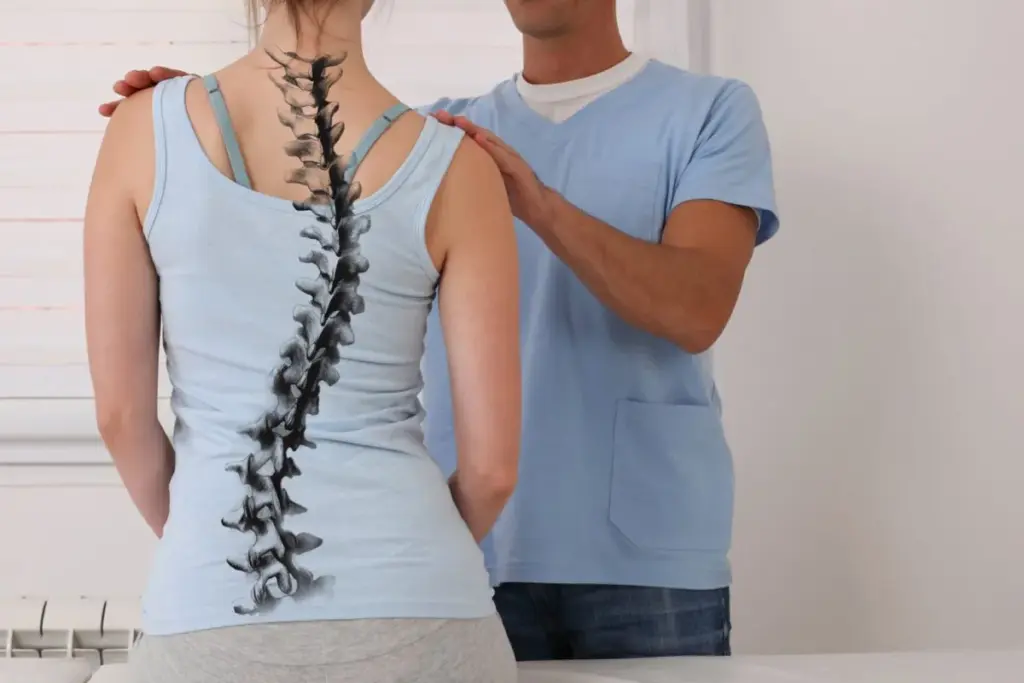
To understand scoliosis, we first need to know what it is and its types. Scoliosis is a condition where the spine curves abnormally. Normally, the spine looks straight from the front or back. But in scoliosis, it curves to one side, forming an “S” or “C” shape.
What is Scoliosis?
Scoliosis can happen at any age, but it’s often found in teens. It can be mild or severe, needing surgery. Knowing about scoliosis helps both patients and doctors manage it well.
The exact reason for scoliosis is not always clear. But it’s thought to be caused by genetics, environment, and hormones. Studies show that having a family history of scoliosis increases your risk.
Different Types of Scoliosis
Scoliosis isn’t just one thing; it’s a term for many spinal curvatures. The main types are:
- Idiopathic Scoliosis: This is the most common, making up about 80% of cases. “Idiopathic” means we don’t know the cause.
- Congenital Scoliosis: This is present at birth, caused by abnormal spinal development in the womb.
- Neuromuscular Scoliosis: This is linked to diseases like cerebral palsy or muscular dystrophy.
- Degenerative Scoliosis: This happens in adults due to spine changes like arthritis or osteoporosis.
Prevalence and Demographics
Scoliosis affects people of all ages, but it’s more common in certain groups. Adolescent idiopathic scoliosis is the most common, appearing during puberty. Girls are more likely to get scoliosis and need treatment. Knowing who is at risk helps us screen and treat them better.
By understanding scoliosis, its types, and who it affects, we can tackle this condition better. Early detection and management are key.
Is Scoliosis Genetic? The Scientific Evidence

Scoliosis is a condition where the spine curves abnormally. Research indicates significant genetic links to scoliosis. Scientists are studying these links to find treatments.
Research on Genetic Links
Many studies have found that genetics play a big role in scoliosis. Genetic research has found genes that increase the risk of scoliosis.
Our understanding of scoliosis genetics has grown a lot. People with a family history of scoliosis are more likely to get it.
Twin Studies and Family Patterns
Twin studies have been key in understanding scoliosis genetics. They show that identical twins are more likely to both have scoliosis. This points to a strong genetic link.
- Twin studies show identical twins are more likely to have scoliosis.
- Family patterns show scoliosis can run in families.
- The risk of scoliosis goes up if more family members have it.
Genetic Markers Associated with Scoliosis
Recent research has found genetic markers linked to scoliosis. These markers can help predict who might get scoliosis. They could lead to genetic tests for scoliosis.
Some important findings are:
- Genetic variants that raise the risk of scoliosis.
- Genetic mutations that affect spinal development and curvature.
- Potential genetic tests to identify those at risk.
Understanding scoliosis genetics is key to better treatments. As research finds more about scoliosis genetics, we can offer more personalized care.
Hereditary vs. Idiopathic Scoliosis: Key Differences
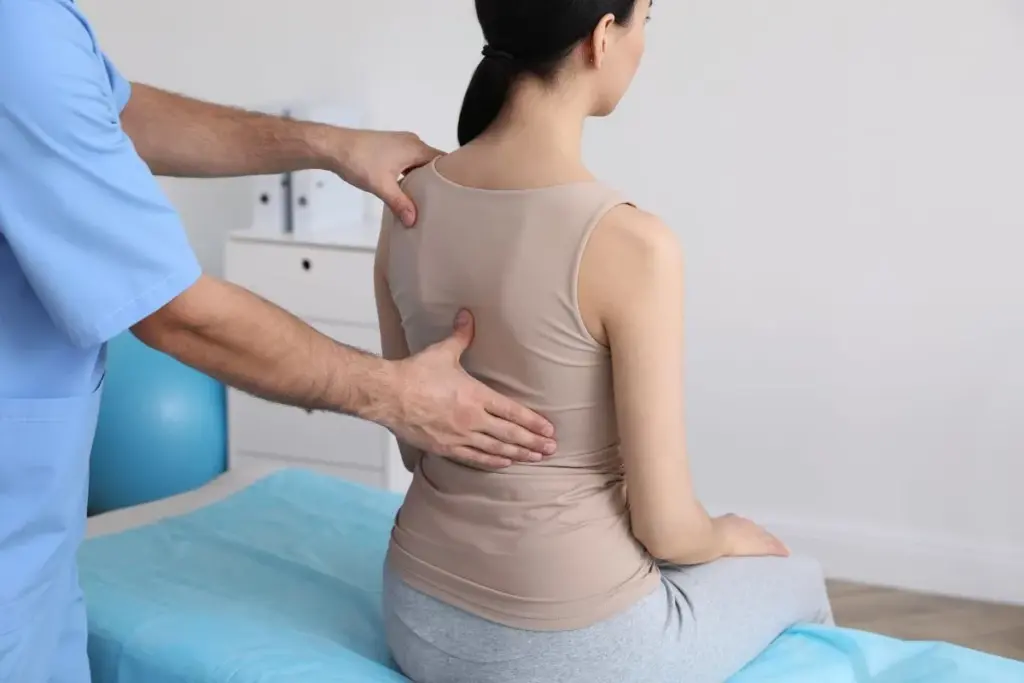
It’s important to know the difference between hereditary and idiopathic scoliosis for better care. Scoliosis is when the spine curves abnormally. Knowing the cause and characteristics of each type helps a lot in treating patients.
Defining Hereditary Scoliosis
Hereditary scoliosis is passed down in families. It shows that genetics play a role in spinal curvature. Studies show that people with a family history of scoliosis are more likely to get it.
Key characteristics of hereditary scoliosis include:
- A clear family history of scoliosis
- Early onset, often during childhood or adolescence
- Potential for more severe curvature
Understanding Idiopathic Scoliosis
Idiopathic scoliosis is the most common type, making up about 80% of cases. It’s called “idiopathic” because we don’t know what causes it. It usually starts in adolescence, and girls are more likely to have severe cases.
Characteristics of idiopathic scoliosis include:
- Unknown cause
- Typically diagnosed during adolescence
- More common in girls
How to Distinguish Between Types
To tell hereditary from idiopathic scoliosis, doctors look at medical history, physical exams, and sometimes genetic tests. A family history points to hereditary scoliosis. Without a family history, it might be idiopathic scoliosis.
|
Characteristics |
Hereditary Scoliosis |
Idiopathic Scoliosis |
|---|---|---|
|
Family History |
Present |
Not typically present |
|
Cause |
Genetic factors |
Unknown |
|
Age of Onset |
Can be early (childhood) |
Typically adolescence |
A scoliosis expert says, “Knowing the difference helps tailor treatments. This can lead to better results.”
“The distinction between hereditary and idiopathic scoliosis is not just semantic; it has practical implications for treatment and management.”
Maternal vs. Paternal Inheritance: Is Scoliosis Hereditary from Mom or Dad?
Research has shown that scoliosis can be passed down from parents. This raises questions about whether it’s more likely to come from mom or dad. Both mom and dad’s genes play a role in this.
Patterns of Maternal Inheritance
Studies have found that mom’s genes are a big factor in scoliosis. “A mother with scoliosis is more likely to pass the condition to her children, mainly daughters.” This is because scoliosis is more common in families where the mom has it.
Genetic and hormonal factors from mom might explain this. For example, some genes linked to scoliosis are more likely to be passed from mom to child.
Patterns of Paternal Inheritance
While mom’s genes get more attention, dad’s genes also matter. “Fathers with scoliosis can pass the condition to their offspring, with different risk factors and patterns than mom’s.” Research shows that dad’s genes can also contribute to scoliosis, mainly if there’s a family history.
Understanding scoliosis involves looking at both mom and dad’s family history. This shows how complex the genetics are.
Gender Differences in Inheritance
Gender also affects how scoliosis is passed down.
“Girls are more likely to develop scoliosis and to inherit it from their parents, mainly their moms.”
This difference is key to understanding scoliosis’s hereditary nature.
When looking at a child’s risk for scoliosis, gender matters. The mix of genetics and gender can greatly affect the chance of getting the condition.
Genetic Mechanisms Behind Scoliosis
Research into scoliosis has made great strides, revealing its genetic roots. This knowledge is vital for understanding scoliosis and its hereditary traits.
Chromosomal Factors
Studies have pinpointed certain chromosomal areas linked to scoliosis. These spots house genes that might play a role in the condition’s development. For example, research has found genetic markers on chromosomes 6, 9, and 17 to be associated with scoliosis.
Key chromosomal regions:
- Chromosome 6: Associated with familial idiopathic scoliosis
- Chromosome 9: Linked to adolescent idiopathic scoliosis
- Chromosome 17: Implicated in the development of scoliosis
Gene Mutations Associated with Scoliosis
Research has pinpointed specific gene mutations that increase scoliosis risk. These mutations can alter proteins essential for spinal growth.
The TBX6 gene mutation is a notable example, linked to congenital scoliosis. Ongoing research aims to identify more genes and mutations involved in scoliosis.
Multifactorial Inheritance Patterns
Scoliosis is a multifactorial disorder, influenced by genetics and environment. The complex interaction between genes and environmental factors makes inheritance patterns hard to predict.
People with a family history of scoliosis are more likely to develop it. This highlights the significant role of genetics in scoliosis.
|
Factor |
Description |
Impact on Scoliosis |
|---|---|---|
|
Genetic Mutations |
Specific mutations affecting spinal development |
Increases risk of developing scoliosis |
|
Chromosomal Regions |
Certain regions linked to scoliosis |
Contributes to hereditary aspects |
|
Environmental Factors |
Influences such as lifestyle and hormonal changes |
Interacts with genetic factors to influence scoliosis development |
Congenital Scoliosis and Genetic Links
The spine forms early in a baby’s development. This is when congenital scoliosis can happen, often because of genes. It’s a condition where the spine curves abnormally at birth. This happens because of problems with vertebrae formation during development.
Embryonic Development and Spinal Formation
The spine grows from somites, which are cells that turn into vertebrae. Any issue in this process can cause spinal problems. Genetic factors are thought to affect this process, making some more likely to have these problems.
Scientists are studying how genes lead to congenital scoliosis. They’ve found some genetic syndromes that raise the risk of this condition.
Genetic Syndromes Associated with Congenital Scoliosis
Congenital scoliosis often goes with other genetic syndromes. For example, Klippel-Feil syndrome and VACTERL association. These syndromes show how genes and development are connected.
- Klippel-Feil syndrome is when two or more cervical vertebrae fuse.
- VACTERL association includes vertebral, anal, cardiac, tracheo-esophageal, renal, and limb problems.
Prenatal Detection Possibilities
New ultrasound tech helps spot congenital scoliosis early. This means better care after birth. Prenatal diagnosis also helps families understand what to expect.
Genetic tests can spot some syndromes linked to congenital scoliosis. But, the mix of genes and environment means not all cases can be seen before birth.
Adolescent Idiopathic Scoliosis (AIS) and Family History
It’s important to know the genetic roots of adolescent idiopathic scoliosis (AIS) for early treatment. AIS is the most common scoliosis type, often found during puberty. Its causes are complex, with genetics being a big part.
Genetic Risk Factors for AIS
Studies have found genetic links to AIS. People with a family history of AIS are more likely to get it. Certain genetic markers and mutations raise the risk, but how they work is not fully understood.
Key genetic risk factors include:
- Family history of AIS
- Specific genetic mutations
- Genetic syndromes linked to scoliosis
“The genetic factors contributing to AIS are complex and multifaceted, involving multiple genes and potentially environmental interactions.”
Family Clustering Patterns
AIS often shows up more in some families. This pattern suggests a genetic link, with certain traits passed down through generations.
|
Family Member |
Risk of Developing AIS |
|---|---|
|
First-degree relative (parent, sibling) |
Increased risk |
|
Second-degree relative (grandparent, aunt/uncle) |
Moderate risk |
|
No known family history |
Lower risk |
Age of Onset and Genetic Correlations
AIS usually starts during the adolescent growth spurt. Research links earlier onset to stronger genetic influence. This is because some genes affect growth and development.
Knowing the genetic risks and family patterns helps doctors spot and treat AIS early. This way, they can manage the condition more effectively.
Adult Degenerative Scoliosis: Genetic or Environmental?
The cause of adult degenerative scoliosis is a topic of debate among doctors. As more people age, knowing what causes this condition is key. We’ll look into whether it’s mainly genetic or environmental, and how to understand both risks.
Genetic Predisposition to Degenerative Changes
Studies show genetics are a big part of adult degenerative scoliosis. People with a family history of scoliosis are more likely to get it. Genetic predisposition makes some more prone to spinal changes.
We’ve found genetic markers linked to a higher risk of degenerative scoliosis. These markers help predict who might get it, so we can act early.
Environmental Factors vs. Genetic Influence
Genetics are important, but environmental factors also play a role. Lifestyle, work hazards, and past spinal injuries can increase risk. Knowing how genetics and environment interact is key for a full risk assessment.
|
Factor |
Genetic Influence |
Environmental Influence |
|---|---|---|
|
Family History |
High |
Low |
|
Lifestyle Choices |
Low |
High |
|
Occupational Hazards |
Low |
High |
Combined Risk Assessment
To really understand the risk of adult degenerative scoliosis, we must look at both genetics and environment. Knowing an individual’s genetic risk and environmental exposures helps doctors plan better care.
We suggest a detailed check-up that includes medical history, genetic tests, and lifestyle and environment checks. This approach helps us give more tailored care and better results for those at risk.
Scoliosis Inheritance Patterns in Families
Families with a history of scoliosis worry about passing it down. Knowing how it’s inherited helps manage the risk. It’s key for effective care.
First-Degree Relative Risk
First-degree relatives (parents, siblings, and children) of those with scoliosis face a higher risk. Research shows a strong link between family history and scoliosis. “The presence of scoliosis in a first-degree relative is a strong predictor of the condition,” recent studies say.
Especially in families with a history of adolescent idiopathic scoliosis (AIS), the risk is higher. While we don’t know all the reasons, genetics are thought to play a big part.
Extended Family Patterns
Extended family patterns show a less clear risk. While scoliosis can appear in distant relatives, the risk is lower than in first-degree relatives.
A study found that scoliosis is more common in families with spinal deformities. This hints at a genetic link to spinal issues in these families.
Generational Variations in Expression
Looking at how scoliosis is passed down through generations offers clues. The severity and when it starts can change a lot from one generation to the next.
“The variability in expression across generations highlights the complexity of scoliosis genetics and the need for continued research into the underlying mechanisms.”
In some families, scoliosis gets worse and starts earlier with each generation. In others, it stays mild or doesn’t show up at all. Knowing these patterns helps in figuring out the risk and how to manage it.
Genetic Testing for Scoliosis: Current Capabilities
Genetic testing for scoliosis is changing how we diagnose and treat it. It gives us insights into the genetic causes of scoliosis. Knowing about genetics is key for early detection and better management.
Available Genetic Tests
There are many genetic tests now that can find markers for scoliosis. These tests look at certain genes linked to the condition. For example, they might check genes related to spinal and muscle development.
- Genetic Screening Panels: These panels test many genes at once. They give a full picture of a person’s genetic risk for scoliosis.
- Whole Exome Sequencing: This method looks at all protein-coding genes in a genome. It gives deep insights into genetic changes that might lead to scoliosis.
Interpreting Test Results
Understanding genetic test results for scoliosis needs knowledge in genetics and scoliosis care. A positive result means a higher risk or predisposition to scoliosis. But it doesn’t mean the person will definitely get it.
“Genetic testing can provide valuable information about an individual’s risk of developing scoliosis, but it must be considered in the context of other clinical factors.”
— Expert in Orthopedic Genetics
Doctors must look at family and medical history, along with test results, to understand the risk.
Limitations of Current Testing Methods
Genetic testing has made big strides, but it’s not perfect yet. Scoliosis is a complex condition with many genetic and environmental factors. Finding a single gene or mutation is hard.
- Complexity of Scoliosis Genetics: The many factors in scoliosis genetics mean current tests might miss important genetic info.
- Variability in Test Sensitivity and Specificity: Different tests have different accuracy levels. This can affect how well they diagnose or predict scoliosis.
As we learn more about scoliosis genetics, genetic testing will get better and more accurate.
Risk Assessment for Children with Family History
It’s important to check if children with a family history of scoliosis might get it too. Knowing the risk helps us catch it early and treat it right.
Calculating Hereditary Risk
Figuring out the risk involves looking at the family’s genes. If a parent or sibling has scoliosis, the child’s risk goes up. We mix family history with genetic data to guess the risk.
|
Family History |
Risk Level |
|---|---|
|
No known family history |
Low |
|
First-degree relative with scoliosis |
Moderate to High |
|
Multiple family members with scoliosis |
High |
Monitoring Recommendations for At-Risk Children
At-risk kids need regular checks. We suggest visits every 6 to 12 months, based on their risk and age. These visits include physicals and X-rays to watch the spine.
Monitoring Schedule:
- Children under 10 years: Every 12 months
- Children between 10-14 years: Every 6-9 months
- Children over 14 years: Every 6 months
Early Intervention Strategies
Acting fast can really help with scoliosis. For at-risk kids, we suggest physical therapy and watching for any signs of curvature. Sometimes, a brace is needed to stop the curve from getting worse.
By knowing the risks and starting early, we can manage scoliosis in kids with a family history. This might even avoid more serious treatments later.
Environmental Factors That Influence Genetic Expression
Genetics are important in scoliosis, but so are environmental factors. The mix of genetics and environment is complex. Knowing this mix helps us find better ways to prevent and treat scoliosis.
Epigenetic Considerations
Epigenetics changes how genes work without changing the DNA. These changes can come from diet, toxins, and lifestyle. Studies show epigenetics plays a big role in scoliosis.
Key epigenetic mechanisms include DNA methylation and histone modification. These can turn genes on or off. For example, some toxins can change the spine’s development through epigenetics.
Lifestyle Factors That Modify Risk
Lifestyle choices like exercise, diet, and posture can change scoliosis risk. For example, back-strengthening exercises can help stabilize the spine. This might slow scoliosis growth.
- Nutritional factors, like calcium and vitamin D, are key for bone health. They might affect scoliosis.
- Good posture and ergonomic practices can also help spinal health. This might lower scoliosis risk.
Hormonal Influences on Gene Expression
Hormonal changes, like those in puberty, can greatly affect scoliosis. Hormones like estrogen and testosterone are vital for bone growth. Imbalances can raise scoliosis risk.
Pubertal growth spurts are a key time for scoliosis. Rapid growth can make spinal curvatures worse. Knowing how hormones affect gene expression helps us understand scoliosis during these times.
Managing Hereditary Scoliosis: Treatment Approaches
Managing hereditary scoliosis needs a full plan. This includes finding it early, trying non-surgical treatments first, and surgery if needed. Each case is different, so a custom plan is key for the best results.
Early Detection Strategies
Finding hereditary scoliosis early is very important. We suggest regular checks for kids with a family history. Early detection helps start treatment sooner, which can lead to better results. These checks usually involve a physical exam and might include X-rays or other imaging.
- Regular check-ups with a healthcare provider
- Physical examinations to monitor spinal curvature
- Imaging studies (e.g., X-rays, MRI) as needed
Conservative Treatment Options
For many, the first step is non-surgical treatments. These can include:
- Bracing: To stop the curve from getting worse, mainly in kids and teens.
- Physical Therapy: To make spinal muscles stronger and more flexible.
- Observation: Watching closely for mild cases to catch any changes.
Non-surgical care is often paired with regular checks to make sure the condition doesn’t get worse.
Surgical Interventions for Genetic Cases
When non-surgical methods don’t work, or the curve is too severe, surgery might be needed. Surgical options aim to fix the spine, keep it stable, and prevent more problems.
- Spinal fusion: To make the spine stable by joining vertebrae together.
- Growing rods: For younger patients, to grow with the spine while controlling the curve.
- Vertebral body tethering: A newer method that lets the spine grow while fixing the curve.
The choice of surgery depends on many things. These include how severe the curve is, the patient’s age, and their overall health.
Psychological Impact of Hereditary Scoliosis
Hereditary scoliosis affects more than just the spine. It also has big emotional effects on families. The fact that it’s inherited can make family feelings very complicated.
Family Dynamics and Genetic Conditions
When a family finds out about hereditary scoliosis, it can be tough. They might feel guilty, anxious, and unsure about what’s ahead. Family members may struggle to cope with the emotional burden of caring for a loved one with a chronic condition.
Parents and siblings may find it hard to understand and handle the condition. It’s important for them to talk openly and support each other emotionally.
Coping Strategies for Families
Families with hereditary scoliosis need good ways to cope. Support from healthcare professionals, family, and friends is key in dealing with the emotional side of the condition.
- Seeking professional counseling to address emotional challenges
- Joining support groups to connect with others facing similar experiences
- Educating family members about the condition to foster understanding and empathy
Support Resources for Genetic Scoliosis
Families with hereditary scoliosis can find many support resources. Access to reliable information and support networks helps them cope better with the condition.
These resources include genetic counseling, psychological support services, and online communities focused on scoliosis awareness and support.
Future Research in Scoliosis Genetics
Research on scoliosis genetics is set to change how we understand this complex condition. New genetic technologies are helping scientists dive deeper into scoliosis’s genetic roots than ever before.
Emerging Genetic Technologies
Several new genetic technologies are leading the way in scoliosis research. These include:
- Next-Generation Sequencing (NGS): NGS quickly sequences large parts of the genome. It helps find genetic variants linked to scoliosis.
- Genome-Wide Association Studies (GWAS): GWAS scan the genomes of people with scoliosis. They look for genetic markers related to the condition.
- CRISPR Gene Editing: CRISPR technology could edit genes linked to scoliosis. This might lead to new treatments.
Gene Therapy Possibilities
Gene therapy is a promising field for treating scoliosis. It targets specific genes to:
- Stop scoliosis from starting in people who are at risk.
- Slow down or stop scoliosis from getting worse.
- Lessen the symptoms of scoliosis.
Though it’s early, gene therapy for scoliosis could greatly improve treatment results.
Personalized Medicine Approaches
Personalized medicine is another area where research will make a big difference. Knowing a person’s genetic makeup lets doctors:
|
Approach |
Description |
Potential Benefit |
|---|---|---|
|
Genetic Risk Assessment |
Finding genetic markers for scoliosis. |
Early action for those at risk. |
|
Tailored Treatment Plans |
Creating treatment plans based on genetic profile. |
Better treatment results. |
|
Preventive Measures |
Using preventive steps for those at high genetic risk. |
Maybe prevent scoliosis from starting or getting worse. |
As research keeps moving forward, we’ll see more tailored and effective ways to manage scoliosis.
Conclusion: Understanding Your Family’s Scoliosis Risk
Knowing about scoliosis in your family is key. We’ve looked into how genes play a role and the patterns of inheritance. Studies show that those with a family history are more likely to get scoliosis.
It’s important to keep an eye on kids with a family history of scoliosis. Catching it early can make treatment more effective. By knowing your family’s risk, you can get them checked and treated on time.
Genetic research is getting better, helping us predict and manage scoliosis. Keeping up with new findings and watching your family’s health can lower the risks. This way, you can help protect your loved ones from scoliosis.
FAQ
Is scoliosis a genetic disease?
Research shows scoliosis has a strong genetic link. Certain genes play a role in its development. But, scientists are working to understand the exact genetic mechanisms.
Can scoliosis be hereditary?
Yes, scoliosis can run in families. People with a family history are more likely to get it.
Is scoliosis inherited from mom or dad?
Scoliosis can come from either parent. Studies indicate both mom and dad’s genes can influence its development.
What is the genetic predisposition for scoliosis?
Multiple genes increase the risk of scoliosis. Scientists are searching for specific genetic markers.
Are you born with scoliosis or does it develop?
Scoliosis can be present at birth or develop later, often in adolescence. The timing and type vary.
Can genetic testing predict scoliosis?
Genetic testing for scoliosis is not yet definitive. While research progresses, it can spot some risk factors. But, it can’t predict with certainty if someone will get scoliosis.
How does family history affect scoliosis risk?
A family history of scoliosis raises the risk. The risk is higher for first-degree relatives, like parents, siblings, or children.
What are the chances of passing scoliosis to children?
Passing scoliosis to children depends on several factors. Family history and type of scoliosis are key. Those with a family history are more likely to pass it on.
Is there a difference in scoliosis inheritance between males and females?
Yes, research shows gender differences in scoliosis inheritance. Females are more likely to get adolescent idiopathic scoliosis.
How can I assess my risk for scoliosis if there’s a family history?
To assess your risk, understand your family history. Know the signs and symptoms of scoliosis. Consult healthcare professionals for monitoring and advice.
National Center for Biotechnology Information. Evidence-Based Medical Insight. Retrieved from https://pmc.ncbi.nlm.nih.gov/articles/PMC2674301/


 Departments
 Related Videos
 Our Doctors
 News
News