
As a parent, keeping your infant safe is your top priority. The hepatitis A vaccine has been given to millions of kids. It’s safe and works well to prevent serious illness.
At Liv Hospital, we care for families with kindness and knowledge. Some kids might feel a little sore or have a low fever after the shot. But these symptoms usually go away quickly. For more info, check out KidsHealth, a reliable source for parents.
Key Takeaways
- The hepatitis A vaccine is safe and effective for infants starting at 12 months of age.
- Mild side effects may include soreness at the injection site and low fever.
- The vaccine has been administered to millions worldwide, licensed in 1995.
- It provides over 94% effectiveness against hepatitis A infection.
- Liv Hospital offers complete care and advice on vaccine choices.
Understanding the Hepatitis A Vaccine for Infants
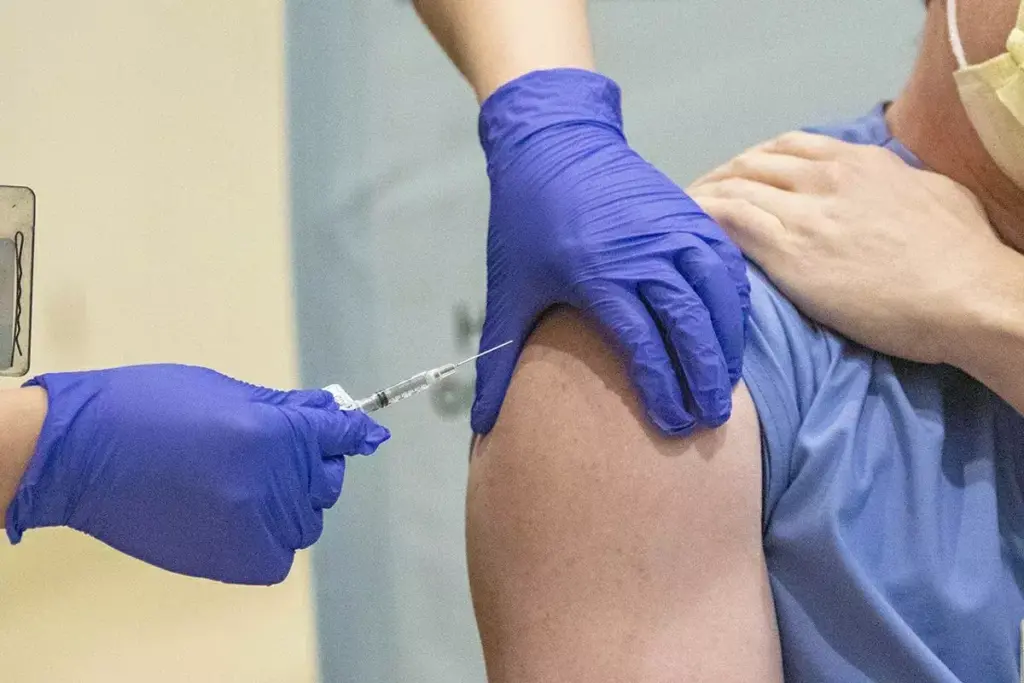
It’s important to know about the Hepatitis A vaccine to protect infants. Hepatitis A is a serious liver disease caused by the Hepatitis A virus (HAV). It can lead to serious health problems and sometimes severe complications.
What is Hepatitis A and Why Vaccinate?
Hepatitis A spreads through the fecal-oral route, often through contaminated food or water, or close contact with someone who’s infected. Infants and young children are at high risk because they may not practice good hygiene.
Vaccinating against Hepatitis A is very important for several reasons:
- It keeps infants from getting the disease, which can be very serious and need hospital care.
- It helps stop the virus from spreading in communities, which is good for everyone.
- It’s very important for infants who travel to or live in places where Hepatitis A is common.
Vaccine Schedule and Administration for Infants
The Centers for Disease Control and Prevention (CDC) say infants should get two doses of the Hepatitis A vaccine. The first dose is given when they are 12 through 23 months old. The second dose comes 6 to 18 months after the first.
The vaccine is given as an injection into the muscle, usually in the thigh for infants. It’s very important to stick to the recommended schedule to get the best protection against Hepatitis A.
Key points about the Hepatitis A vaccine schedule:
- The first dose is given between 12 to 23 months of age.
- The second dose is administered 6 to 18 months after the first dose.
- The vaccine is given intramuscularly, usually in the thigh.
Safety Profile of the Hepatitis A Vaccine

We look into the safety of the Hepatitis A vaccine, focusing on its use in infants. The safety of any vaccine is key, and the Hepatitis A vaccine is no different.
Clinical Evidence Supporting Safety
Many clinical trials and post-marketing studies have checked the vaccine’s safety. These studies have shown the vaccine is well-tolerated and safe for infants.
These studies involved thousands of people. They watched how the vaccine worked and its side effects. This gives us a full picture of its safety.
Vaccine Effectiveness and Protection
The vaccine’s safety is important, but so is how well it works. The Hepatitis A vaccine is over 94% effective in stopping the disease. It offers long-term protection.
| Study | Vaccine Effectiveness | Duration of Protection |
| Clinical Trial 1 | 94% | 10+ years |
| Clinical Trial 2 | 95% | 15+ years |
| Post-Marketing Surveillance | 96% | Ongoing |
The table shows the vaccine’s effectiveness and how long it protects, based on trials and ongoing studies.
Common Hep A Vaccine Side Effects in Infants
The Hep A vaccine is safe for most, but it can cause side effects in infants. These side effects are usually mild and don’t last long.
Mild and Expected Reactions
Infants might feel a few mild side effects after the Hep A vaccine. These can include:
- Injection site soreness or redness
- Low fever
- Headache
- Irritability
- Drowsiness
- Loss of appetite
These reactions are short-lived and often go away without needing medical help.
Duration and Management of Side Effects
How long these side effects last can vary. But most go away in a few days. Parents can help by:
- Applying a cold compress to the injection site to reduce soreness
- Using medication like acetaminophen (after consulting with a healthcare provider) to alleviate fever or discomfort
- Ensuring the infant gets plenty of rest
For more detailed information on managing vaccine side effects, we recommend visiting the CDC’s Vaccine Safety page.
Rare but Serious Adverse Events
Though rare, serious side effects can happen. These include severe allergic reactions. Symptoms include difficulty breathing, rapid heartbeat, or swelling of the face, lips, tongue, or throat. If you see these signs, get medical help right away.
| Side Effect | Frequency | Management |
| Injection site soreness | Common | Cold compress |
| Low fever | Common | Acetaminophen (after consulting a healthcare provider) |
| Severe allergic reaction | Rare | Immediate medical attention |
Knowing about the Hep A vaccine’s side effects helps parents make better choices for their infant’s health. Even though side effects can happen, the vaccine’s benefits in preventing Hepatitis A infection are greater than the risks.
Conclusion: Making Informed Vaccination Decisions
The Hepatitis A vaccine is key in stopping Hepatitis A infections in babies. Knowing it’s safe and effective helps parents protect their little ones.
The vaccine’s safety is proven, with studies showing it works well. Some mild side effects might happen, but serious problems are very rare. The good news is, the vaccine’s benefits are much greater than any risks.
It’s important to think about the vaccine’s effects and how it keeps babies safe. By choosing to vaccinate, parents can keep their babies healthy and stop Hepatitis A from spreading. We suggest talking to a doctor to learn more about the vaccine’s side effects and benefits.
FAQ:
Is the Hepatitis A vaccine safe for infants?
Yes, the Hepatitis A vaccine is safe for infants. It is safe and effective in preventing Hepatitis A infections.
What are the common side effects of the Hep A vaccine in infants?
Infants may experience mild side effects like soreness or redness at the injection site. They might also have fever or be more fussy. These effects are usually short-lived and go away on their own.
How is the Hepatitis A vaccine administered to infants?
The vaccine is given as an injection in the thigh muscle for infants. It requires two doses, six months apart.
Are there any rare but serious side effects associated with the Hep A vaccine?
Yes, though rare, serious side effects can happen. Severe allergic reactions are among them. It’s important to talk to a healthcare provider about any concerns.
How effective is the Hepatitis A vaccine in preventing Hepatitis A infection?
The Hepatitis A vaccine is very effective in preventing Hepatitis A infection. It offers long-term protection, greatly reducing the risk of getting infected.
Can the Hepatitis A vaccine cause long-term health problems in infants?
There’s no strong evidence that the Hepatitis A vaccine causes long-term health issues in infants. The vaccine has been thoroughly tested and monitored for safety over many years.
Is the Hepatitis A vaccine recommended for all infants?
The Hepatitis A vaccine is recommended for infants in specific situations. This includes travel to areas with high Hepatitis A rates or in communities with outbreaks. Healthcare providers can guide based on individual needs.
What should I do if my infant experiences a side effect from the Hep A vaccine?
If your infant has a side effect from the Hep A vaccine, see a healthcare provider. They can help manage the reaction and decide if further medical care is needed.
References:
National Center for Biotechnology Information. Evidence-Based Medical Guidance. Retrieved from https://pubmed.ncbi.nlm.nih.gov/30403910/