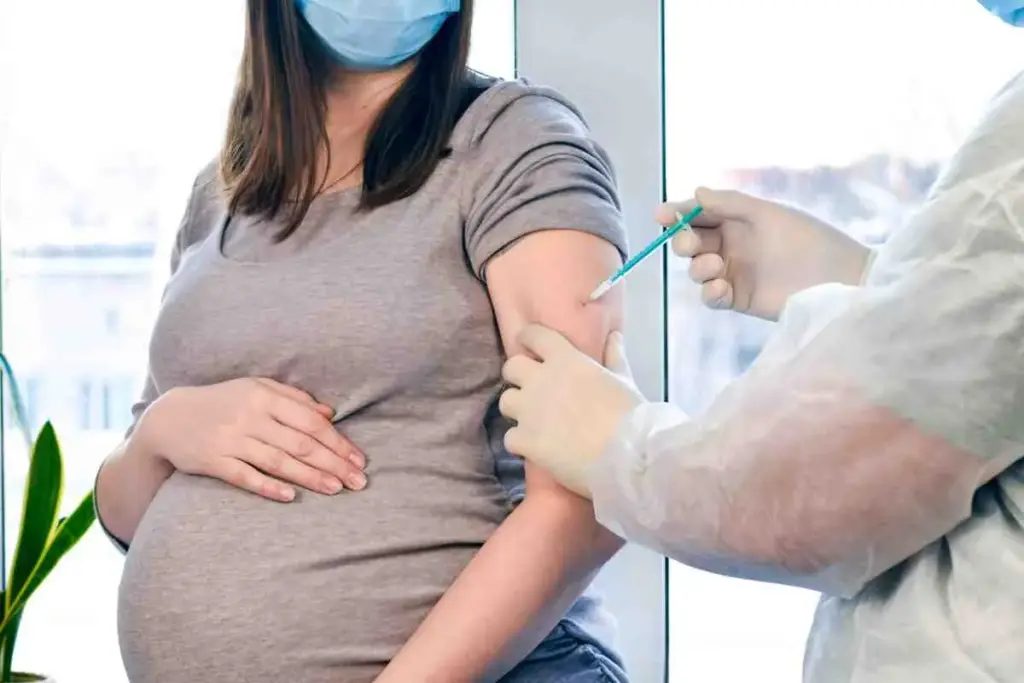
Many expectant mothers and healthcare providers worry about the rubella vaccine’s safety during pregnancy. Rubella can harm the fetus, leading to congenital rubella syndrome.
It’s key to know if vaccines are safe during this time. The MMR vaccine, which includes rubella, is usually not given to pregnant women. This is to avoid any risks.
But, studies and vaccine registries show no cases of congenital rubella syndrome from the vaccine. It’s important to talk about the risks and benefits based on evidence.
Key Takeaways
- Rubella infection poses significant risks to pregnant women and developing fetuses.
- The MMR vaccine is contraindicated during pregnancy as a precaution.
- No documented cases of congenital rubella syndrome have resulted from vaccination.
- Evidence-based counseling is key for understanding vaccine safety.
- Clinical research supports the safety of the rubella vaccine.
Understanding Pregnancy and German Measles
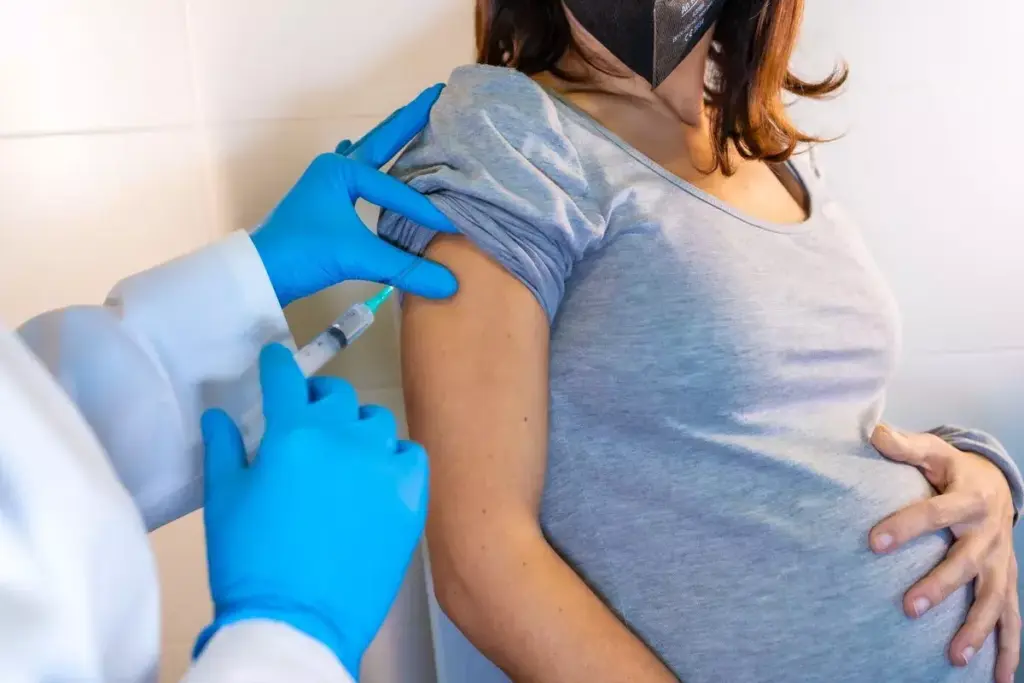
Expectant mothers should know about the dangers of viral infections like rubella. Rubella, or German measles, is a virus that can be mild in most people. But, it can cause serious harm to an unborn baby if caught during pregnancy, mainly in the first three months.
What is Rubella (German Measles)?
Rubella is caused by the rubella virus. It leads to a low fever, sore throat, and a rash that starts on the face and spreads. The infection is usually mild and may not even be noticed, but it poses a significant risk to pregnant women. The virus spreads through respiratory droplets when an infected person coughs or sneezes.
How Rubella Spreads and Symptoms
Rubella spreads through direct contact with respiratory secretions, such as mucus and saliva, from an infected person. The incubation period is between 14 to 21 days, during which the person may not show any symptoms but can stil spread the virus. Symptoms include a rash, fever, and swollen lymph nodes. In some cases, the infection may be asymptomatic.
Risks of Maternal Rubella Infection
If a pregnant woman contracts rubella, there’s a high risk of passing it to the fetus. This can lead to congenital rubella syndrome (CRS). CRS can cause serious birth defects, including heart problems, hearing and vision loss, and developmental disabilities. The risk of CRS is highest when the infection occurs in the first trimester. Knowing these risks is key to managing pregnancy and ensuring the best outcomes for both mother and baby.
Rubella Vaccine Safety and Pregnancy Concerns
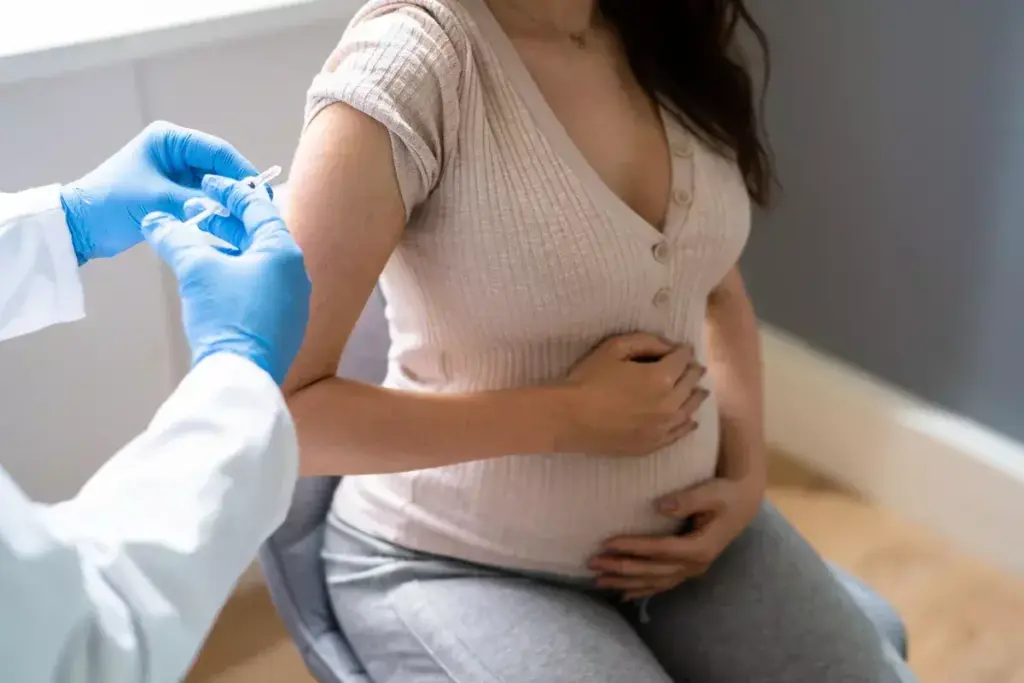
When we talk about the rubella vaccine, we must think about its effects on pregnant women. The rubella vaccine is often given as part of the MMR (measles, mumps, and rubella) vaccine. This is a key part of keeping people healthy.
MMR Vaccine: Composition and Effectiveness
The MMR vaccine is a live attenuated vaccine. It has weakened viruses in it. This helps the body fight off the viruses without getting sick. The MMR vaccine is about 97% effective against rubella after one shot.
For more info on rubella and pregnancy, check out March of Dimes. They have lots of helpful resources.
Why the Vaccine is Contraindicated During Pregnancy
Even though the MMR vaccine is very effective, it’s not given to pregnant women. This is because there’s a small chance it could pass the weakened virus to the baby. While there’s no proof it causes harm, doctors play it safe and advise against it.
CDC Vaccine in Pregnancy Registry Findings
The Centers for Disease Control and Prevention (CDC) keeps an eye on women who got the MMR vaccine while pregnant. Their study found no link to more birth defects. This research helps us understand the vaccine’s safety during pregnancy.
It’s important to know about the rubella vaccine’s safety during pregnancy. Women planning to get pregnant should talk to their doctor. They should get vaccinated at least one month before getting pregnant to stay safe.
Conclusion
It’s very important for pregnant women to know about the risks of rubella. Rubella can cause serious problems, like congenital rubella syndrome. The vaccine is key in preventing these issues.
The rubella vaccine is not given during pregnancy because of possible risks. But, getting vaccinated before pregnancy can protect against rubella. This is a big step in keeping both mom and baby safe.
Women planning to get pregnant should check if they have immunity to rubella. If not, getting the MMR vaccine at least 28 days before trying to conceive is a good idea. This can greatly lower the chance of getting rubella while pregnant.
By getting vaccinated before pregnancy, we can avoid the dangers of rubella for both mom and baby. Doctors should talk to patients about the importance of vaccination and planning for pregnancy. This helps ensure the best health outcomes.
FAQ
What is the risk of congenital rubella syndrome if I contract rubella while pregnant?
Getting rubella while pregnant, mainly in the first trimester, raises the risk of congenital rubella syndrome. This can cause miscarriage, birth defects, and even death of the baby.
Can I get the rubella vaccine while pregnant?
No, the rubella vaccine is not safe during pregnancy because it’s a live vaccine. It’s best to get vaccinated before you get pregnant to avoid infection.
How long should I wait after receiving the MMR vaccine before getting pregnant?
The CDC advises waiting at least 28 days after the MMR vaccine before getting pregnant. This helps avoid any risks.
Is the rubella vaccine effective in preventing rubella infection?
Yes, the rubella vaccine works well to prevent rubella. It’s given as part of the MMR vaccine.
What are the symptoms of rubella, and how is it spread?
Rubella symptoms are usually mild. They can include a low fever, sore throat, and a rash. The virus spreads through coughing, touching surfaces, and direct contact with someone who’s infected.
Can rubella infection during pregnancy cause miscarriage or stilbirth?
Yes, rubella infection during pregnancy can raise the risk of miscarriage and stilbirth. It also increases the risk of congenital rubella syndrome.
What does the CDC’s Vaccine in Pregnancy Registry say about the safety of the rubella vaccine?
The CDC’s Vaccine in Pregnancy Registry has looked into the safety of vaccines during pregnancy, including the rubella vaccine. They say it’s safe based on the evidence.
How can I ensure I am protected against rubella before becoming pregnant?
To protect against rubella, check your vaccination records. If you’re not immune, get the MMR vaccine at least 28 days before you get pregnant.