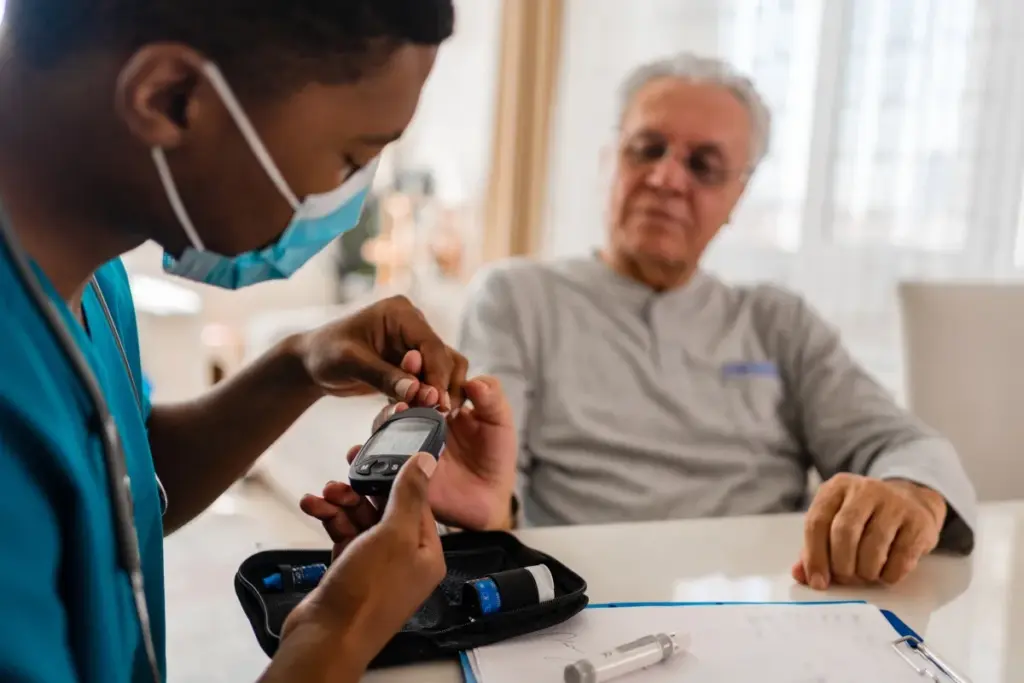
Type 2 diabetes is a chronic condition that affects millions in the U.S. It changes how the body uses glucose and manages energy.
Did you know over 40 million Americans have this condition? Yet, many don’t know they have it. It’s important to understand if type 2 diabetes is a chronic disease. Knowing its early signs and how to manage it is key for treatment.
This lifelong condition happens when the pancreas makes insulin but the body can’t use it. This leads to high blood sugar levels. It’s a big health issue worldwide. Knowing more about it helps us make better choices.
Key Takeaways
- Understanding type 2 diabetes as a chronic condition is vital for effective management.
- Recognizing early signs can lead to timely diagnosis and treatment.
- Modern prognosis management plays a critical role in controlling the condition.
- Over 40 million Americans are affected, highlighting the need for awareness.
- Effective management involves lifestyle changes and, when necessary, medication.
Understanding Type 2 Diabetes as a Chronic Disease
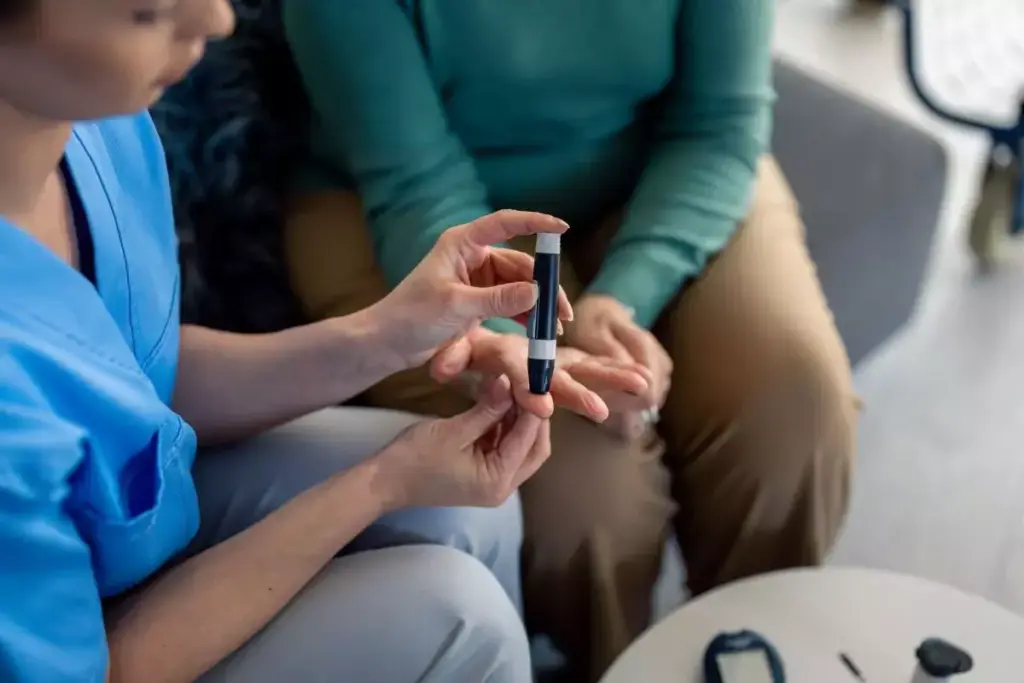
It’s key to grasp that Type 2 diabetes is a chronic condition. This disease, known as T2DM, affects millions globally. It’s a serious issue that needs attention.
The Pandemic Scale: Global and United States Statistics
Worldwide, about 589 million adults live with diabetes. Experts predict this number will hit 853 million by 2050. In the U.S., over 40 million people have diabetes, which is 12 percent of the population. Every year, 1.5 million new cases are diagnosed.
The medical world calls this condition T2DM. Its widespread nature makes it a major global health problem.
Why Type 2 Diabetes is Classified as Chronic
Type 2 diabetes is a chronic disease because it lasts a long time. It requires ongoing care. The body can’t use insulin well, leading to high blood sugar levels.
Key factors contributing to its chronic classification include:
- Lifelong management requirements
- Potential for serious complications if not managed properly
- Impact on quality of life and life expectancy
Seeing Type 2 diabetes as a chronic condition helps people manage their health better. This can lessen the disease’s severe effects.
Type 2 Diabetes Symptoms: What to Watch For
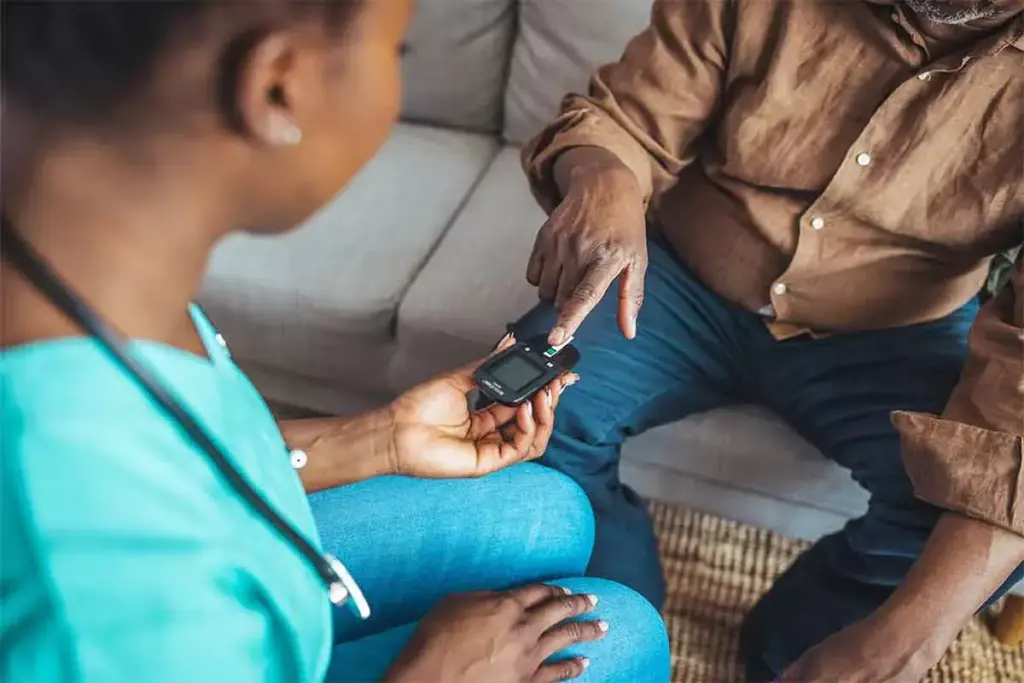
Spotting Type 2 diabetes symptoms early is key to better treatment and health. Even though your body makes insulin, it doesn’t work well because of insulin resistance. This makes it hard for cells to use insulin to control blood sugar.
Common Early Warning Signs and Indicators
The first signs of Type 2 diabetes are often subtle. But knowing them can lead you to get medical help. Look out for:
- Increased thirst and urination: Your body tries to get rid of extra glucose by drinking and urinating more.
- Fatigue: High blood sugar can make you feel weak and tired.
- Blurred vision: Blood sugar changes can blur your vision.
Physical Symptoms: Fatigue, Thirst, and Frequent Urination
As Type 2 diabetes gets worse, physical symptoms get stronger. You might notice:
- Recurring infections: Diabetes can weaken your immune system, making infections harder to fight off.
- Slow healing of cuts and wounds: High blood sugar can slow down healing.
Progressive Symptoms: Vision Changes and Slow Healing
As the condition gets worse, symptoms can get more serious. You might see:
- Vision changes: Diabetes can cause vision problems like diabetic retinopathy.
- Numbness or tingling in hands and feet: High blood sugar can damage nerves, causing numbness or tingling.
Severe Symptoms Requiring Immediate Medical Care
Seek medical help right away if you have:
- Severe hyperglycemia: Very high blood sugar can cause serious problems.
- Diabetic ketoacidosis: A dangerous condition where your body makes too many ketones.
| Symptom Category | Common Symptoms | Action Required |
| Early Warning Signs | Increased thirst and urination, fatigue | Consult a doctor |
| Physical Symptoms | Recurring infections, slow healing | Monitor and manage blood sugar levels |
| Progressive Symptoms | Vision changes, numbness or tingling | Seek medical care |
| Severe Symptoms | Severe hyperglycemia, diabetic ketoacidosis | Immediate medical attention |
The Medical Science Behind Type 2 Diabetes
Type 2 diabetes is a complex condition. It involves how the body uses insulin. This is a key part of how we process sugar.
T2DM Medical Abbreviation and Terminology
Type 2 Diabetes Mellitus, or T2DM, is the full name for Type 2 diabetes. Knowing the medical terms helps us understand it better. T2DM is marked by insulin resistance and poor insulin production, causing high blood sugar.
How Insulin is Secreted by the Pancreas and Insulin Resistance
The pancreas makes a hormone called insulin. It’s essential for cells to take in glucose. In Type 2 diabetes, cells resist insulin, making it hard for glucose to get in. The pancreas tries to make more insulin, but it can’t keep up, leading to high blood sugar.
Blood Glucose Levels: Understanding mg/dL Measurements
Managing Type 2 diabetes means watching blood glucose levels. These are measured in milligrams per deciliter (mg/dL). Normal fasting levels are between 70 to 100 mg/dL. Knowing these numbers is key to managing the disease well.
| Blood Glucose Status | Fasting Blood Glucose Level (mg/dL) |
| Normal | 70-100 |
| Prediabetes | 101-125 |
| Diabetes | 126 or higher |
People with Type 2 diabetes should keep their blood sugar close to normal. This helps avoid serious problems. Regular checks and a good management plan are important.
Conclusion: Prognosis for Type 2 Diabetes and Your Health Outlook
Understanding Type 2 diabetes as a chronic condition is key to managing it well. While there’s no cure, making lifestyle changes can greatly improve your health. This includes following a healthy diet, staying active, and taking medication as prescribed.
How well you control your blood sugar levels greatly affects your prognosis. By eating right, exercising regularly, and following your treatment plan, you can avoid serious complications. This can lower your risk of heart disease and kidney damage, among other issues.
Knowing the medical terms related to Type 2 diabetes is important. Doctors use blood glucose levels to check if treatments are working. By working with your healthcare team and making smart choices, you can live a full and active life with Type 2 diabetes.
Your prognosis for Type 2 diabetes depends on your actions and healthcare choices. By being proactive in managing your condition, you can improve your health and quality of life.
FAQ
Is Type 2 diabetes considered a chronic disease?
Yes, Type 2 diabetes is a lifelong chronic condition that requires ongoing management.
What is the medical abbreviation for Type 2 diabetes?
The medical abbreviation is T2D.
How does insulin resistance relate to Type 2 diabetes?
Insulin resistance prevents cells from using glucose efficiently, leading to high blood sugar and eventually Type 2 diabetes.
What are the common symptoms of Type 2 diabetes?
Common symptoms include frequent urination, excessive thirst, fatigue, blurred vision, and slow-healing wounds.
What is considered a normal blood glucose level?
Normal fasting blood glucose is typically 70–99 mg/dL, and post-meal levels are usually under 140 mg/dL.
Does Type 2 diabetes produce insulin?
Yes, the pancreas still produces insulin, but it may be insufficient or poorly utilized due to resistance.
What is the prognosis for individuals with Type 2 diabetes?
With proper management, many individuals live long, healthy lives, though uncontrolled diabetes can lead to complications like heart disease, kidney failure, and neuropathy.
How is Type 2 diabetes diagnosed?
Diagnosis is made using fasting plasma glucose ≥126 mg/dL, A1C ≥6.5%, 2-hour OGTT ≥200 mg/dL, or random glucose ≥200 mg/dL with symptoms.
Can Type 2 diabetes be managed without medication?
In some cases, lifestyle changes like diet, exercise, and weight management can control blood sugar without medication, especially early in the disease.
References
National Center for Biotechnology Information. Evidence-Based Medical Insight. Retrieved from https://pmc.ncbi.nlm.nih.gov/articles/PMC8465972/



 Departments
 Related Videos
 Our Doctors
 News
News