Have you ever had a sudden jaw twitch or muscle spasm? You’re not alone. Sometimes, twitching goes away with rest and stress relief. But if it keeps happening, it might mean you need to see a doctor.
At Liv Hospital, we know jaw muscle spasms can be different. They can be short and harmless or long-lasting. We focus on you and use the latest medical knowledge to help.
Trismus is a serious issue with painful jaw spasms. It can really affect your daily life. Knowing what causes it and how to treat it is key to managing it well.
Key Takeaways
- Jaw twitching can range from mild to severe and is caused by various factors.
- Persistent jaw spasms may indicate an underlying condition requiring medical attention.
- Liv Hospital offers comprehensive diagnosis and personalized treatment for jaw muscle spasms.
- Trismus is a condition characterized by painful spasms in the jaw muscles.
- Understanding causes and treatment options is crucial for effective management.
The Science Behind Jaw Twitching and Muscle Contractions
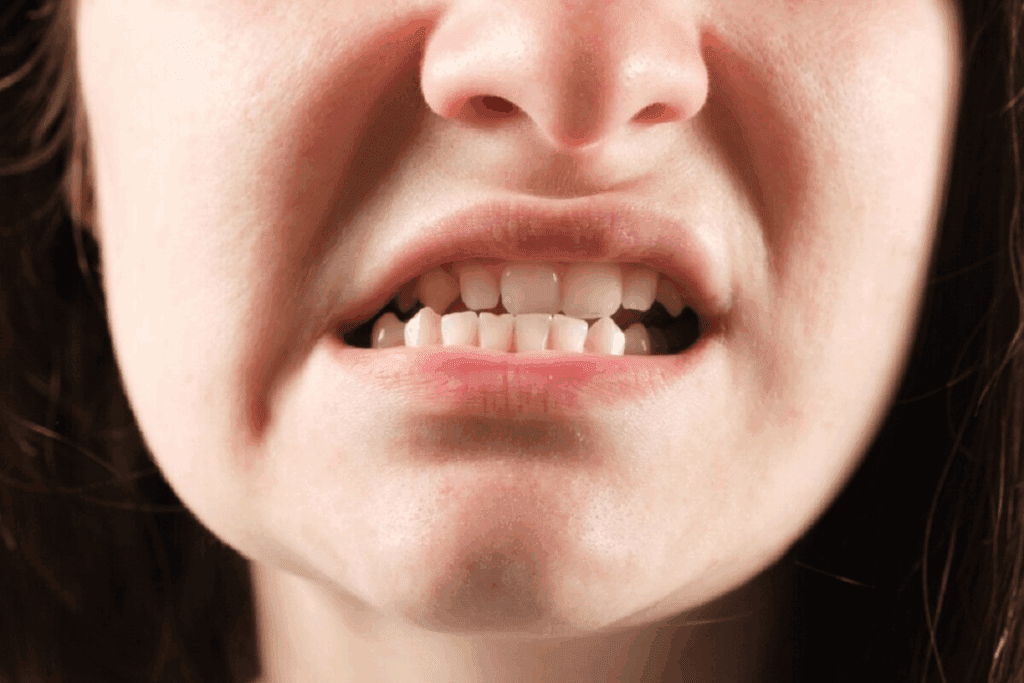
Exploring jaw twitching shows us how muscles move and what can cause them to twitch. Twitching in the jaw can be confusing and worrying. It’s linked to how muscles contract and the factors that affect these movements.
How Voluntary vs. Involuntary Muscle Movements Work
Our muscles move in two ways: voluntary and involuntary. Voluntary movements, like chewing or speaking, we control. Involuntary movements, like heartbeats or jaw twitches, we don’t control. Knowing the difference helps us find out why jaw spasms and twitches happen.
Many things can cause involuntary muscle twitches, like stress, certain health issues, or medicines. The jaw’s complex muscles and nerves make it prone to movement problems.
The Difference Between Spasms, Twitches, and Tremors
Jaw muscle contractions can show up as spasms, twitches, or tremors. A spasm is a sudden muscle contraction that can hurt and limit movement. A twitch is a small muscle contraction visible under the skin. Tremors are rhythmic movements that can be signs of neurological issues.
Telling these contractions apart is key to figuring out and treating jaw twitching. For example, dystonia, a disorder that makes muscles twist, can cause jaw spasms or twitching.
Understanding jaw twitching and muscle contractions helps us find the causes and treatments. This knowledge lets people get the right medical help and take steps to prevent or reduce symptoms.
Anatomy of the Masticatory System
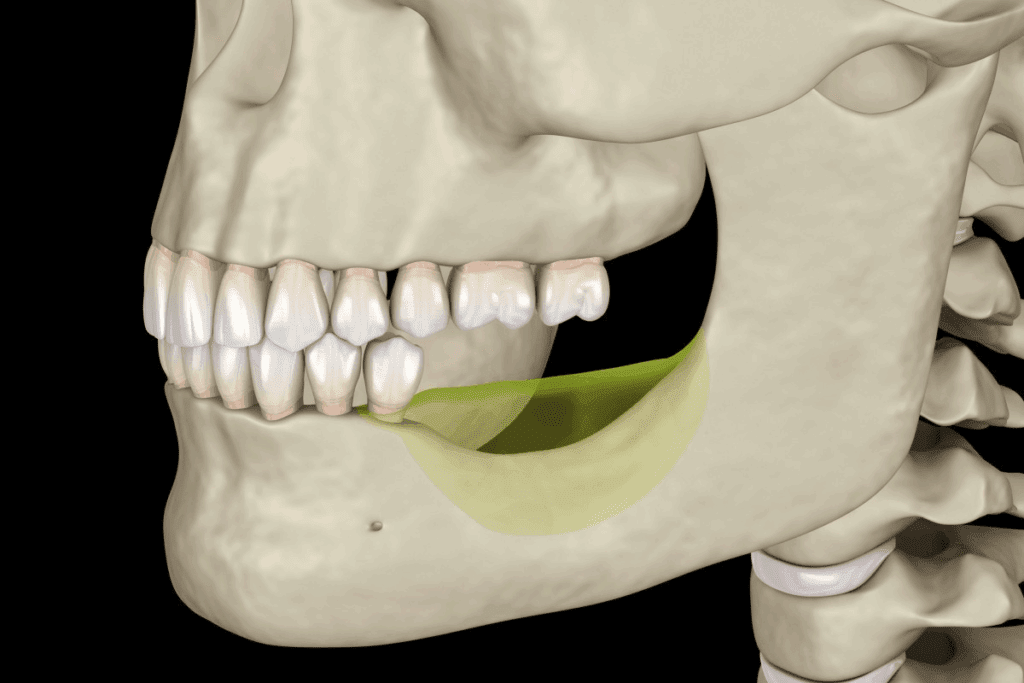
Knowing how the jaw works is key to figuring out muscle spasms in jaw. The masticatory system controls jaw movement. It includes major jaw muscles and the trigeminal nerve.
Major Jaw Muscles: Masseter, Temporalis, and Pterygoids
The main muscles for jaw movement are the Masseter, Temporalis, and Pterygoids. The Masseter muscle is very strong and closes the jaw. The Temporalis muscle helps lift the mandible, closing the mouth. The Pterygoid muscles are important for jaw rotation and side-to-side movement.
These muscles work together for actions like chewing, speaking, and yawning. If any muscle gets tense, it can cause jaw muscle spasms. So, knowing how they work is very important.
The Trigeminal Nerve’s Role in Jaw Function
The trigeminal nerve is the fifth cranial nerve. It controls the jaw muscles. It has three main parts: the ophthalmic, maxillary, and mandibular. The mandibular branch controls the jaw muscles.
The trigeminal nerve does more than just control muscles. It also sends sensory signals to the face. Problems with this nerve, like trigeminal neuralgia, can cause severe pain and jaw muscle spasms. Knowing its role helps in diagnosing and treating jaw issues.
Hemimasticatory spasm is a rare condition. It causes involuntary, spasmodic movements of the jaw-closing muscles. This shows how complex jaw anatomy and its functions can be.
Understanding Jaw Muscle Spasms: Types and Characteristics
It’s important to know the different types of jaw muscle spasms to treat them well. These spasms can show up in many ways, last for varying times, and affect people differently.
Spasms are grouped by how long they last, where they happen, and other details. This helps doctors figure out what’s causing them and how to treat them.
Acute vs. Chronic Jaw Muscle Spasms
Spasms can be either short-term or long-lasting. Acute spasms are brief and might come from a minor injury or muscle strain. On the other hand, chronic spasms last longer and could be linked to deeper issues like TMJ problems or neurological conditions.
- Acute spasms usually get better with rest and simple care.
- Chronic spasms might need more detailed treatment, like physical therapy and medicine.
Unilateral vs. Bilateral Spasms
Spasms can also be one-sided or affect both sides. Unilateral spasms happen on one side, while bilateral spasms affect both. One-sided spasms might point to a problem on that side, like nerve issues. Both-sided spasms could mean a bigger issue.
Telling if spasms are one-sided or both-sided helps doctors find the cause. For example, trigeminal nerve irritation or pressure from blood vessels can cause spasms on one side.
Hemimasticatory Spasm: A Rare Condition
Hemimasticatory spasm is a rare issue with involuntary, one-sided jaw muscle contractions. It can cause a lot of pain and odd jaw movements.
This condition often comes from trigeminal nerve problems. Knowing about it is key to helping those who have it.
Some main things about hemimasticatory spasm include:
- Uncontrolled muscle movements.
- It only affects one side.
- It’s linked to trigeminal nerve issues.
By understanding jaw muscle spasms, doctors can make treatment plans that really help each patient.
Stress and Anxiety as Triggers
Stress and anxiety make our bodies react in many ways, like jaw spasms. The mind-body connection is key in how emotional stress shows up physically, like in the jaw muscles.
The Mind-Body Connection in Jaw Tension
The link between stress and jaw tension is clear. When stressed, our body’s “fight or flight” response kicks in, causing muscle tightness. The jaw muscles are often the first to tighten, leading to spasms or clenching.
Stress-induced muscle tension can start a cycle of pain and discomfort. Tight jaw muscles can cause pain, which then raises stress levels, making the cycle worse.
How Chronic Stress Creates a Cycle of Muscle Spasms
Long-term stress can keep muscles tight, making jaw spasms more likely. Poor posture, not relaxing enough, and bad sleep can make it worse.
Breaking the cycle of muscle spasms from chronic stress is tough. But knowing what triggers it and using stress management can help ease symptoms.
Nocturnal Jaw Clenching and Its Effects
Nocturnal jaw clenching, tied to stress and anxiety, can strain jaw muscles a lot. This can cause morning jaw pain, headaches, and even wear on teeth.
| Effects of Nocturnal Jaw Clenching | Symptoms | Long-term Consequences |
|---|---|---|
| Jaw Muscle Strain | Morning jaw pain, headaches | Chronic pain, TMJ disorders |
| Teeth Grinding | Tooth wear, sensitivity | Dental damage, need for restorative dentistry |
| Discomfort | Jaw stiffness, clicking sounds | Persistent discomfort, limited jaw mobility |
Recognizing signs of stress-induced jaw clenching and tackling the root causes can help. This way, people can lessen its effects and avoid lasting harm.
Bruxism: When Teeth Grinding Causes Jaw Spasms
Bruxism is when you grind or clench your teeth. It’s common and can cause jaw muscle spasms. This can happen during the day or at night, often without you realizing it. Grinding or clenching puts too much stress on your jaw muscles, leading to pain.
Daytime vs. Nighttime Bruxism
Bruxism can happen during the day or at night. Daytime bruxism is linked to stress, anxiety, or focusing too hard. Nighttime bruxism, or sleep bruxism, happens when you’re asleep. It can be caused by sleep disorders, stress, or teeth that don’t fit right.
Knowing the difference between daytime and nighttime bruxism is key. Daytime bruxism can be managed with stress relief and awareness. Nighttime bruxism might need dental appliances or other treatments to protect your teeth and jaw.
The Connection Between Bruxism and TMJ Disorders
Bruxism and TMJ disorders are closely linked. The force from grinding can cause TMJ pain, clicking, or locking. TMJ problems can also make bruxism worse, creating a cycle of pain and tension.
Fixing bruxism is often a big step in treating TMJ disorders. This might include dental treatments, physical therapy, and stress management.
How Bruxism Damages Jaw Muscles Over Time
Long-term bruxism can seriously harm your jaw muscles. The constant strain can cause inflammation, pain, and spasms. If not treated, this can lead to chronic pain and even more serious issues.
| Effects of Bruxism | Short-term | Long-term |
|---|---|---|
| Jaw Muscle Pain | Pain and stiffness in the jaw | Chronic pain and muscle fatigue |
| TMJ Problems | Clicking or popping of the jaw | TMJ disorders, potentially requiring surgery |
| Tooth Wear | Minor chipping or wear | Significant tooth wear, potentially requiring extensive dental work |
Understanding bruxism’s causes and effects can help protect your jaw health. This includes managing stress, using dental appliances, and getting professional help when needed.
Temporomandibular Joint Dysfunction and Jaw Twitching
Temporomandibular joint dysfunction (TMJ) affects the jaw and muscles around it, causing spasms and twitching. The TMJ connects the jawbone to the skull. It’s key for movements like chewing, speaking, and yawning.
How TMJ Disorders Develop
TMJ disorders can start from jaw injuries, arthritis, or teeth grinding. Teeth grinding and jaw misalignment also play a part. These can cause pain and discomfort in the joint.
When the TMJ is not right, it can lead to muscle tension. This tension can cause involuntary muscle contractions. These contractions might show up as twitching or spasms.
The Relationship Between Joint Problems and Muscle Spasms
TMJ disorders and muscle spasms are closely linked. When the joint is off, it stresses the muscles around it. This stress can cause muscle spasms, which are painful.
The trigeminal nerve, which controls chewing muscles, can also be affected. Irritation of this nerve can lead to abnormal muscle contractions. This can cause jaw twitching and spasms.
Signs Your Jaw Twitching Is TMJ-Related
If you’re experiencing jaw twitching, look out for these signs. They might mean it’s TMJ-related:
- Pain or tenderness in the jaw joint or surrounding muscles
- Clicking or popping sounds when opening or closing the mouth
- Difficulty chewing or discomfort while chewing
- Locking of the jaw joint
- Headaches or earaches
Recognizing these signs can help diagnose TMJ-related jaw twitching. If symptoms are persistent or severe, see a healthcare professional for evaluation and treatment.
| Signs | Description |
|---|---|
| Pain or Tenderness | Pain in the jaw joint or surrounding muscles |
| Clicking or Popping Sounds | Auditory signs when opening or closing the mouth |
| Difficulty Chewing | Discomfort or pain while chewing |
| Locking of the Jaw | Restriction in jaw movement |
Understanding the link between TMJ dysfunction and jaw twitching is key. By tackling the causes and symptoms, people can find relief from this condition.
Neurological Causes of Jaw Muscle Spasms
Certain neurological conditions can cause jaw muscle spasms. It’s important to know about these conditions for effective treatment. These disorders can affect the nerves that control jaw movement, leading to spasms and other symptoms.
Trigeminal Neuralgia and Facial Pain
Trigeminal neuralgia is a chronic pain condition. It affects the trigeminal nerve, which carries sensory information from the face to the brain. Irritation or compression of this nerve can cause intense pain and muscle spasms in the jaw.
Trigeminal nerve irritation or compression by vascular structures is a common cause of trigeminal neuralgia. This compression can lead to demyelination of the nerve, resulting in abnormal pain signaling.
Hemifacial Spasm: Causes and Characteristics
Hemifacial spasm is a rare neurological disorder. It is characterized by irregular, involuntary muscle contractions on one side of the face. These spasms can be painful and may be caused by compression of the facial nerve.
When Medication Side Effects Cause Jaw Twitching
Certain medications can cause jaw twitching as a side effect. These may include antipsychotic medications, certain antidepressants, and other drugs that affect the nervous system.
Dystonia and Other Movement Disorders
Dystonia is a movement disorder. It causes muscles to contract, leading to twisting motions or other movements that are not under a person’s control. Jaw dystonia can cause significant discomfort and impairment.
| Neurological Condition | Characteristics | Treatment Options |
|---|---|---|
| Trigeminal Neuralgia | Chronic pain condition affecting the trigeminal nerve | Medications, surgery, and other interventions |
| Hemifacial Spasm | Involuntary muscle contractions on one side of the face | Botulinum toxin injections, medications, and surgery |
| Dystonia | Movement disorder causing involuntary muscle contractions | Botulinum toxin injections, medications, and physical therapy |
Understanding the neurological causes of jaw muscle spasms is essential for developing effective treatment plans. By addressing the underlying condition, healthcare providers can help alleviate symptoms and improve quality of life for patients.
Trauma, Injury, and Post-Surgical Complications
The jaw can get hurt in many ways, like injuries or problems after surgery. These can cause muscle spasms. Trauma to the jaw can lead to pain and trouble moving the jaw.
Direct Impact Injuries to the Jaw
Jaw injuries can happen from accidents, sports, or fights. These injuries can hurt right away and cause muscle spasms under the jaw. The impact can hurt the jaw muscles, causing inflammation and spasms.
Some injuries might break or move the jaw out of place. This can make healing harder and lead to longer muscle spasms. It’s key to see a doctor right away after a jaw injury to avoid lasting harm.
Whiplash-Associated Jaw Problems
Whiplash, often from car accidents, can hurt the jaw too. The sudden movement can strain the jaw muscles, causing muscle spasms in the jaw. Whiplash can cause jaw pain, clicking, or trouble moving.
Fixing jaw problems from whiplash needs a full plan. This includes physical therapy and managing pain to ease muscle spasms and help the jaw work right again.
Recovery from Dental Surgery and Jaw Spasms
Dental surgery, like taking out wisdom teeth, can cause jaw muscle spasms. The surgery can cause inflammation and muscle tightness.
After dental surgery, you’ll get care to help with pain and avoid problems. Sometimes, trismus (lockjaw) can happen, mostly after taking out impacted teeth.
Following your surgeon’s advice and going to check-ups can help with jaw spasms after surgery. This makes recovery easier.
Trismus: Severe Jaw Spasms That Limit Mouth Opening
Trismus is a condition where the jaw muscles spasm severely. This makes it hard to open the mouth. It can make daily activities like eating and speaking tough.
Understanding trismus means knowing its causes and symptoms. We’ll look at how infections and treatments after cancer can lead to it.
Causes of Lockjaw and Restricted Movement
Trismus can come from trauma, infection, or medical treatments. The main cause is the spasm of jaw muscles. This can happen due to:
- Trauma or Injury: Hits to the jaw or facial injuries can cause trismus.
- Infections: Dental infections or abscesses can lead to trismus.
- Post-Surgical Complications: Jaw surgeries can cause trismus.
- Radiation Therapy: Head and neck cancer patients are at risk of trismus.
Infection-Related Trismus
Infections are a big cause of trismus. Dental or facial infections can cause jaw muscle spasm. Common causes include:
- Dental Abscesses: Abscesses can cause severe pain and trismus.
- Pericoronitis: Inflammation around impacted wisdom teeth.
- Osteomyelitis: Jawbone infection that can cause trismus.
To treat infection-related trismus, the infection must be treated. This might involve antibiotics or draining abscesses.
Post-Radiation Trismus in Cancer Patients
Head and neck cancer treatment, including radiation, can lead to trismus. Radiation can cause scarring in the jaw muscles, making it hard to open the mouth.
Head and neck cancer treatment is the main reason for trismus. Managing it often requires a team effort. This includes physical therapy, pain management, and sometimes surgery.
Dealing with trismus can be tough, but we’re here to help. We aim to improve your quality of life by managing symptoms and providing support.
Diagnostic Approaches for Persistent Jaw Twitching
Persistent jaw twitching can be a sign of many conditions. Finding the cause is key to the right treatment.
Physical Examination Techniques
A thorough physical exam is the first step. Doctors check the jaw’s movement and look for pain or tenderness. They also check for jaw clicking or locking, which might mean TMJ problems.
Doctors might ask you to move your jaw to see how bad the twitching is. This helps them find what might be causing it.
Imaging Studies: X-rays, CT Scans, and MRIs
Imaging studies help see inside the jaw. X-rays spot bone issues like fractures. CT scans give detailed views of bones and joints. MRIs are best for soft tissues like muscles and nerves.
| Imaging Technique | Primary Use | Benefits |
|---|---|---|
| X-rays | Bone abnormalities | Quick, widely available |
| CT Scans | Detailed bone and joint assessment | High-resolution images |
| MRIs | Soft tissue evaluation | Excellent for nerve and muscle assessment |
Electromyography for Muscle Activity Assessment
Electromyography (EMG) checks muscle electrical activity. It’s used for jaw twitching to see if muscle contractions are normal. This helps find issues like hemifacial spasm.
Ruling Out Serious Underlying Conditions
Even though jaw twitching is often harmless, it’s important to check for serious causes. This includes neurological problems, infections, or other conditions that might cause twitching.
A detailed diagnostic process makes sure all possible causes are looked at. Then, a treatment plan is made based on the real cause of the twitching.
Treatment Options for Jaw Muscle Spasms
Understanding how to manage jaw muscle spasms is key. There are many treatments, from simple home remedies to advanced medical options. The right treatment depends on the cause, how severe the spasms are, and your overall health.
Home Remedies and Self-Care Strategies
For mild spasms, home remedies and self-care can help. Try using heat or cold packs, relax with meditation or deep breathing, and avoid hard foods.
Self-care tips:
- Avoid clenching or grinding teeth
- Practice good posture
- Take regular breaks when performing tasks that involve jaw movement
Physical Therapy and Jaw Exercises
Physical therapy is important for jaw spasms, like TMJ disorders. Custom exercises can improve jaw movement and lessen pain.
Jaw exercises:
- Jaw opening and closing exercises
- Side-to-side jaw movements
- Resisted jaw opening exercises
Medications for Acute and Chronic Spasms
Medication might be needed for jaw spasms. Muscle relaxants help with sudden spasms. For ongoing issues, anti-anxiety drugs or pain relievers might be used.
| Medication Type | Use | Examples |
|---|---|---|
| Muscle Relaxants | Acute jaw spasms | Cyclobenzaprine |
| Anti-anxiety Medications | Chronic stress-related spasms | Alprazolam |
| Pain Relievers | General pain management | Ibuprofen, Acetaminophen |
Dental Appliances and Night Guards
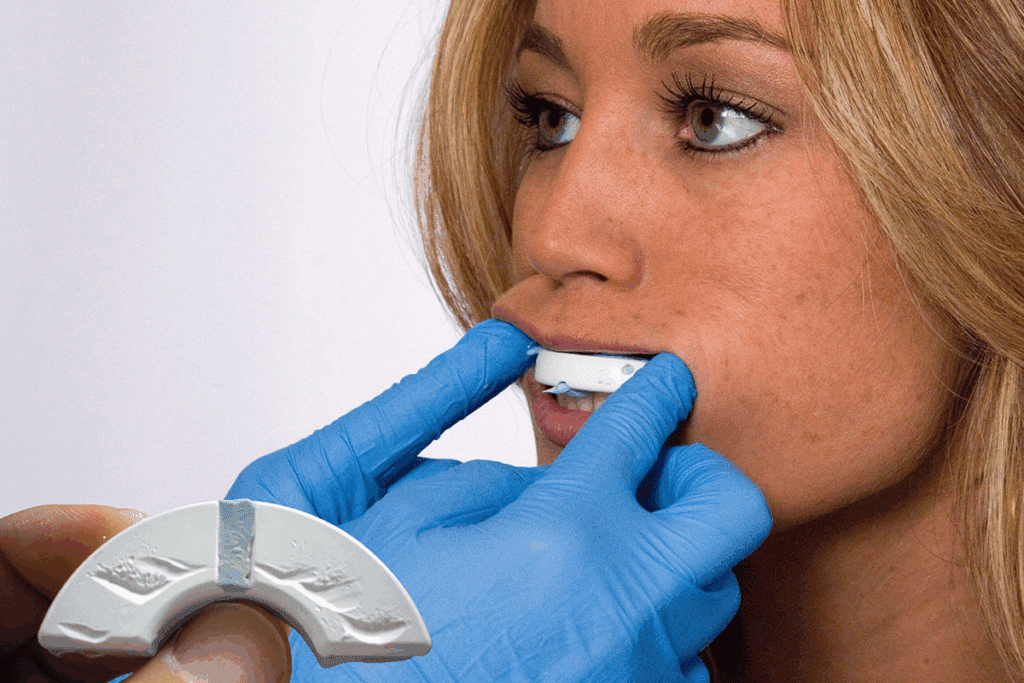
Dental appliances and night guards are great for bruxism or TMJ disorders. They keep the jaw aligned and stop grinding or clenching at night.
Custom TMJ orthotics, myofunctional therapy, and neuromuscular massage therapy also help. They address the root causes of muscle spasms.
Conclusion: Prevention Strategies and When to Seek Help
To prevent jaw muscle spasms, we need a complete plan. This plan should tackle the main reasons for jaw spasms. We’ve looked at stress, bruxism, and TMJ problems as key factors.
Managing stress and using relaxation methods can help. These actions can lessen jaw clenching and reduce spasms caused by tension. Adding these habits to your daily routine can greatly lower your chance of jaw spasms.
If jaw twitching doesn’t go away or is very bad, you should see a doctor. A healthcare expert can find out why you’re having spasms and suggest the right treatment. Taking care of your jaw can help avoid long-term spasms and other issues.
FAQ
Why is my jaw twitching and what could be causing it?
Jaw twitching can happen for many reasons. It might be due to stress, anxiety, or bruxism. TMJ disorders, neurological issues, or jaw injuries can also cause it.
What is the difference between a jaw spasm and a twitch?
A jaw spasm is a strong, long-lasting muscle contraction. A twitch is a quick, involuntary muscle movement.
Can stress and anxiety cause jaw muscle spasms?
Yes, stress and anxiety can lead to jaw muscle spasms. They cause tension in the jaw muscles, leading to involuntary contractions.
What is bruxism and how is it related to jaw spasms?
Bruxism is grinding or clenching your teeth. It can cause jaw spasms, TMJ disorders, and other jaw problems.
How do TMJ disorders cause jaw twitching?
TMJ disorders irritate the nerves and muscles around the temporomandibular joint. This leads to muscle spasms and involuntary contractions.
Can neurological conditions cause jaw muscle spasms?
Yes, conditions like trigeminal neuralgia, hemifacial spasm, and dystonia can cause jaw muscle spasms.
What is trismus and how is it related to jaw muscle spasms?
Trismus is a condition with severe jaw spasms that limit mouth opening. It’s often caused by infection, trauma, or radiation therapy.
How are jaw muscle spasms diagnosed?
Doctors diagnose jaw muscle spasms through physical exams, imaging studies, electromyography, and medical history.
What are the treatment options for jaw muscle spasms?
Treatment includes home remedies, physical therapy, medications, and dental appliances. It depends on the cause and severity.
Can jaw muscle spasms be prevented?
Yes, you can prevent them by managing stress, avoiding bruxism, and keeping good oral health. Also, seek medical help for underlying conditions.
When should I seek medical help for jaw twitching?
Seek medical help if your jaw twitching is persistent, severe, or with pain, limited mouth opening, or swallowing trouble.
What is hemimasticatory spasm?
Hemimasticatory spasm is a rare condition with involuntary jaw muscle contractions on one side of the face.
Can a charley horse occur in the jaw?
While “charley horse” usually means a leg muscle cramp, a similar feeling can happen in the jaw. It’s often due to muscle spasms or TMJ disorders.
References
National Center for Biotechnology Information. Jaw Twitching: Common Causes and When to Seek Care. Retrieved from https://pmc.ncbi.nlm.nih.gov/articles/PMC3653210/