
Do you get headaches that don’t go away with usual treatments? It might be your jaw. Studies show that temporomandibular joint (TMJ) disorders are often mistaken for tension headaches in about 31% of cases.
The National Institute of Dental and Craniofacial Research says 11-12 million adults have TMJ pain. At Liv Hospital, we know how important it is to understand and treat jaw tension headaches. We use advanced tests and tailor treatments to help you feel better.
Key Takeaways
- TMJ disorders can cause headaches often misdiagnosed as tension headaches.
- Millions of adults suffer from TMJ pain, highlighting the need for proper diagnosis.
- Liv Hospital offers a patient-centered approach to treating jaw tension headaches.
- Advanced diagnostics and personalized treatment protocols are key for relief.
- Understanding the link between jaw issues and headaches is vital.
Understanding Jaw Tension Headaches and Their Impact
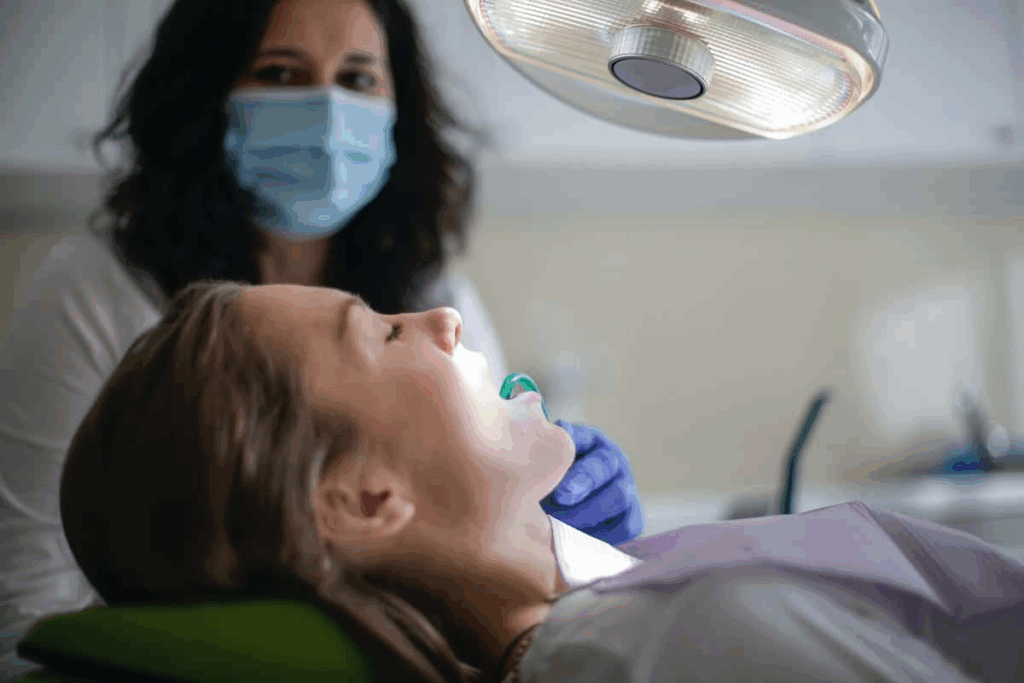
It’s key to understand jaw tension headaches to manage them well. These headaches, linked to TMJ disorders, can really hurt your life quality.
The Prevalence of TMJ-Related Headaches
TMJ pain is common in people with primary headaches. In fact, 27% of those with primary headaches also have TMJ pain. This shows why TMJ disorders are important in treating headaches.
TMJ pain can be really tough, making simple things hard. It can spread to other parts of the face and head, making it hard to diagnose.
How Jaw Tension Affects Daily Life
Jaw tension can really mess with your daily life. It can make simple tasks hard, affecting you and your relationships.
Aspect of Daily Life | Impact of Jaw Tension |
Eating | Pain while chewing or difficulty in opening the mouth wide |
Communication | Discomfort while talking, potentially leading to avoidance of social interactions |
Concentration | Difficulty focusing due to persistent pain or discomfort |
Knowing about jaw tension headaches helps us manage them better. This can greatly improve life for those affected.
The Science Behind Jaw Tension Headache: Anatomy and Mechanisms
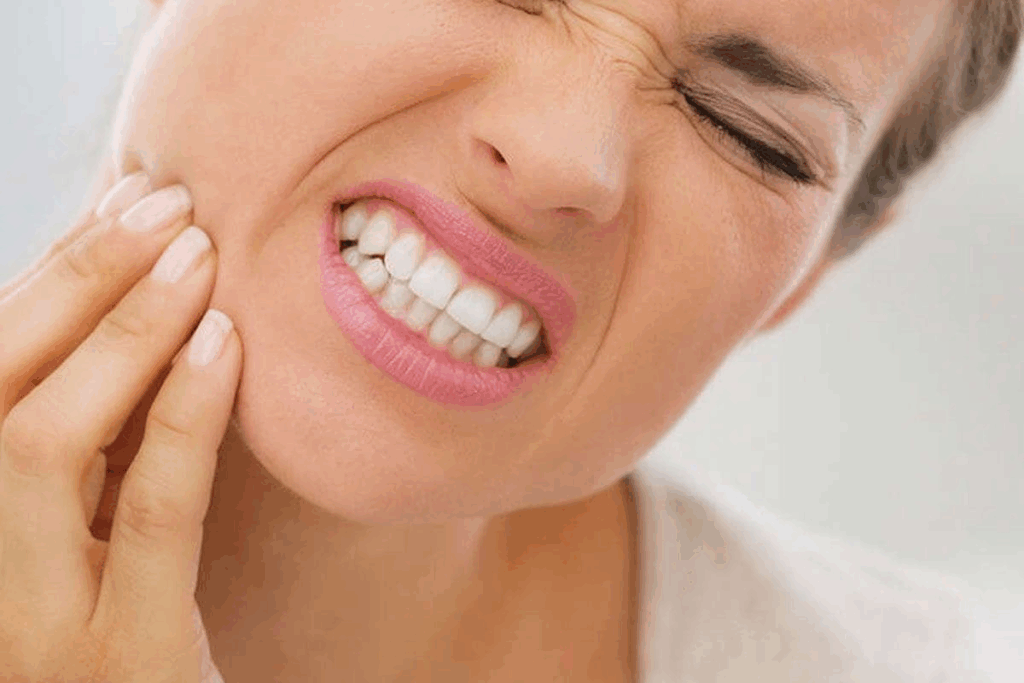
To grasp the link between jaw tension and headaches, we must explore the TMJ and its muscles. The TMJ connects the jaw to the skull. It’s key for chewing, speaking, and yawning.
Temporomandibular Joint (TMJ) Structure
The TMJ has the mandibular condyle, the temporal bone, and an articular disc. This setup allows for smooth jaw movement. But, when it’s off, it can cause jaw pain, headaches, earaches, and trouble chewing or speaking.
The TMJ’s detailed design makes it prone to problems. These issues can send pain to the head and face.
How Muscle Tension Radiates to the Head
Muscle tightness in the jaw, like in the masseter and temporalis muscles, can cause headaches. Stress-induced jaw clenching and teeth grinding tighten these muscles. This leads to pain in the temples, forehead, or back of the head.
This pain is a common sign of jaw tension headaches.
Types of Headaches Associated with Jaw Tension
Jaw tension is linked to several headaches, including tension headaches, migraines, and cluster headaches. Tension headaches feel like a band around the head. Migraines and cluster headaches are more severe but can also be triggered by jaw tension.
Knowing the type of headache helps in managing it. By understanding jaw tension headaches, we can find ways to ease them. The connection between jaw tension and headaches is complex. It involves the TMJ, muscles, and nerves. Spotting the signs of jaw tension headaches is the first step to relief.
Common Causes of Jaw Tension and Related Headaches
Jaw tension and headaches are linked in complex ways. Several factors can trigger jaw tension headaches. These include habits, anatomical issues, and psychological states.
Bruxism (Teeth Grinding)
Bruxism, or teeth grinding, is a big cause of jaw tension headaches. Many with TMJ disorders grind their teeth during sleep. This puts too much strain on the jaw muscles and joints.
This habit can make TMJ pain worse. It also leads to more jaw strain. This can cause headaches.
Chronic Jaw Clenching
Chronic jaw clenching is another common cause. This can happen during the day or at night. It’s often due to stress or habit.
When we clench our jaws for a long time, it puts pressure on the TMJ. This can cause pain and tension. This tension can spread to the head, leading to headaches.
Stress and Anxiety
Stress and anxiety are key factors in jaw tension and headaches. When stressed, we often clench our jaws or grind our teeth. This can be done without realizing it.
This tension can make our muscles tired and painful. It can also lead to headaches. Relaxation techniques can help manage stress. This can reduce jaw tension and headaches.
Dental Misalignment Issues
Dental misalignment issues, like overbites or underbites, can also cause jaw tension headaches. When teeth don’t align right, it stresses the TMJ and muscles. This can lead to tension and pain.
Fixing dental misalignments can help. Orthodontic treatment or other dental work can ease jaw tension. It can also reduce related headaches.
Recognizing the Signs: Is Your Headache Coming From Your Jaw?
Linking jaw tension to headaches can help you find relief. We often don’t see the connection between jaw pain and headaches. Knowing the signs of jaw headaches can help you manage your symptoms better.
Distinctive Symptoms of Jaw-Related Headaches
Jaw headaches, linked to TMJ disorders, have unique symptoms. These include:
- Pain or tenderness in the jaw joint area
- Aching or pain around the ear
- Difficulty or discomfort while chewing
- Clicking or grating sounds when opening or closing the mouth
- A sensation of tightness or stiffness in the jaw
When jaw pain and headache symptoms appear together, it’s likely jaw tension is the cause. The pain feels like a dull ache or pressure on both sides of the head, not sharp on one side.
Self-Assessment Techniques
To figure out if your headache is from jaw tension, try these self-assessment techniques:
- Gently press on your jaw joint and surrounding muscles to check for tenderness.
- See if your headache gets worse when clenching your teeth or opening your mouth wide.
- Listen for any clicking or grating sounds when you move your jaw.
- Notice if you wake up with jaw pain or headaches, which could indicate nighttime teeth grinding or clenching.
These simple checks can help you understand if your headache is related to jaw tension.
Differentiating From Other Headache Types
It’s important to tell jaw headaches apart from migraines or tension headaches. Tension headaches feel like a band or squeezing around the forehead. Jaw headaches are more localized, around the temples or from the jaw area. Migraines are usually throbbing on one side, with nausea or light sensitivity.
Knowing these differences helps you find the right treatment. If your headaches are persistent or severe, see a healthcare professional for a proper diagnosis.
Method 1: Targeted Jaw Relaxation Exercises
One simple way to ease jaw clenching headaches is by doing jaw relaxation exercises daily. These exercises help relax jaw muscles, making them more flexible and less tense. This can help prevent headaches.
Gentle Stretching Techniques for the Jaw
Gentle stretching can strengthen jaw muscles, making them more flexible and less tense. A simple jaw stretch is to open your mouth slowly and hold for 5 seconds. Then, close it and repeat. Doing this a few times a day can help reduce jaw tension.
Step-by-Step Jaw Stretching Exercise:
- Open your mouth as wide as you comfortably can.
- Hold this position for 5-10 seconds.
- Gently close your mouth.
- Repeat the exercise 5-10 times.
Masseter and Temporalis Muscle Relaxation
The masseter and temporalis muscles control jaw movement and can cause tension headaches. Relaxing these muscles can be done through specific massage techniques and stretches.
Masseter Muscle Relaxation: Place your fingers on the masseter muscle (located at the angle of the jaw) and gently massage in a circular motion. This can help release tension in the muscle.
Progressive Muscle Relaxation Protocol
Progressive Muscle Relaxation (PMR) involves tensing and relaxing different muscle groups. For jaw tension relief, focus on the muscles around the jaw, face, and neck.
- Start by tensing the muscles around your jaw, holding for a few seconds.
- Release the tension and feel the relaxation spread through the muscles.
- Move up to the muscles around your eyes and forehead, tensing and then relaxing.
- Continue this process down to the neck and shoulders.
Method 2: Heat and Cold Therapy for Immediate Relief
Heat and cold therapy can quickly ease jaw tension headaches. It’s simple and works well to manage jaw tightness and headache. You can easily add it to your daily routine.
When to Apply Heat vs. Cold
Choosing between heat and cold depends on your jaw pain. Cold therapy reduces swelling and numbs pain. Heat therapy relaxes muscles and boosts blood flow.
Use cold compresses for sudden jaw pain or injuries. Wrap an ice pack in a cloth and apply for 10-15 minutes. For ongoing jaw tension, start with cold, then switch to heat to relax muscles.
Proper Application Techniques
Applying heat and cold correctly is key. For cold therapy, wrap the ice pack in a cloth to avoid ice burns. Use a warm towel or heating pad for heat therapy, but avoid extreme heat to prevent burns.
Therapy Type | Application Method | Duration |
Cold Therapy | Ice pack wrapped in cloth | 10-15 minutes |
Heat Therapy | Warm towel or heating pad | 15-20 minutes |
DIY Therapy Options for Home Use
Making your own heat and cold therapy at home is easy. For cold, use a frozen bag of peas in a cloth or a cold, damp cloth. For heat, a warm washcloth or a rice sock from the microwave works well.
Using heat and cold therapy regularly can help with can clenching your jaw cause headaches. It also reduces headache in jaw frequency.
Method 3: Stress Management and Mindfulness Practices
Stress and jaw tension headaches are closely linked. Managing stress is key to easing headaches. Stress activates our “fight or flight” response, causing muscle tension, including in the jaw. This tension can lead to teeth clenching and grinding, worsening jaw tension headaches.
Meditation Techniques for Jaw Tension Relief
Meditation helps reduce stress and jaw tension headaches. Mindfulness meditation teaches us to notice and release tension. Start with short sessions, focusing on deep breathing and muscle relaxation.
Tips for Effective Meditation:
- Begin with short sessions (5-10 minutes) and gradually increase duration.
- Focus on your breath, letting go of distracting thoughts.
- Use guided meditation recordings to help you get started.
Deep Breathing Exercises
Deep breathing exercises manage stress and jaw tension. Slowing your breathing calms your nervous system and relaxes your jaw. Try inhaling for a count of four, holding for seven, and exhaling for eight.
Deep Breathing Benefits:
- Reduces stress and anxiety.
- Lowers blood pressure.
- Promotes relaxation.
Cognitive Strategies to Reduce Clenching
Cognitive strategies help you become aware of jaw clenching. Keeping a headache diary can reveal patterns and triggers. Once you know your triggers, you can avoid or manage them.
Cognitive Strategies:
- Identify your stressors and develop coping mechanisms.
- Practice relaxation techniques regularly.
- Avoid chewing gum or eating hard foods that can exacerbate jaw tension.
By adding stress management and mindfulness to your daily routine, you can lessen jaw tension headaches. Small changes can lead to big relief over time.
Method 4: Nighttime Solutions for Teeth Grinding and Clenching
Many people with jaw tension headaches grind and clench their teeth at night. This can make headaches worse. It’s important to tackle these nighttime habits to ease jaw tension and headaches.
Dental Night Guards and Mouth Splints
Dental night guards or mouth splints can help with teeth grinding and clenching. They are made to fit over your teeth, protecting them and easing jaw pressure.
A custom night guard can protect your teeth and ease jaw tension, helping to prevent headaches. It’s key to get a night guard from a dentist for the best fit and effectiveness.
Optimal Sleep Positions to Reduce Jaw Tension
Your sleep position can affect your jaw tension. Sleeping on your side or stomach can push your jaw out of alignment, making grinding and clenching worse.
To lessen jaw tension, sleep on your back with your body aligned. A supportive pillow under your neck can help keep your spine curved and reduce jaw strain.
Sleep Position | Impact on Jaw Tension | Recommendation |
Back | Generally reduces jaw tension | Use a supportive pillow |
Side | Can increase jaw tension | Avoid sleeping on your side if possible |
Stomach | Often increases jaw tension | Try to avoid this position |
Evening Relaxation Routines
Having a calming evening routine can signal to your body that it’s time to sleep. This might help reduce grinding and clenching at night. Try meditation, deep breathing, or a warm bath to relax your jaw and body.
By adding these nighttime habits to your routine, you can lessen jaw tension and headaches. It’s about making your sleep environment better and using tools to protect your jaw and teeth at night.
Method 5: Professional Treatments and Therapies
When self-help doesn’t work, professional therapies can help with jaw tension headaches. For those with ongoing or severe headaches, getting professional help is key to lasting relief.
Physical Therapy Approaches
Physical therapy is vital in treating jaw tension headaches. It focuses on the musculoskeletal issues. Techniques include:
- Manual therapy to improve jaw mobility
- Strengthening exercises for the muscles supporting the jaw
- Posture correction to reduce strain on the jaw and neck
These methods help reduce muscle tension and improve jaw function.
Massage and Manual Therapy Techniques
Massage therapy, like trigger point therapy and myofascial release, is very effective. It helps in:
- Relaxing the masseter and temporalis muscles
- Improving blood flow to the affected areas
- Reducing pain and discomfort associated with jaw tension headaches
Dental Interventions
Dental issues like misalignment or bruxism often cause jaw tension headaches. Treatments include:
- Custom-made night guards to prevent teeth grinding
- Orthodontic treatment to correct misalignment
- Dental restorations to adjust the bite
These interventions reduce strain on the jaw joint and muscles.
Medical Treatments for Severe Cases
For severe cases, medical treatments may be needed. These include:
- Botox injections to relax the jaw muscles
- Prescription muscle relaxants for short-term relief
- Advanced diagnostic procedures to rule out other underlying conditions
It’s important to talk to a healthcare professional to find the right treatment.
Exploring professional treatments and therapies can help manage jaw tension headaches. This improves quality of life for those affected.
When to Seek Medical Help for Jaw Tension Headaches
It’s important to know when you need medical help for jaw tension headaches. Many cases can be managed at home. But, some situations need a doctor’s help.
Warning Signs That Require Professional Attention
If you notice any of these symptoms, see a doctor:
- Severe pain that doesn’t improve with at-home treatments
- Clicking or popping sounds in your jaw
- Difficulty moving your jaw or chewing
- Headaches or earaches that won’t go away
These signs might mean a serious problem like TMJ disorder. TMJ disorders can really affect your daily life. So, it’s key to get help fast.
“If your TMJ pain continues or gets worse, it’s essential to see a dentist who specializes in TMJ disorders.”
What to Expect During a Professional Evaluation
A healthcare professional will do a detailed check-up. This includes:
Evaluation Component | Description |
Medical History | A detailed review of your medical history to identify any underlying conditions that may be contributing to your jaw tension headaches. |
Physical Examination | A physical examination of your jaw, including assessment of your bite, jaw alignment, and muscle tension. |
Diagnostic Tests | Imaging tests, such as X-rays or an MRI, may be ordered to further evaluate the TMJ and surrounding structures. |
This detailed check-up will help find the cause of your headaches. It will also help create a good treatment plan.
Finding the Right Specialist
You might need to see a specialist for your jaw tension headaches. This could be a:
- Dentist specializing in TMJ disorders
- Ear, Nose, and Throat (ENT) specialist
- Physical therapist or other healthcare professional with expertise in treating jaw and facial pain
Getting the right professional help is key. They can create a treatment plan just for you. This will help with your tight jaw and headache symptoms and improve your life.
Conclusion: Building Your Personalized Relief Plan
Understanding jaw tension headaches helps us find ways to manage them. We’ve looked at exercises, heat and cold therapy, stress management, and professional treatments. These methods can help ease jaw tension headache.
To make a plan that’s just right for you, mix these methods. Taking care of your jaw early can stop bigger issues later. This way, you can handle headache from jaw tension better and feel better overall.
Try out the techniques we talked about and see what works for you. Being proactive about jaw tension and headaches can make a big difference. It helps you live a better life every day.
FAQ
What is the main cause of jaw tension headaches?
Jaw tension headaches usually come from tight muscles around the TMJ. This tightness can be from bruxism, jaw clenching, stress, or dental problems.
Can jaw clenching cause headaches?
Yes, jaw clenching can lead to headaches. It strains the TMJ muscles, causing tension headaches.
How do I know if my headache is caused by jaw tension?
Check for jaw pain, tenderness, or clicking sounds. Also, look for headaches that happen with jaw pain or stiffness.
What are some effective methods for relieving jaw tension headaches?
To ease jaw tension headaches, try jaw relaxation exercises and heat or cold therapy. Stress management and mindfulness are also helpful. Nighttime solutions for teeth grinding and professional treatments can also help.
Can stress cause jaw tension and headaches?
Yes, stress can lead to jaw tension and headaches. Stress makes you clench your jaw or grind your teeth, causing TMJ muscle tension and headaches.
How can I relax my jaw muscles?
Relax your jaw muscles with gentle stretches and muscle relaxation techniques. Heat or cold therapy can also help relax the muscles.
When should I seek medical help for jaw tension headaches?
See a doctor for jaw tension headaches if they’re persistent or severe. Also, if you have trouble opening or closing your mouth, or if headaches are accompanied by dizziness, nausea, or numbness.
What can I expect during a professional evaluation for jaw tension headaches?
A healthcare specialist will check your symptoms and medical history during an evaluation. They’ll also do a physical exam to find the cause of your headaches. They might suggest tests or imaging studies to rule out other conditions.
Can dental misalignment issues cause jaw tension headaches?
Yes, dental misalignment can cause jaw tension headaches. Misaligned teeth strain the TMJ and surrounding muscles, leading to tension headaches.
Are there any lifestyle changes I can make to help manage jaw tension headaches?
Yes, you can manage jaw tension headaches by reducing stress, avoiding gum or hard foods, and getting good sleep.
Can jaw tension headaches be a sign of an underlying medical condition?
Jaw tension headaches can be a sign of TMJ/TMD or bruxism. If you have persistent or severe headaches, see a healthcare professional to check for underlying conditions.
References
National Center for Biotechnology Information. Jaw Tension Headaches: TMJ Disorders and Relief Methods. Retrieved fromhttps://pubmed.ncbi.nlm.nih.gov/22343706/



 Departments
 Related Videos
 Our Doctors
 News
News