
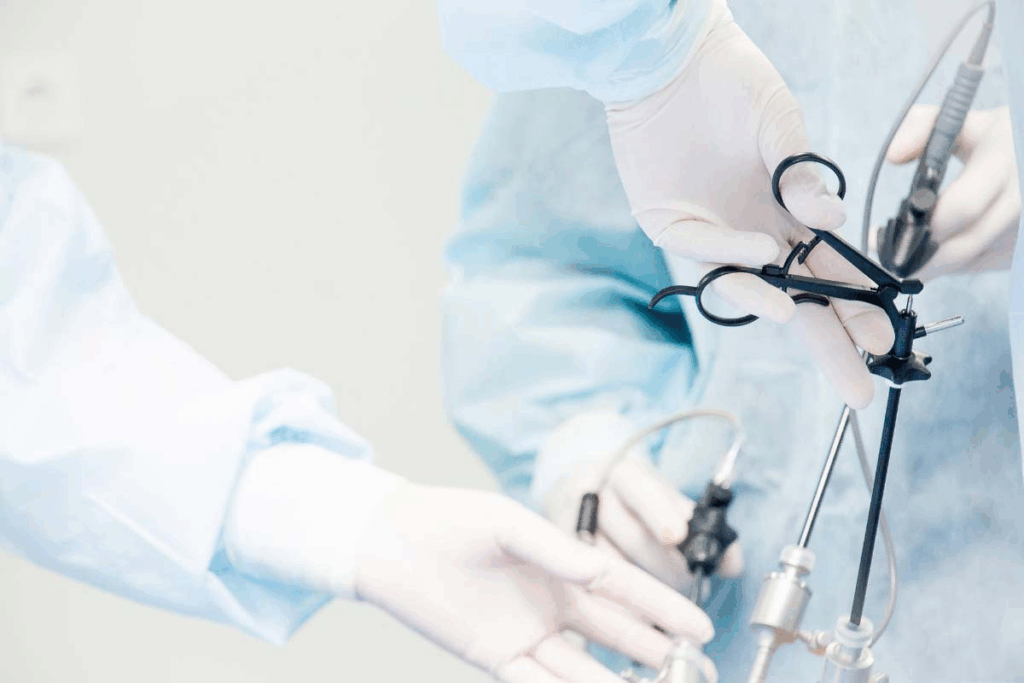
Laparoscopic surgery has changed the medical world, making surgeries less invasive. But, it’s key to take good care of your wounds to heal well. Nearly 1.5 million laparoscopic procedures are performed annually in the United States alone, showing how important post-surgery care is.
Patients often ask about caring for their small incisions after laparoscopic surgery. Taking the right steps can help your wounds heal faster and lower the chance of problems. This article will show you the best ways to care for your incisions, including how long to keep them covered.
Key Takeaways
- Understand the importance of wound care after laparoscopic surgery.
- Learn the recommended duration for keeping incisions covered.
- Discover best practices for caring for laparoscopic incisions.
- Find out how to minimize the risk of complications.
- Get tips on promoting optimal healing.
Understanding Laparoscopic Surgery and Incisions

Laparoscopic surgery is a modern technique. It uses small incisions for a camera and tools to work inside the body. This method is less invasive, leading to faster recovery and less pain than traditional surgery.
What is Laparoscopic Surgery?
Laparoscopic surgery, or minimally invasive surgery, uses a thin, lighted tube with a camera. This allows surgeons to see inside the body on a monitor. It’s used in many areas, like gynecology and general surgery.
Types and Sizes of Laparoscopic Incisions
The size and type of incisions vary based on the procedure and patient. Usually, they are small, from 0.5 to 1.5 cm. These are made in the belly to insert tools.
The number and size of incisions depend on the surgery’s complexity. Simple procedures might need just one or two small cuts. More complex surgeries, like gallbladder removal, might need three to four.
Procedure | Typical Number of Incisions | Typical Size of Incisions |
Diagnostic Laparoscopy | 1-2 | 0.5-1 cm |
Laparoscopic Cholecystectomy | 3-4 | 0.5-1.5 cm |
Laparoscopic Hernia Repair | 3 | 0.5-1 cm |
Knowing about laparoscopic incisions helps patients care for their wounds better. Good wound care can help healing and reduce complications.
The Importance of Covering Laparoscopic Incisions

Covering laparoscopic incisions is key for a smooth recovery. It’s a simple step that helps protect the body from harm.
Protection against Infection
Keeping these incisions covered is vital to fight off infections. It stops bacteria from getting in. Key benefits include:
- Reduced risk of infection
- Prevention of dirt and bacteria from entering the wound
- Minimized risk of wound complications
Supporting the Healing Process
Covering the incisions helps them heal faster. It keeps them safe from things that could slow healing. Proper wound care is vital for a good recovery.
Reducing Risk of Dehiscence
Dehiscence, or the wound reopening, is a big risk after surgery. Covering the incisions lowers this risk. It’s most important when the wound is new and weak.
Best practices for covering laparoscopic incisions include:
- Using sterile dressings
- Changing dressings regularly
- Monitoring the wound for signs of infection or complications
General Timeline for Covering Laparoscopic Incisions
Knowing when to cover laparoscopic incisions is key for good wound care after surgery. The time frame can change based on the surgery type, incision size and location, and the doctor’s advice.
First 24-48 Hours Post-Surgery
Right after laparoscopic surgery, your incisions will have bandages or dressings. These are usually kept on for 24-48 hours. This helps prevent infection and aids in healing.
“Keeping the incisions covered during this period helps in minimizing the risk of bacterial contamination,” say doctors.
Days 3-5 After Surgery
Once the first 24-48 hours pass, you can remove the dressing. Then, you can leave the incisions open or use lighter dressings. It’s important to keep the area clean and dry from days 3-5 post-surgery on.
Patients are often told to shower and clean the area with mild soap and water.
One Week Post-Operation
By one week post-operation, most incisions are healing well. At this time, you might not need dressings anymore, unless your doctor says so. It’s important to follow your doctor’s advice on when to stop using bandages or dressings.
Here’s a general guide for covering laparoscopic incisions:
- Keep initial dressings on for 24-48 hours.
- After 24-48 hours, remove dressings and keep the area clean and dry.
- By one week post-surgery, dressings are usually no longer necessary.
Always talk to your healthcare provider for advice that fits your recovery needs.
Types of Dressings for Laparoscopic Wounds
There are many dressings that can help heal laparoscopic incisions. The right one depends on the incision’s size, location, and the patient’s health. Personal preferences also play a role.
Sterile Adhesive Bandages
Sterile adhesive bandages are a top pick for laparoscopic wounds. They are easy to use and protect the incision well. These bandages let air in while keeping the wound clean.
Gauze Dressings
Gauze dressings are also common for laparoscopic wound care. They soak up a lot of liquid and can be used with treatments or antibiotics. They’re great for wounds that drain a lot.
Transparent Film Dressings
Transparent film dressings let you see the wound easily. They are waterproof and can stay on for days. This makes them handy for patients.
Specialized Post-Surgical Dressings
Specialized dressings are made just for surgical wounds, like those from laparoscopic procedures. They mix different materials for the best healing support.
Dressing Type | Characteristics | Best Use |
Sterile Adhesive Bandages | Breathable, easy to apply | Small, dry incisions |
Gauze Dressings | Highly absorbent, versatile | Wounds with drainage or requiring topical treatment |
Transparent Film Dressings | Waterproof, allows wound visualization | Monitoring wound healing, waterproofing |
Specialized Post-Surgical Dressings | Combines absorbency and breathability | Surgical wounds requiring complete care |
A medical expert says, “The right dressing can greatly improve laparoscopic wound healing.” This shows how important it is to pick the right dressing for each patient and wound.
“Choosing the right dressing depends on the wound and patient’s needs. This ensures the best healing and fewest complications.”
– Expert in Wound Care
How to Properly Change Laparoscopic Incision Dressings
Changing dressings on laparoscopic incisions needs careful attention. This ensures a smooth recovery and lowers the risk of complications.
Preparing for Dressing Change
Before you start, make sure you have everything ready. You’ll need:
- New dressings for laparoscopic incisions
- Antiseptic wipes or soap and water for cleaning
- Gloves for hygiene
- A clean, stable workspace
Step-by-Step Dressing Removal
Removing the old dressing must be done carefully. This avoids irritation or injury to the incision site.
- Gently wash your hands before starting.
- Put on gloves to prevent infection.
- Carefully peel off the dressing, starting from one edge.
- If the dressing sticks, moisten it with sterile water to ease removal.
Cleaning the Incision Site
Cleaning the incision site is a key part of the dressing change process.
- Use antiseptic wipes or mild soap and lukewarm water to clean around the incision.
- Gently pat the area dry with a clean towel.
- Avoid using harsh chemicals or scrubbing the incision site.
Proper Disposal of Used Dressings
After removing the old dressing, dispose of it properly to prevent infection.
Disposal Method | Description |
Sealable plastic bag | Place used dressings in a sealable bag to prevent leakage. |
Biohazard waste | If advised by healthcare professionals, dispose of it as biohazard waste. |
By following these steps, you can ensure proper dressing changes. This supports your recovery and minimizes complications.
Signs Your Laparoscopic Incision Is Healing Properly
After laparoscopic surgery, watching your incisions is key. Knowing what to look for helps your recovery go smoothly.
Normal Appearance of Healing Incisions
A healing laparoscopic incision looks clean. Its edges are closed, and it might be a bit swollen. The area around it could be red or pink because of the body’s injury response. It’s normal for the incision to feel tender or sensitive.
Expected Timeline for Visible Healing
The healing of laparoscopic incisions follows a set timeline. Within the first week, the site might be swollen and bruised. By two weeks post-surgery, the swelling should go down, and the incision will look like a faint line.
When Scabs Form and Fall Off
Scabs are a part of healing. At first, the incision might have a dressing to soak up discharge. As it dries, a scab will form. It’s important not to pick at or remove the scab, as it can cause infection or scarring.
Progressive Changes in Incision Appearance
As time goes on, the incision will look better. The redness will fade, and the line will become less visible. It’s normal for the site to stay a bit sensitive for weeks after surgery. But, if pain, redness, or swelling get worse, see your healthcare provider.
Keeping an eye on your incisions and knowing what to expect can greatly help your recovery. If you have any worries about your incision’s healing, always talk to your healthcare provider for advice.
When to Remove Bandages After Laparoscopic Surgery
Knowing when to take off bandages after laparoscopic surgery is key for healing. The recovery time depends on several factors.
Following Your Surgeon’s Specific Instructions
Your surgeon will tell you when to remove bandages. They consider your surgery, health, and incisions.
Always follow your surgeon’s advice. It’s made just for you. This helps avoid problems and promotes healing.
Factors That May Extend Covering Time
Several things can affect how long you should keep incisions covered. These include:
- The size and location of the incisions
- The presence of any drainage or discharge
- Your overall health and any pre-existing conditions
- The type of dressing used
In some cases, your surgeon might suggest keeping incisions covered longer. This is to prevent infection or support healing.
Transitioning to Uncovered Incisions
After removing bandages, keep incisions clean and dry. Use mild soap and water to wash them. Dry with a clean towel.
As they heal, you might use topical treatments or silicone sheets to reduce scarring. Always follow your surgeon’s care instructions.
By following your surgeon’s advice and caring for your incisions, you’ll have a smooth recovery from laparoscopic surgery.
Covering Laparoscopic Incisions: Best Practices and Guidelines
Understanding how to care for laparoscopic incisions is key. It helps prevent infections and promotes healing. It also reduces scarring.
Keeping the Area Clean and Dry
Keeping the area clean and dry is vital. It stops bacteria from growing and lowers infection risk. Gently washing your hands before touching the incision site is a must.
Use mild soap and lukewarm water to clean the incision. Stay away from harsh cleansers that can irritate the skin or slow healing.
Showering with Incisions
Showering with laparoscopic incisions needs care to keep them dry. Waterproof bandages or coverings help protect them. Try to avoid getting the incisions wet until they’re fully healed.
Activity Restrictions While Healing
After surgery, it’s important to follow activity restrictions. Avoid heavy lifting, bending, or strenuous activities as your doctor advises. These steps help the incisions heal right and prevent complications.
Clothing Considerations Over Incision Sites
The clothes you wear over incision sites matter. Choose loose, comfortable clothing that doesn’t rub or irritate the incisions. This makes healing easier and more comfortable.
By following these guidelines, patients can help ensure a smooth recovery. Always talk to your healthcare provider for specific advice on caring for your incisions.
Warning Signs of Infection in Laparoscopic Incisions
It’s important to know the signs of infection after laparoscopic surgery. Watch your incision sites for any signs of infection closely.
Redness and Increased Warmth
Redness and warmth around the incision are early signs of infection. If the area gets more red or feels warmer, it might be infected. Monitor the area closely and tell your healthcare provider if you notice big changes.
Unusual Discharge or Odor
Unusual discharge or a bad smell from the incision is a warning sign. Some drainage is okay, but too much or a bad smell is not. If you see this, contact your healthcare provider immediately.
Fever and Systemic Symptoms
Fever is a sign of infection. A fever over 100.4°F (38°C) means your body is fighting an infection. Also, watch for chills, fatigue, or feeling generally unwell.
When to Contact Your Healthcare Provider
If you notice any warning signs, contact your healthcare provider right away. They can check and tell you what to do next. Keep track of your symptoms and any changes to share with them.
Warning Sign | Description | Action |
Redness and Warmth | Increased redness or warmth around the incision site | Monitor closely, report significant changes |
Unusual Discharge or Odor | Excessive or foul-smelling discharge | Contact healthcare provider immediately |
Fever and Systemic Symptoms | Fever above 100.4°F (38°C), chills, fatigue | Contact healthcare provider |
Special Considerations for Different Laparoscopic Procedures
How you care for laparoscopic incisions depends on the surgery type. Each laparoscopic surgery has its own needs for incision care during recovery.
Gynecological Laparoscopy
Gynecological laparoscopy, like hysterectomy and endometriosis treatment, needs gentle care. Avoid heavy lifting and hard activities to protect your abdominal muscles.
A study in the Journal of Minimally Invasive Gynecology shows the importance of gentle wound care. It helps reduce scarring and aids in healing for gynecological laparoscopic procedures.
“The use of sterile adhesive strips and minimal dressing can aid in the healing process by reducing irritation and allowing for airflow around the incision site.”
Journal of Minimally Invasive Gynecology
Gallbladder Removal (Cholecystectomy)
Laparoscopic cholecystectomy, or gallbladder removal, has specific post-operative instructions. These are to manage the risk of bile leakage or other complications. Patients are advised to follow a specific diet to ease digestion during recovery.
Post-Operative Day | Dietary Recommendations |
1-2 | Liquid diet (broth, clear soups) |
3-5 | Gradual introduction to soft foods (mashed potatoes, yogurt) |
6+ | Return to normal diet as tolerated |
Appendectomy
Laparoscopic appendectomy, to remove an inflamed appendix, requires watching for infection signs. This is because the surgery can be contaminated. Patients are often given antibiotics as a precaution.
Monitoring for infection is key. Watch for signs like increased redness, swelling, or fever. Contact your healthcare provider if you notice these symptoms.
Hernia Repair
Laparoscopic hernia repair strengthens the area where the hernia occurred. Post-operative care includes avoiding heavy lifting and bending. This prevents strain on the repair site.
A study in the Surgical Endoscopy journal found that a structured post-operative care plan helps. It leads to fewer complications and faster recovery times for patients.
Minimizing Scarring from Laparoscopic Incisions
Proper care after surgery is key to lessening scar visibility. By following simple steps, patients can reduce scar appearance and speed up recovery.
Proper Wound Care for Scar Prevention
Start with keeping the incision clean and dry. Use mild soap and water for cleaning. Stay away from harsh cleansers that can slow healing.
Key steps in wound care include:
- Gently washing the area with mild soap
- Patting dry with a clean towel
- Avoiding submerging the incision in water until fully healed
Silicone Sheets and Scar Treatments
Silicone sheets help reduce scar appearance. They apply pressure and hydration, making scars flatter and softer.
Benefits of silicone sheets include:
- Reduced scar thickness
- Improved scar color
- Enhanced overall appearance of the scar
Long-term Scar Management
Managing scars long-term means ongoing care and treatments. Gently massaging the scar can improve its look over time.
Scar Management Technique | Description | Benefits |
Scar Massage | Gently massaging the scar tissue | Improves scar flexibility and appearance |
Silicone Gel | Applying silicone gel to the scar | Hydrates and flattens the scar |
Sun Protection for Healing Incisions
It’s vital to protect healing incisions from the sun. Sunlight can darken and make scars more visible.
Tips for sun protection include:
- Using a broad-spectrum sunscreen with at least SPF 30
- Covering the area with clothing when going outdoors
- Avoiding direct sun exposure during peak hours
Patient Experiences with Laparoscopic Wound Care
Patients who have laparoscopic surgery often face challenges during healing. The experience can differ a lot. This depends on the surgery type, health, and following care instructions.
Common Challenges Reported by Patients
Many patients feel discomfort, swelling, or bruising at the incision sites. Some struggle with pain or emotional recovery. Infection risk is a big worry, like with any surgery.
Patients also find it hard to stay mobile and active during recovery. It’s key for doctors to help and guide them well.
Successful Strategies from Real Experiences
There are effective ways to manage laparoscopic wound care. These include:
- Following a strict hygiene regimen to lower infection risk
- Using recommended dressings and wound care products as doctors suggest
- Eating a healthy diet to help healing
- Doing gentle exercises to keep blood flowing and prevent issues
Managing Discomfort During the Healing Process
It’s important to manage pain during recovery. Doctors often suggest pain management techniques. This can be medication, rest, or specific exercises.
Using cold compresses or elevation to lessen swelling helps too. Patients should tell their doctors about any pain to get the right advice.
Returning to Normal Activities Safely
Slowly getting back to normal activities is key to a good recovery. Patients should follow their surgeon’s advice on activity restrictions and return to work guidelines. It’s also important to listen to your body and not rush.
By knowing the challenges and using successful strategies, patients can recover better. This ensures a smoother return to their usual activities.
Expert Recommendations for Laparoscopic Wound Care
The latest research and expert opinions agree on the best ways to care for laparoscopic wounds. They say it’s key to protect the wound and help it heal.
Surgeon Perspectives on Incision Covering
Surgeons believe it’s very important to cover laparoscopic incisions. This helps prevent infection and aids in healing. The first 24-48 hours are very important to keep the area clean.
Key considerations include:
- The type of dressing used, with options ranging from sterile adhesive bandages to specialized post-surgical dressings.
- The frequency of dressing changes, typically recommended every 24-48 hours or as needed.
Latest Research on Optimal Wound Care
New studies have shown the best ways to care for laparoscopic wounds. They say a moist environment helps wounds heal faster. Transparent film dressings are good because they keep the area moist and let you see the wound.
Balancing Protection with Healing Exposure
Experts say it’s important to protect wounds from infection. But, they also say we need to let wounds breathe to heal. This means managing dressing changes carefully and possibly switching to less covering dressings as the wound gets better.
Evolving Approaches to Post-Operative Care
Laparoscopic surgery is always getting better, and so is post-operative care. New evidence and technology are being used, like advanced dressings and teaching patients how to care for themselves.
By combining expert advice and the latest research, healthcare providers can give patients the best care for laparoscopic wounds. This helps patients recover faster and avoid complications.
Practical Tips for Daily Living While Healing
Recovering from laparoscopic surgery is more than just resting. It’s about making smart choices in your daily life. Making a few key changes can greatly improve your comfort and recovery.
Sleeping Positions to Protect Incisions
Finding a comfy sleeping spot without putting pressure on your incisions can be tough. Try to sleep on your back with your knees slightly bent. This helps ease the strain on your belly.
If you’re a side sleeper, a body pillow can help. It keeps you from rolling onto your stomach or putting pressure on your incisions.
Managing Household Activities
Rest is important, but you can’t avoid all household tasks. Prioritize tasks and break them down into smaller tasks. For example, do one load of laundry a day.
This way, you save energy and keep up with chores without overdoing it.
Returning to Work Considerations
Deciding when to go back to work should be talked over with your doctor. Most people can go back to work in one to four weeks. This depends on how complex your job is.
If your job is physically demanding, you might need to wait longer.
Job Type | Typical Return to Work Time |
Desk job | 1-2 weeks |
Physical labor | 3-4 weeks |
Exercise and Physical Activity Guidelines
Exercise is key in your recovery, but be careful. Start with gentle activities like short walks. Then, slowly increase how long and hard you exercise.
Avoid heavy lifting, bending, or hard exercises for a while. Your doctor will tell you when it’s safe to start.
- Begin with short walks around your home.
- Gradually increase walking distance and duration.
- Avoid activities that strain your abdominal muscles.
Conclusion: Optimal Care for Your Laparoscopic Incisions
Proper care for laparoscopic incisions is key for a smooth recovery. Understanding wound care and post-operative management helps. This way, patients can avoid complications and heal well.
Covering laparoscopic incisions for 24-48 hours helps prevent infection. It also supports healing. Always follow the surgeon’s instructions for dressing changes and wound care.
To care for laparoscopic incisions, keep the area clean and dry. Avoid heavy lifting. Also, don’t miss follow-up appointments. Following these steps helps wounds heal right, reducing scarring and speeding up recovery.
Good post-operative care is essential for the best results after laparoscopic surgery. Prioritizing wound care and following guidelines makes recovery smoother and more comfortable.
FAQ
How long should I keep my laparoscopic incisions covered?
You should cover your laparoscopic incisions for 24-48 hours after surgery. But, always follow your surgeon’s advice. The time needed can change based on your surgery and how you heal.
What type of dressing is best for laparoscopic wounds?
The best dressing for laparoscopic wounds varies. It depends on what your surgeon prefers and what you need. You might use sterile bandages, gauze, transparent film, or special post-surgical dressings.
How do I properly change my laparoscopic incision dressing?
To change your dressing, start by washing your hands. Then, gently remove the old dressing. Clean the area with mild soap and water, and dry it. Put on a new dressing as your surgeon tells you to.
What are the signs that my laparoscopic incision is healing properly?
A healing incision looks clean with little redness and swelling. You might see a scab that falls off as it heals. The area might be a bit sore, but it should get better over time.
When can I shower with laparoscopic incisions?
You can shower after 24-48 hours, but check with your surgeon first. Clean the area gently with mild soap and water, then dry it. Avoid soaking the incisions in water, like baths or swimming.
What are the warning signs of infection in laparoscopic incisions?
Signs of infection include more redness, swelling, or warmth. Look out for unusual discharge or odor, fever, or feeling tired or cold. If you notice these, call your healthcare provider right away.
How can I minimize scarring from laparoscopic incisions?
Keep the area clean and dry, and use silicone sheets or scar treatments as your surgeon suggests. Protect it from the sun. Good wound care and gentle massage can also help heal the area and reduce scars.
When can I return to normal activities after laparoscopic surgery?
It depends on your surgery and how you heal. You might start with light activities a few days to a week after surgery. But, avoid heavy lifting or exercise for weeks.
How long does it take for laparoscopic incisions to fully heal?
It takes several weeks for laparoscopic incisions to heal. The first few weeks are the initial healing. It may take months for the scar to fade and the area to fully mature.
Can I use antibiotic ointment on my laparoscopic incisions?
Always follow your surgeon’s advice on using antibiotic ointment. Some might recommend it to help heal and prevent infection. Others might advise against it.
References
Centers for Disease Control and Prevention. Evidence-Based Medical Insight. Retrieved from https://www.cdc.gov/mmwr/preview/mmwrhtml/rr4810a1.html