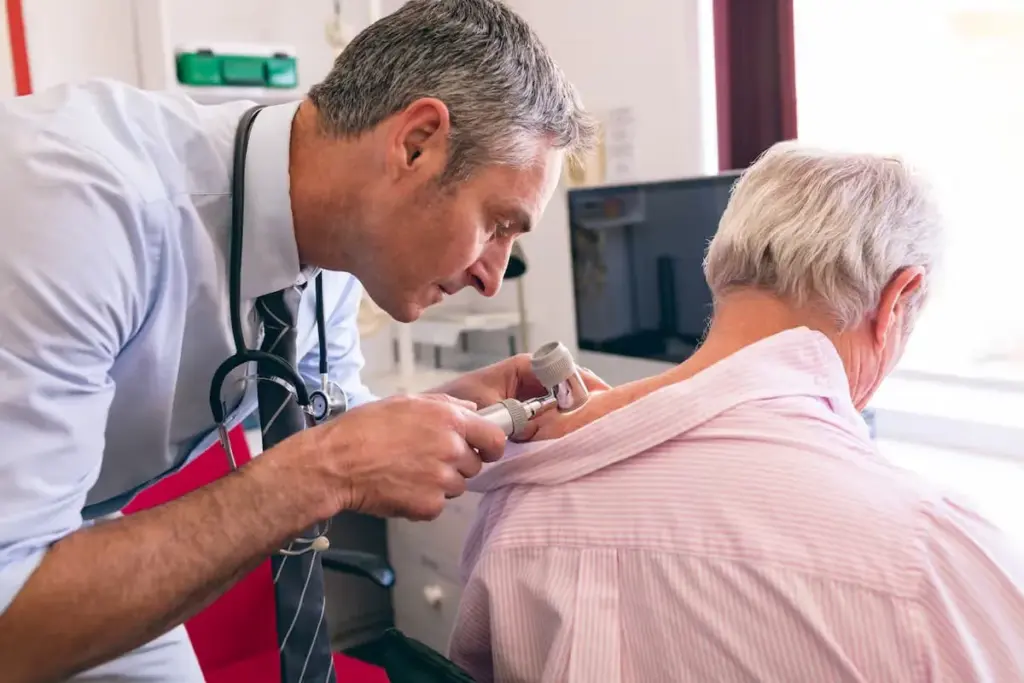
Dermatologists play a key role in skin health. They diagnose and treat many conditions. But, not everyone knows that dermatologists are also surgeons. Answering do cosmetic dermatologists do surgery (yes, minor procedures) and defining do dermatologists do surgery (Mohs, excisions).
The American Academy of Dermatology says dermatologists can do many surgeries. This includes simple cuts to complex repairs.
This guide will show how dermatologists help with surgery. We’ll look at their skills and the surgeries they do. It’s a deep dive into dermatological surgery.
Key Takeaways
- Dermatologists are qualified to perform various surgical procedures.
- They are trained to diagnose and treat a range of skin conditions.
- Dermatological surgery encompasses simple excisions to complex reconstructions.
- Understanding the qualifications and expertise of dermatologists is important.
- Dermatologists play a vital role in maintaining skin health.
Understanding Dermatology and Its Specialties

Dermatology is more than just skin care. It includes a wide range of services, including surgery. Dermatologists diagnose and treat many skin issues, from acne to skin cancers.
What is Dermatology?
Dermatology focuses on the skin, nails, and hair. It involves studying, diagnosing, treating, and preventing diseases in these areas. Dermatologists handle everything from common problems like eczema to complex surgeries.
Different Areas of Dermatology
Dermatology has many sub-specialties. These include:
- Cosmetic Dermatology: Improves skin appearance with Botox, fillers, and lasers.
- Dermatopathology: Examines skin samples to diagnose diseases.
- Pediatric Dermatology: Treats skin conditions in children.
- Surgical Dermatology: Uses surgery to treat conditions, including skin cancer.
|
Sub-Specialty |
Focus Area |
Common Procedures/Conditions |
|---|---|---|
|
Cosmetic Dermatology |
Improving skin appearance |
Botox, fillers, laser treatments |
|
Dermatopathology |
Diagnosis through skin samples |
Biopsies, histopathology |
|
Pediatric Dermatology |
Skin conditions in children |
Eczema, acne, congenital conditions |
|
Surgical Dermatology |
Surgical treatment of skin conditions |
Skin cancer excisions, Mohs surgery |
Role of Dermatologists in Patient Care
Dermatologists do more than treat skin issues. They play a key role in patient care by creating detailed treatment plans. They work with patients to understand their conditions and develop personalized care plans.
Dermatologists are vital for patient health and well-being. They manage chronic conditions and perform surgeries. Their expertise ensures high-quality care for their patients.
Types of Surgical Procedures Performed by Dermatologists

Dermatologists do a lot of different surgeries. They treat both cosmetic issues and serious skin cancers. They are trained to handle many skin problems.
Cosmetic Procedures
Cosmetic dermatology includes many treatments to improve skin looks. Cosmetic procedures performed by dermatologists include things like botulinum toxin and dermal fillers. They also do chemical peels and laser treatments.
These treatments help with wrinkles, fine lines, and skin color. They make skin look younger and more vibrant.
Some common cosmetic procedures are:
- Botulinum toxin injections to relax facial muscles
- Dermal fillers to fill in wrinkles
- Chemical peels to improve skin texture
- Laser treatments to fix skin issues and boost collagen
Mohs Surgery
Mohs surgery is great for treating skin cancer. It’s a precise method that removes thin layers of cancer. The tissue is checked until no cancer is left.
This method is very effective and saves a lot of tissue. It’s perfect for sensitive areas.
Skin Cancer Excision
Skin cancer excision removes cancerous lesions. Dermatologists aim to remove all cancer while keeping healthy tissue. They take out the tumor and some normal skin around it.
This is then checked to make sure all cancer is gone.
Other Surgical Options
Dermatologists also do other surgeries. This includes:
- Biopsies to diagnose skin conditions
- Cyst removals for benign cysts
- Removing moles or skin tags
- Laser surgery for different skin issues
These dermatologist surgical procedures and dermatologist surgical treatments are key. They help treat skin problems and improve patients’ lives. Knowing about these options helps patients make better choices.
The Role of Cosmetic Dermatologists
Dermatologists in cosmetic dermatology help patients get the skin they want. This field focuses on making the skin look better. We do everything from simple treatments to complex surgeries.
Definition of Cosmetic Dermatology
Cosmetic dermatology covers many treatments to make the skin look better. We use botulinum toxin injections, dermal fillers, chemical peels, and laser treatments. Our skills let us choose the best treatment for each patient, making sure it looks natural.
Common Cosmetic Procedures
Some common procedures we do include:
- Botulinum toxin injections to smooth out wrinkles.
- Dermal fillers to add volume and shape the face.
- Chemical peels to improve skin texture and color.
- Laser treatments for hair removal and other skin issues.
These treatments are usually quick and don’t keep you out of action for long.
How Cosmetic Procedures Differ from Surgical Procedures
Cosmetic and surgical procedures are different. Cosmetic ones are less invasive and aim to improve looks without surgery. Surgical ones, like Mohs surgery or skin cancer excisions, are more complex and treat serious issues. We choose the right treatment for each patient based on their needs.
“The difference between cosmetic and surgical dermatology is in their goals and methods. Cosmetic aims to enhance looks, while surgical deals with more serious skin issues.”
Training and Qualifications of Dermatologists
Becoming a dermatologist takes a lot of education and training. Dermatologists are doctors who focus on skin, hair, and nail problems. They know how to treat and prevent these issues.
Educational Pathway for Dermatologists
To be a dermatologist, one must follow a tough educational path. This includes:
- Getting a bachelor’s degree in a science field.
- Attending medical school to earn an M.D. or D.O. degree.
- Doing a dermatology residency for three to four years. This gives them real-world experience.
During their residency, they learn a lot about treating skin problems. They get ready for many different situations.
Additional Training for Surgical Procedures
Some dermatologists want to do more surgeries. They get extra training for this. This can be:
- Fellowship programs in dermatologic surgery or cosmetic dermatology.
- Workshops and conferences for new surgical techniques.
This extra training makes them better at dermatologist surgical skills. It keeps them updated with the latest methods.
Certification and Board Specialization
Getting certified by a dermatology board is key. In the U.S., dermatologists can get certified by the American Board of Dermatology. They pass a big exam to show they know a lot about dermatology.
Being board-certified means a dermatologist is very good at their job. It shows they can give top-notch care, including dermatologist surgical services. It means they keep learning and improving their skills.
Factors to Consider Before Undergoing Dermatologic Surgery
Before you get dermatologic surgery, it’s key to know what affects your results. This surgery includes cosmetic fixes and treatments for skin cancer. Knowing these factors helps you make smart choices and get the best results.
Consultation Process
The consultation is a big step before surgery. We talk about your health history, why you need surgery, and what you can expect. It’s your chance to ask questions and get all the details.
Our dermatologists will explain the surgery, risks, and what to do after. They’ll also check the area to be treated. This helps plan the best way to do the surgery.
Potential Risks and Complications
Dermatologic surgery has risks like infection, scarring, and bad reactions to anesthesia. We do everything we can to avoid these problems. But, it’s important you know about them.
We’ll tell you about the risks of your surgery and how we’ll avoid them. This includes how we keep infections away and use safe anesthesia.
|
Potential Risks |
Precautions Taken |
|---|---|
|
Infection |
Strict infection control protocols, including sterile equipment and antibiotics when necessary |
|
Scarring |
Careful planning of incisions, use of fine sutures, and post-operative wound care |
|
Adverse reactions to anesthesia |
Thorough medical history, use of appropriate anesthesia, and monitoring during the procedure |
Recovery and Aftercare
Recovery and aftercare are important parts of surgery. We give you clear instructions on how to care for your wound, manage pain, and watch for complications. Following these steps is key for a smooth recovery.
The time it takes to recover depends on the surgery. Some might let you go back to normal activities right away, while others need rest. We’ll tell you what to expect and how to get ready for recovery.
Understanding dermatologic surgery, including the consultation, risks, and recovery, helps you make good choices. Our team is here to support you every step of the way.
Insurance Coverage for Dermatologic Surgery
Insurance coverage is key when it comes to the cost of dermatologic surgery. Knowing about insurance is important for patients to make smart choices.
What is Usually Covered?
Medically necessary dermatologic surgeries are usually covered by insurance. This includes things like Mohs surgery for skin cancer. But, cosmetic procedures like laser treatments for looks might not be covered or might only be partially covered.
“Insurance coverage for dermatologic surgery largely depends on the medical necessity of the procedure. Patients should verify their coverage before undergoing any surgical procedure.” – Dermatology Expert
Out-of-Pocket Costs
Even with insurance, you might have to pay out-of-pocket for things like deductibles and copays. If a procedure isn’t covered, you’ll have to pay for it all yourself. Knowing these costs can help you plan your finances.
We suggest talking to your dermatologist or a financial advisor about your insurance and costs. This way, you’ll understand what you’ll have to pay for.
In short, dealing with insurance for dermatologic surgery needs careful thought about your policy and the surgeries you’re looking at. By knowing what’s covered and what costs you might face, you can make better choices about your care.
Choosing the Right Dermatologist for Surgery
Choosing a dermatologist for surgery is a big decision. It’s important to pick someone who is qualified. With more people getting dermatologic surgery, knowing what to look for is key.
Qualifications to Look For
Look for a dermatologist with a medical degree and training in dermatology. Being certified by the American Board of Dermatology shows they’re an expert. The American Academy of Dermatology says checking for certification is important.
The American Academy of Dermatology also says it’s okay to ask about a dermatologist’s qualifications and experience. They should be comfortable answering these questions.
“The best dermatologists are those who not only have the technical skills but also understand the patient’s needs and concerns.”
— Dermatologist
Importance of Experience
Experience matters a lot when picking a dermatologist for surgery. A seasoned dermatologist can handle problems better and give better care. Ask about their experience with your specific procedure.
- How many times have they performed the procedure you’re interested in?
- What are their complication rates?
- Can they share testimonials or reviews from previous patients?
Questions to Ask During Consultation
Ask important questions during your first meeting. This helps you understand their dermatologist surgical expertise and dermatologist surgical skills. Some questions to ask include:
- What are the possible risks and complications of the procedure?
- How will they manage pain during and after surgery?
- What’s the expected recovery time, and what aftercare is needed?
By looking at a dermatologist’s qualifications, experience, and how they communicate, you can make a smart choice. This ensures the best results for your surgery.
Outcomes and Results of Dermatologic Surgery
Understanding the outcomes of dermatologic surgery is key to making good choices. This field includes many procedures, from cosmetic treatments to skin cancer surgeries. We’ll explain what you can expect, their success rates, and share patient stories for a full picture.
Cosmetic Outcomes
Cosmetic dermatologic procedures aim to improve looks and confidence. Treatments like laser treatments, chemical peels, and facelifts aim for a natural, youthful appearance. We employ the latest methods and tools to ensure top results for our patients.
Some common cosmetic treatments include:
- Laser skin resurfacing
- Chemical peels
- Microdermabrasion
- Facelifts and other surgical rejuvenation techniques
These procedures are customized to meet each patient’s needs. This way, patients get the look they want with little downtime.
Success Rates of Surgical Dermatology
Surgical dermatology is very successful, like Mohs surgery for skin cancer. Success depends on the procedure type, the dermatologist’s skill, and the patient’s health.
Patients who follow pre- and post-op instructions usually see better results and fewer issues. Our dermatologists ensure patients are well-informed and ready for their procedures.
Patient Experiences
Patient feedback offers insights into dermatologic surgery outcomes. Many patients have praised our team’s professionalism and the success of our treatments.
“The care I received was exceptional. The dermatologist explained everything clearly, and the results exceeded my expectations.”
A satisfied patient
We’re proud of our quality care and outstanding results. Choosing a skilled dermatologist and sticking to the treatment plan leads to significant benefits from dermatologic surgery.
The Future of Surgical Dermatology
The field of surgical dermatology is set for big changes. New technologies are changing how we get dermatologic care.
Advancements in Technology
New tools are making dermatologic surgeries more precise and effective. Dermatologists with top skills are leading the way in using these new tools. This ensures patients get the best care possible.
Shifting Trends in Cosmetic Procedures
More people want cosmetic procedures, thanks to tech advances and changing tastes. Dermatologists are now doing more cosmetic treatments to meet this demand.
Telehealth and Its Impact
Telehealth is changing how we get dermatologic care. Dermatologists can now do remote consultations and follow-ups. This makes care more accessible and improves patient results.
Dermatologists who do surgery will be key in the future of dermatology. They use their advanced skills and keep up with new tech. This will help them keep delivering top-notch care to patients.
FAQ
What kind of surgical procedures do dermatologists perform?
Dermatologists can do many surgeries, like cosmetic ones and Mohs surgery. They also remove skin cancers and treat other skin issues. They have the skills to handle different skin problems.
Are dermatologists qualified to perform surgical treatments?
Yes, they get a lot of training and education. They are certified to do surgeries. They know how to perform surgical treatments well.
What is the difference between cosmetic dermatology and surgical dermatology?
Cosmetic dermatology is about making the skin look better. It includes things like laser treatments and chemical peels. Surgical dermatology is for more serious issues, like removing skin cancers.
How do I choose the right dermatologist for my surgical procedure?
Look for a dermatologist who is certified and has the right training. Check if they have experience with your procedure. Ask them questions during your visit.
What are the possible risks and complications of dermatologic surgery?
There are risks like scarring and infection. We will talk about these risks with you. We will also try to avoid them.
Will my insurance cover dermatologic surgery?
It depends on your insurance and the procedure. Check with your insurance to see what’s covered. You might have to pay some out-of-pocket costs.
What can I expect during the recovery process after dermatologic surgery?
Recovery depends on the surgery. We will give you instructions on how to care for your wound. We will also help with pain and schedule follow-up visits.
How effective are dermatologic surgical procedures?
These procedures are very successful. We have a good track record. We will tell you what to expect during your consultation.
Can I undergo dermatologic surgery if I have a pre-existing medical condition?
It depends on your condition and the surgery. We will look at your health and medical history. Then, we can decide if it’s safe for you.
Are there any emerging technologies or trends in dermatologic surgery that I should be aware of?
Yes, there are new technologies and trends. Like laser treatments and telehealth. We keep up with these to give you the best care.
References
National Center for Biotechnology Information. Evidence-Based Medical Insight. Retrieved from https://pubmed.ncbi.nlm.nih.gov/32302343/