Having brain surgery can be scary. Knowing how long it takes is important for everyone involved. New medical tech has made these surgeries better.
We know how vital it is to support patients from around the world. The time for minimally invasive neurosurgery changes. This depends on how complex the surgery is and the patient’s health.
We aim to give top-notch care at our place. This article will look at how long endoscopic brain procedures usually take. We’ll also talk about what affects their length.
Key Takeaways
- Endoscopic brain surgery duration varies based on the procedure’s complexity.
- Minimally invasive neurosurgery offers quicker recovery times.
- The patient’s overall health significantly influences the surgery length.
- Our team provides extensive support for international patients.
- Advancements in medical technology have improved surgical outcomes.
Understanding Endoscopic Brain Surgery

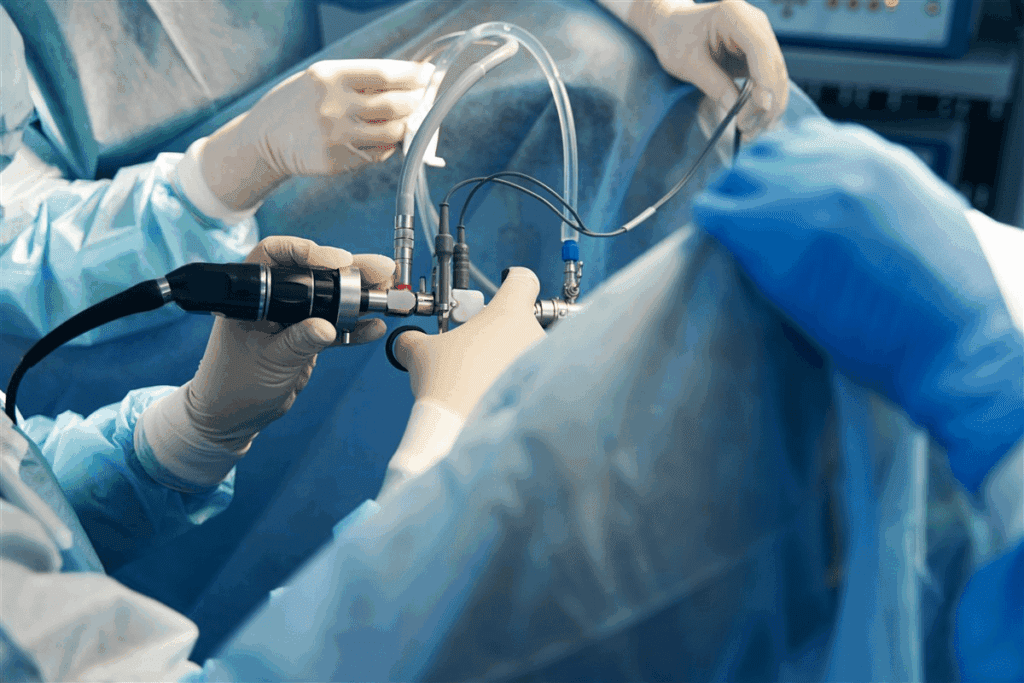
Minimally invasive neurosurgery, like endoscopic brain surgery, has changed how we treat brain disorders. It makes patients recover faster and better. This method uses a thin, flexible tube with a camera and light to operate inside the brain.
Definition and Minimally Invasive Approach
Endoscopic brain surgery is known for being less invasive. Surgeons use small cuts to reach the brain, which helps it heal quicker. This is great for surgeries like pituitary surgery, where being precise and causing less damage is key.
This minimally invasive method lowers the chance of problems and makes the endoscopic procedure length shorter. It’s a good choice for many patients.
Historical Development and Modern Applications
The growth of endoscopic brain surgery has seen big tech improvements. From the first endoscopic tools to today’s advanced systems, it’s come a long way. These advancements let doctors treat more conditions safely and effectively.
Today, endoscopic brain surgery is used for many procedures. Each has its own pituitary surgery time and endoscopic procedure length. Knowing these details helps surgeons and patients plan better and get the best results.
Endoscopic Brain Surgery Duration: What to Expect

Knowing how long endoscopic brain surgery takes is key for patients getting ready. The surgery’s length affects their experience and how they recover.
Average Timeframes for Common Procedures
Endoscopic brain surgeries vary in length. For example, endoscopic transsphenoidal pituitary surgery usually lasts 2 to 4 hours. On the other hand, endoscopic ventricular surgery might be quicker, taking 1 to 3 hours.
The average duration of endoscopic brain surgery changes with the case’s complexity and the surgeon’s skill. For instance, brain tumor removal surgeries can last from 2 to 6 hours. This depends on the tumor’s size and where it is.
Statistical Data on Procedure Length
Looking at data on neurosurgery operation times gives us useful insights. Studies show most endoscopic brain surgeries take a certain amount of time. The time can vary based on the type of procedure.
A study on neurosurgery operation time found the average for endoscopic surgeries was about 2.5 hours. The standard deviation was 1 hour. This info helps set realistic expectations for patients and the surgical team.
By looking at the average duration of endoscopic brain surgery and what affects it, patients can prepare better. They can also get ready for the recovery that comes after.
Factors Affecting the Length of Endoscopic Brain Surgery
The time it takes for endoscopic brain surgery depends on many things. Each factor is important for both patients and doctors to know. This helps everyone understand what to expect.
Complexity of the Neurological Condition
The type of neurological issue being treated greatly affects surgery time. More complex cases or those needing detailed work can take longer.
For example, surgeries on tumors or cysts in hard-to-reach brain spots need extra care. This can make the surgery longer.
Patient-Specific Considerations
Things like a patient’s health, age, and other health issues also matter. Patients with certain health problems might need special care. This can add to the surgery time.
Also, everyone’s body is different. This can mean the surgeon has to adjust their plan. This might change how long the surgery takes.
Surgeon Experience and Facility Capabilities
The skill of the neurosurgeon and the tech of the surgery room are key. More experienced surgeons work faster. Rooms with the latest tech can make things smoother, too.
We’ve made a table to show how these factors can change surgery time:
Factor | Impact on Surgery Duration | Example |
Complexity of Neurological Condition | Increased complexity can lengthen surgery time | Tumor location in a sensitive brain area |
Patient-Specific Considerations | Presence of comorbidities can complicate and prolong surgery | Patient with diabetes requiring careful management |
Surgeon Experience | More experienced surgeons can complete surgeries more efficiently | Surgeon with over 100 endoscopic surgeries performed |
Facility Capabilities | Advanced equipment can streamline the surgical process | Use of high-definition endoscopic equipment |
Knowing these factors helps patients and doctors. It lets everyone understand the surgery better. This can lead to better results.
Types of Endoscopic Brain Surgeries and Their Durations
There are many types of endoscopic brain surgeries. Knowing how long they last is key for getting ready. These surgeries are a big step forward in neurosurgery, making treatments less invasive.
Endoscopic Transsphenoidal Pituitary Surgery
This surgery removes tumors from the pituitary gland. It usually takes 1 to 3 hours. The minimally invasive nature of this procedure means less recovery time and less scarring.
Endoscopic Ventricular Surgery
This surgery treats hydrocephalus or other ventricular system disorders. It can last from 30 minutes to 2 hours. The precision offered by endoscopic techniques leads to effective treatment with fewer complications.
Endoscopic Skull Base Surgery
This surgery treats conditions at the skull base, like tumors and cerebrospinal fluid leaks. It can take 2 to 6 hours. Advanced endoscopic techniques have greatly improved outcomes for complex cases.
Endoscopic-Assisted Brain Tumor Removal
This method combines endoscopic and traditional microsurgical techniques. It aims to remove tumors while causing less brain disruption. The surgery can last from 2 to 5 hours. The use of endoscopic assistance helps the surgeon see and access the tumor better.
In conclusion, the time needed for endoscopic brain surgeries varies. It depends on the procedure, the condition’s complexity, and the patient’s health. Knowing this helps patients and their families prepare for the surgery and recovery.
Pre-Surgical Preparation Time
Before endoscopic brain surgery, we take many steps to keep patients safe and the surgery successful. Preparing for surgery is a detailed process. It involves many medical experts and the latest technology.
Pre-Operative Testing and Evaluation
Patients get tested before surgery to check their health and find any risks. These tests might include blood work, MRI or CT scans, and more. Our team looks at these results to plan the surgery just for them.
We also check the patient’s medical history and current medications. This helps us reduce risks and make sure the patient is ready for surgery.
Anesthesia Administration and Patient Positioning
On surgery day, anesthesiologists give anesthesia to keep the patient comfortable and safe. The type and amount of anesthesia depend on the patient’s health and the surgery needs.
After anesthesia, the surgical team places the patient on the table for the best access. This step is key for a successful surgery. It needs careful teamwork.
By focusing on these important steps, we make sure our patients get the best care. They have the best chance of success with their endoscopic brain surgery.
The Surgical Timeline: From Start to Finish
The surgical timeline covers many important stages, from the start to after the surgery. It’s key for a successful endoscopic brain surgery. Our team helps you through each step, making it easier to understand.
Initial Access and Equipment Setup
The first step is getting to the brain area that needs surgery. Then, we set up the equipment needed. Our neurosurgeons use advanced endoscopic equipment for clear views and precise work.
We carefully position the patient, give anesthesia, and prepare the tools. This careful setup helps the surgery go smoothly and quickly.
Core Procedure Duration
The main part of the surgery is when the neurosurgeon does the actual work. How long this takes depends on the surgery’s complexity and the patient’s health. The techniques used also play a role.
Our team watches the patient’s vital signs closely during surgery. This ensures their safety and allows for quick adjustments. Advanced tools help make the surgery more precise and effective.
Closure and Immediate Post-Operative Care
After the main surgery, we close the access points and start post-operative care. This is vital for avoiding problems and helping the patient recover well. We use gentle techniques to close the sites and support healing.
In the first hours after surgery, our team keeps a close eye on the patient. They manage any pain and watch for any issues. Effective pain management and careful watching are key to the patient’s comfort and safety.
Comparing Endoscopic vs. Traditional Brain Surgery Duration
Choosing between endoscopic and traditional brain surgery affects how long the surgery lasts and how long you’ll stay in the hospital. We’ll look at how these methods differ. This includes their impact on surgery time, hospital stay, and recovery.
Time Differences Between Surgical Approaches
Endoscopic brain surgery is less invasive, leading to shorter surgeries. It uses smaller cuts and advanced tools. This makes the surgery faster.
Traditional brain surgery, being more invasive, takes longer. The surgery’s complexity, the patient’s health, and the surgeon’s skill also matter. These factors can extend the surgery time.
Surgical Approach | Average Surgery Duration | Typical Hospital Stay |
Endoscopic Brain Surgery | 2-4 hours | 1-3 days |
Traditional Brain Surgery | 4-6 hours | 3-7 days |
Recovery Time After Endoscopic Brain Surgery
The recovery time after endoscopic brain surgery is very important. It needs careful planning and attention. We help patients through this time by explaining what to expect.
Immediate Post-Operative Recovery Period
The first stage is right after surgery, in the hospital’s recovery room or ICU. Medical staff watch the patient’s health closely. They look for any problems quickly.
This stage can last a few days. Most patients stay in the hospital for a short time.
Short-Term Recovery Milestones
In the first few weeks, patients hit several milestones. They might feel tired, have headaches, or feel uncomfortable. These feelings are usually managed with medicine.
As they get better, they start to feel stronger and do normal things again. It’s important to follow the doctor’s advice for a smooth recovery. Most can get back to their daily life in a few weeks. But, they should avoid hard activities for longer.
Long-Term Recovery Expectations
How long it takes to recover depends on many things. These include the patient’s health, the surgery’s complexity, and their overall condition. Regular check-ups with the neurosurgeon are key to track progress and solve any issues.
Some patients fully recover, while others need ongoing care. Our team is here to support you every step of the way.
Knowing what to expect during recovery helps patients prepare. We aim to give the best care and support for our patients’ recovery.
Potential Complications and Their Effect on Surgery Duration
The time it takes for endoscopic brain surgery can change due to several complications. Surgeons work hard to avoid risks but must be ready for unexpected challenges.
Common Intraoperative Challenges
During endoscopic brain surgery, several challenges can pop up. These might make the surgery take longer. Some of these include:
- Bleeding or hemorrhage: If bleeding gets out of control, it can add extra time to the surgery.
- Anatomical variations: If the body’s layout is different than expected, it can make the surgery harder and longer.
- Equipment malfunction: Though rare, if the tools used in surgery break, it can cause delays.
Managing Unexpected Findings During Surgery
Sometimes, surgeons find things they didn’t expect during surgery. This could be extra problems or unexpected body layouts. Handling these surprises requires:
- Quick decision-making: Surgeons need to make fast decisions on how to proceed.
- Adaptability: Being ready to change the plan based on new information.
- Effective communication: It’s key to talk clearly with the team to make changes smoothly.
Challenge | Impact on Surgery Duration | Management Strategy |
Bleeding or Hemorrhage | Increased duration due to need for hemostasis | Use of hemostatic agents, careful monitoring |
Anatomical Variations | Potential for longer navigation and orientation | Preoperative planning, intraoperative imaging |
Equipment Malfunction | Delay for repair or replacement | Regular equipment maintenance, backup systems |
Knowing about these possible problems helps patients understand the complexity of endoscopic brain surgery. It shows the skill needed to handle these challenges.
Technological Advancements Affecting Procedure Length
Technology has changed endoscopic brain surgery a lot. New tech makes surgeries more precise and quick. This helps patients get better faster.
Modern Endoscopic Equipment Innovations
New tools in endoscopic surgery are amazing. We have high-definition cameras, better lights, and flexible scopes. These help doctors see and reach better during surgery.
Key innovations include:
- High-definition imaging for clearer visualization
- Advanced lighting systems for better illumination
- Flexible endoscopes for easier navigation
- Improved ergonomic design for surgeon comfort
Navigation Systems and Intraoperative Imaging
Navigation systems and intraoperative imaging are key now. They give doctors real-time info. This makes surgeries safer and more precise.
Technology | Description | Benefits |
Navigation Systems | Provide real-time spatial information during surgery | Enhanced precision, reduced complications |
Intraoperative Imaging | Allow for real-time visualization during procedures | Improved accuracy, better outcomes |
Using these new techs, we can make surgeries shorter and more successful. We keep up with the latest to give our patients the best care.
Patient Experiences and Case Studies
We share real-world examples of endoscopic brain surgery to understand the patient’s journey. Our team has gathered case studies and patient testimonials. This gives insight into the surgical experience.
Real-World Surgery Duration Examples
Patients have shared their experiences with endoscopic brain surgery. This shows the variability in surgery duration. For example, a patient undergoing endoscopic transsphenoidal pituitary surgery was under anesthesia for about 2 hours and 45 minutes.
Another patient who had endoscopic ventricular surgery said their procedure lasted about 1 hour and 30 minutes. These examples show the range of time patients spend under anesthesia.
Surgery Type | Average Duration | Patient Feedback |
Endoscopic Transsphenoidal Pituitary Surgery | 2 hours 45 minutes | Generally positive, with some discomfort post-surgery |
Endoscopic Ventricular Surgery | 1 hour 30 minutes | Quick recovery, minimal post-operative pain |
Endoscopic Skull Base Surgery | 3 hours | Noted some post-operative swelling, but overall satisfaction |
Patient Perspectives on Time Under Anesthesia
Patients have different experiences and perceptions of time under anesthesia. Some feel anxious about the anesthesia, while others worry more about the surgery.
“I was surprised by how quickly the anesthesia took effect, and before I knew it, the surgery was over.” – Patient testimonial
Understanding these perspectives helps us support our patients better during their surgical journey.
Our commitment to personalized care is reflected in our patients’ positive feedback. By sharing their stories and experiences, we aim to comfort and inform those preparing for endoscopic brain surgery.
Preparing for Your Endoscopic Brain Surgery
Getting ready for endoscopic brain surgery involves a few steps. You need to prepare physically and understand the surgery schedule. We want to make sure you’re well-informed and ready for a good outcome.
Questions to Ask Your Neurosurgeon About Timing
Knowing when your surgery will happen is key. It helps you know what to expect. Ask your neurosurgeon about the surgery’s length, how long you’ll need to prepare, and how long you’ll recover. Here are some important questions:
- How long will the surgery take?
- What are the factors that could affect the duration of the surgery?
- What is the expected recovery time, and what does the immediate post-operative period look like?
Setting Realistic Expectations for Surgery and Recovery
Having realistic expectations is important for a smooth recovery. We work with you to understand your condition and the surgery plan. This way, you know what to expect, including any risks and the support you’ll need.
Key aspects to consider when setting expectations include:
- Understanding the surgical timeline and any factors that might influence it.
- Being aware of the possible complications and how they are handled.
- Having a clear plan for post-operative care and follow-up.
Being well-prepared and informed helps you feel confident. Our team is here to support and guide you. We aim to give you the best care possible.
Conclusion
Knowing how long endoscopic brain surgery takes is key for patients and their families. We’ve looked into the different parts of endoscopic brain surgery. This includes what it is, the types of procedures, and how long they last and how long it takes to recover.
Our team is dedicated to top-notch healthcare for international patients. We give detailed info on the surgery and recovery. This helps patients feel more confident as they go through their surgery.
We focus a lot on taking care of our patients. We aim to offer the best neurosurgery skills. By understanding the surgery and recovery well, we can support our patients better.
FAQ
How long does endoscopic brain surgery typically take?
The time needed for endoscopic brain surgery varies. It depends on the procedure, the condition’s complexity, and the patient’s needs. On average, these surgeries can last from a few hours to several hours.
What factors influence the length of endoscopic brain surgery?
Several factors affect the surgery’s length. These include the condition’s complexity, patient-specific needs, the surgeon’s experience, and the medical facility’s capabilities.
How long is the recovery time after endoscopic brain surgery?
Recovery time after endoscopic brain surgery is generally shorter than traditional surgery. Patients usually recover in a few days. Short-term recovery milestones are reached within a few weeks.
What are the benefits of endoscopic brain surgery compared to traditional brain surgery?
Endoscopic brain surgery has many benefits. It offers a shorter recovery time, less invasive incisions, and potentially fewer complications. This approach also causes less trauma to the brain and surrounding tissues.
Are there any potential complications during endoscopic brain surgery?
While safe, endoscopic brain surgery can have complications. These include bleeding, infection, or unexpected findings during surgery. Our experienced team is ready to manage these and ensure the best outcomes.
How do technological advancements impact endoscopic brain surgery?
Advances in technology have greatly improved endoscopic brain surgery. Modern equipment, navigation systems, and imaging have made the surgery more precise and efficient. These advancements lead to better outcomes and shorter recovery times.
What should I expect during the pre-surgical preparation for endoscopic brain surgery?
Pre-surgical preparation includes a thorough evaluation. This includes pre-operative testing and assessing your health. Our team will also administer anesthesia and ensure proper positioning before surgery.
How can I prepare for my endoscopic brain surgery?
To prepare, ask your neurosurgeon about the timing and recovery. Understanding the process can help you feel more confident and in control.
What are the different types of endoscopic brain surgeries, and how long do they take?
There are various endoscopic brain surgeries, like endoscopic transsphenoidal pituitary surgery and endoscopic-assisted brain tumor removal. Each procedure’s duration varies. Our team will provide specific information based on your needs.
How does the surgeon’s experience impact the duration of endoscopic brain surgery?
The surgeon’s experience is key to the surgery’s success and duration. Our team of experienced neurosurgeons ensures the best care and outcomes for our patients.
References
National Center for Biotechnology Information. Evidence-Based Medical Insight. Retrieved from https://pubmed.ncbi.nlm.nih.gov/32430588/