
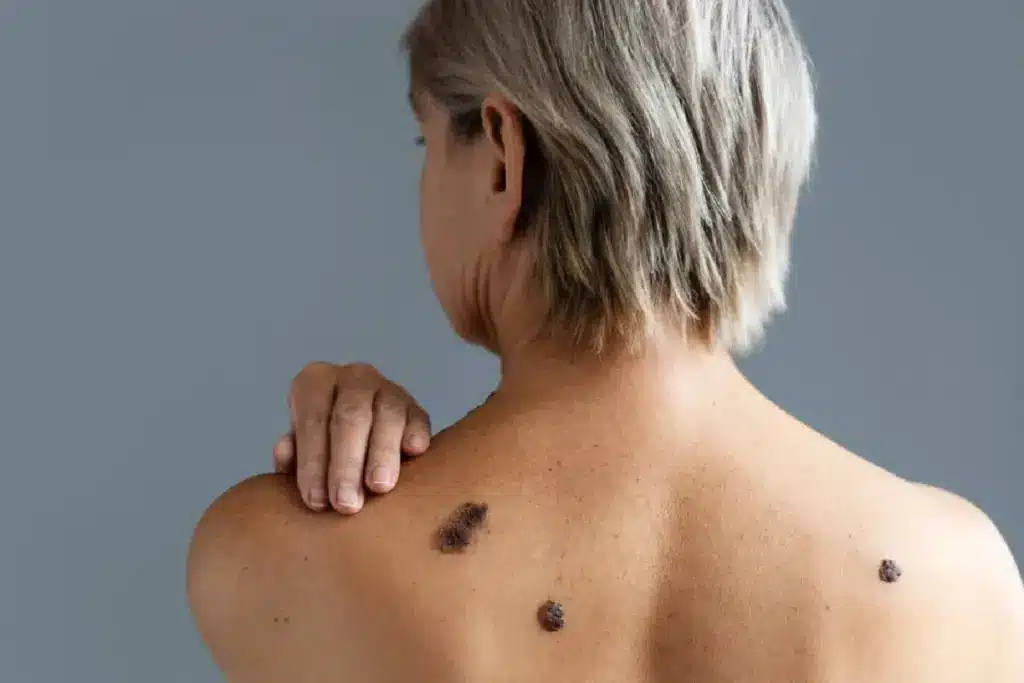
Actress Martha Plimpton talked about her skin checks in public. This brought up how important it is to watch moles for health risks.
It’s key to know when to get a mole check for early skin issue detection. Many don’t know the signs that mean a mole needs a doctor’s look. Listing signs that indicate a mole should be checked, particularly focusing on moles that are painful, itchy, or bleeding.
Doing regular self-checks is a big part of keeping your skin healthy. Spotting problems early is easier. Knowing why we get moles helps us watch our skin more closely.
Key Takeaways
- Regular self-examinations are key for skin health.
- Knowing when a mole needs a check is very important.
- Martha Plimpton’s story shows the need for proactive skin checks.
- Understanding moles helps us notice skin changes.
- Early detection is essential for skin issues.
Understanding What Moles Are and Why We Have Them
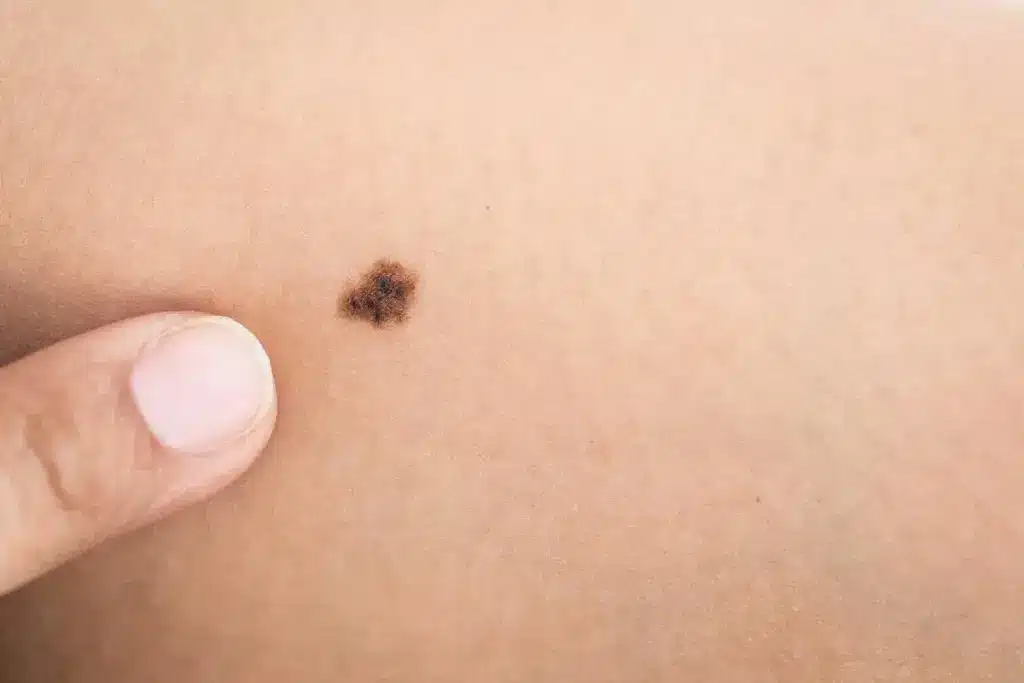
Knowing about moles is key to keeping our skin healthy. Moles are common skin spots that can pop up anywhere on our bodies. They come in different shapes, sizes, and colors.
Definition and Types of Moles
A mole, or nevus, is a harmless skin growth. It happens when melanocytes cells cluster together. There are a few types of moles, including:
- Congenital moles: Present at birth
- Acquired moles: Appear later in life
- Atypical moles: Unusual in appearance and may be a sign of increased risk for skin cancer
Moles can be flat or raised, and their color can range from pink to dark brown. The size of moles can vary significantly, with some being very small and others being larger.
The Natural Development of Moles Throughout Life
Moles can appear at any age, but they usually start in childhood and adolescence. The number of moles a person has can increase until their 20s or 30s. Then, it may start to decline. Hormonal changes, like those during pregnancy, can also affect moles, causing them to darken or change in size.
It’s important to keep an eye on moles throughout life. Changes in their appearance can signal skin health issues.
Why Do We Have Moles? The Biological Purpose
The exact purpose of moles is not fully understood. But, they are believed to be linked to melanin, the pigment that gives skin its color. Moles may act as a natural defense against sun damage, helping protect the skin from harmful UV radiation.
Key facts about moles:
- Moles are benign growths, not cancerous
- Most people have between 10 and 40 moles
- Mole size can vary, with larger moles being more noticeable
Understanding moles is vital for spotting any issues early on.
The ABCDE Rule for Evaluating Moles
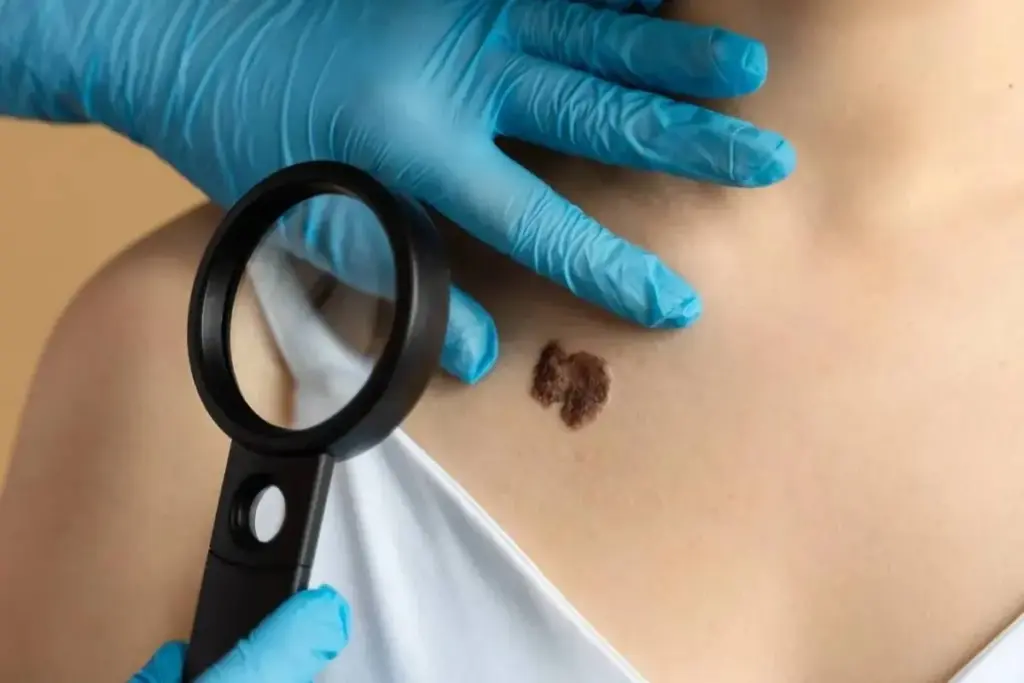
Knowing the ABCDE rule is key for anyone to watch their moles closely. This rule helps remember signs of a mole that might be cancerous. It’s a simple way to check moles for any red flags early.
Asymmetry: When Shape Matters
Moles that are not symmetrical are a worry. To check, draw a line through the mole. If the halves don’t match, it might be a sign of trouble. Asymmetry is a key indicator because cancerous moles often grow irregularly.
Border: Examining the Edges
A mole with a notched, ragged, or blurred edge is a concern. Benign moles have smooth, even borders. Look for any irregularities in the border that could suggest abnormal cell growth.
Color: Concerning Color Changes
Changes in color within a mole are a warning. Benign moles are usually one color, while concerning moles may have multiple colors. Be cautious of moles that are multi-colored or have an unusual color.
Diameter: Size as a Warning Sign
Larger moles are more likely to be cancerous. While size alone isn’t a definitive indicator, a mole that’s significantly larger than others or is growing is worth investigating further.
The ABCDE rule offers a structured way to check moles. It helps identify characteristics that may need a closer look. Below is a summary table of the ABCDE rule:
|
Characteristic |
Benign Mole |
Potentially Concerning Mole |
|---|---|---|
|
Asymmetry |
Symmetric |
Asymmetric |
|
Border |
Smooth, even border |
Notched, ragged, or blurred edge |
|
Color |
Single shade of brown |
Multiple colors or uneven color |
|
Diameter |
Smaller |
Larger (typically > 6mm) |
By using the ABCDE rule, people can better check their moles. This helps make informed decisions about when to see a doctor. Regular self-exams and doctor visits are key for early detection and prevention.
Moles That Are Painful: When Pain Is a Warning Sign
Moles that hurt might show a problem that needs fixing. Most moles are safe, but pain could mean something serious.
Types of Pain in Moles
Pain in moles can feel sharp or dull. Knowing the type of pain helps figure out why it’s happening.
- Sharp pain upon touching the mole
- Dull, persistent ache around the mole
- Itching or burning sensation
Why Does My Mole Hurt?
There are many reasons a mole might hurt. It could be from irritation, injury, or a skin problem.
Possible Causes:
|
Cause |
Description |
|---|---|
|
Irritation |
Friction from clothing or jewelry can irritate the mole. |
|
Injury |
A cut or scrape on the mole can cause pain. |
|
Skin Conditions |
Conditions like eczema or psoriasis can affect moles. |
Differentiating Between Normal Sensitivity and Concerning Pain
Not all mole pain is a big deal. But, some signs can mean a serious problem.
If pain lasts or comes with bleeding or changes, see a dermatologist.
When to Be Concerned About a Mole: Red Flags
Knowing the signs of a mole problem can save lives. Most moles are harmless, but some changes might mean trouble. It’s important to know when to see a doctor.
Sudden Appearance of New Moles in Adulthood
New moles in adults can be a worry. New moles in later years might be more likely to be cancerous. Keep an eye on them and see a dermatologist if they look odd.
Rapid Changes in Existing Moles
Moles that change fast in size, shape, or color are a warning sign. If a mole grows, changes color, or shape quickly, get it checked by a doctor.
Multiple Concerning Features
A mole with many warning signs, like being asymmetrical, having irregular borders, or being multicolored, needs a doctor’s look. These signs together mean a higher risk of cancer.
Itching, Crusting, and Other Unusual Symptoms
Moles that itch, crust, or show other odd symptoms might be a problem. Itching or crusting around a mole is not normal and should be seen by a dermatologist. These signs could mean irritation or something serious.
The American Academy of Dermatology says, “The most common sign of skin cancer is a new mole or a change in an existing mole.” Watching for mole changes and knowing when to get a mole checked can help catch cancer early.
“Early detection is key to treating skin cancer effectively. Regular self-examinations and professional check-ups can make a significant difference in outcomes.”
Keeping an eye on moles and knowing the warning signs can help catch problems early. If you’re unsure about a mole or see any red flags, it’s best to talk to a healthcare professional.
New Moles vs. Existing Moles: What to Watch For
It’s important to know how to tell new moles from changes in old ones. This helps spot skin problems early.
Normal Patterns of New Mole Development
New moles can show up at any age, but they’re more common in kids and teens. They start as small, flat spots and might grow over time. Most new moles are harmless, but keep an eye on them for any changes.
When New Moles Should Raise Concern
Some new moles might look different and need more attention. Look out for moles that are irregularly shaped, have uneven edges, or show different colors. If a mole is bigger than a pencil eraser, see a dermatologist.
Monitoring Changes in Long-Standing Moles
Changes in old moles can also be a worry. Watch for asymmetry, where the mole doesn’t look even, or changes in color or size. Regular checks by yourself and a doctor can catch these early.
Staying alert about new and old moles is key to good skin health. Knowing what to look for and when to get help can lower your risk of skin problems.
Bleeding Moles: Causes and When to Seek Help
Moles that bleed might show a problem that needs attention. Some bleeding moles are okay, but others could mean something serious. It’s important to know why and when to see a doctor to keep your skin healthy.
Why Moles Might Bleed
Bleeding from a mole can happen for many reasons. Some common reasons include:
- Physical injury or trauma to the mole
- Irritation from clothing or jewelry
- Excessive sun exposure
- Skin conditions such as eczema or psoriasis
- In some cases, bleeding can be a sign of skin cancer
Differentiating Between Injury and Spontaneous Bleeding
Telling if bleeding is from an injury or not is key. If a mole bleeds from an injury, it’s usually not a big deal. But if it bleeds without reason, it might mean something serious.
Here’s how to tell the difference:
|
Characteristics |
Injury-Related Bleeding |
Spontaneous Bleeding |
|---|---|---|
|
Cause |
Trauma or injury to the mole |
No apparent cause |
|
Onset |
Bleeding occurs immediately after injury |
Bleeding occurs without warning |
|
Associated Symptoms |
Pain, swelling, or bruising |
Itching, redness, or changes in mole appearance |
When Mole Bleeding Requires Immediate Attention
Not all bleeding moles need urgent care, but some do. You should get help right away if you notice:
- Frequent or recurrent bleeding from the mole
- Changes in the mole’s appearance, such as size, shape, or color
- Itching, pain, or tenderness around the mole
- A family history of skin cancer
- Previous history of skin cancer or abnormal moles
If you’re not sure why your mole is bleeding or see any worrying signs, see a dermatologist. They can check it out and give advice.
The Significance of Mole Location
Moles can show up anywhere on the body. But where they appear can tell us a lot about their risk. It’s important to know how different spots on our body are more at risk or harder to check.
High-Risk Areas on the Body
Some spots on our body are more likely to get damaged by the sun or rubbing. Moles in these areas might be more serious. For example, moles on the face, neck, or hands get a lot of sun.
Hard-to-See Locations and Monitoring Strategies
Moles in tricky spots like the back or scalp need extra care. Using mirrors or asking someone to check these areas can help a lot.
Gender-Specific Considerations
Studies show that mole locations can mean different things for men and women. Men often get skin cancer on the back. Women are more likely to get it on the legs.
|
Body Area |
Risk Level |
Monitoring Difficulty |
|---|---|---|
|
Face |
High |
Low |
|
Back |
High |
High |
|
Scalp |
High |
High |
|
Hands |
High |
Low |
|
Legs |
Moderate |
Moderate |
Mole Size: Does Size Matter?
The size of a mole can tell us a lot about it. While size isn’t the only thing to look at, it’s very important. It helps us understand the risk a mole might pose.
Understanding What’s Considered a Large Mole
A mole is seen as large if it’s bigger than a pencil eraser. Moles over 6mm in diameter are often a cause for concern. This is because they might have a higher chance of being cancerous.
Key characteristics of large moles include:
- Diameter greater than 6mm
- Irregular shapes or borders
- Multiple colors or uneven color distribution
The “Rule of 5” for Mole Size
The “Rule of 5” is a tool dermatologists use to check mole risks. It says moles over 5mm or those that change a lot need a closer look.
“The ‘Rule of 5’ is a simple yet effective tool for identifying potentially concerning moles.”
When Small Moles Can Be Concerning
Even small moles can be risky under certain conditions. For example, a small mole that looks uneven or has different colors is a red flag, no matter its size.
Factors that can make a small mole concerning include:
- Asymmetry
- Irregular or notched borders
- Multiple colors or uneven pigmentation
In conclusion, size is important, but it’s not the only thing to look at. Moles are evaluated based on several factors. Regular checks and expert opinions are key for early detection and treatment.
Risk Factors That Increase the Need for Mole Checks
Several risk factors can make you more likely to get moles that need medical attention. Knowing these factors helps you know when to get a mole checked. It also helps you stay on top of your skin health.
Family History of Skin Cancer
If your family has had skin cancer, you might be at higher risk for moles. This is true if a first-degree relative, like a parent or sibling, has had melanoma or other skin cancers.
Personal History of Abnormal Moles
Having had atypical or dysplastic moles before raises your risk. These moles are often bigger and have strange shapes or colors. They are more likely to turn cancerous.
Sun Exposure Patterns
Sun exposure is key in mole development. Spending a lot of time outside, or having sunburns, increases your risk. UV radiation from the sun or tanning beds can cause moles and raise skin cancer risk.
Skin Type and Susceptibility
Your skin type affects your risk for moles. People with fair skin, light hair, and light eyes are more at risk. This is because they are more prone to UV damage.
Knowing these risk factors helps you stay ahead of mole issues. Regular self-checks and doctor visits are key for early detection and prevention.
- Know your family history of skin cancer.
- Monitor your moles regularly, if you have a history of abnormal moles.
- Be careful with sun exposure and use protection.
- Understand your skin type and its role in mole development.
By understanding and tackling these risk factors, you can better know when to get a mole checked. This can help lower your risk of skin problems.
How to Perform a Self-Examination of Moles
It’s important to know how to check your moles for any changes. Doing this regularly helps you get to know your skin better. This way, you can spot new or changing moles more easily.
Creating a Regular Schedule
Setting a regular time to check your moles is key. Try to do it once a month. Pick a day and stick to it. This makes it easier to remember.
Tools and Techniques for Home Monitoring
You’ll need a few things to check your moles at home: a full-length mirror, a hand-held mirror, and good light. Use the full-length mirror for your front and back. The hand-held mirror is great for spots you can’t see well, like your scalp and back.
Make sure to look at all parts of your skin. Pay special attention to any new moles or changes in old ones.
Documenting Changes Effectively
Keeping track of your moles is helpful. Take clear photos of them and mark where they are on a body map. Record their size, shape, and color. This info is useful when you see a dermatologist.
Partner Assistance for Hard-to-See Areas
Some spots, like your back and the back of your legs, are hard to see yourself. Having a partner help is a big plus. Ask them to check these areas for you. They can use the same methods you do.
When to Schedule a Professional Mole Check
Getting a mole check from a professional is key for catching skin problems early. While checking yourself is important, a doctor’s opinion is more reliable for your skin’s health.
Recommended Frequency Based on Risk Factors
How often you need a mole check depends on your risk factors. These include your family history, past skin cancer, and how many moles you have. If you’re at higher risk, you should go more often.
|
Risk Category |
Recommended Check-up Frequency |
|---|---|
|
Low Risk |
Every 2-3 years |
|
Moderate Risk |
Annually |
|
High Risk |
Every 6-12 months |
What to Expect During a Professional Skin Examination
A dermatologist will carefully look at your skin during an exam. They’ll focus on any moles or spots that look different. They might use a special tool to see more clearly.
Key aspects of the examination include:
- Visual inspection of all skin areas
- Use of dermatoscopy for closer examination
- Assessment of mole characteristics using the ABCDE rule
- Discussion of any concerns or changes you’ve noticed
Finding the Right Dermatologist
Finding the right dermatologist is important for a good mole check. Look for one who is certified and has experience with skin cancer.
Consider the following when selecting a dermatologist:
- Board certification
- Experience with skin cancer cases
- Patient reviews and recommendations
Digital Dermatology and Telemedicine Options
Digital dermatology and telemedicine make it easier to get advice without going to a clinic. Some doctors offer virtual consultations.
Knowing your options helps you take care of your skin. Whether you see a doctor in person or online, being proactive is key.
Diagnostic Procedures and Treatment for Suspicious Moles
Diagnosing suspicious moles involves several steps. These include the first look and advanced tests. Knowing these steps can ease worries and help people understand what’s happening.
Dermoscopy and Advanced Imaging
Dermoscopy is a way to look at moles closely without cutting. Dermatologists use a special microscope to see details not seen by the eye. This helps tell if a mole is safe or might be cancer.
Advanced imaging like digital dermoscopy can save pictures for later. This is great for people with many moles or a history of skin cancer.
Biopsy Types and Procedures
If a mole looks suspicious, a biopsy might be needed. A biopsy takes a piece of the mole for a closer look. There are different biopsies, like shave and excisional, each for different reasons.
An excisional biopsy removes the whole mole. It’s used when cancer is likely. The type of biopsy depends on the mole’s look and where it is.
Surgical and Non-Surgical Treatment Options
Treatment for moles depends on what the doctor finds. If it’s cancer, surgical removal is often needed. The surgery can be small or big, depending on the cancer.
For some pre-cancerous spots, non-surgical treatments might be used. These include creams or other non-cutting methods.
Post-Treatment Monitoring and Care
After treatment, it’s important to watch the area and other moles. Regular visits to the dermatologist are key. People should also check themselves for new or changing moles.
Knowing why a mole might hurt or when to worry can help with care after treatment. Any odd symptoms should be told to a doctor.
Conclusion: Balancing Vigilance and Peace of Mind
Knowing when to worry about a mole is key to keeping our skin healthy. Moles are a normal part of our skin. Learning about moles helps us watch them closely.
Regular self-checks and visits to the dermatologist give us peace of mind. This lets us enjoy the outdoors while keeping an eye on our skin.
Being alert to signs of trouble in moles, like shape, color, or size changes, helps us act fast. Getting a mole checked by a pro can lead to early detection and treatment.
It’s possible to be careful without losing peace of mind. Education and regular checks help us keep our skin healthy. This way, we can lower the risks linked to moles.
FAQ
What is a mole, and why do we get them?
A mole is a skin growth caused by melanocytes clustering. These cells produce pigment. Moles are usually harmless and can appear anywhere on the body.
What is the ABCDE rule for evaluating moles?
The ABCDE rule helps spot potentially cancerous moles. It stands for Asymmetry, Border irregularity, Color variation, Diameter larger than 6mm, and Evolving size, shape, or color.
When should I be concerned about a mole?
Be concerned if a mole shows signs like those in the ABCDE rule. Also, if it bleeds, becomes painful, or changes quickly.
What does it mean if my mole hurts?
A painful mole might mean irritation, injury, or skin cancer. Watch it closely and see a dermatologist if the pain doesn’t go away.
Can new moles be a sign of skin cancer?
Most new moles are not cancerous. But, a new mole could be cancerous if it looks suspicious. Always check with a dermatologist if you’re worried.
How often should I check my moles?
Check your moles monthly. Look for changes in size, shape, color, or texture.
What is the significance of mole size?
Larger moles might be more suspicious. But, even small moles can be concerning if they look odd. Moles over 5mm in diameter should be checked closely.
Can the location of a mole impact its risk profile?
Yes, moles in high-risk areas like the face or hands are more concerning. Moles in hard-to-see spots, like the scalp, need more checks.
What should I do if my mole bleeds?
If your mole bleeds, gently press on it to stop. Then, see a dermatologist to check for any issues.
How can I perform a self-examination of my moles effectively?
Use a mirror to check your skin. Look for any mole changes. Take notes and ask someone to check hard spots for you.
When should I schedule a professional mole check?
See a dermatologist if you’re worried about a mole. Or if you’ve had skin cancer before. Also, if you notice changes in your moles.
What can I expect during a professional skin examination?
A dermatologist will check your skin during an exam. They’ll look for suspicious moles. They might use special tools to help diagnose.
References
National Center for Biotechnology Information. Evidence-Based Medical Insight. Retrieved from https://www.ncbi.nlm.nih.gov/pmc/articles/PMC8366310/