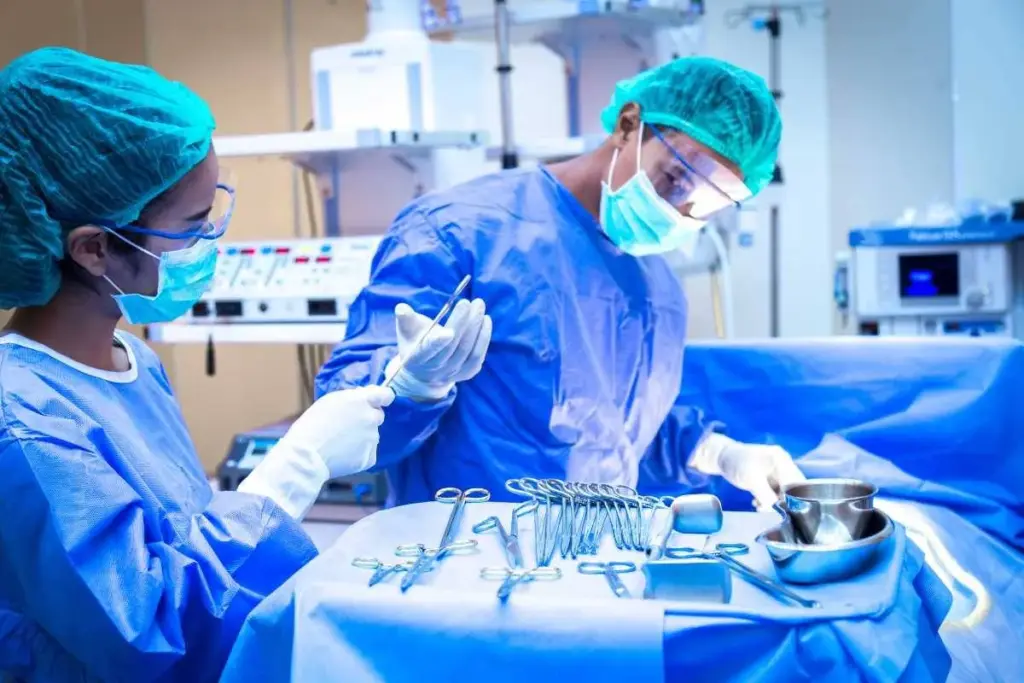
Detailing how long does a lesion excision take (usually 30-60 minutes) for a simple surgical excision excision procedure.
Did you know over 1 million people in the United States get surgical excision every year? This procedure is used to remove abnormal tissue or lesions from the body.
Knowing how long the procedure takes is important. It helps patients get ready for what happens during and after surgery. The time needed for a lesion excision changes based on the lesion’s size and where it is.
A surgical excision usually means a simple operation. The lesion is taken out, and the area is closed with stitches or staples.
Key Takeaways
- The time for a lesion excision depends on the lesion’s size and location.
- Surgical excision is a common way to remove abnormal tissue.
- Knowing how long the procedure takes helps patients prepare for surgery and recovery.
- The excision medical term means the surgical removal of tissue or lesions.
- Patients should talk to their doctor for specific details about their procedure.
What Is a Lesion Excision?
[PLACE THE IMAGE HERE]
“Lesion excision” is a surgical method to remove damaged or abnormal tissue areas. It’s important to know what lesions are, what excision means, and why these lesions are removed.
Definition of Lesions and Their Types
Lesions are any abnormal damage or change in body tissue. They can be harmless or dangerous. Lesions can appear in the skin, organs, and other tissues.
There are different types of lesions, including:
- Benign lesions, which are non-cancerous growths
- Malignant lesions, which are cancerous
- Dysplastic lesions, which show abnormal cell growth that can potentially become cancerous
Medical Definition of Excision
In medicine, excision means removing a lesion or tissue. It involves cutting out the affected area and some healthy tissue around it. This ensures all affected tissue is removed.
Research on cavity shaving in breast-conserving surgery shows excision’s role. It removes potentially cancerous tissue while keeping healthy tissue.
Purpose of Lesion Removal
The main goal of removing lesions is to get rid of harmful or unwanted tissue. This can be for checking for cancer, treating it, or for looks.
Lesion excision has several goals, including:
|
Purpose |
Description |
|---|---|
|
Diagnostic |
To examine the lesion for cancer or other conditions |
|
Therapeutic |
To remove cancerous or potentially cancerous lesions |
|
Cosmetic |
To improve the appearance of the skin or affected area |
Knowing about lesion excision helps patients see its value. It’s a key way to keep them healthy and looking good.
Excision vs. Other Removal Procedures

excision vs other removal procedures
Excision is a method used to remove lesions. It’s important to know how it compares to other methods. The choice of procedure depends on the lesion’s type, location, and the patient’s health.
Incision vs Excision: Understanding the Difference
“Incision” and “excision” are terms used in surgery, but they mean different things. An incision is when a cut is made to access an area or drain an abscess. Excision means removing a lesion or tissue with some healthy tissue around it.
The main difference is in their purpose. Incision is for accessing or draining, while excision is for removing lesions or diseased tissue. Here’s a quick comparison:
- Incision is often for drainage or to relieve pressure.
- Excision is for removing lesions, possibly for diagnosis or treatment of skin cancer.
Non-Surgical Alternatives
Not every lesion needs surgery. Non-surgical alternatives include watching it, using topical treatments, and other non-invasive methods. The choice between surgery and these options depends on the lesion, patient preference, and doctor’s advice.
Some lesions are harmless and don’t need to be removed unless they cause problems or affect appearance. In these cases, monitoring or topical treatments might be suggested. For example:
- Monitoring means regular check-ups to watch for any changes.
- Topical treatments include creams or ointments applied directly to the lesion.
Knowing the differences between excision and other methods is key to making good decisions about managing lesions.
Medical Reasons for Lesion Excision
It’s important for patients and doctors to know why lesion excision is done. This procedure helps in many ways, like figuring out what a lesion is or treating it.
Diagnostic Purposes
Lesion excision is often used for testing. Doctors take out the lesion to check if it’s cancer or not. This helps them understand what the lesion is.
Treatment of Skin Cancers
Lesion excision is key in fighting skin cancers. It removes cancer cells, stopping the disease from spreading. This is true for cancers like melanoma and basal cell carcinoma.
Management of Benign Growths
Not all lesions are cancerous. Many are just growths that can be removed for reasons like discomfort or looks. Removing these growths can make patients feel better and look better too.
Cosmetic Indications
Sometimes, lesions are removed just to look better. Taking out ugly or disfiguring lesions can make a big difference in how someone feels about themselves. This is a big benefit of excision.
|
Medical Reason |
Description |
Benefit |
|---|---|---|
|
Diagnostic Purposes |
Removal for histopathological examination |
Accurate diagnosis |
|
Treatment of Skin Cancers |
Removal of cancerous cells |
Prevention of disease spread |
|
Management of Benign Growths |
Removal of benign lesions |
Symptom alleviation |
|
Cosmetic Indications |
Removal for aesthetic reasons |
Improved appearance |
A study on treating rectal cancer shows how important lesion excision is. It shows that excision can really help patients get better. This makes the procedure very valuable in medicine today.
Types of Excision Procedures
There are many types of excision procedures. Each one has its own use and benefits. The right procedure depends on the lesion’s type, size, and where it is. It also depends on the patient’s health.
Simple Excision
Simple excision is a simple surgery. It removes the lesion and some of the surrounding tissue. This is often done for benign or small malignant lesions.
Wide Local Excision
Wide local excision removes the lesion and more of the normal tissue around it. It’s used for malignant lesions. This ensures all cancer cells are removed.
Mohs Micrographic Surgery
Mohs micrographic surgery is a precise method for skin cancers. It removes the lesion layer by layer. Each layer is checked under a microscope until no cancer is found.
Shave Excision
Shave excision removes the lesion by shaving it off. It’s used for raised benign lesions.
It’s important for patients to know about the different excision procedures. Each has its own uses, benefits, and risks. Talking to a healthcare professional is key to making the right choice.
Excision: The Complete Procedure Overview
Edit
Full screen
Delete
surgical excision procedure
Learning about the excision procedure helps patients know what to expect. It covers everything from the start to after the surgery. It’s all about the steps you take before and after the surgery.
Pre-Excision Preparation
Before an excision surgery, patients go through several steps. They might have medical checks, talk about anesthesia options, and get advice on what to do before surgery. Being well-prepared is key for a smooth process.
Anesthesia Options
The type of anesthesia used depends on the lesion’s size and location, and the patient’s health. You might get local anesthesia, sedation, or general anesthesia. The choice is made with the surgeon or anesthesiologist.
Surgical Technique
The surgical excision method involves removing the lesion and some surrounding tissue. This ensures it’s all taken out. The method used can change based on the lesion and where it is. Surgeons might use simple excision, wide local excision, or Mohs micrographic surgery.
Closure Methods
After removing the lesion, the surgeon will close the wound. They might use sutures, staples, or adhesive materials. The choice depends on the wound’s size, location, and the patient’s skin.
In summary, knowing about the excision procedure is important. It helps patients feel more confident during their treatment. By understanding the steps, from preparation to closure, patients can prepare for a good outcome.
Duration of Lesion Excision Procedures
The time it takes for a lesion excision procedure can change a lot. Knowing what affects the time and the usual time for each procedure helps patients get ready for their treatment.
Factors Affecting Procedure Length
Many things can change how long a lesion excision procedure takes. These include:
- The size and location of the lesion
- The type of excision procedure being performed
- The complexity of the case
- The experience of the surgeon
- The need for additional diagnostic procedures
These factors can greatly affect the procedure’s length. It’s important to talk to a healthcare professional for a better estimate.
Average Timeframes by Procedure Type
Each type of excision procedure takes a different amount of time. Here’s a quick look:
|
Procedure Type |
Average Duration |
|---|---|
|
Simple Excision |
15-30 minutes |
|
Wide Local Excision |
30-60 minutes |
|
Mohs Micrographic Surgery |
Several hours (variable) |
|
Shave Excision |
10-30 minutes |
These times are just estimates and can change based on the person’s situation.
Outpatient vs. Inpatient Procedures
Lesion excision procedures can happen either as an outpatient or inpatient, depending on the case and the patient’s health. Outpatient procedures are usually simpler and have quicker recovery times. Inpatient procedures are needed for more complex cases or when the patient needs closer monitoring.
Outpatient procedures are often chosen for simpler excisions, as they let patients go home the same day. Inpatient procedures are needed for more complex cases, requiring a longer stay in the hospital.
Preparing for Your Excision Procedure
To get the best results from your excision procedure, you need to prepare well. This means taking several steps. These steps help your healthcare provider understand your condition, plan the surgery, and reduce risks.
Pre-operative Consultations
You’ll have one or more meetings with your healthcare provider before the surgery. They will check your health, explain the surgery, and answer your questions. This is your chance to talk about your health history, medications, and any worries you have.
During these meetings, remember to:
- Give a full list of your medications and supplements.
- Talk about any allergies or sensitivities.
- Share your medical history, including past surgeries or health issues.
Required Medical Tests
Your healthcare provider might ask for some medical tests. These could be blood tests, imaging studies, or other tests. They help make sure you’re a good candidate for the surgery and plan the best way to do it.
It’s important to follow your healthcare provider’s instructions for these tests.
Medication Adjustments
Some medicines can affect your surgery or recovery. Your healthcare provider might tell you to stop taking certain medicines before the surgery. This includes blood thinners, herbal supplements, or other medicines that could get in the way of surgery or healing.
Always listen to your provider’s advice on changing your medications to avoid risks.
Day-of-Procedure Instructions
On the day of your surgery, there are things you should do. You might need to fast, arrange for a ride home, and wear comfortable clothes. Your healthcare provider will give you specific instructions.
By following these instructions carefully, you can make your excision procedure go smoothly. If you have any questions or concerns, don’t hesitate to ask your healthcare provider for help.
Excision Specialists: Who Performs These Procedures?
Lesion excision procedures are done by different medical experts. Each specialist has their own area of expertise. The choice of specialist depends on the type of lesion, its location, and your preferences.
Dermatologists
Dermatologists focus on skin, hair, and nail issues. They are often the first to see patients with skin lesions. They are skilled in simple excisions and keep up with new dermatological surgery techniques.
Plastic Surgeons
Plastic surgeons are known for cosmetic surgery but also do reconstructive surgery. They are great for procedures where looking good matters. They are experts in closing wounds and making skin look natural again.
General Surgeons
General surgeons can handle many conditions, including skin lesions. They are good for lesions in areas that need a broad surgical approach, like the abdomen or limbs.
Mohs Surgeons
Mohs surgeons specialize in Mohs micrographic surgery for skin cancers. They are experts at removing cancer while keeping healthy tissue. This helps ensure the cancer is fully removed.
For more details on surgical excision procedures, check out Advanced Dermcare. They offer in-depth information on the process and the specialists involved.
The Recovery Timeline After Excision
Knowing how to recover after a lesion excision is key. It helps patients understand what to expect and how to care for their wounds. The recovery process has different stages, each with its own needs and care.
Immediate Post-Procedure Period
The first hours after the procedure are very important. Patients are usually watched closely to catch any problems early. They might feel numbness, tingling, or pain at the site.
First 48 Hours
Keeping the wound clean and dry is vital in the first 48 hours. Patients must follow wound care instructions from their doctor to avoid infection. Mild pain, swelling, and bruising are normal during this time.
First Week of Recovery
In the first week, patients start to feel better, but the wound might stay sensitive. Follow-up appointments are set to check healing and remove stitches or staples.
Long-term Healing Process
The healing process can take weeks to months. Scar maturation takes even longer, sometimes over a year. It’s important to protect scars from the sun and use recommended scar care products.
|
Recovery Stage |
Typical Duration |
Key Considerations |
|---|---|---|
|
Immediate Post-Procedure |
0-1 hour |
Monitoring for complications, initial wound care |
|
First 48 Hours |
0-2 days |
Wound care, pain management, minimizing infection risk |
|
First Week |
3-7 days |
Follow-up appointments, suture removal, gradual return to activities |
|
Long-term Healing |
Several weeks to months |
Scar maturation, sun protection, scar care |
Comprehensive Excision Aftercare
After a lesion excision, it’s key to follow a detailed aftercare plan. This helps your wound heal well and reduces risks. It also makes your recovery smoother and improves the procedure’s results.
Wound Care Instructions
Good wound care is vital to avoid infections and ensure healing. Keep the wound clean and dry. Follow any dressing instructions from your doctor. This usually means washing it with mild soap and water, applying antibiotic ointment, and covering it with a bandage.
Key wound care steps include:
- Cleaning the wound gently with soap and water
- Applying antibiotic ointment to promote healing
- Covering the wound with a sterile bandage
- Monitoring for signs of infection
Pain Management Strategies
Managing pain is a big part of aftercare. Your doctor might suggest pain relievers or give you medication. Always follow their advice and tell them about any severe pain.
|
Pain Management Options |
Description |
|---|---|
|
Over-the-counter pain relievers |
Medications like acetaminophen or ibuprofen can help manage mild to moderate pain. |
|
Prescription pain medication |
Stronger pain relief may be prescribed for more significant discomfort. |
|
Alternative methods |
Techniques such as relaxation, cold compresses, or elevation of the affected area can also help. |
Activity Restrictions
After a lesion excision, you might need to avoid certain activities. Don’t do heavy lifting, bending, or strenuous tasks as your doctor advises. This helps prevent bleeding, swelling, or wound issues.
Warning Signs to Watch For
It’s important to know about possible complications and watch for warning signs. Look out for increased redness, swelling, pain, or signs of infection like fever or pus. If you notice these, call your doctor right away.
Spotting complications early can greatly affect treatment success and recovery.
Excision Scar Care and Management
Scar care and management are key after an excision. They affect how the scar looks and feels. Taking good care can make the scar less noticeable over time.
Normal Scar Development Process
Scar development is a natural part of healing after an excision. At first, scars may look red, raised, and uneven. But with the right care, they usually flatten and become less noticeable.
Scar maturation can take up to a year or more. During this time, the scar changes in color, texture, and size. Knowing this can help set realistic expectations about the scar’s final look.
Scar Minimization Techniques
There are ways to make scars less visible. Massage therapy can help soften the scar tissue. Also, using silicone gel or sheeting can flatten and soften scars.
Protecting the scar from the sun is also important. Sun exposure can darken the scar, making it stand out more. Using topical creams or gels with silicone or other ingredients can also help.
Treatment Options for Problematic Scars
Some scars may not heal right, becoming hypertrophic or keloid. For these problematic scars, there are treatments available.
|
Treatment Option |
Description |
|---|---|
|
Laser Therapy |
Uses laser technology to reduce the appearance of scars by promoting collagen remodeling. |
|
Steroid Injections |
Involves injecting steroids into the scar tissue to reduce inflammation and flatten the scar. |
|
Surgical Revision |
A surgical procedure to revise the scar, making it less noticeable. |
It’s important to talk to a healthcare professional or dermatologist to find the best treatment for problematic scars.
Benefits of Excision Treatment
Excision treatment offers many benefits. It improves diagnostic accuracy and enhances cosmetic results. This method addresses all aspects of removing lesions.
Diagnostic Accuracy
One key advantage is better diagnostic accuracy. Removing the lesion allows for detailed examination. This is essential for diagnosing skin cancers or other conditions.
“The study on cavity shaving in breast-conserving surgery highlights the benefits of excision treatment, showing that it can significantly reduce the risk of residual disease.”
This accuracy is critical for choosing the right treatment. It ensures patients get the care they need.
Complete Removal of Lesions
Excision treatment removes lesions completely. This is a big plus compared to other methods. It lowers the chance of the lesion coming back and the need for more surgeries.
Complete removal also gives patients peace of mind. They know the lesion is gone for good.
Cosmetic Improvements
Excision treatment also improves how you look. New surgical techniques and ways to close wounds have made scars smaller. This makes the results look better.
- Improved wound closure techniques
- Minimally invasive procedures
- Advanced suture materials
These cosmetic benefits can greatly improve a patient’s life. They make patients happier with their treatment results.
Long-term Outcomes
The long-term benefits of excision treatment are significant. Removing the lesion completely means patients can avoid future problems. They won’t need constant care or more surgeries.
|
Procedure |
Recurrence Rate |
Patient Satisfaction |
|---|---|---|
|
Excision Treatment |
Low |
High |
|
Other Removal Methods |
Moderate to High |
Variable |
This table shows how excision treatment compares. It has lower recurrence rates and higher patient satisfaction.
In summary, excision treatment has many benefits. It improves diagnostic accuracy, removes lesions completely, enhances appearance, and offers long-term relief.
Potential Risks and Complications
Lesion excision is usually safe, but knowing the risks is key. This knowledge helps patients make smart choices and get ready for the procedure.
Common Side Effects
Most people face some common side effects after the procedure. These might include:
- Pain or discomfort at the surgical site
- Swelling or bruising around the wound
- Redness or inflammation
- Temporary numbness or tingling
These effects are usually mild and go away in a few days to a week.
Serious Complications
Though rare, serious issues can happen. These might include:
- Infection: Bacterial or fungal infections can occur if the wound isn’t cared for right.
- Scarring: Some scarring is normal, but certain things can make it worse.
- Nerve damage: Nerves near the site can get hurt, causing lasting numbness or pain.
- Bleeding or hematoma: Too much bleeding or a blood collection outside a vessel can happen.
Risk Factors
Some things can make complications more likely. These include:
|
Risk Factor |
Description |
|---|---|
|
Age |
Older patients might face more risks because of slower healing and health issues. |
|
Smoking |
Smoking can slow down healing and up the risk of infection and other issues. |
|
Diabetes |
Diabetics might heal slower and are at higher risk for infections. |
|
Previous radiation therapy |
Those who had radiation in the area might face more complications. |
Prevention Strategies
While not all risks can be avoided, there are ways to lower them:
- Follow all pre- and post-op instructions carefully
- Go to all scheduled follow-up visits
- Keep the wound clean and cared for
- Tell your doctor about any unusual symptoms or worries right away
By knowing the risks and taking steps to prevent them, patients can lower their chance of complications. This ensures the best results from their procedure.
Conclusion
Lesion excision is a surgery to remove abnormal skin growths. It’s done for both checking and treating issues. Knowing about this process helps you make better choices for your health.
The time needed for this surgery changes based on the growth’s size and where it is. Also, the method used for removal affects the time. Most people heal in a few weeks after the surgery.
Learning about the different excision methods helps you understand your options. It’s key to take good care of the wound and scars after surgery. This helps avoid problems and speeds up healing.
In the end, excision is a safe and effective way to treat skin problems. Being informed about the surgery and recovery helps you get on the path to healthy skin.
FAQ
What is a lesion excision?
A lesion excision is a surgery to remove an abnormal growth. It’s done for both checking and treating issues.
What is the difference between incision and excision?
An incision is a cut made in the body. An excision removes a part of the body, like a lesion, and some tissue around it.
How long does a lesion excision procedure typically take?
The time for a lesion excision varies. It depends on the size and where the lesion is, the type of surgery, and the surgeon’s skill. It usually takes from 15 minutes to several hours.
What are the benefits of excision treatment?
Excision treatment has many benefits. It helps diagnose accurately, removes lesions completely, improves looks, and offers long-term results.
What are the possible risks and complications of excision?
Excision can have risks and complications. These include pain, swelling, and bruising. Serious issues like infection, scarring, and nerve damage can also happen.
How should I prepare for an excision procedure?
To get ready for an excision, attend pre-op talks, do medical tests, adjust meds if needed, and follow day-of-procedure advice.
What type of specialist performs excision procedures?
Different specialists can do excision procedures. Dermatologists, plastic surgeons, general surgeons, and Mohs surgeons do it, based on the lesion’s type and location.
What is the recovery timeline after excision?
Recovery after excision varies. It starts with the immediate post-procedure time, then the first 48 hours, the first week, and the long-term healing process.
How should I care for the wound after excision?
After excision, keep the wound clean, apply ointments, and cover it with a dressing. Follow the surgeon’s specific advice.
Can excision scars be minimized?
Yes, scars from excision can be reduced. Techniques like scar massage, silicone gel or sheeting, and laser treatment help. Proper wound care and scar management are also key.
What are the different types of excision procedures?
There are many excision procedures. These include simple excision, wide local excision, Mohs micrographic surgery, and shave excision. Each has its own uses and benefits.
Is excision a painful procedure?
Excision procedures are usually done under anesthesia. This makes the procedure painless. But, some discomfort might be felt during recovery.
Can I return to normal activities after excision?
Yes, you can usually go back to normal activities after excision. But, you might need to avoid certain activities during recovery to heal properly.
Reference
Centers for Disease Control and Prevention. Evidence-Based Medical Insight. Retrieved from https://www.cdc.gov/cancer/skin/basic_info/basal-and-squamous-cell.htm